When the first batch of Rafale fighter jets arrived at the air force base near Cairo, the Egyptian military perhaps did not expect that this three-year arms purchase struggle would become a key to interpreting Middle Eastern geopolitics. The signing of the “Countering America’s Adversaries Through Sanctions Act” in 2019 acted like an invisible shackle, locking Egypt’s defense modernization path into the cage of American hegemony.
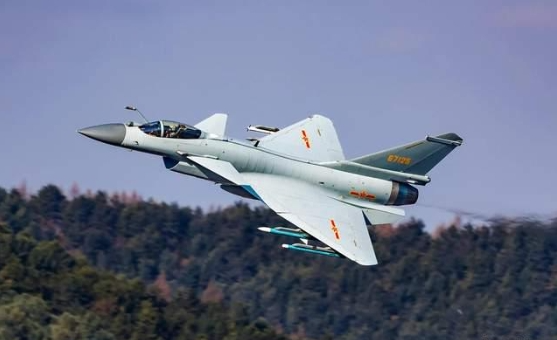
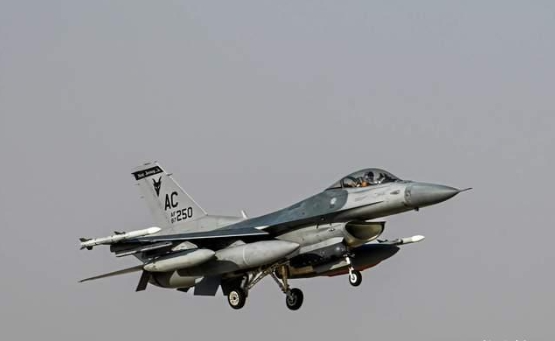
At the military port in Alexandria, a French transport ship is unloading components for the Rafale fighter jets. These jets, worth hundreds of millions of dollars, have a combat radius that is even less than that of the Pakistan Air Force’s JF-17 Block 3. When the J-10C creates a sonic boom at Mach 3 along the India-Pakistan border, Egyptian pilots can only fiddle with the outdated AN/APG-66 radar in the cockpit—this “antique-level” equipment from the American F-16 is a typical gift of American military sales.
In a darker twist of irony, when the Egyptian military discovered that the range of the Rafale’s MICA missiles is only 80 kilometers, the solution proposed by Paris was to “suggest upgrading to the American AIM-120.” This strategy of deeply binding client nations’ weapon systems is akin to putting invisible chains on the aircraft—when conflict ignited in Gaza in 2023, these jets bearing the French insignia found their fire control radar unable to lock onto Israel’s F-35I.
At this moment, in front of the J-10CE display at an aviation exhibition in Beijing, a Saudi arms procurement delegation is carefully examining a model equipped with PL-15E missiles. This air-to-air missile, with a range of 145 kilometers, can simultaneously track four targets with its active radar seeker. This performance gap reminds Saudi officers of the embarrassment during the 2019 Riyadh military parade: when the Pakistani JF-17 performed a “Cobra maneuver” in front of the audience, the Saudi Air Force’s pride, the F-15SA, was unable to perform the same maneuver.
At the military academy in eastern Cairo, instructors are using a sand table to simulate the hypothetical “Desert Storm 2025.” When the simulated J-10C formation breaks through the Israeli “Iron Dome” system, the trainees suddenly realize that Chinese military sales bring not only weapons but also a complete combat system—from the guidance algorithms of PL missiles to the early warning network of the KJ-500. This “turnkey project” is something that American military sales are always unwilling to provide.
This arms race across the Red Sea exposes a half-century dilemma in the Arab world: when Egypt is forced to use Rafale jets paired with American GPS, when the UAE’s F-16E mistakenly strikes friendly forces during exercises, and when Qatar’s Typhoon jets are grounded due to parts shortages, the myth of “compatibility” of American equipment is collapsing in the desert. As Pakistani Air Force Major General Khalid said, “Only when we can assemble JF-17 jets locally can we truly shed the identity of ‘weapon tenants.'”
Standing by the Suez Canal, watching the passing giant ships, we cannot help but ask: In this era of 24-hour satellite surveillance, why has the “technology transfer” of military powers become an empty promise? The answer may lie in the operations room of the U.S. Central Command—when Israel’s F-35I frequently visits Syrian airspace and U.S. aircraft carrier strike groups patrol the Persian Gulf, this practice of using weapon systems as political leverage is destined to make the defense modernization of certain countries a “half-finished project.”
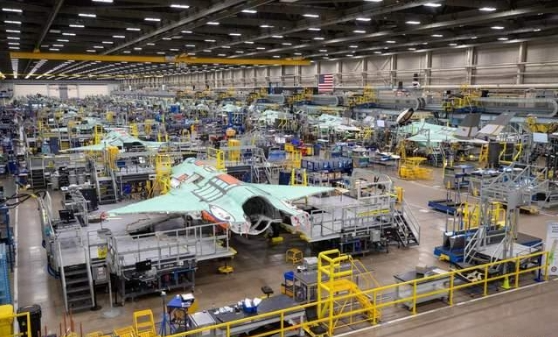
As dusk falls over Cairo, the afterburners of the Rafale jets trace a brief light streak across the runway of the air force base. Meanwhile, 3000 kilometers away in Chengdu, the test pilot of the J-10CE is preparing for a supersonic cruise test. This gap between reality and dreams is a microcosm of Middle Eastern geopolitics—while some countries are obsessed with the illusion of “balanced diplomacy,” others have quietly completed the rebirth of their defense industries. In your opinion, in the 21st century, should a country’s true defense security be based on “purchased security” or “self-made security”? Feel free to leave your insights in the comments section, allowing the light of reason to penetrate the maze of arms sales.