This article is reprinted from a Korean audio blog, authored by 신의숨결, and has been translated and edited for easier reading.
CDs were released in the 1980s and became popular in the 1990s. With the arrival of the new millennium and advancements in internet and computer technology, I no longer carried CDs with me but started playing music in file format, and I stopped collecting CDs.
My interest in audio began in high school. At the end of the vinyl era, I started listening to audio systems; during college, CDs flourished and became mainstream; by the time I got married and started listening to audio again, the way music was played had transitioned from CDs to file playback. At that time, I thought CDs were outdated and became obsessed with file playback.
Since I didn’t have much money back then, my first attempt was with a sound card. It was an Onkyo sound card with analog output that could easily connect to an amplifier. It was quite popular at the time, and I enjoyed tinkering with it, experimenting with op-amps and clock tuning.
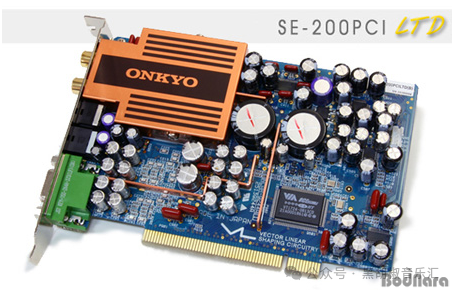
However, this sound card was connected to a large, noisy desktop computer, which could not completely avoid the impact of computer noise. Nowadays, there are computer noise reduction accessories available, but at that time, I was helpless against computer noise.
While I was making these primitive attempts, DACs supporting USB connections gradually appeared.
These DACs did not synchronize with the noisy computer via USB but received audio files and synchronized them to their own clock (to reduce jitter), allowing playback of any digital file format. (Of course, the physical USB connection would still transmit computer noise through the cable, and this solution gave rise to network players…^^)
While testing various DACs, I stumbled upon a message that audio blogger Mika was collaborating with a startup, Waversa, to launch a new DAC (W-dac).
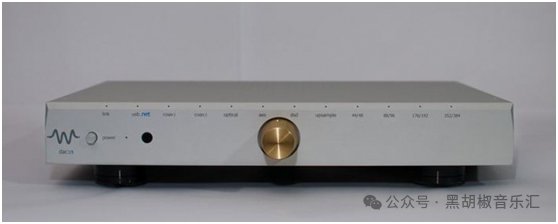
The price was very affordable, so I immediately purchased it and received this tool. Its analog music reproduction was absolutely worth the price.
Shortly after, Waver launched its own high-end DAC.
Of course, since I liked the W-dac, I was interested in the higher version… (the fate of an audiophile, if I am satisfied, I will upgrade.^^)
So, I went directly to Waver to audition the higher version of the DAC. At that time, I was using Allnic’s preamp, and naturally, I was curious about their vacuum tube DAC, so I asked Mr. Shen to lend me two vacuum tube DACs. I cautiously told Mr. Shen that Allnic seemed to suit my taste better. He coldly replied that it was fine because Allnic products also used Waver’s digital section.
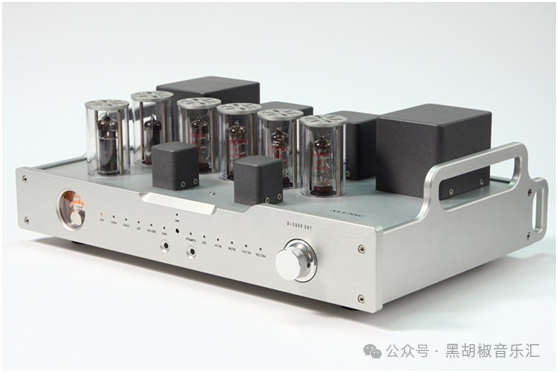
Thus, I bought the Allnic D-5000DHT. The sound of the vacuum tube DAC was simply analog — it sounded beautiful. It was easy and natural, without the digital hiss, and it also had a clock input that could accept an external word clock, which was quite unfamiliar at the time. However, the characteristic of this DAC was always its relatively weak durability of the 2A3 vacuum tubes. Of course, I could contact Allnic at any time, and they would replace the vacuum tubes. Frequent tube replacements were annoying, but I didn’t mind because it sounded beautiful…
A few years later, Allnic introduced OTL/OCL technology. This is a technology that does not use any transformers or capacitors in the output stage, allowing the sound of the vacuum tubes to be output directly with high purity. The name Allnic means using “nickel alloy transformers” in the output stage, but the technology they introduced elevated their name.
Naturally, audiophiles like me quickly paid attention to the development news, so I requested them to significantly improve their predecessor D-5000DHT and hoped to use the latest chips to support native DSD (previously it was DoP).
However, during the intense development process in 2021, the supply and demand relationship for chips was at its worst due to the COVID-19 crisis.
Allnic wanted to launch OTL/OCL technology as soon as possible, so they released the D-10000, which was just a revision of the analog section, with no significant improvements in the digital section.
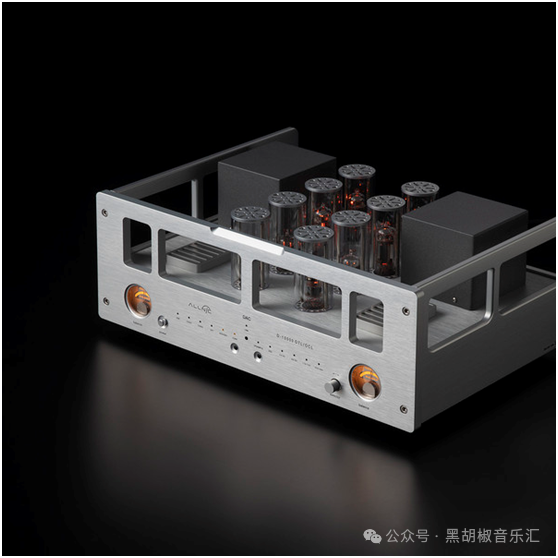
Even though the digital components had no significant improvements, the sound was completely different. I immediately understood why OTL/OCL technology was so highly regarded by Allnic. The smooth, deep highs and rich lows ensured incredible dynamics. The pure vacuum tube sound removed a layer of haze…^^
Less than three years after the release of the D-10000, I heard that Allnic was developing a new DAC. But I was not happy at all. The product releases were too fast.
I complained to Allnic’s CEO, Mr. Park. “Can’t you slow down? We don’t have money…”
But he replied, “The fate of developers is to release products” (but new products are almost always better sounding than the old ones, so that’s a problem…. ㅠㅠ)
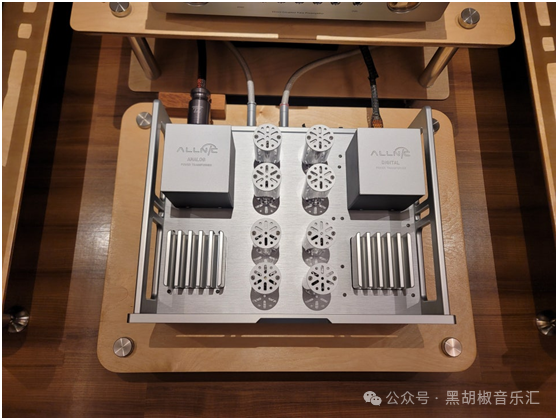
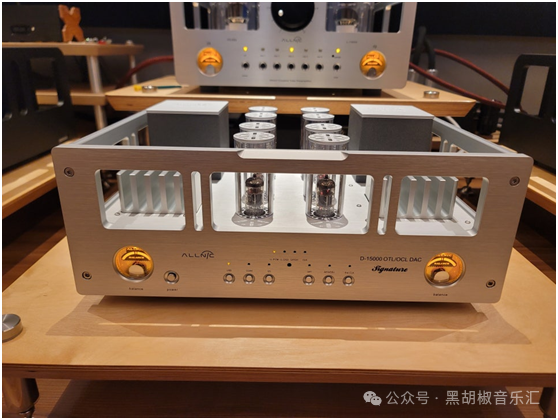
The new model is named D-15000, which significantly upgrades the digital section that was not completed at the time of the D-10000 release (this time the digital section’s partner has changed to another company), reflecting consumer demands as much as possible. Using the latest chip (ES 9039Pro) for native DSD playback was inevitable, and the internal clock (OCXO clock) and external master clock (the previous version of the DAC received word clock input, but with the emergence of many network players, DACs and network players need to synchronize clocks together, thus requiring master clock input) were also significantly upgraded. I2S input connections were installed (for users using SACD players) and the analog circuit was upgraded (the first stage vacuum tube was replaced)…
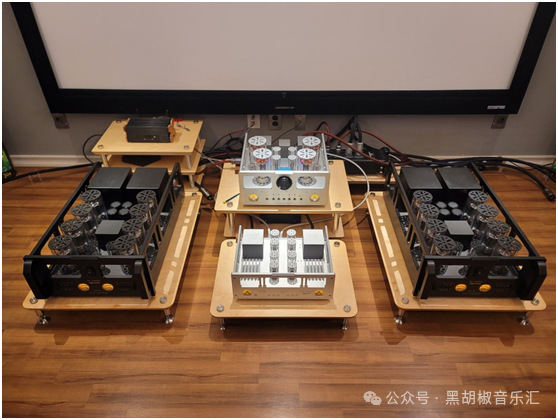
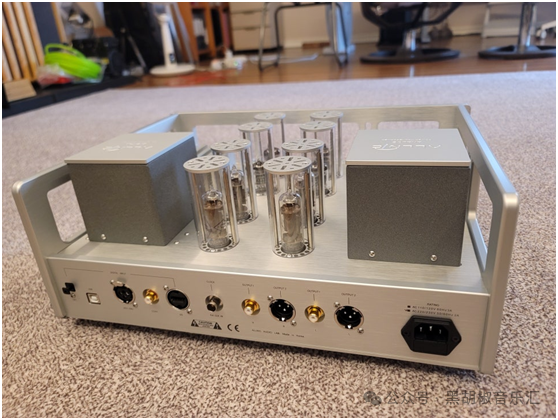
“Wow, it sounds like vinyl” Of course, I don’t have vinyl now. Someday, I would love to relive my childhood LPs. But right now, I have no money… Every time I go to the dealer’s showroom, I compare my DAC (D-10000) with Allnic’s latest phono stage H-10000. That phono stage sounds like the current D-15000. It has the breadth and depth of vinyl. A smile appeared on my face. The passion of that moment… audiophiles know. The joy of that moment…
I played a few songs, compared them with the previous model, and then quietly packed up the D-10000. What a sly move…
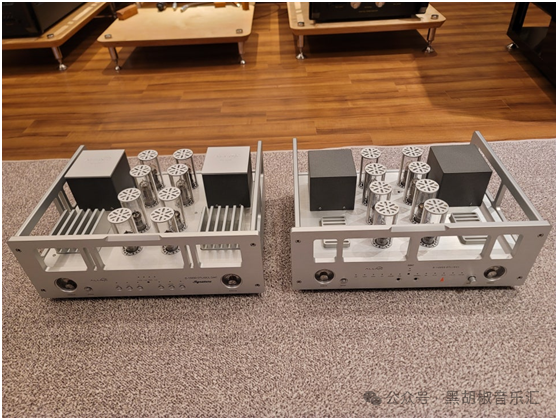
Left D-15000 VS Right D-10000
The biggest difference from the previous generation is the more delicate bass. Due to the clarity and texture of the bass, the music sounds very relaxed. The texture of the timpani and the details of the piano are well represented, showcasing the nuances of the music. OTL/OCL focuses on huge dynamics, with highs and lows extending up and down, while the D-15000 excels in adding texture, especially with a great sense of space between instruments.
I was unhappy with Allnic for releasing a new flagship in less than three years, but I can forgive it now because it sounds great….
Speaking of impressive recordings, check out
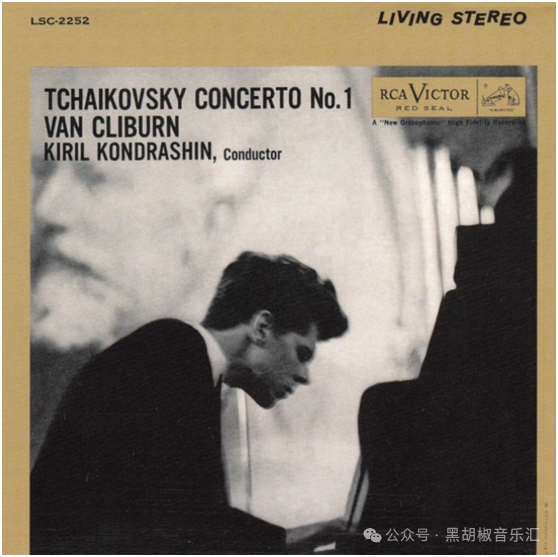
Van Cliburn’s performance of Tchaikovsky’s “Piano Concerto No. 1” is a masterpiece from the very beginning of the first movement. The powerful piano introduction allows you to feel the strength and detail of each key, as if you are listening to a live performance right in front of you. As the resolution is pushed to the extreme, the details of the bass and treble are enhanced, vividly showcasing the beauty of the piano. Cliburn’s delicate yet powerful touch is presented so vividly that I finally listened to the entire piece from start to finish for the first time in a long time.
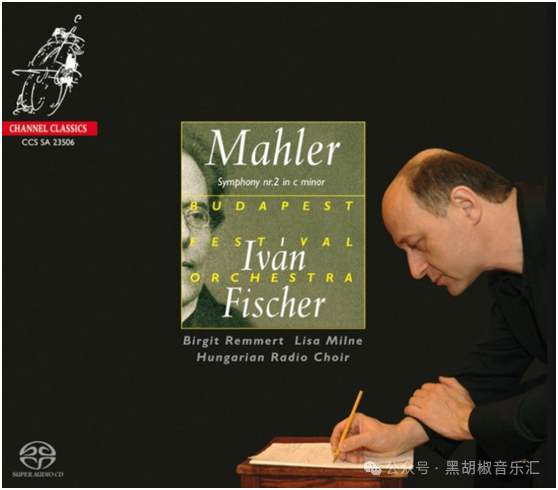
Ivan Fischer’s “Mahler 2” is an instrumental feast that begins with the realistic performance of the cello and double bass, reaching a breathtaking climax in the second half, making it clear why Ivan Fischer’s Mahler is a masterpiece. I was able to listen to the entire performance from start to finish at the perfect volume. The D-15000 flawlessly reproduced Ivan Fischer’s Mahler 2, with such rich detail that I was amazed at the rapid development and refinement of digital reproduction technology. The D-15000 seems to have an extraordinary ability to outline the sense of space of the musicians, which I attribute to the delicate presentation of the bass and the widening of the treble spectrum.
I think I have nothing left to upgrade (the lie of an audiophile?)
Of course, I also have no money left. Even if I wanted to, I couldn’t. (I think that’s the truth…. ㅠㅠ)
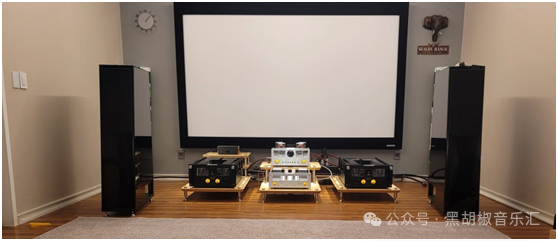
Now I just need to listen to music and take a break. I have come too far and for too long (not sure if that’s true?^^)
**System Configuration:
DAC: Allnic D-15000 OTL/OCL
Preamp: Allnic L-10000 OTL/OCL
Power Amplifier: Allnic M-10000 Monoblock
Speakers: Allnic S-9000 Full-Range Speakers
Source: Intel NUC12 (with Roon, Tidal, and Akasa case) / Source Power: HD Plex 300w
Network Cable: Werther HB / USB Cable: Werther HB
Interconnects: Allnic Mu-8R (from preamp to power amp), Mu-8R (from DAC to preamp)
Power Cables: Allnic ZL-3000, ZL-5000, ZL-10000
Speaker Cable: Allnic ZL-8000
END
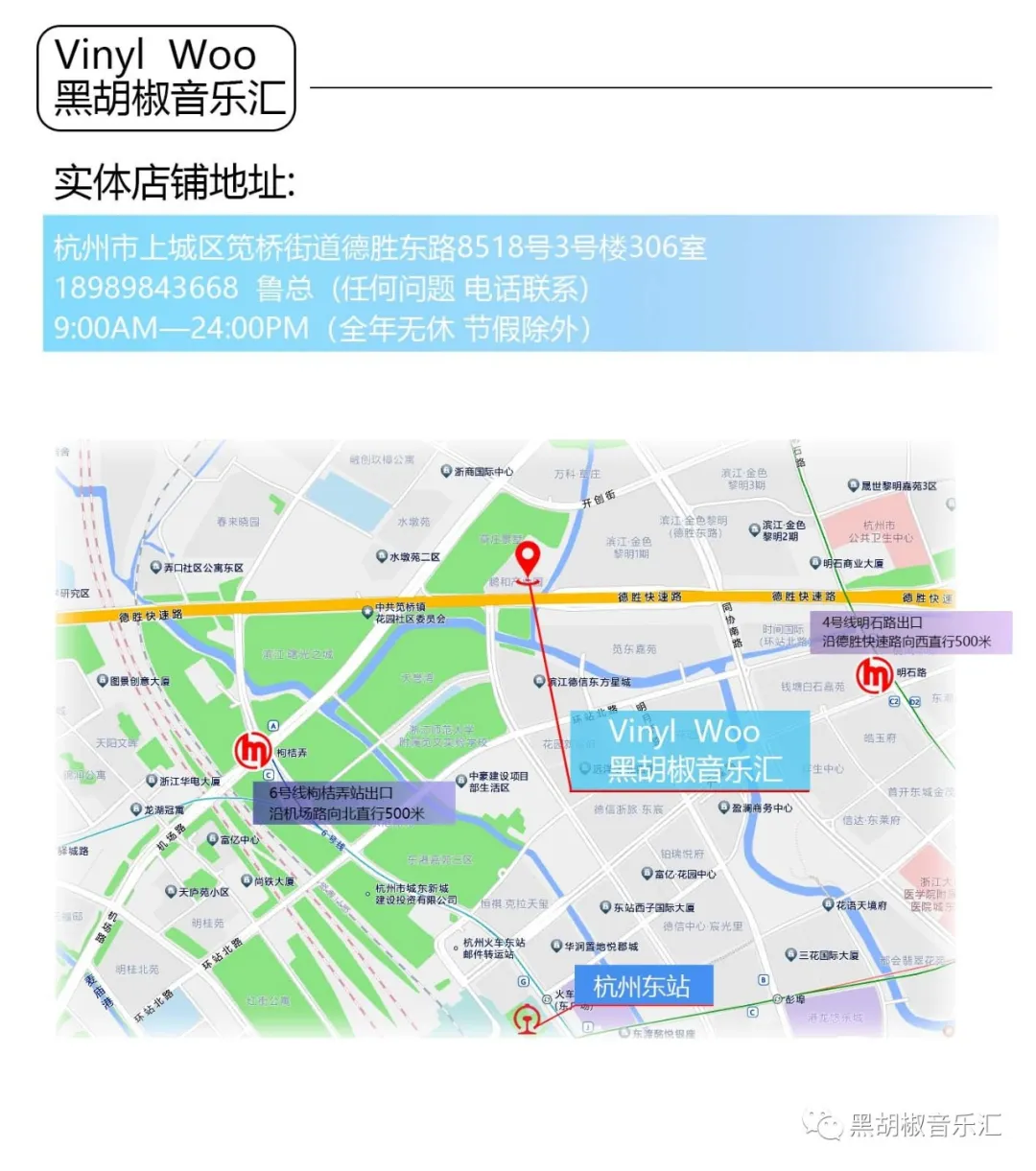
For audition appointments, call
Vinyl Wu:13958178390
Ms. Lu:18989843668
Address: Room 306, Building 3, Penghe Industrial Park, No. 8518 Desheng East Road, Shangcheng District, Hangzhou