Guangzhou Donghua Vocational College
School of Artificial Intelligence
Introduction to IoT Application Technology Major





Exploring the Future
Connecting Everything Smartly
PART 01
Major Introduction
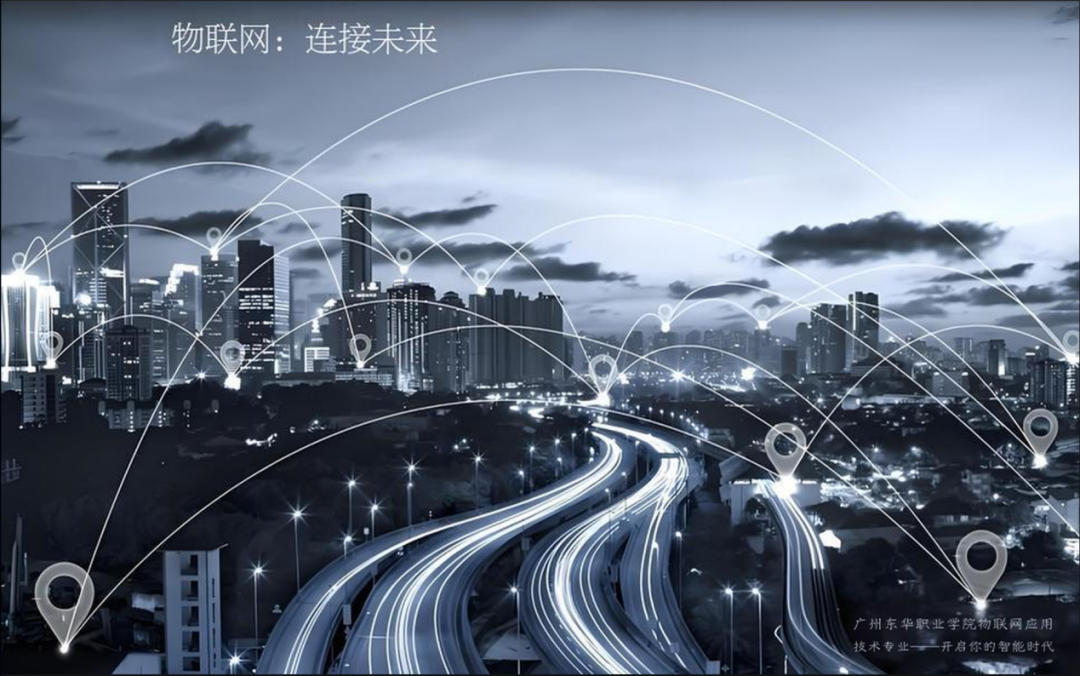
Have you ever imagined what the world of the future will look like?
In the morning, a smart alarm clock wakes you up at the most suitable time based on your sleep state; on your way to work, a self-driving car takes you through the city; when you return home, the smart air conditioner has already adjusted to the most comfortable temperature, and the refrigerator automatically generates recipes based on the ingredients… Appliances, sofas, and beds are all AI-capable robots. This is not a scene from a science fiction movie, but a real change brought about by IoT technology!
The Internet of Things (IoT), as the name suggests, is the internet that connects everything. It collects real-time information from various devices, components, or processes that need monitoring, connection, and interaction through multiple information sensing devices, forming a vast network combined with the internet.
The IoT Application Technology major is a popular field aimed at cultivating the urgently needed talents in the era of interconnected everything!

PART 02
Employment Positions and Prospects
With the rapid development of emerging technologies such as 5G, artificial intelligence, and big data, the IoT industry is experiencing explosive growth, leading to an increasing demand for high-quality technical talents. Graduates can engage in system design, development, deployment, application, maintenance, and project management in various fields such as smart manufacturing, smart cities, smart homes, smart healthcare, and smart transportation, becoming a key force in promoting the intelligent transformation of society.
PART 03
Major Highlights
(1) Cutting-edge technology at your fingertips: As an important branch of information technology, IoT is changing the world at an unprecedented speed. From smart homes to smart cities, from Industry 4.0 to precision agriculture, the presence of IoT is ubiquitous. This major keeps pace with the times, covering core technology courses such as electronic circuits, microcontrollers, sensors, and computer networks, equipping students with the keys to unlock the future.
(2) Practice-oriented, learning by doing: Beyond theoretical learning, we emphasize “learning by doing.” Through school-enterprise cooperation projects, innovation laboratories, and skill competitions, students will have the opportunity to participate in real IoT project development and implementation, such as smart security systems, environmental monitoring networks, and smart logistics solutions, transforming theoretical knowledge into practical problem-solving abilities.
(3) Cross-disciplinary integration, broadening horizons: IoT is a highly interdisciplinary field that integrates computer science, electronic engineering, communication, and data science. This major encourages students to learn across disciplines, fostering versatile talents through interdisciplinary project collaboration to meet the diverse industry demands of the future.
(4) AI assistance, optimizing teaching: Utilizing DeepSeek to analyze students’ learning data, we can adjust teaching focuses in real-time, strengthen students’ weak areas, and optimize teaching strategies. We recommend suitable practice and experimental projects based on each student’s different levels of mastery; combining virtual laboratories to simulate IoT devices, communication protocols, and cloud platform operations, providing real-time feedback and assessment to help students master core skills and enhance teaching effectiveness and practical abilities.
(5) Strong faculty with rich industry experience: The IoT Application Technology major has a high-quality, specialized faculty team that provides solid support for students’ growth and success. The professional teaching team mainly consists of experienced middle-aged teachers with both rich industry experience and teaching experience. Among them, 71% hold intermediate to advanced vocational qualifications, 43% are provincial-level dual-qualified and key teachers, and the average teaching experience is over 10 years. Most teachers graduated from well-known domestic and foreign universities in IoT-related majors, possessing profound academic achievements and solid professional knowledge, with one receiving a special government allowance from the State Council.
PART 04
Academic Advancement
In the professional course system, we provide courses for the higher education entrance examination: “Advanced Mathematics,” “Comprehensive Training in Programming (C Language),” and “Data Structures” for students to study under teacher guidance. We have established a community for students aspiring to further their education to exchange study tips, exam experiences, and insights. Students can apply for undergraduate majors such as Computer Science and Technology, Software Engineering, and Information Engineering, and those who meet the degree conferral conditions can obtain a bachelor’s degree.
PART 05
Professional Course System
(1) Platform courses for the professional group: “Database Application Basics,” “Computer Network Technology.”
(2) Basic technical skills courses (including basic technical skills training projects): “Advanced Mathematics,” “Fundamentals of Circuits and Electronics,” “Data Annotation,” “Linux Operating System and Applications,” “Basic Technical Skills Training Project: IoT Application Technology Training 1.”
(3) Core technical skills courses (including core technical skills training projects): “Python Programming,” “C Language Programming,” “EDA Design Technology,” “Sensor and Detection Technology,” “Principles and Applications of Microcontrollers,” “Wireless Sensor Network Technology and Applications,” “RFID Technology and Applications,” “Web Front-end Development,” “Core Technical Skills Training Project: IoT Application Technology Training 2.”
(4) Comprehensive technical skills courses (including comprehensive technical skills training projects): “Graduation Practice (Internship),” “Professional Comprehensive Technical Skills Elective Course Package 1,” “Professional Comprehensive Technical Skills Elective Course Package 2,” “Professional Comprehensive Technical Skills Elective Course Package 3,” “Course-Job Integration Practical Teaching Project (Productive Training).”
PART 06
Course and Competition Certification Resources
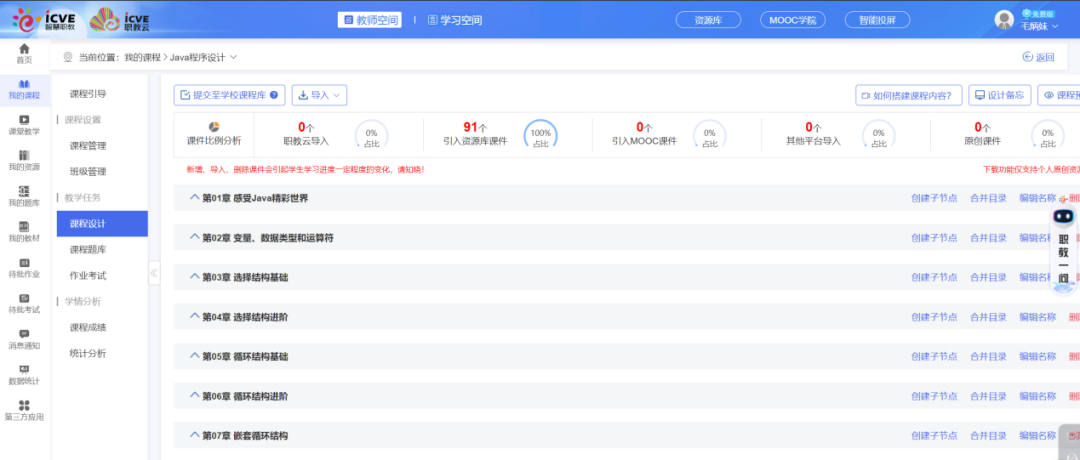
(1) Using the Smart Vocational Education platform for online and offline blended teaching, students can learn anytime and anywhere on campus. There are many courses available for students to choose from, including fundamentals of circuits and electronics, microcontroller principles and applications, wireless sensors, Linux, databases, Java, Android, big data, C/C++, front-end development, Python, hardware and maintenance, computer network technology, software testing, etc. Each course has comprehensive resources such as electronic textbooks, lecture videos, assignments, question banks, and online exams. The courses can effectively support the content of competitions and certifications, with a high degree of integration between courses, competitions, and certifications.
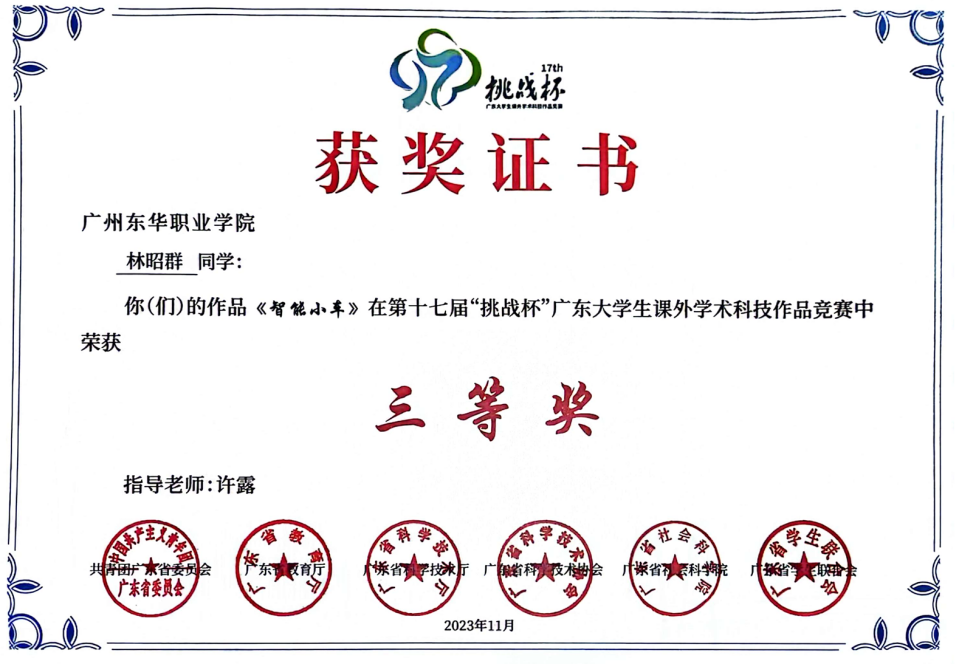
(2) Students can participate in a variety of competitions, including the National College Computer Ability Challenge, the Challenge Cup, and provincial skill competitions. Students in the IoT Application Technology major achieve remarkable results in competitions every year.
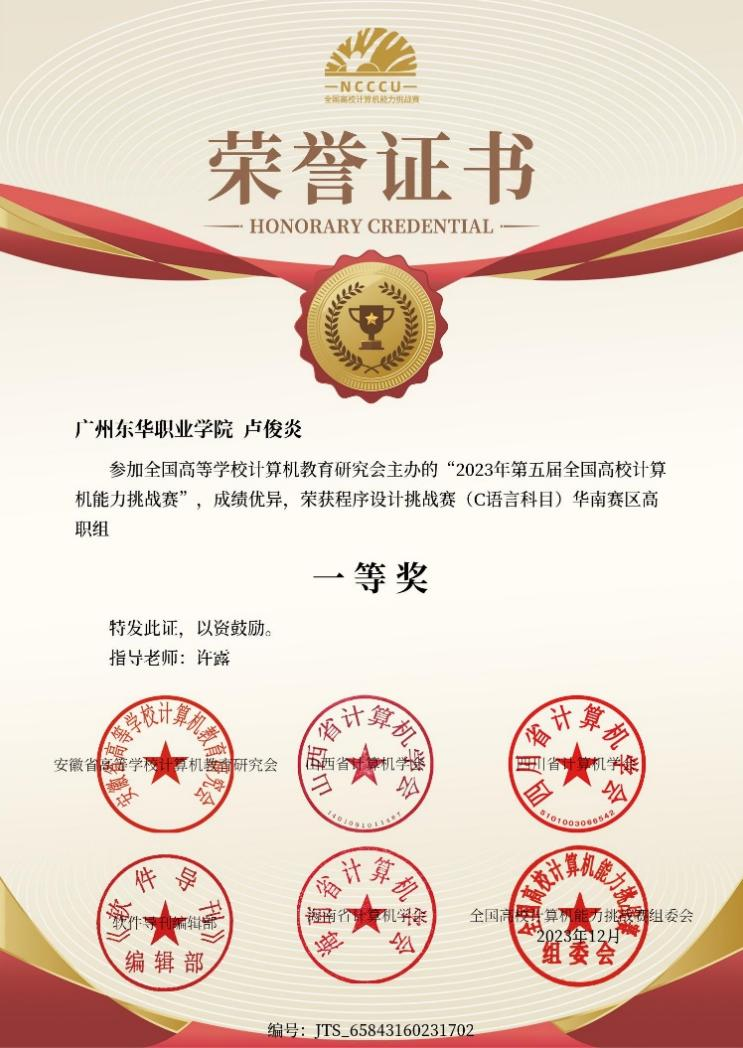
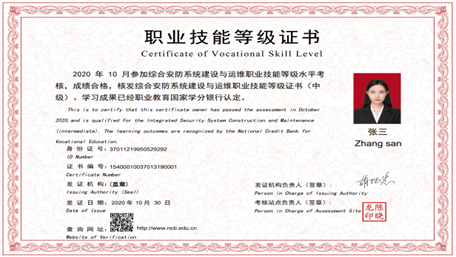
(3) Convenient certification methods are provided, allowing students to take 1+X certifications within the school. The types of certifications available on campus include Computer Programmer (Intermediate), Network and Information Security Administrator, and Artificial Intelligence Trainer. Specialized teachers provide training for these certifications, supervising practice with question banks. Through diligent practice, students can generally pass the certification exams and obtain certificates.
PART 07
Training Facilities
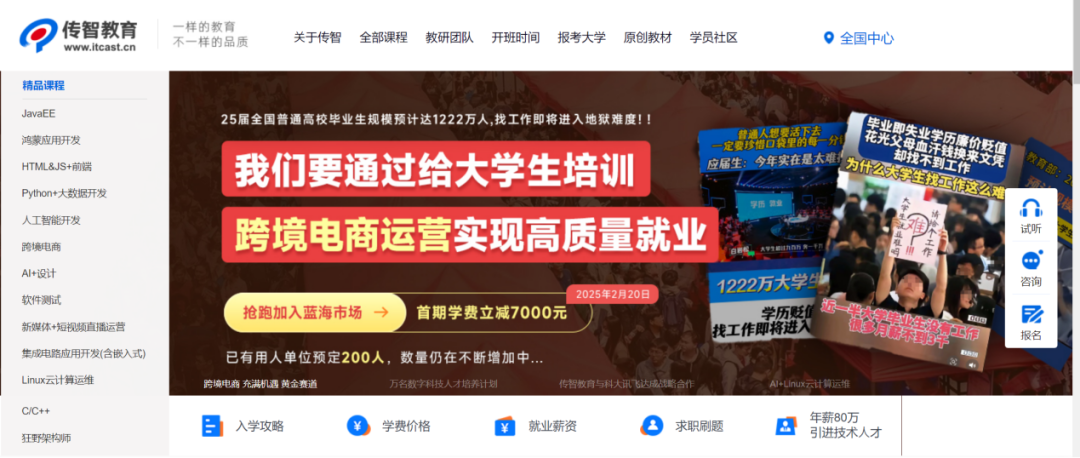
(1) Network Virtual Training Space
Smart Vocational Education Cloud Platform

ChuanZhi Education IT Vocational Training Platform
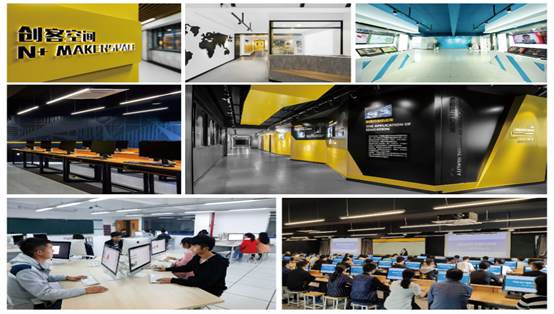
(2) On-campus Practical Teaching Base
The college has established two dedicated training rooms for the IoT Application Technology major: the EDA Training Room and the Smart IoT Training Room.
PART 08
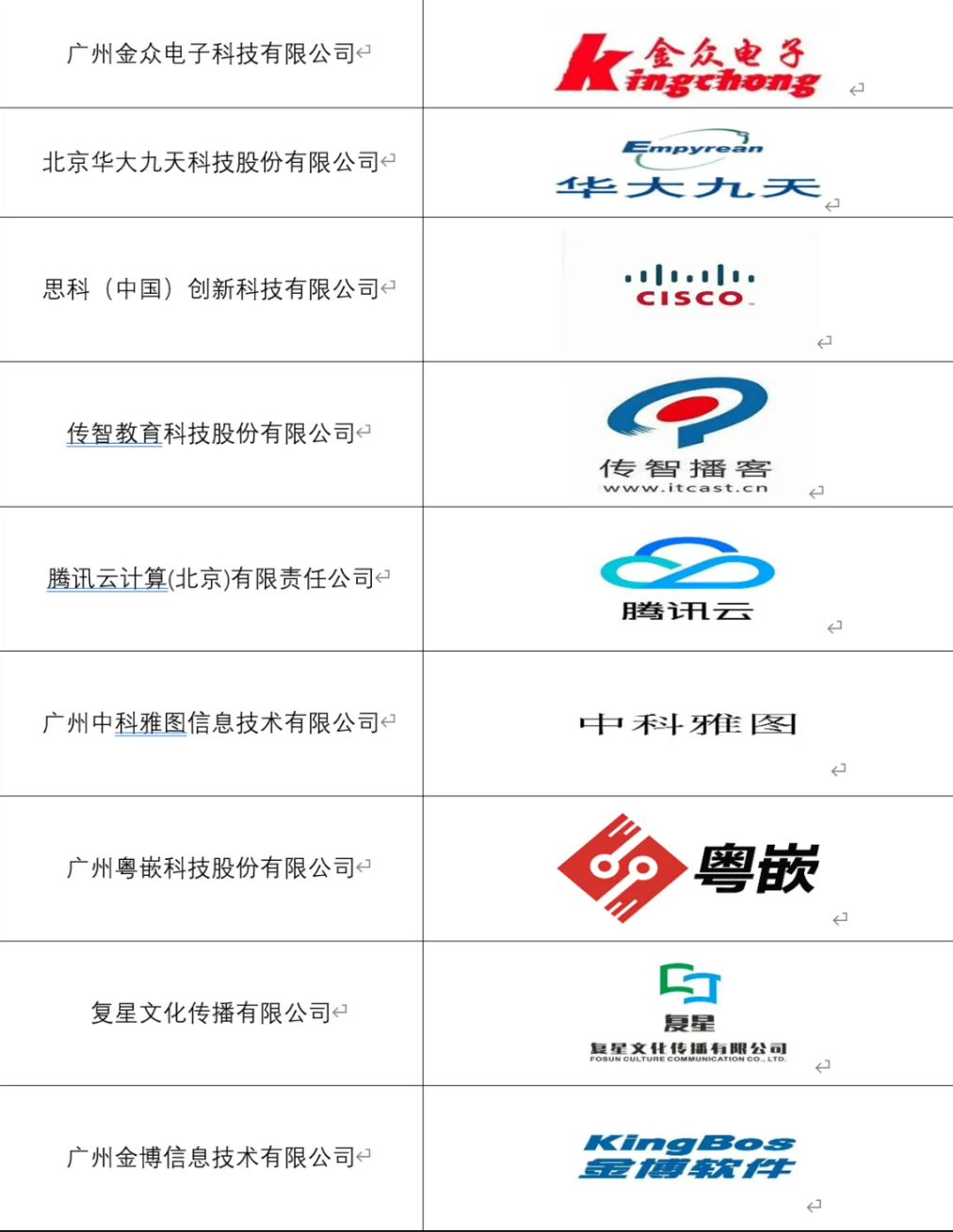
School-Enterprise Cooperation Units
Layout | Lin Yiquan
Proofreading | Liang Haoxin, Yang Zhengjie
Images | School of Artificial Intelligence
Initial Review | Ouyang Fu
Final Review | Party Committee of the School of Artificial Intelligence