 1. Current Status of US Military Strategic Drones
The US military’s strategic drones can be deployed globally to perform strategic reconnaissance and strike missions. The currently active strategic drones in the US military are mainly composed of the RQ-4A/B Global Hawk drones equipped by the US Air Force, the MQ-9B Reaper drones, the RQ-170 Sentinel drones, the MQ-4C Triton drones equipped by the US Navy, and the MQ-1C Gray Eagle drones equipped by the US Army.
1. RQ-4A/B Global Hawk Drone
The RQ-4A/B drones are primarily equipped by the US Air Force and are large, high-altitude, long-endurance strategic drones. Their mission payload mainly includes electro-optical/infrared reconnaissance equipment, AN/ZPY-2 synthetic aperture radar, and other image intelligence collection devices and AN/ASQ-230 signal intelligence collection equipment. The RQ-4A/B drones have the capability to provide commanders in the rear with an overview of the battlefield or surveillance of specific targets.
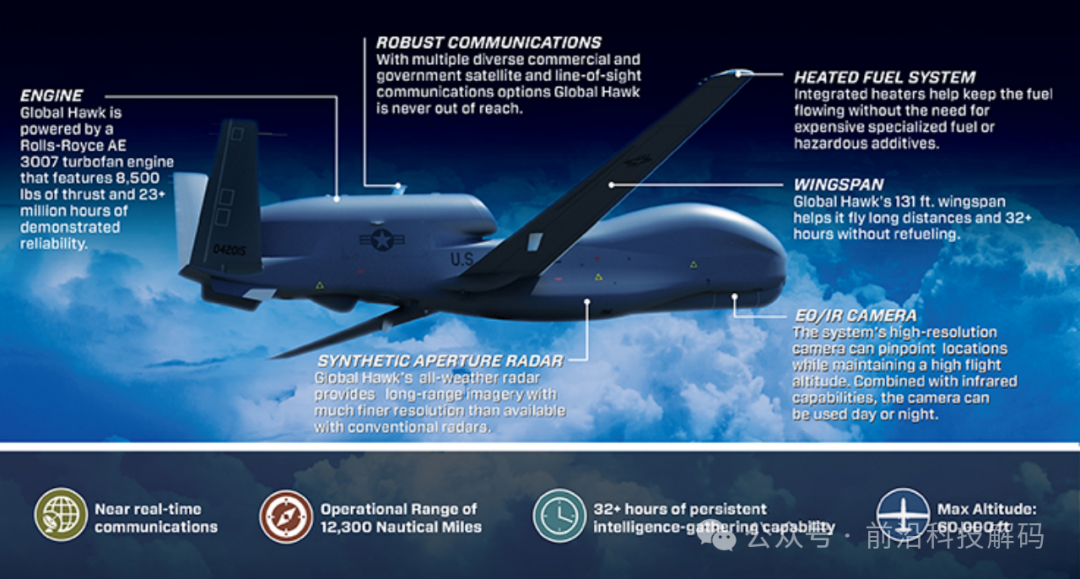
Figure 1 RQ-4A/B Global Hawk Drone
2. MQ-9B Reaper Drone
The MQ-9B drone is mainly equipped by the US Air Force and is a large, high-altitude, long-endurance drone. Its mission payload includes reconnaissance equipment and mounted weapons, with reconnaissance equipment consisting of the MTS-B multispectral target acquisition system (integrating visible imaging, infrared thermal imaging, laser rangefinding, and laser illumination sensors), and AN/APY-8 multi-mode synthetic aperture radar; the mounted weapons mainly include two GBU-12 laser-guided bombs and four AGM-114 Hellfire missiles, and it can also carry Joint Direct Attack Munitions (JDAM) and small diameter bombs.
The MQ-9B drone can perform theater reconnaissance, persistent surveillance, and intelligence collection missions, as well as close air support missions.
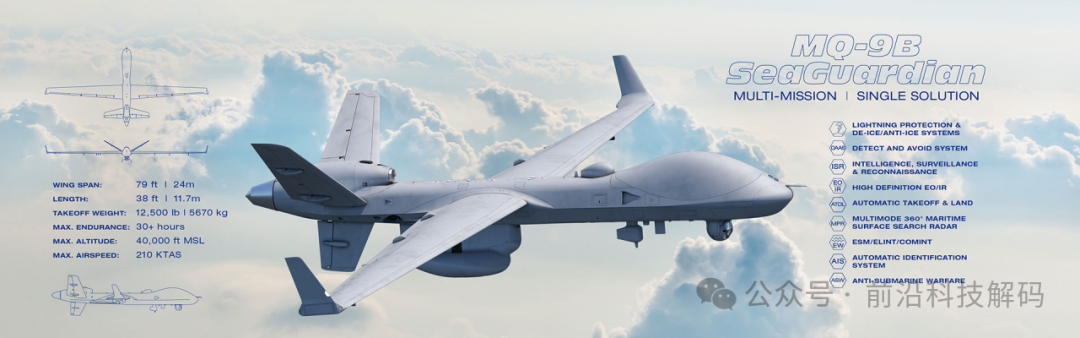
Figure 2 MQ-9B Reaper Drone
3. RQ-170 Sentinel Drone
The RQ-170 drone is primarily equipped by the US Air Force and is a medium-sized, high-altitude, long-endurance stealth drone. Its mission payload includes electro-optical/infrared sensors and active phased array radar. The RQ-170 is designed for high-priority reconnaissance missions, such as penetrating Iranian airspace to conduct reconnaissance on critical targets like nuclear facilities without being detected.
The US Air Force maintains strict confidentiality regarding the technical performance and operational use of the RQ-170 drone. In April 2010, a memorandum explicitly prohibited anyone from discussing the RQ-170 and its capabilities with unauthorized organizations and individuals, and from taking any photos or videos of the drone, with disciplinary action or criminal prosecution for violations.
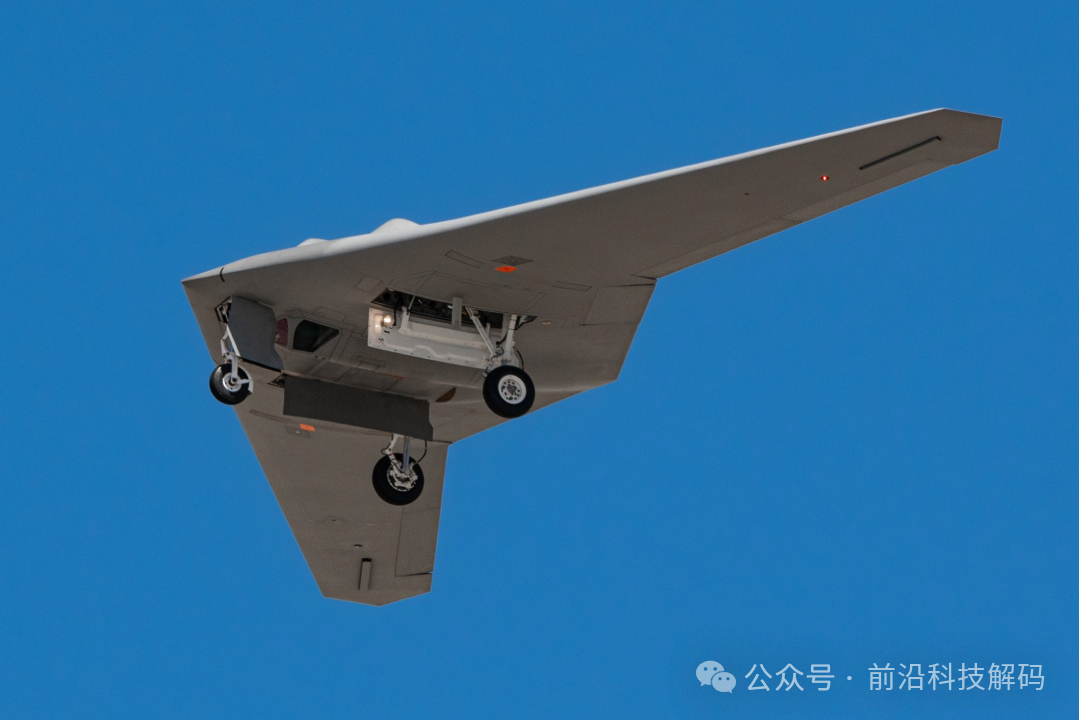
Figure 3 RQ-170 Sentinel Drone
4. MQ-4C Triton Drone
The MQ-4C drone is primarily equipped by the US Navy and is a large, high-altitude, long-endurance strategic drone. Its mission payload includes AN/ZPY-3 active phased array radar, MTS-B multispectral target acquisition system, and signal intelligence collection equipment.
The MQ-4C drone mainly performs wide-area maritime reconnaissance and surveillance missions. This drone has a cruise time of over 30 hours, allowing it to conduct 24-hour reconnaissance and surveillance in the mission area after excluding travel time. Another important mission of the MQ-4C is to work with the P-8A to establish a comprehensive maritime patrol system, gradually replacing the large and aging P-3C.
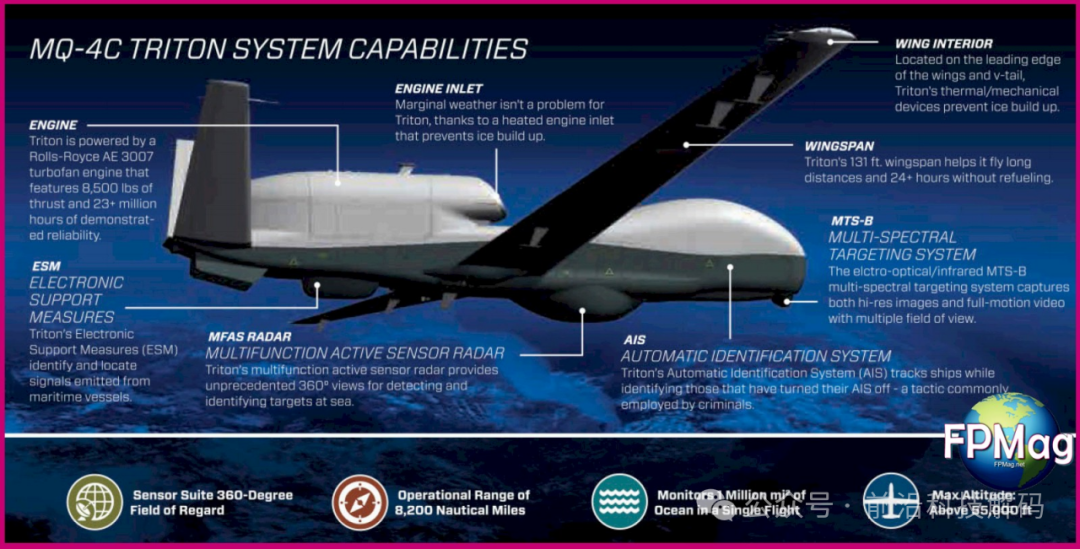
Figure 4 MQ-4C Triton Drone
5. MQ-1C Gray Eagle Drone
The MQ-1C drone is primarily equipped by the US Army and is a medium-sized, medium-altitude, long-endurance drone. Its mission payload includes reconnaissance equipment and mounted weapons, with reconnaissance equipment consisting of Raytheon electro-optical/infrared sensors and Northrop Grumman STARLITE synthetic aperture radar; the mounted weapons mainly include AGM-114 Hellfire missiles, GBU-44/B guided bombs, and GBU-69/B small diameter bombs.
The MQ-1C drone is mainly used to provide immediate response intelligence surveillance and reconnaissance capabilities to brigade commanders.
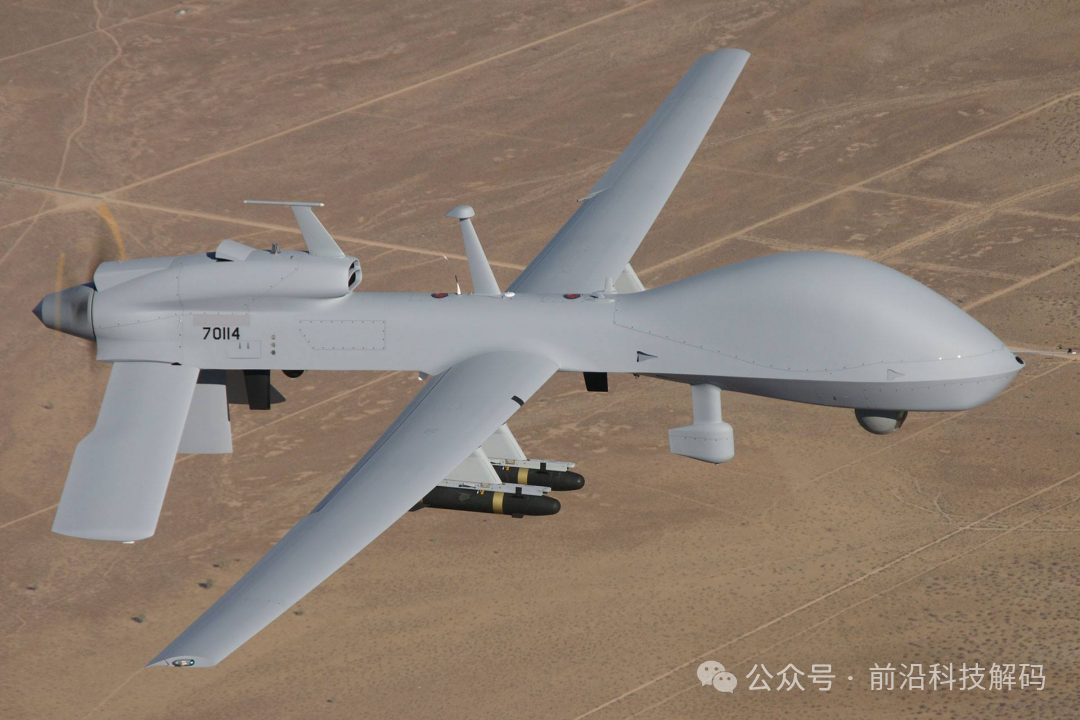
Figure 5 MQ-1C Gray Eagle Drone
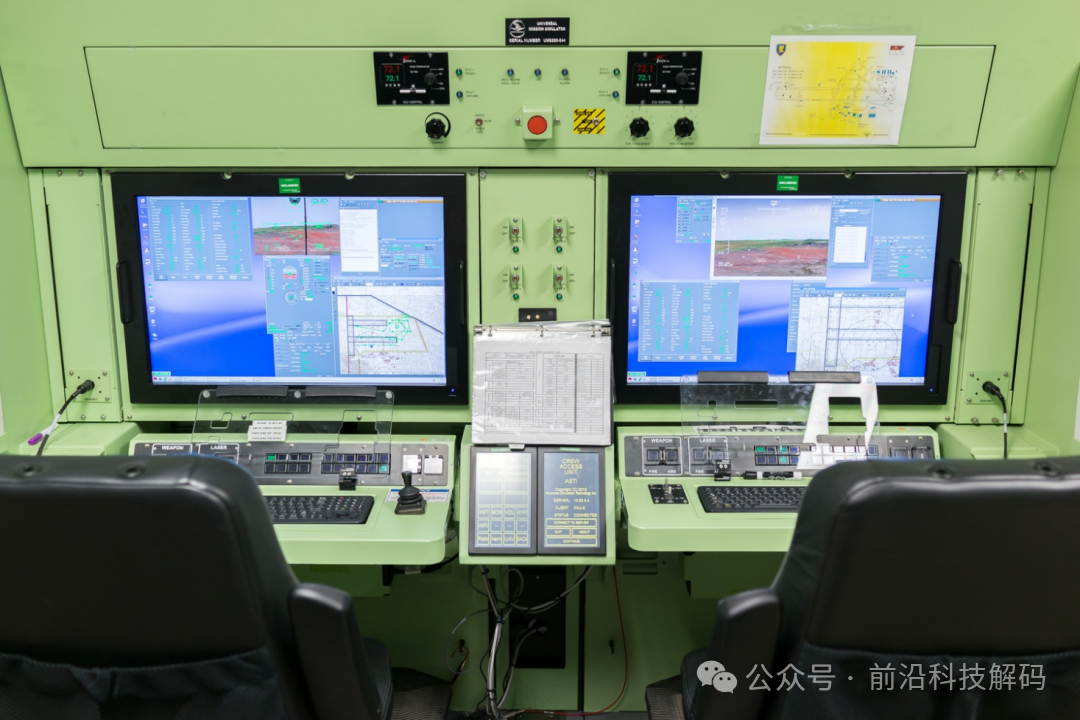
Figure 6 MQ-1C Gray Eagle Ground Control Station Operations Position
2. Latest Developments of US Military Strategic Drones
To adapt to future great power competition, the US military is focusing on developing large high-altitude long-endurance stealth strategic drones to build penetrating air superiority capabilities. Currently under research are strategic drones led by the Air Force such as the RQ-180 drone, MQ-20 Avenger drone, Global Observer drone, and the MQ-25A Stingray drone led by the Navy.
1. RQ-180 White Bat Drone
In December 2013, Aviation Week first disclosed the existence of the RQ-180 stealth unmanned reconnaissance aircraft. In 2014, the US Department of Defense acknowledged the existence of the RQ-180, but it was still in the development phase. In 2019, reports indicated that the RQ-180 had entered service with the 427th Reconnaissance Squadron at Beale Air Force Base in California. The RQ-180 is primarily equipped by the US Air Force and is a large high-altitude long-endurance stealth drone, with its mission payload including active phased array radar and passive electronic reconnaissance equipment. The RQ-180 mainly performs intelligence surveillance reconnaissance missions but can also execute electronic attack missions.
Figure 7 RQ-180 White Bat Drone
2. MQ-20 Avenger Drone
The MQ-20 drone is developed based on the MQ-9 drone and is primarily equipped by the US Air Force as a large high-altitude long-endurance drone. Its mission payload includes reconnaissance equipment and mounted weapons, with reconnaissance equipment consisting of electro-optical/infrared sensors, Lynx multi-mode radar, and signal intelligence systems. Mounted weapons include AGM-114 Hellfire missiles, Joint Direct Attack Munitions, and small diameter bombs.
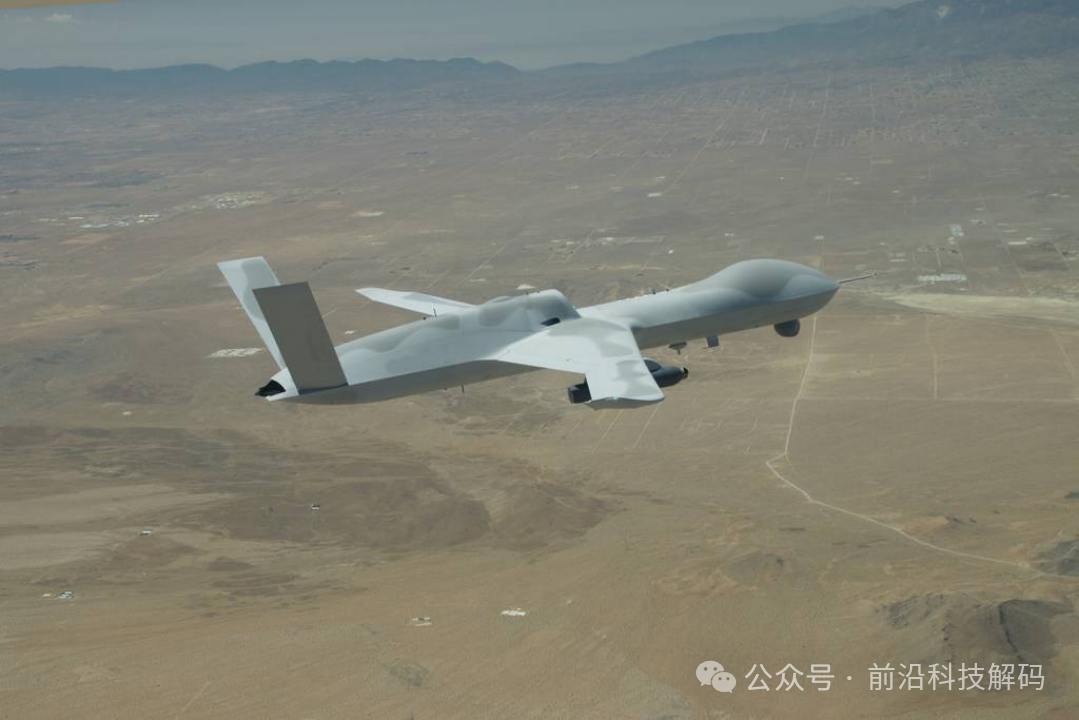
Figure 8 MQ-20 Avenger Drone
3. Global Observer Drone
The Global Observer drone is primarily equipped by the US Air Force and is a large high-altitude long-endurance unmanned reconnaissance aircraft. This drone is designed to stay airborne for 5-7 days and can fly at altitudes reaching the stratosphere (beyond the range of most air defense missiles), mainly performing intelligence surveillance reconnaissance and communication relay missions, providing robust and persistent intelligence surveillance reconnaissance and communication relay capabilities globally. This drone’s mission payload also includes airborne infrared equipment from the Missile Defense Agency (MDA), capable of detecting ballistic missiles during their ascent phase, just after separation from boosters, thus enabling early interception.
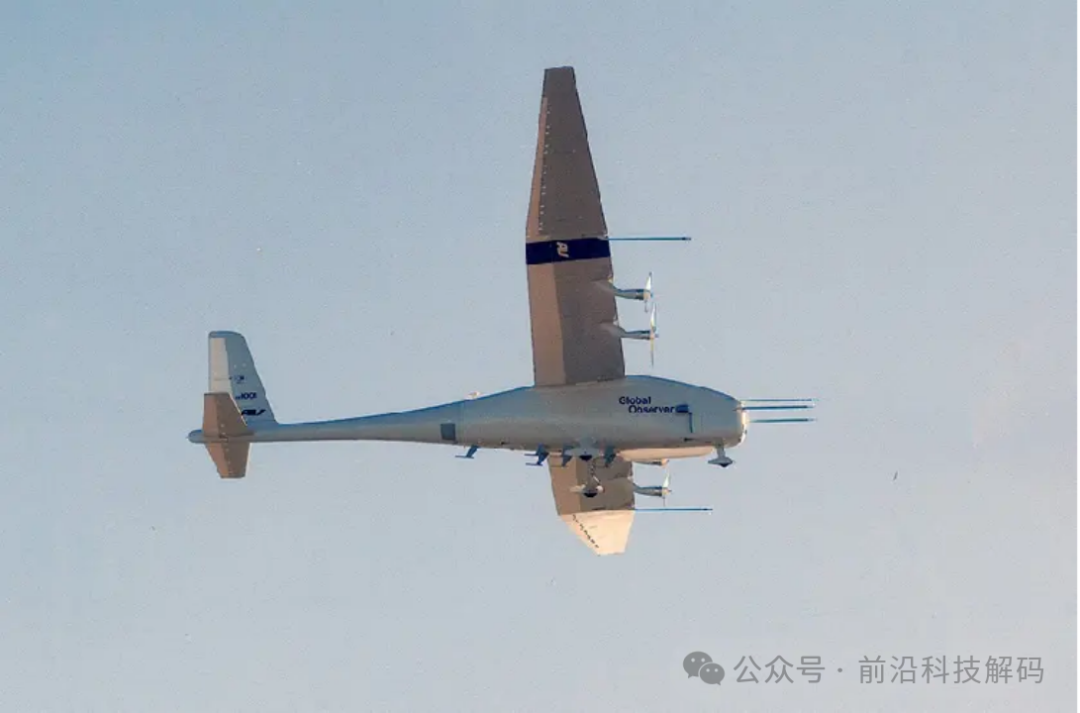
Figure 9 Global Observer Drone
4. MQ-25A Stingray Drone
The MQ-25A drone is primarily equipped by the US Navy and is a large high-altitude long-endurance stealth carrier-based drone. The main task of this drone is to provide aerial refueling support for US Navy F/A-18E/F and F-35C carrier-based aircraft, extending their endurance and operational range, enabling them to conduct attacks deep into enemy territory. The MQ-25A can also perform intelligence surveillance reconnaissance tasks, expanding the air defense alert and interception area of carrier strike groups, achieving the US military’s anti-access/area denial strategy.
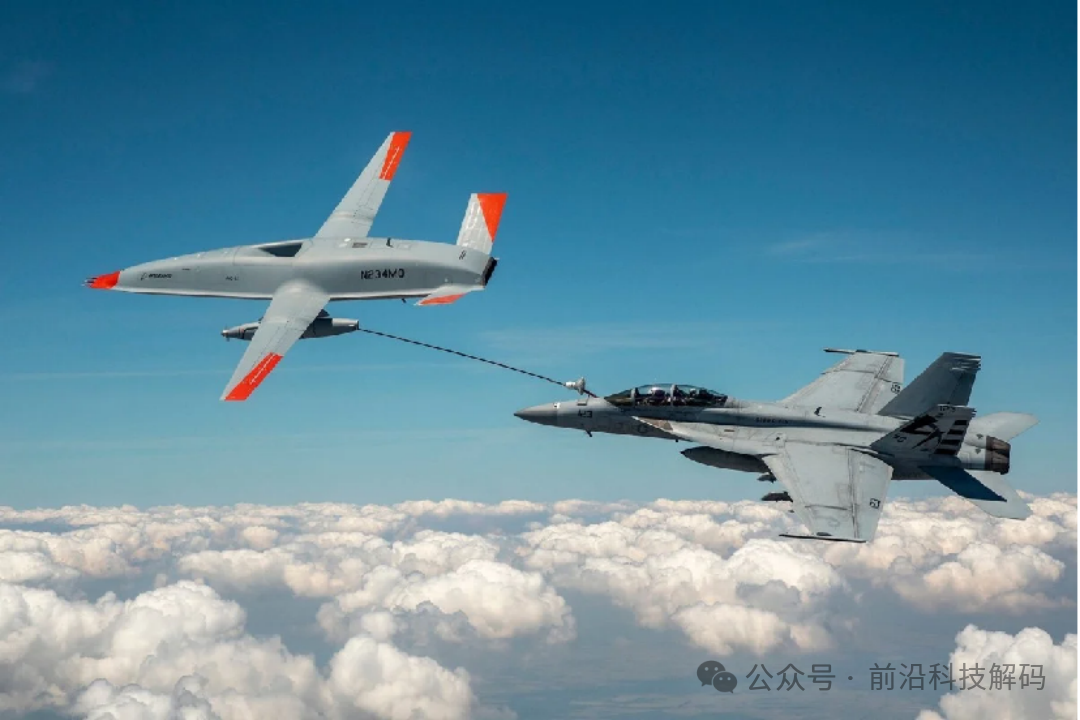
Figure 10 MQ-25A Aerial Refueling F/A-18E/F
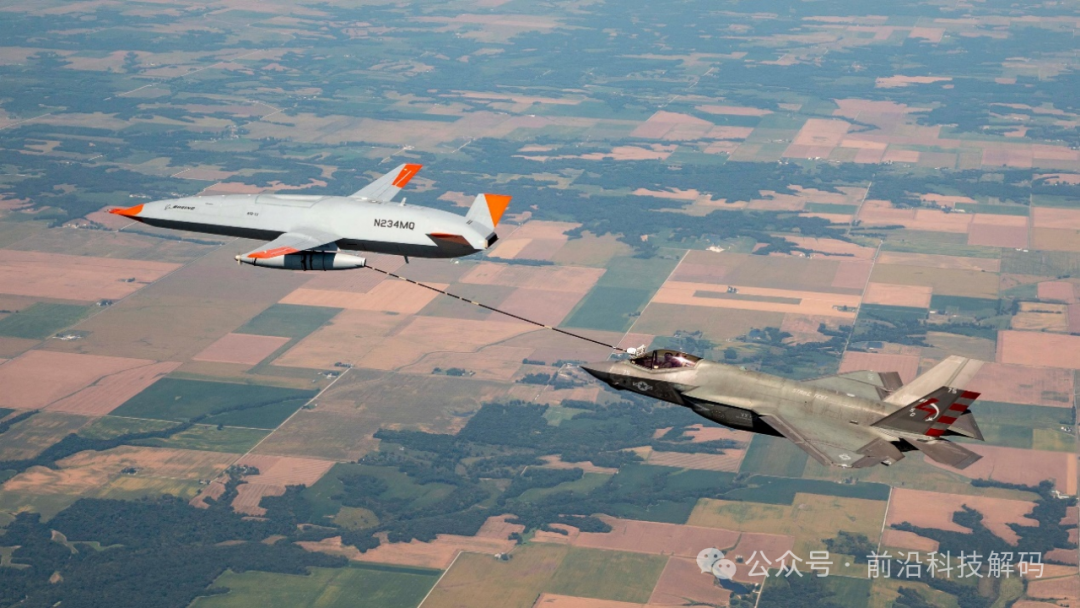
Figure 11 MQ-25A Aerial Refueling F-35C
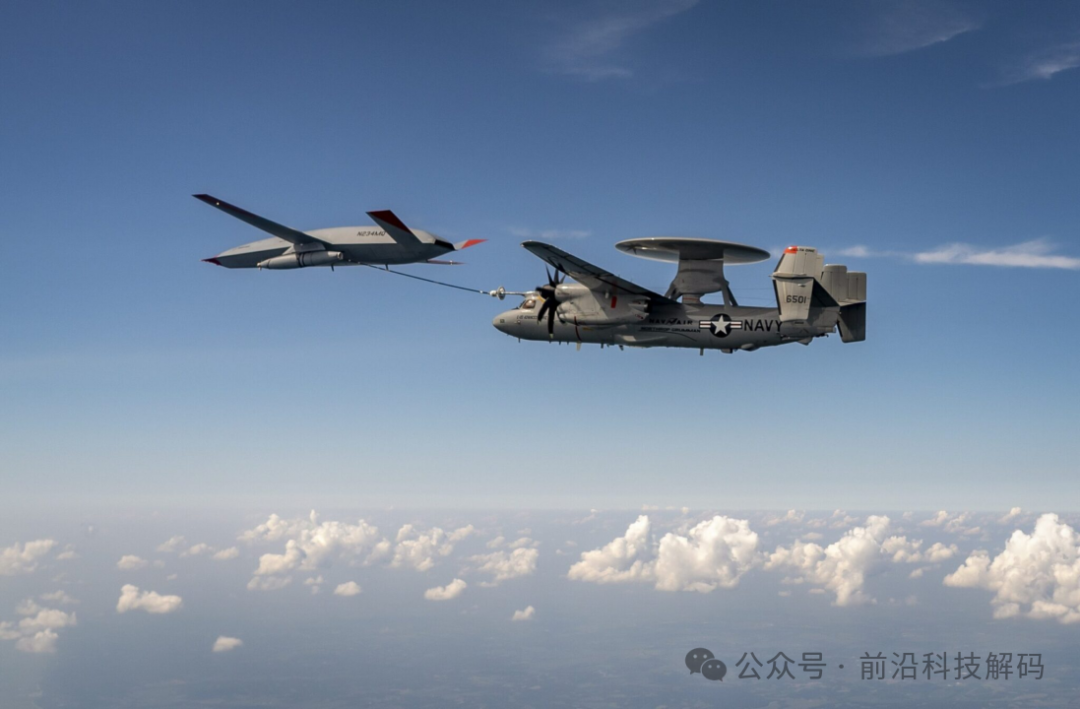
Figure 12 MQ-25A Aerial Refueling E-2D
At the same time, with the rapid development of autonomous technology, the US military is accelerating the promotion of the Loyal Wingman program in manned/unmanned collaborative operations. Funded by the Department of Defense’s Strategic Capabilities Office (SCO) and the Air Force Research Laboratory (AFRL), Kratos Defense Company has successively launched the development of the UTAP-22 Mako and XQ-222 Valkyrie drones to provide unmanned wingman support for fourth and fifth-generation aircraft.
(1) UTAP-22 Mako Drone Based on the BQM-167A target drone modification, it is equipped with tactical target acquisition network technology data link, electronic warfare pods, and AN/ALE-47 onboard advanced decoy dispensing system. The Navy version of the Mako drone achieves combat performance with a cost of less than $3 million, with a range of 3 hours, a maximum range of 2600 kilometers, and a maximum speed of 0.9 Mach.
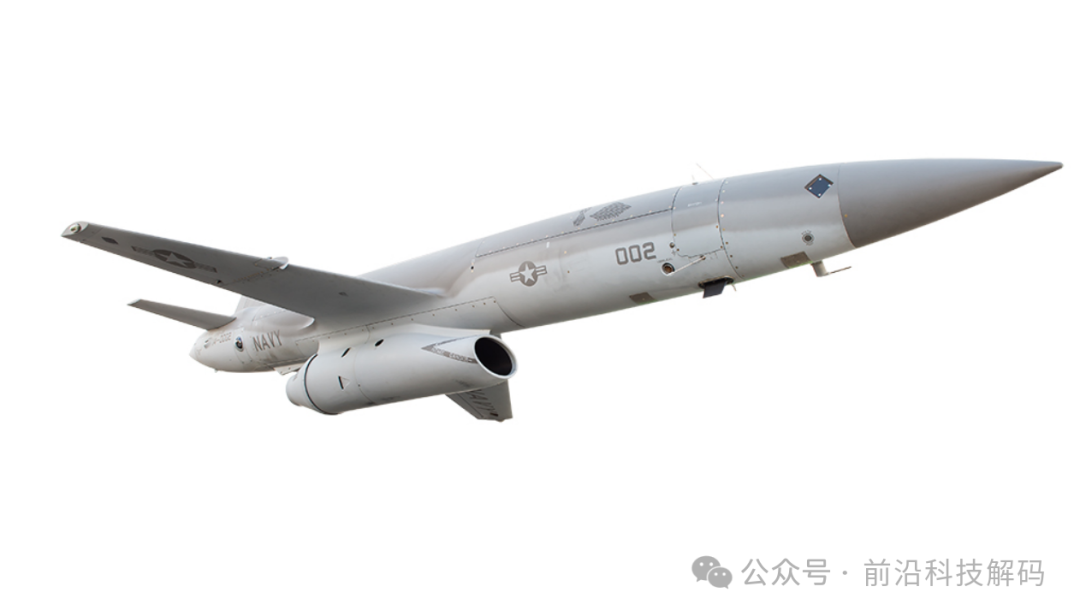
Figure 13 UTAP-22 Mako Drone
(2) In January 2019, the Air Force Research Laboratory renamed the XQ-222 to XQ-58A Valkyrie Drone. The XQ-58A drone features excellent stealth design, with a maximum range of 3941 kilometers, a maximum speed of 0.85 Mach, and can carry Joint Direct Attack Munitions or small diameter bombs, costing only 1/30 of an F-35 fighter jet. In February 2020, Kratos Defense Company announced the initiation of a mass production program while conducting technical demonstration validation with the Air Force Research Laboratory. Once the XQ-58A is widely deployed, it will significantly support the strike effectiveness and survivability of manned fighters like the F-35.
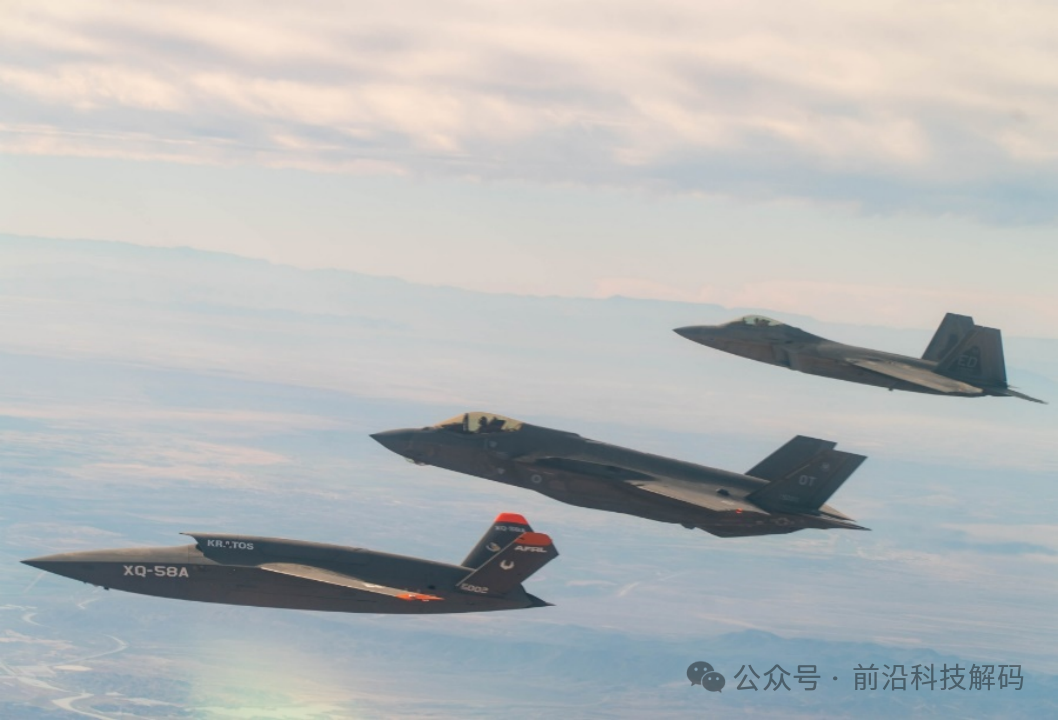
Figure 14 XQ-58A Flying in Formation with F-22 and F-35
For more information about the Sanmu Think Tank and related services, please click “Read Original” at the bottom of the article!
To learn about Sanmu products, please click the “Sanmu Products” in the public account menu!
To contact Sanmu Think Tank, you can scan the QR code below to add a Sanmu representative and submit relevant intelligence collection, translation, editing, and research requests.