“Click the blue text to follow us”Summary of Computer Level 2 Knowledge Points Chapter 1 | Data Structures and Algorithms
1.1 Algorithm Complexity
01 Basic Concepts of Algorithms
①. An algorithm is an accurate and complete description of a problem-solving method. 【Note: An algorithm is not equal to a program, nor is it equal to a computational method. Generally, the development of a program cannot exceed the design of the algorithm.】
②. The process of using computer algorithms to solve problems is essentially the implementation of a certain algorithm.
(1) Basic Characteristics of Algorithms
Algorithms generally have four basic characteristics: feasibility, determinism, finiteness (including the meaning of a defined computational process with precision requirements and reasonable execution time), and sufficient information.
(2) Basic Elements of Algorithms
①. Operations and manipulations on data objects. A computer algorithm consists of a sequence of instructions that can be processed by the computer. Typically, the basic operations that a computer can perform are described in the form of instructions. The set of all instructions that a computer system can execute is called the instruction set of that computer system. Basic operations and manipulations include: arithmetic operations, logical operations, relational operations, and data transfer (assignment, input, output, etc.).
②. Control Structure: The execution order of operations in an algorithm is called the control structure of the algorithm.
i. Tools for describing algorithms typically include: traditional flowcharts, N-S structured flowcharts, and algorithm description languages.
ii. The three basic control structures of an algorithm are: sequential structure, selection structure, and loop structure.
(3) Basic Design Methods of Algorithms
Basic design methods of algorithms include: enumeration method, induction method, recursion (decomposition), recursive method, halving recursion technique, and backtracking method.
02Algorithm Complexity
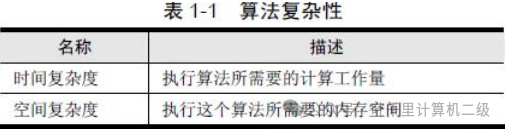
Algorithm complexity includes time complexity and space complexity. Note the distinction between the two, do not confuse them, see Table 1-1.
 END
END Ye Qianli Computer
For course purchase inquiries, please visit Taobao
Please recognize the Si Xiaobai Education flagship store~