A serial port (COM port) is a general term, UART is a protocol, and TTL/RS-232/RS-485 are voltage standards. Data using the UART protocol is transmitted through TTL (board-level short distance), RS-232 (± voltage anti-interference), or RS-485 (differential long distance multi-device) voltage standards, while COM port is the name given by Windows to this type of serial communication interface.
Basic Concepts
A serial port (Serial Port) is like a general term; any communication method that transmits data one bit at a time over a single wire can be called a serial port.
COM port is a nickname given by Windows to the serial port. For example, the 9-pin connector on the back of your computer (which most computers no longer have) is referred to as “COM1”, “COM2” in the Windows Device Manager.
UART: The Basic Communication Rules
-
Must speak at the same speed (baud rate)
-
Pause after each sentence (start bit/stop bit)
-
Confirm with the other party
-
Understood (parity bit)
However, it only cares about how to communicate, not about how loud (voltage) or how far the distance is. Therefore, RS-232 and RS-485 were established to specify electrical aspects.
RS-232 and RS-485 Voltage Levels
Comparison Table of RS-232 and RS-485 Voltage Logic
| Standard | Logic 1 | Logic 0 | Key Features |
|---|---|---|---|
| RS-232 | -3V ~ -15V (negative voltage) | +3V ~ +15V (positive voltage) | Single-ended signal, large voltage range, inverted logic |
| RS-485 | +2V ~ +6V voltage difference between two lines | -6V ~ -2V | Differential signal, strong anti-interference, supports multiple devices |
Different transmission methods. RS-232 uses an unbalanced transmission method, known as single-ended communication. In contrast, RS-485 uses balanced transmission, i.e., differential transmission.
Different transmission distances. RS-232 is suitable for communication between local devices, with a transmission distance generally not exceeding 20m. RS-485 can transmit over distances ranging from several dozen meters to thousands of meters.
Support for multi-point communication. RS-232 only allows one-to-one communication, while RS-485 interfaces can connect up to 128 transceivers on the bus.
Level conversion requires chips like MAX232, MAX485, etc.
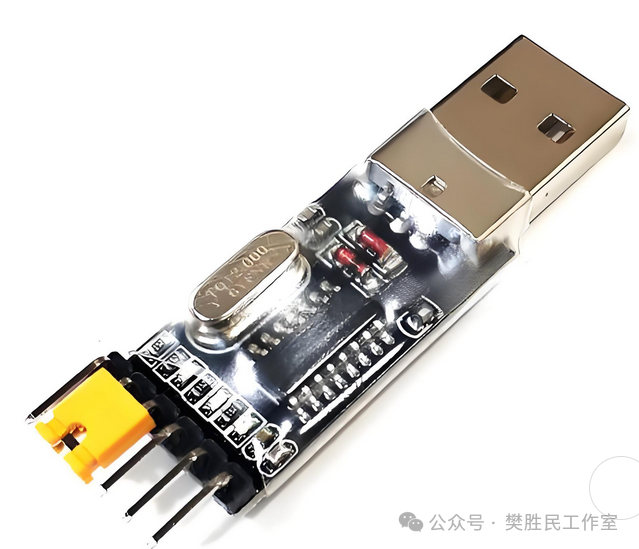
USB-TTL
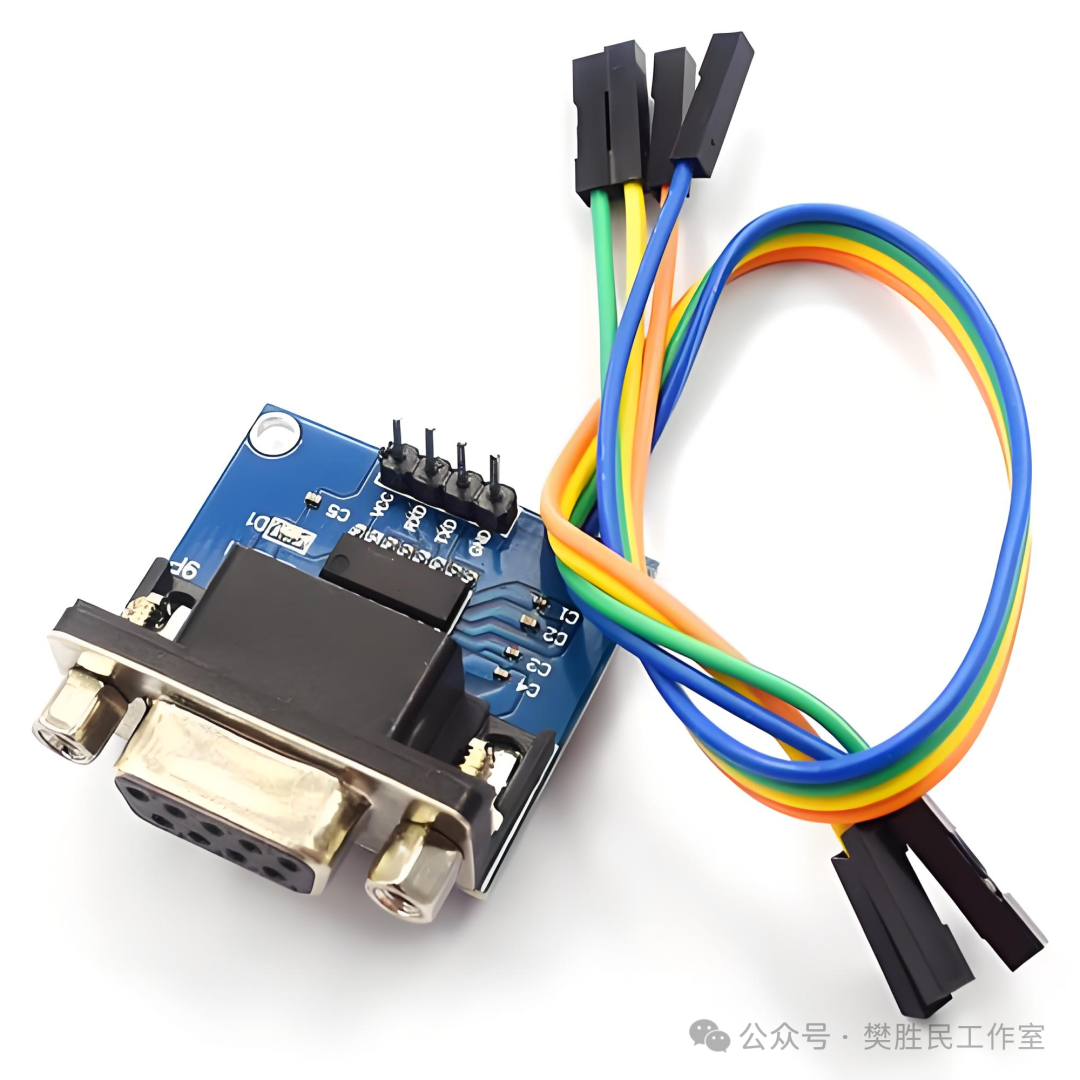
 RS232-TTL
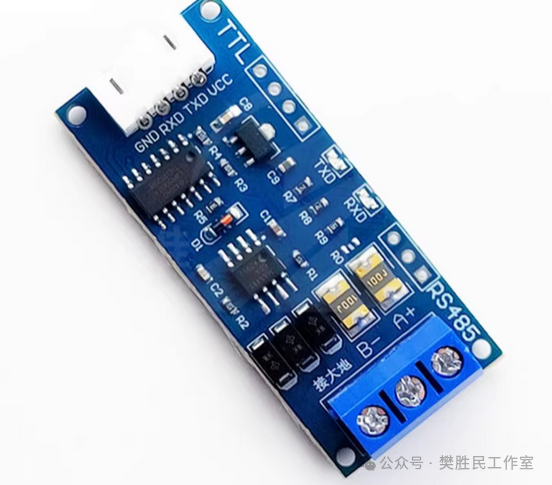
  TTL to 485