
1. Asahi Kasei Invests 16 Billion Yen to Expand AI Chip Material Production2. Musk Sues Apple and OpenAI, Accusing Them of Harming AI Competition3. Wolfspeed Faces Losses and Restructuring, Betting on Silicon Carbide Technology4. Automotive Business Begins Second Growth Curve, Luxshare Precision Achieves Revenue of 124.5 Billion Yuan in the First Half of the Year5. Shiyun Circuit Plans to Invest 1.5 Billion Yuan to Build a New Generation PCB Intelligent Manufacturing Base, Enhancing Chip Embedded Packaging Technology6. Fully Domestic Supply Chain, Self-Developed Main Control! Baiwei’s Automotive Grade eMMC Wins Multiple Industry Awards, Leading a New Benchmark in Automotive Storage
1. Asahi Kasei Invests 16 Billion Yen to Expand AI Chip Material Production

Japanese chemical company Asahi Kasei is accelerating the production capacity of its insulating materials for cutting-edge semiconductor products such as graphics processing units (GPUs), investing 16 billion yen (approximately 108 million USD) to build a factory domestically, aiming to double production by the fiscal year 2030.
With the ongoing boom in AI data center construction, Japanese material suppliers are becoming increasingly active in capital investment.
Asahi Kasei’s liquid photoresist material, Pimel, is used as an insulator between semiconductor chip layers. Taiwan Semiconductor Manufacturing Company (TSMC), the world’s largest chip foundry, is one of Asahi Kasei’s major customers. It is estimated that this Japanese company holds the largest market share in the global advanced chip insulating material market.
Asahi Kasei has been gradually increasing the production of Pimel at its factory in Shizuoka Prefecture, which is set to complete its new expansion by December 2024. With the booming investment in data centers, the demand for this material has exceeded previous expectations. The company hopes to have the new production line operational before the first half of the fiscal year 2028.
As demand is expected to continue growing, Asahi Kasei may further expand its production capacity. Currently, the company only produces Pimel at its Fuji factory, but as part of its business continuity plan, it is considering increasing production at more factories in Japan and other regions.
According to estimates by the U.S. market research firm Dell’Oro Group, global data center investment is expected to grow by about 160% by 2029 compared to 2024, reaching 1.2 trillion USD. This surge in demand is not limited to GPUs driving AI development but also includes other materials such as lines and metals used in communication and power equipment.
Japanese fiber optic cable manufacturer Fujikura plans to invest 45 billion yen to build a new fiber optic cable factory in Chiba Prefecture. The factory was completed in February, but due to insufficient production capacity to meet demand, the company will increase its investment. Sumitomo Electric has also raised its planned investment for optical devices used in communication equipment from 14 billion yen to 19 billion yen.
Japanese specialty metal manufacturer JX Advanced Metals will invest 1.5 billion yen in its factory in Ibaraki Prefecture, which produces indium phosphide wafers for data center communication equipment. Japan’s JFE Steel plans to increase its production capacity of high-grade steel for transformers produced in India sevenfold by the fiscal year 2030 and plans to make a matching investment of 60 billion yen with Indian partners.
2. Musk Sues Apple and OpenAI, Accusing Them of Harming AI Competition
Musk has accused Apple and OpenAI in a lawsuit of unfairly favoring OpenAI on the iPhone and hindering competition from other chatbot manufacturers.

On August 25, Musk’s X and xAI filed a lawsuit in federal court in Fort Worth, Texas, seeking billions of dollars in damages, claiming that Apple’s decision to integrate OpenAI into the iPhone operating system stifled competition and innovation in the AI industry, depriving consumers of choice and harming their interests.
Apple and OpenAI have collaborated on the AI integrated into the latest iPhone. Musk’s lawyers stated in the lawsuit that the exclusivity mechanism between Apple and OpenAI made ChatGPT the only generative AI chatbot integrated into the iPhone, locking the market to maintain their monopoly and preventing innovators like X and xAI from competing.
An OpenAI spokesperson stated in a statement: “This latest filing is consistent with Musk’s ongoing harassment pattern.”
In recent years, Apple has been entangled with regulators around the world due to accusations that its App Store illegally suppresses competition in the smartphone mobile app market. Apple has also been engaged in a five-year legal battle with Epic Games, the developer of Fortnite, over the App Store’s dominance in the smartphone software market.
Some of the allegations in Musk’s lawsuit are similar to those made by the U.S. Department of Justice against Apple. The U.S. government sued Apple in March 2024 in federal court in New Jersey, accusing the company of monopolizing the smartphone market by blocking competitors’ access to hardware and software features on its popular devices. In June of this year, Apple attempted to dismiss the case but ultimately lost.
The U.S. government’s lawsuit claims that Apple uses its power in app distribution to obstruct innovations that could make it easier for consumers to switch phones, particularly by blocking “super apps.” Musk’s lawsuit also makes similar allegations, claiming that Apple’s actions stifle “all apps” like X.
The lawsuit states: “Apple’s actions hinder the development of AI and super apps, allowing OpenAI to maintain its monopoly and limiting innovation and investment in generative AI chatbots that could evolve into super apps replacing iPhone functions.”
In addition to damages, the lawsuit also seeks a court order to prevent Apple and OpenAI from continuing their “illegal mechanisms.”
3. Wolfspeed Faces Losses and Restructuring, Betting on Silicon Carbide Technology
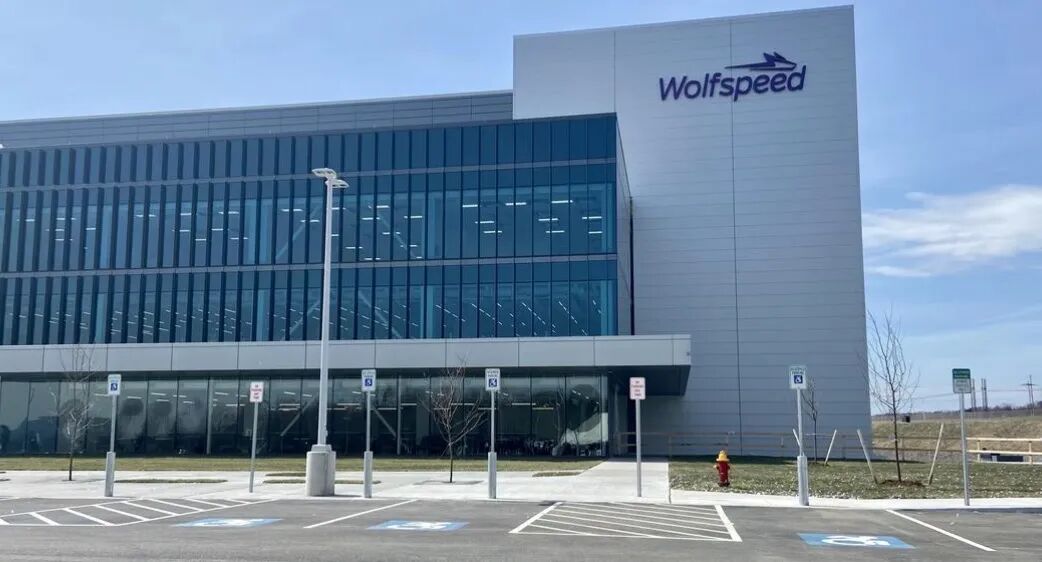
On August 25, Wolfspeed announced its performance for the fourth quarter and the entire fiscal year 2025.
According to the report, Wolfspeed’s fourth-quarter revenue was 197 million USD, with a gross margin of -13%, operating expenses of 556 million USD, and a net loss of 669 million USD, resulting in a diluted loss per share of 4.30 USD. For the entire fiscal year 2025, revenue was 758 million USD, with a gross margin of -16%, operating expenses of 1.208 billion USD, and a net loss of 1.609 billion USD (approximately 11.5 billion RMB), resulting in a diluted loss per share of 11.39 USD.
“Reflecting on my first three months at Wolfspeed, I am more confident than ever in my decision to join the company and our opportunity to further solidify our position in the industry. With our world-class greenfield and vertically integrated facilities, recent additions to our senior leadership team, and a strong intellectual property portfolio, Wolfspeed is fully capable of becoming a global leader in silicon carbide technology,” said Wolfspeed CEO Robert Feurle. “Our next important milestone is to have the court approve our restructuring plan next month and emerge from bankruptcy protection with a stronger financial structure shortly thereafter.”
4. Automotive Business Begins Second Growth Curve, Luxshare Precision Achieves Revenue of 124.5 Billion Yuan in the First Half of the Year
On August 26, Luxshare Precision released its H1 2025 performance report, stating that revenue for the first half of the year was 124,503,174,115.6 yuan, a year-on-year increase of 20.18%; net profit attributable to shareholders of the listed company was 6,644,272,049.46 yuan, an increase of 23.13% compared to the same period last year; net profit after deducting non-recurring gains and losses was 5,599,433,499.57 yuan, an increase of 12.9% compared to the same period last year.
As of the end of the first half of the year, Luxshare Precision’s total assets were 244,354,584,895.23 yuan, a year-on-year increase of 9.17%; net assets attributable to shareholders of the listed company were 74,722,987,506.85 yuan, a year-on-year increase of 7.78%.
In the first half of 2025, the global macroeconomic environment was complex, and geopolitical uncertainties continued to affect the stability and restructuring of global industrial chains. However, a new wave of technological revolution centered on artificial intelligence (AI) is reshaping the industrial landscape with unprecedented depth and breadth, with a clear trend of penetration from cloud computing power to edge and endpoint devices, bringing structural development opportunities for high-end manufacturing enterprises.
In the face of an external environment characterized by both challenges and opportunities, Luxshare Precision has maintained strategic determination, adhering to market and customer demand, continuously strengthening vertical integration and intelligent manufacturing capabilities, relying on its deep accumulation in precision manufacturing, materials science, and system integration to promote balanced and healthy development across its three business segments: consumer electronics, communication and data centers, and automotive, building a stable and resilient business ecosystem.
During the reporting period, Luxshare Precision’s consumer electronics business performed steadily, successfully introducing multiple new product projects and deepening cooperation with customers in several cutting-edge product areas, such as AR/VR, consumer-grade 3D printing, and robotics.
During the reporting period, Luxshare Precision accurately grasped the historic opportunity of AI computing power infrastructure construction, leveraging its deep technical foundation in the data center field to provide customers with integrated solutions for “copper, optics, electricity, and heat,” ranging from high-speed copper cable connections (DAC/ACC, etc.), high-speed backplane connectors to high-speed optical modules, and server power and thermal management systems. Currently, Luxshare Precision’s share among leading cloud service providers (CSPs) and AI server customers continues to increase, with multiple high-speed, high-value-added products already achieving mass delivery.
During the reporting period, Luxshare Precision’s automotive Tier 1 business continued to secure new project designations from several mainstream automakers both domestically and internationally, with an expanding product line and customer base. Relying on a diverse product matrix, local R&D, and global delivery strategy, Luxshare Precision has become a preferred Tier 1 partner supporting Chinese brands going global and serving global customers. Currently, Luxshare Precision’s automotive business is in a rapid growth phase, and its vast market space and strong growth momentum are laying a solid foundation for the company to open a second growth curve, which is a key driving force for the company’s long-term sustainable development.
5. Shiyun Circuit Plans to Invest 1.5 Billion Yuan to Build a New Generation PCB Intelligent Manufacturing Base, Enhancing Chip Embedded Packaging Technology
On August 26, Shiyun Circuit announced that the company or its controlling subsidiary plans to invest 1.5 billion yuan to build the “Chip Innovation Smart Carrier” new generation PCB intelligent manufacturing base project, mainly producing chip embedded PCB products and high-end HDI circuit board products, with a designed annual production capacity of 660,000 square meters.
According to the announcement, the project construction cost is 463 million yuan, equipment purchase and installation cost is 962 million yuan, and working capital is 60 million yuan. The project construction period is 18 months, with plans to start construction in the second half of 2025 and begin production in mid-2026. The project product planning includes 180,000 square meters/year of chip embedded PCB products and 480,000 square meters/year of high-end HDI circuit board products.
Shiyun Circuit stated that with the rapid development of artificial intelligence and new energy vehicle technologies, PCBs, as core basic components of the electronics industry, are facing higher requirements for production processes and supply chain collaborative innovation capabilities. The company was approved by the Guangdong Provincial Development and Reform Commission in 2022 to establish a “New Generation Electric Vehicle High-End Chip Interconnection Carrier Innovation Platform,” focusing on developing “chip embedded PCB packaging technology”.
This technology uses embedding processes to directly embed power chips into the PCB board, achieving integration of devices and PCBs through innovative process technology, optimizing the signal transmission path and heat dissipation performance between chips and circuit boards, improving system efficiency and reliability. Currently, the project has achieved significant results, with chip embedded PCB products passing a series of static and dynamic tests to meet performance design and reliability requirements, and gradually obtaining project designations from terminal host manufacturers.
Industry data shows that Prismark expects HDI and multilayer boards with more than 18 layers to grow by 12.9% and 41.7%, respectively, by 2025. In the medium to long term, high multilayer boards with more than 18 layers and HDI are driven by AI-related industries, with compound annual growth rates of 15.7% and 6.4% from 2024 to 2029, respectively, exceeding the average growth rate of about 5.2% for the PCB industry as a whole.
Shiyun Circuit pointed out that chip embedded PCB products are one of the future development directions of PCBs, with three core advantages: eliminating bonding wires, reducing mechanical stress failure, and significantly improving the reliability of chip interconnection technology; by eliminating bonding wires and using ultra-short connection paths, inductance can be reduced to below 1nH, improving electrical performance; and by embedding, the occupied space of the package can be reduced, lowering packaging costs and enhancing electrical performance and heat dissipation effects.
The company stated that the current demand for HDI business is growing strongly, especially in the fields of artificial intelligence, automotive electronics, and medical electronics, with significant increases in orders, while existing HDI production capacity is insufficient to support business expansion. Once this project is completed, it will enhance the company’s mass production capacity for high-end circuit boards, meet downstream customers’ continuously increasing process requirements for PCBs, and strengthen the company’s core competitiveness.
Shiyun Circuit stated that chip embedded PCB products are currently mainly used in the power domain of new energy vehicles, significantly improving electrical performance through higher integration and power density, including reducing system parasitics and switching losses, greatly enhancing switching speed, thereby achieving improved range. The project has good expected economic benefits and will provide the company with new profit growth points once completed.
6. Fully Domestic Supply Chain, Self-Developed Main Control! Baiwei’s Automotive Grade eMMC Wins Multiple Industry Awards, Leading a New Benchmark in Automotive Storage
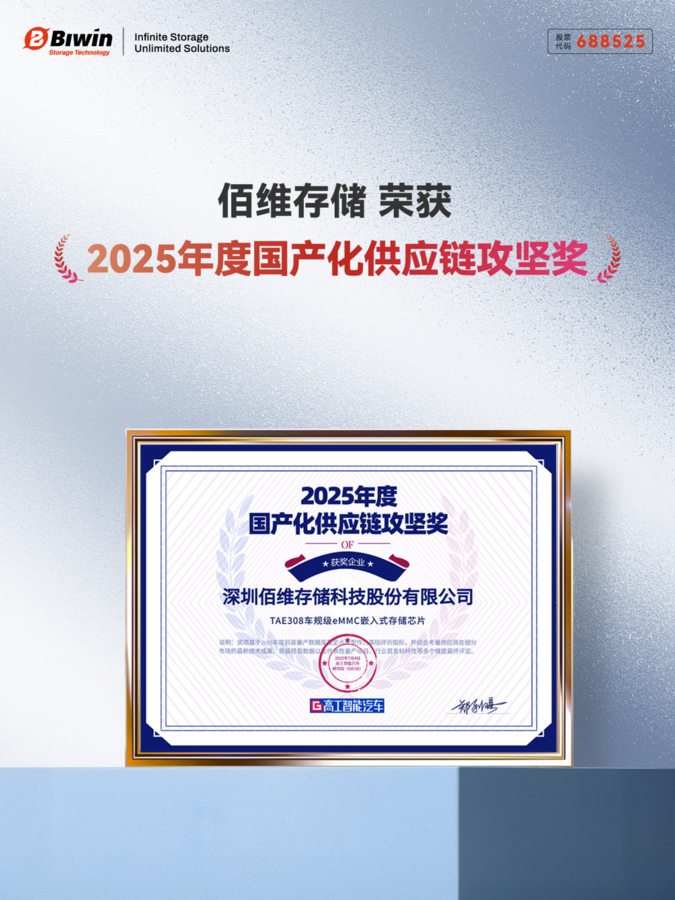
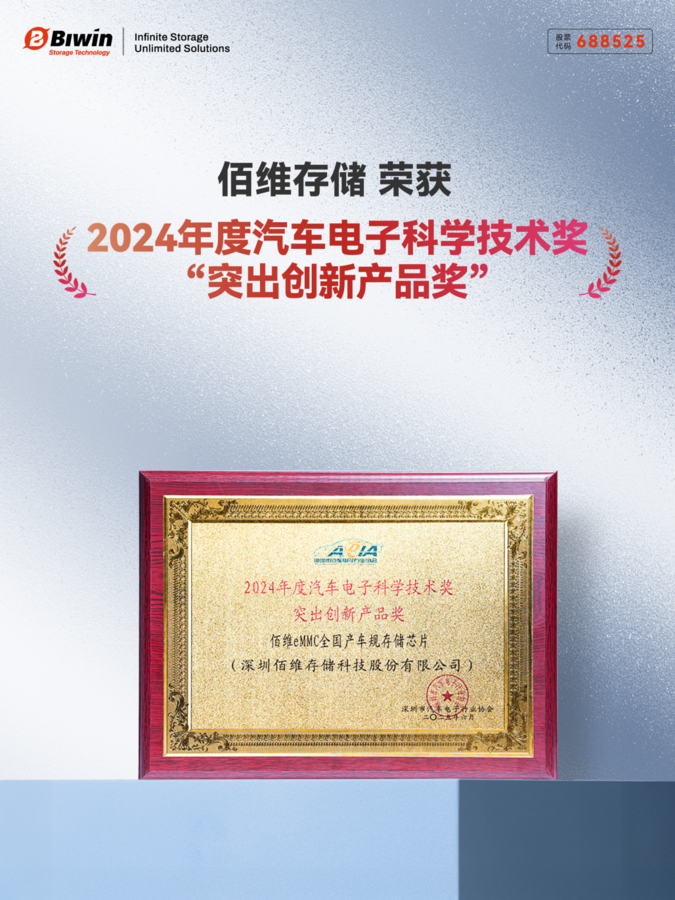
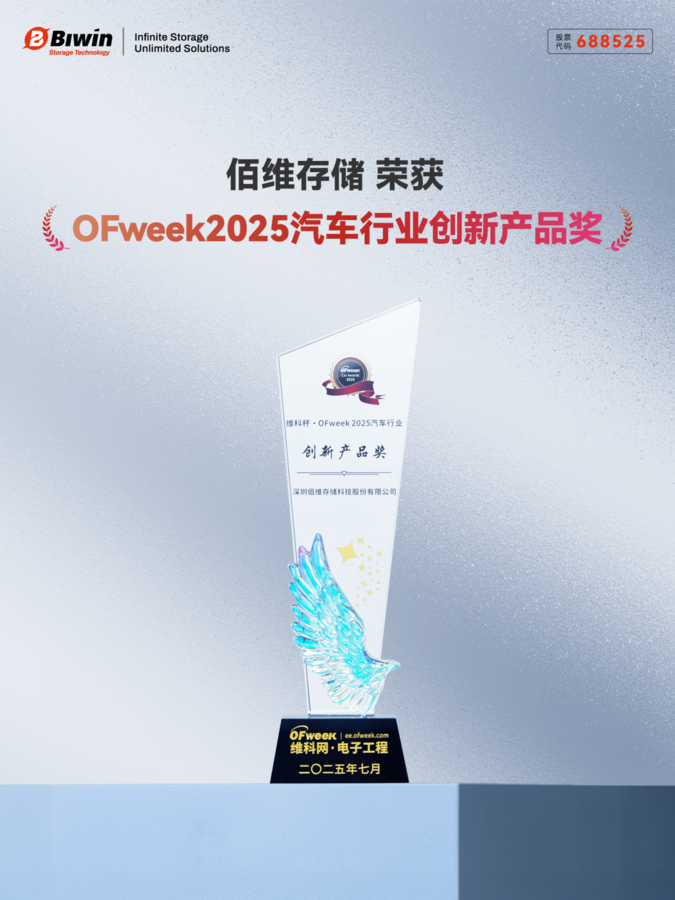
Recently, Baiwei’s automotive grade eMMC solution has won multiple authoritative industry awards, including the “2025 Domestic Supply Chain Breakthrough Award” issued by High-Tech Automotive, the “2024 Automotive Electronics Science and Technology Award – Outstanding Innovative Product Award” granted by the Shenzhen Automotive Electronics Industry Association, and the “2025 Automotive Industry Innovative Product Award” selected by Weike Network. Notably, Baiwei Storage is the only storage manufacturer listed in this year’s High-Tech Automotive rankings, showcasing the industry’s high recognition of Baiwei’s automotive storage technology strength, product innovation, and market value.
Baiwei’s automotive grade eMMC series products provide a fully domestic solution with TAE308 full domestic scheme and TAE318 small capacity scheme, meeting the diverse needs of smart vehicles for high-speed transmission, low latency, high reliability, and domestic alternatives. The entire series has passed AEC-Q100 automotive grade reliability certification, supports a wide temperature range of -40℃ to 105℃, and provides long-term stable supply assurance, widely applicable in key scenarios such as smart cockpits, autonomous driving, and in-vehicle infotainment systems (IVI).
【TAE 308|Fully Domestic, Unleashing Speed Potential】
Fully domestic solution: self-developed automotive grade main control + exclusive firmware algorithm + self-owned testing and manufacturing, achieving 100% independent and controllable domestic supply chain;
High-speed transmission: capacity range of 64GB to 128GB, with sequential read and write speeds up to 330/220 (MB/s), equipped with HS400 high-speed interface, meeting fast response and large data throughput needs;
Safe and reliable: complies with JEDEC eMMC 5.1 standards, compatible with mainstream domestic vehicle SoC platforms, supporting the safety of the smart automotive industry chain;
Complete functionality: supports FFU firmware upgrades, Boot Partition startup partition, RPMB secure storage, fully adapting to complex and vibration-prone in-vehicle applications;
Highly customizable: multiple proprietary firmware algorithms can be customized and optimized for different automakers and scenarios.
【TAE 318|High Efficiency, Lightweight System Preferred】
Flexible capacity: 8GB to 32GB capacity options, precisely matching lightweight vehicle systems and cost optimization needs;
Ultra-low power consumption: standby current ≤ 100μA, effectively reducing the vehicle’s static power consumption and extending battery life;
Extremely reliable: MTBF ≥ 30 million hours, ensuring long-term stable operation of critical functional modules;
Performance optimization: based on independent startup partitions and firmware optimization, improving startup and loading speeds for lightweight applications such as dashboards, achieving a smooth driving experience;
Widely compatible: compatible with various lightweight vehicle operating systems and mainstream SoC platforms, reducing system integration TCO.
Typical applications: smart cockpits, in-vehicle IVI, central control systems, navigation systems, autonomous driving, dashboards, T-BOX, domain controllers.
(Baiwei Storage)
Hot Topics:
1.President of Domestic Chip Leader Under Investigation, What Happened?2.Breaking! Two Domestic Semiconductor Companies Go Bankrupt!3.Chinese Smartphone Giant Banned from Sale in India!4.Is the Era of “Chip for Equity” Beginning? Details of U.S. Government’s Stake in Intel Exposed5.CEO Flees! AI Company Valued at 7 Billion Seeks Acquisition
6.Domestic Lithography Equipment, Mass Introduced to Leading Enterprises!
7.Rumor Has It That NVIDIA is Building Stronger AI Chips for China, Performance Exceeds H20
8.Suspended! Huahong Semiconductor Announces Acquisition of Huali Micro;

Share

Like

Watching