Embedded systems are a core component of modern technology, widely used in smart homes, industrial control, automotive electronics, medical devices, and more. For beginners, mastering embedded development requires a systematic learning path.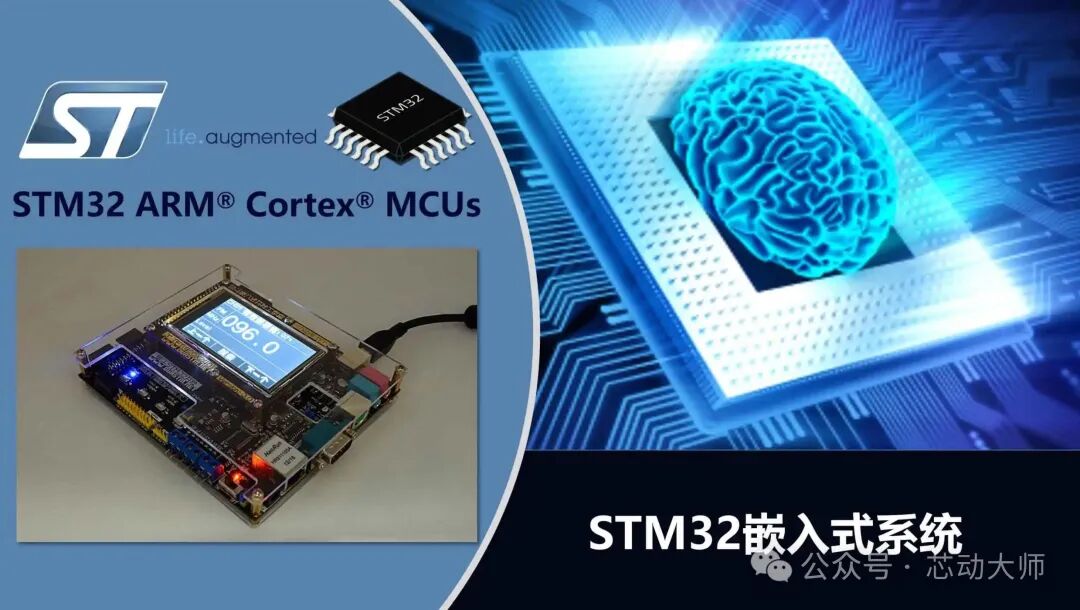
1. Basic Preparation Stage (1-2 months)
-
Fundamentals of Electronic Circuits
-
Master basic circuit components: resistors, capacitors, inductors, diodes, transistors, etc.
-
Understand the basics of digital circuits: AND, OR, NOT gates, flip-flops, registers, etc.
-
Learn to use basic instruments such as multimeters and oscilloscopes.
C Programming
-
Proficiently master the basic syntax of C: variables, operators, control structures.
-
Focus on pointers, structures, bit manipulation, and other commonly used embedded features.
-
Understand memory management and modular programming concepts.
Computer Organization Principles
-
Understand CPU operation principles and architecture.
-
Master memory hierarchy.
-
Understand concepts such as buses, interrupts, and DMA.
2. Microcontroller Learning Stage (2-3 months)
-
Select an Entry-Level Platform
-
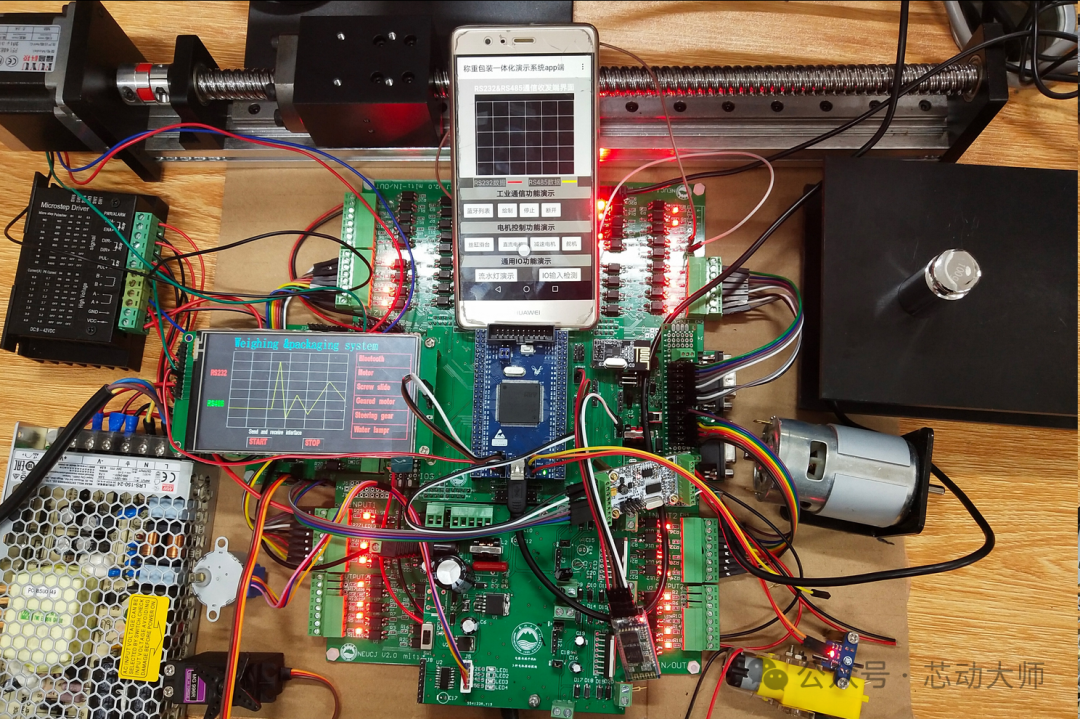
It is recommended to start learning with the 51 microcontroller or STM32.
-
Understand the development environment setup (Keil, IAR, or STM32CubeIDE).
GPIO Control
-
Learn pin input/output configuration.
-
Master the driving of peripherals such as LEDs and buttons.
-
Understand the principles of pull-up/pull-down resistors.
Interrupt System
-
Master external interrupt configuration.
-
Understand interrupt priority and nesting.
-
Learn timer interrupt applications.
Common Peripheral Drivers
-
UART serial communication.
-
PWM output and applications.
-
ADC analog-to-digital conversion.
-
I2C/SPI bus protocols.
3. Advanced Development Stage (3-6 months)
-
Real-Time Operating Systems (RTOS)
-
Learn the basic principles of FreeRTOS or uC/OS.
-
Master task creation and scheduling.
-
Understand communication mechanisms such as semaphores and message queues.
Hardware Interface Expansion
-
LCD display driver.
-
Touchscreen control.
-
Various sensor interfaces (temperature and humidity, acceleration, etc.).
Low Power Design
-
Master sleep mode configuration.
-
Understand wake-up source settings.
-
Learn power management techniques.
Debugging and Optimization
-
Proficiently use JTAG/SWD debugging.
-
Master performance analysis methods.
-
Learn code optimization techniques.
4. Project Practical Stage
-
Small Project Practice
-
Smart home controller.
-
Data acquisition system.
-
Simple robot control.
Participate in Open Source Projects
-
Participate in embedded open source projects through platforms like GitHub.
-
Learn coding standards and collaborative development.
Continuous Learning Directions
-
Linux embedded development.
-
IoT protocol stacks (MQTT, CoAP, etc.).
-
Artificial intelligence edge computing.
Recommended Learning Resources
-
Books:
-
“C Primer Plus”
-
“Embedded System Design and Implementation”
-
“STM32 Library Development Practical Guide”
Development Boards:
-
51 development board (e.g., STC89C52).
-
STM32F103 series development board.
-
Raspberry Pi (for advanced learning).
Online Resources:
-
Zhengtian Atom/Yehuo tutorials.
-
ST official documentation.
-
GitHub embedded open source projects.
Learning embedded systems is a gradual process. It is recommended to start with simple 8-bit microcontrollers and gradually transition to 32-bit ARM processors. Theoretical learning should be combined with practice to consolidate knowledge through actual projects. Maintaining a continuous learning attitude and keeping up with new technological developments in the industry is essential to remain competitive in this rapidly changing field.<strong><strong><img alt="Beginner's Guide to Learning Embedded Systems" src="https://boardor.com/wp-content/uploads/2025/11/c84ff1d0-7986-43a2-95ec-bb58899cf44f.png"/><p><span>Follow our public account to receive article updates in real-time.</span></p><span><code><strong><p><span><span><span><span>Friends who are interested can follow my public account and reply to add WeChat.</span></span></span></span></p></strong>Good things are meant to be shared.If you think this content is good, please forward or share it to your circle of friends.
Copyright statement: The content of Xindong Master, whether original or reprinted, is owned by the original author, and the views only represent the author's personal opinion. Xindong Master is only for knowledge sharing. If you need to reprint or quote, please contact the original author. Xindong Master cites online articles, all of which are credited to the source and author, except for untraceable articles. If there are any objections, please contact us.Disclaimer: All articles, images, audio, video files, and other materials reprinted by this public account are owned by the copyright holder (those whose copyright cannot be verified or not indicated are collected from the internet). If there is any infringement, please contact us for deletion. The purpose of reprinting is to convey more information and does not represent the views of this public account.