The photovoltaic adhesive film, as the core encapsulation material of photovoltaic modules, directly affects the lifespan, power generation efficiency, and reliability of the modules. In recent years, as the photovoltaic industry enters a phase of large-scale and efficient development, automated production equipment for adhesive films has increasingly become a key force in enhancing the quality and efficiency of the industry.
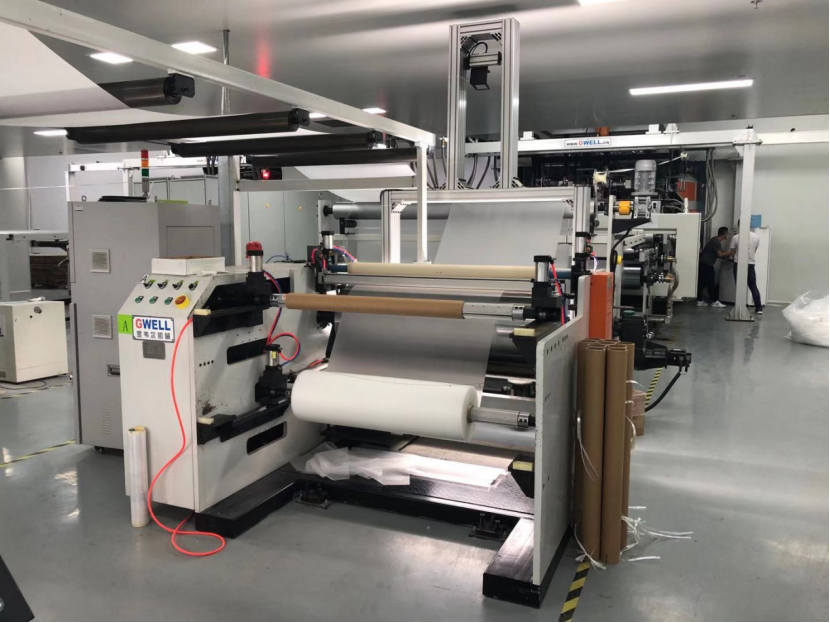
Before the widespread application of automation equipment, the production of photovoltaic adhesive films relied heavily on manual or semi-automated operations, resulting in low production efficiency and difficulty in ensuring product consistency. Today, fully automated batching systems, multi-layer co-extrusion production lines, online visual inspection, and automatic winding and packaging equipment have gradually become standard configurations on production lines, significantly improving the precision and capacity of adhesive film production.
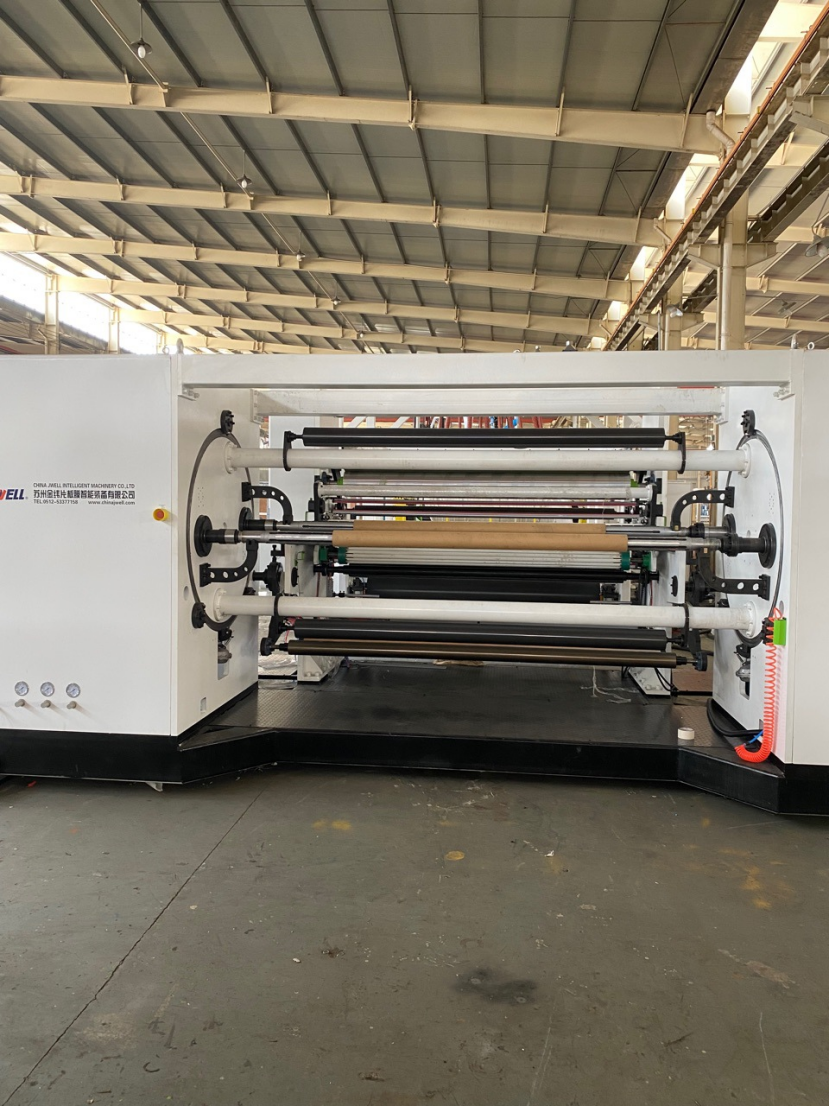
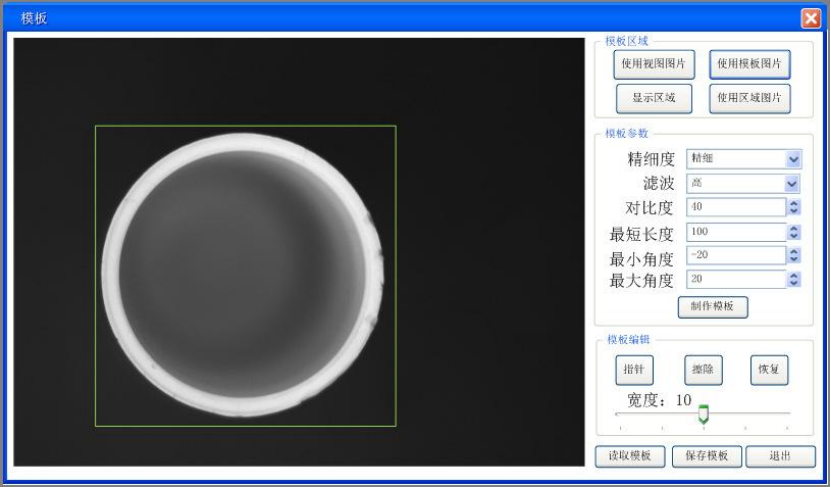
Intelligent manufacturing is becoming the development direction for the next generation of adhesive film equipment. By integrating MES systems, real-time data monitoring, and adaptive control technologies, the equipment can achieve dynamic optimization of process parameters, fault prediction, and remote operation and maintenance, effectively reducing manual intervention and significantly lowering unit energy consumption and material waste.
Looking to the future, manufacturers of photovoltaic adhesive film equipment are actively promoting flexible production capabilities to meet the high-speed switching demands of different materials such as POE, EPE, and VA. The modular design concept is also gradually permeating, allowing production lines to be flexibly adjusted to respond to diverse product specifications and order changes.
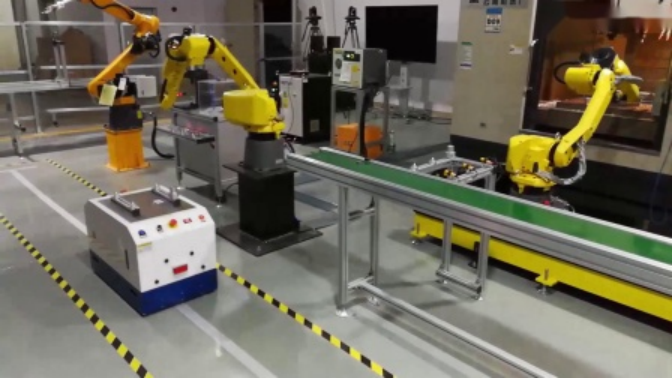
In addition to improving production efficiency, automated equipment also provides solid support for product innovation in adhesive films. For example, high water resistance and high weather resistance adhesive films suitable for N-type modules and perovskite tandem modules require more precise extrusion and molding processes, all of which rely on highly automated production guarantees.
The concept of sustainable development is also driving technological upgrades in equipment. The application of environmentally friendly adhesive film materials requires production equipment to have low volatile organic compound control capabilities; meanwhile, the integration of energy-saving motors and thermal recovery systems is gradually becoming the new standard in the industry.
Currently, the domestic photovoltaic adhesive film equipment manufacturing industry has strong technical integration and complete line delivery capabilities. Some companies have achieved technological breakthroughs in key areas such as extrusion die design and casting molding, and the competitiveness of domestic equipment in the global market continues to strengthen.
It is foreseeable that as the scale of photovoltaic installations continues to expand and battery technologies iterate, automated production equipment for adhesive films will further evolve towards high speed, high precision, and integration, injecting strong momentum into cost reduction, efficiency enhancement, and quality upgrades across the entire photovoltaic industry.
If you are a technical expert, equipment manufacturer, material researcher, or industry observer in the field of photovoltaic adhesive films, you are welcome to join the 【China Photovoltaic Adhesive Film Technology Exchange Group】 to discuss industry trends, share technical insights, and expand cooperation opportunities!
Here, you will gain access to cutting-edge technology dynamics, supply and demand information exchange, professional Q&A, and work together with peers to promote innovation and development in photovoltaic adhesive film technology. Scan the code to join, progress together, and win a green future!