The Chinese PCB (Printed Circuit Board) market is the largest producer globally, accounting for over 60% of global capacity. By 2024, the total output value of the global PCB industry is expected to reach $73.565 billion, with mainland China accounting for more than 55%.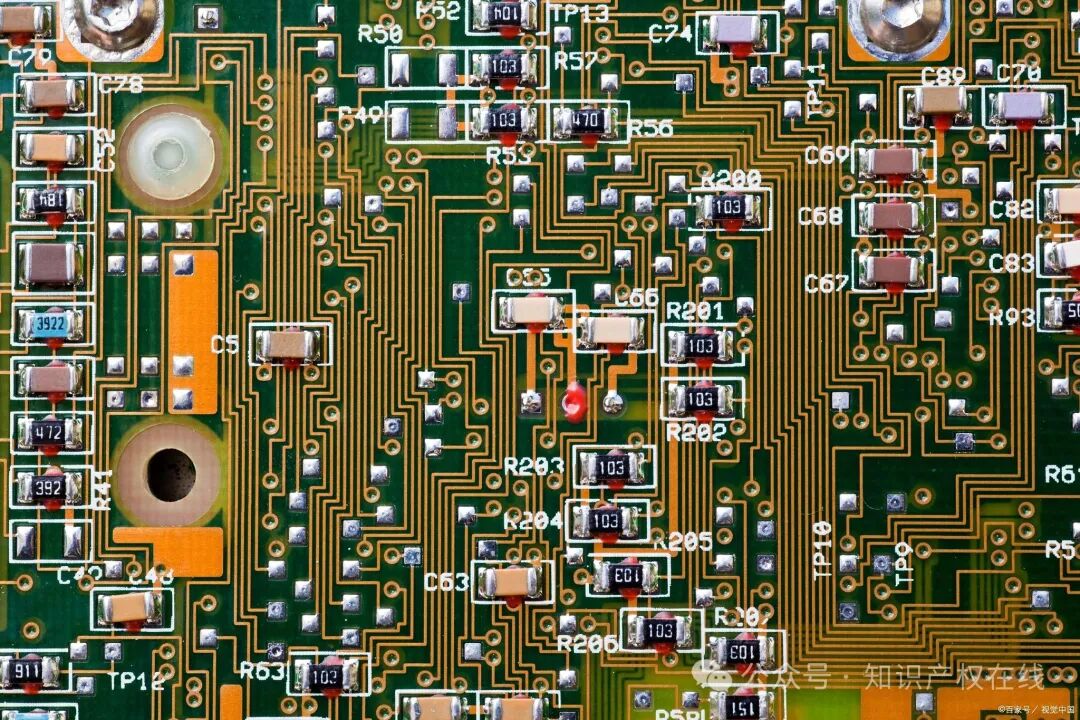
1. Industry Status
1. Market Size
In 2024, the global PCB market size is expected to grow by 5.8% year-on-year, reaching $94.661 billion by 2029, with an average annual compound growth rate of 5.2%.
2. Policy Support
The Ministry of Industry and Information Technology and other departments have issued multiple policies to promote the development of high-frequency, high-speed, and high-density printed circuit boards, focusing on supporting fields such as smart terminals, 5G communication, and new energy vehicles.
3. Competitive Landscape
Chinese PCB companies have ranked first globally for eight consecutive years. In 2024, the top 100 companies in the industry are expected to generate a total revenue of 347.987 billion yuan, a year-on-year increase of 12.38%, with domestic companies accounting for 52.08%.
2. Market Overview
1. Technology Upgrade Trends
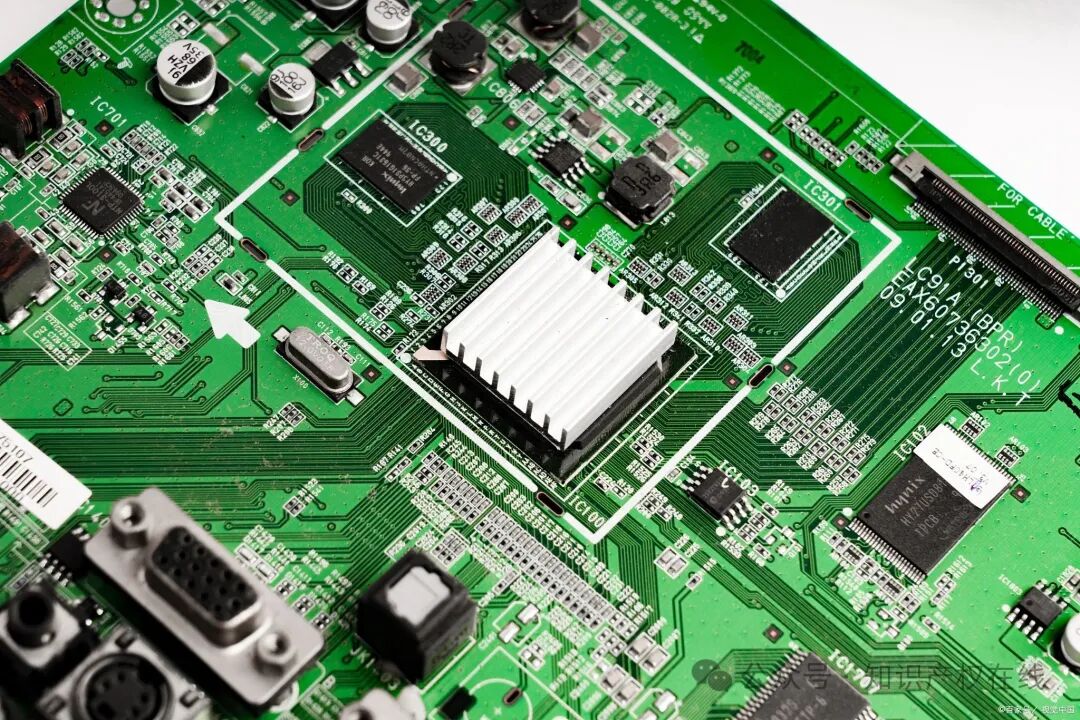
The demand for AI servers and automotive electronics is driving the development of multilayer boards with more than 18 layers, HDI (High-Density Interconnect), and packaging substrates. For example, AI server PCBs require more than 30 layers, and M8/M10 copper-clad laminates have become mainstream, with single board prices reaching $400-900.
2. Capacity Layout
Leading companies are accelerating their expansion into Southeast Asia, such as Shenghong Technology’s factory in Thailand and Huadian’s 4.3 billion yuan high-end PCB project.
3. Analysis of Listed Companies
1. Leading Enterprises
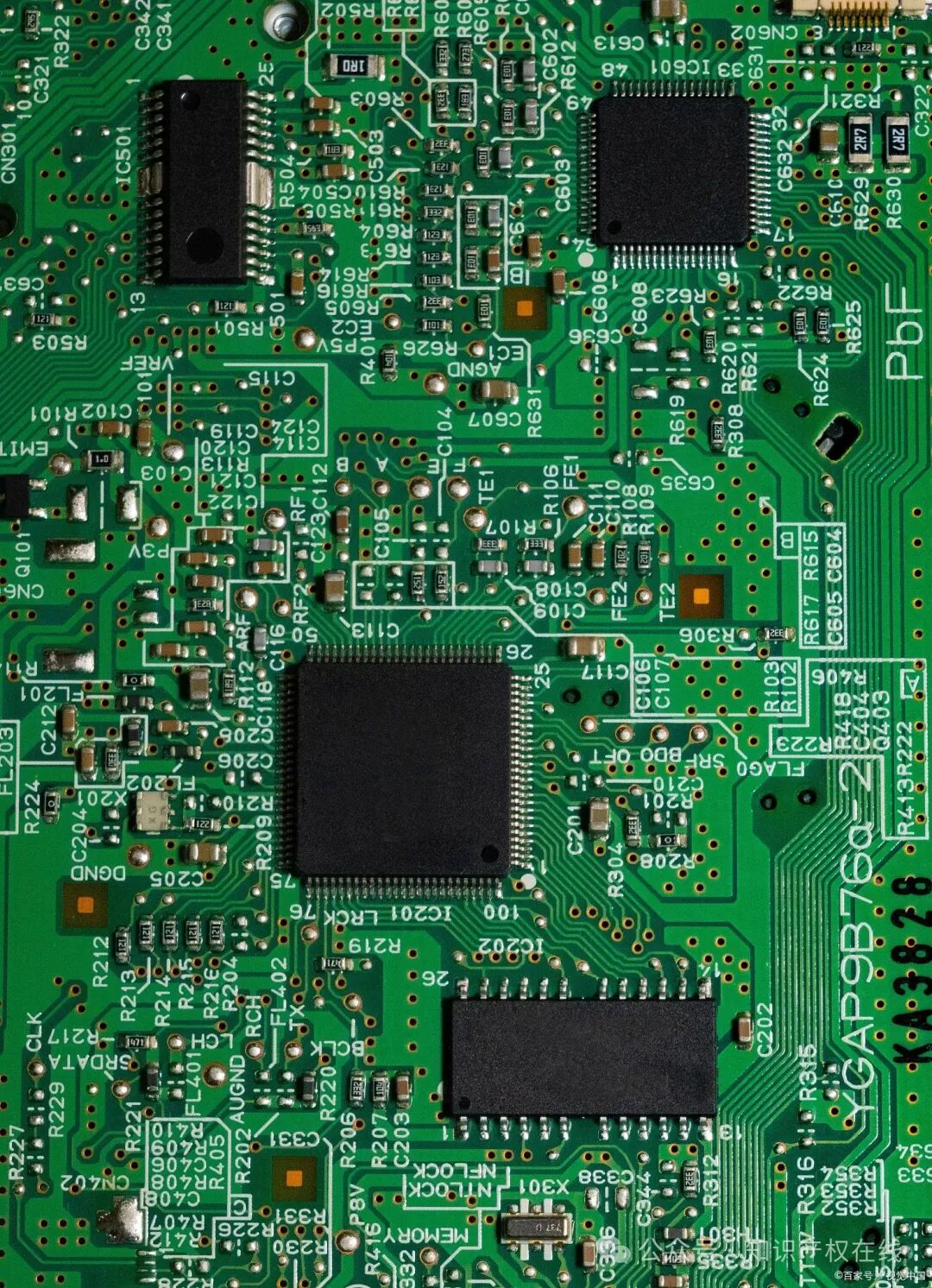
Huadian: Core supplier of NVIDIA’s GB200 server motherboard, with a yield rate of over 95% for 40-layer five-stage HDI. In 2024, the revenue from AI server PCBs is expected to account for 79%.
Shennan Circuit: Founded in the 1980s, it is part of the China Aviation Industry Group and focuses on the R&D of high-end printed circuit boards. In 2024, revenue is expected to reach 17.907 billion yuan, a year-on-year increase of 32.39%. Supplier of AMD packaging substrates, with a yield rate of 93% for 32-layer PTFE substrates, and a rare domestic ABF substrate.
Shenghong Technology: Mainly engaged in high-density interconnect boards (HDI), revenue for 2024 has not been disclosed, but the industry is growing significantly. It is expected that by 2029, the Chinese PCB market size will reach $49.704 billion.Holds about 50% of the global market share for PCBs used in NVIDIA GPUs, mass-producing 70-layer high-precision boards, with a year-on-year net profit increase of 300% expected in Q1 2025.
Pengding Holdings: The world’s largest PCB revenue company, a core supplier for Apple, leading the FPC market for foldable smartphones.Founded in 1993 and headquartered in Shenzhen, it specializes in rigid, flexible, and rigid-flex circuit boards. In 2024, revenue from automotive electronics is expected to reach 5.8 billion yuan, a year-on-year increase of 33%, making it the largest automotive PCB supplier globally.
Jingwang Electronics: Recently, the stock price has fluctuated significantly, with abnormal fluctuations in May 2025 due to the controlling shareholder’s reduction plan, but the company continues to promote high-end capacity layout, including the third phase project in Longchuan, Thailand, and domestically.
Dongshan Precision: One of the leading companies in the domestic PCB industry, with business covering communication, consumer electronics, and other fields.
2. Regional Distribution
Guangdong Province concentrates more than half of the listed companies (such as Shenghong Technology and Pengding Holdings), with representative companies also in Jiangsu, Jiangxi, and other regions.
3. Newly Listed Companies
In 2024, Guanghe Technology (001389), Qiangda Circuit (301628), and others will be listed on the main board/ChiNext, focusing on high-precision fields such as servers and automotive electronics.
4. Industry Challenges and Opportunities
1. Acceleration of Domestic Production
The national “14th Five-Year Plan” promotes the localization of high-end PCBs, with demand for AI servers and automotive electronics growing at an annual rate of over 30%.
2. Material Innovation
Companies like Chuangzhi Xilian are filling the gap in wet process plating materials.
5. Development Trends
1. Technology Upgrades Drive High-End Demand
AI servers and high-performance computing
AI servers are driving the demand for multilayer boards with more than 30 layers, HDI, and packaging substrates, with M8/M10 copper-clad laminates becoming mainstream materials, and single board prices reaching $400-900. Companies like Huadian and Shennan Circuit have already achieved mass production of high-precision boards with more than 40 layers.
Automotive electronics and new energy vehicles
Intelligent driving systems are driving the demand for high-frequency, high-speed PCBs, with the market size for automotive radar and camera module PCBs growing at an annual rate of over 25%.
2. Localization and Innovation in the Industry Chain
Material breakthroughs
The localization rate of copper-clad laminates has increased to 70%, and the application of low-loss dielectric materials (such as PTFE) in 5G base stations is accelerating.
Self-controllable equipment
By 2025, the market size of China’s PCB equipment is expected to reach 32.4 billion yuan, with the localization rate of core equipment such as laser drilling machines and AOI inspection equipment exceeding 50%.
3. Market Size and Regional Layout
Global and Chinese Markets
By 2025, the global PCB market size is expected to reach $96.8 billion, with China’s share increasing to 45%, reaching 433.3 billion yuan.
Capacity Transfer
Leading companies are accelerating their layout in Southeast Asia, such as Shenghong Technology’s factory in Thailand and Huadian’s 4.3 billion yuan high-end project.
4. Green Manufacturing and Process Innovation
The reduction of copper and waste processes is becoming widespread, with lead-free solder technology coverage exceeding 80%.
Embedded component technology (EPi) has increased its penetration rate to 15% in the industrial control field.
6. Conclusion
The Chinese PCB market will develop around three main lines: “high-end (AI/automotive electronics), localization (materials/equipment), and greening.” Technical barriers and economies of scale will further concentrate in leading enterprises.
The rapid development of artificial intelligence, 5G communication, and new energy vehicles will drive the growth of PCB demand, especially high-frequency, high-speed, and high-density printed circuit boards becoming the focus of industry upgrades. (END)
(Investment carries risks; this article is for communication and learning purposes only and does not constitute investment advice)