This is a comprehensive guide about SOC analysts! A must-read for cybersecurity professionals.Everything you want to know about what a SOC analyst is, their main responsibilities, key skills, how to become a SOC analyst, career paths, importance, average salary, authoritative SOC certifications, job descriptions, benefits, and common FAQs, all in one article! 01What is a SOC Analyst?
A SOC analyst is a key figure in the field of cybersecurity, belonging to a specialized Security Operations Center (SOC) team or organization. These professionals are responsible for closely monitoring potential threats, quickly identifying vulnerabilities, and responding to security incidents. SOC analysts are the first line of defense against cyberattacks, helping to maintain the security and reliability of an organization’s digital environment.
02Main Responsibilities of a SOC Analyst
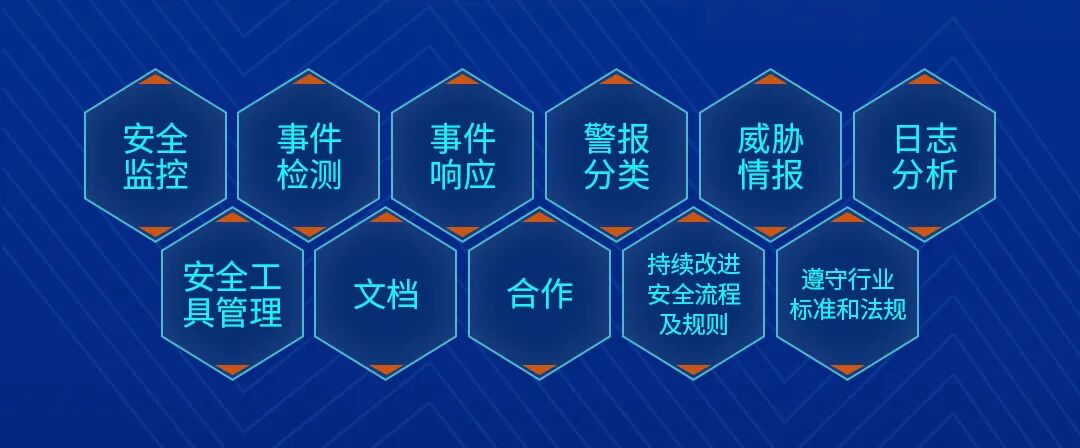
SOC analysts are responsible for various tasks to ensure the security of an organization’s digital assets. Here are some core responsibilities managed by SOC analysts on a daily basis:
 03Key Skills for SOC Analysts
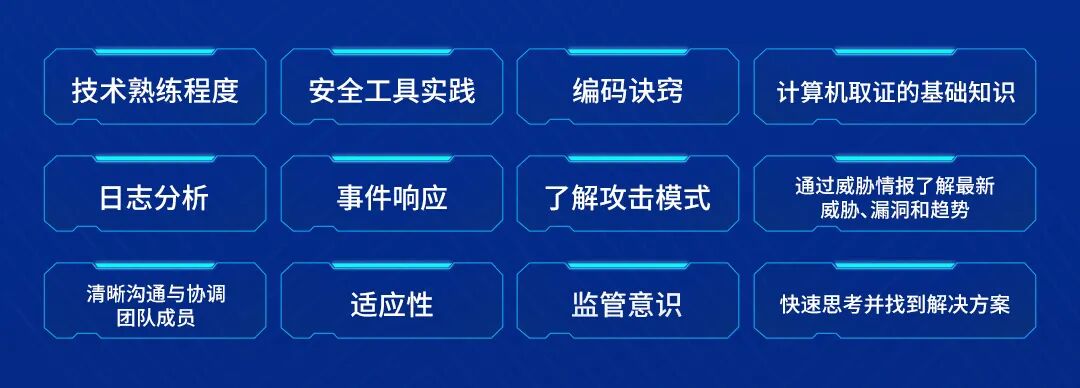
To become a successful SOC analyst, solid technical knowledge and adaptability are crucial. Here are some top skills that help SOC analysts thrive:
 04How Can I Become a SOC Analyst?
Education: While not always required, having a bachelor’s degree in cybersecurity, computer science, IT, or a related field can give you an edge in the job market and make you more competitive.
Hands-on Experience: Gaining practical experience is essential. Look for internships, entry-level positions, or even volunteer work in the cybersecurity field. These opportunities will help you gain practical knowledge of security tools and processes, enhancing your resume.
Develop Key Skills: Spend time learning programming, log analysis, and how to use security tools. Practical exercises such as Capture The Flag (CTF) challenges or online labs can help you test your skills in real-world scenarios.
Stay Informed: Cybersecurity technologies are constantly evolving, so it’s crucial to stay updated on new threats and trends. Follow industry news, read cybersecurity blogs, and attend cybersecurity conferences or webinars.
Get Certified: Earning certifications can demonstrate your expertise and commitment to the field. Consider obtaining certifications like OffSec’s Offensive Security Certified Analyst (OSDA) to show your seriousness about the profession.
Continue Learning: Cybersecurity is not a field you learn once and for all. You can continue to grow by pursuing advanced certifications and exploring specialized areas such as threat hunting, incident response, or security tool management.
Network with Others: Join professional organizations or cybersecurity communities, whether online or offline. Building connections is a great way to learn from experienced individuals and find job opportunities.
05Career Path of a SOC Analyst
Security Operations Centers (SOC) typically organize their analysts into different tiers to manage various aspects of cybersecurity:
-
Tier 1 SOC Analyst: Security analysts at this level are responsible for daily monitoring and alert classification. They review the latest SIEM alerts to determine their relevance and urgency.
-
Tier 2 SOC Analyst: Tier 2 analysts are responsible for deciding the best course of action in response to cyberattacks. These professionals assess the severity of any attacks reported by Tier 1 analysts and initiate the most appropriate recovery procedures.
-
Tier 3 SOC Analyst: This level focuses on staying ahead of potential threats and proactively tracking them. These experts actively seek vulnerabilities, study new threat patterns, and create innovative solutions to address emerging threats.
-
SOC Manager: SOC managers are responsible for coordinating and determining specific measures for incident handling, ensuring that incidents are controlled and fully understood. They also communicate any additional needs during serious incidents to stakeholders both inside and outside the organization.
06Why SOC Analysts Are So Important
SOC (Security Operations Center) analysts play a crucial role in the field of cybersecurity and the overall security posture of organizations for the following reasons:
Early Threat Detection: SOC analysts continuously monitor the organization’s IT environment, networks, and systems to detect anomalies or suspicious activities. Early detection of potential security threats can prevent cyberattacks from escalating and causing significant damage.
Incident Response: When security incidents occur, SOC analysts play a vital role in responding quickly and effectively. They investigate incidents, contain threats, and mitigate their impact, reducing downtime and data loss.
Data Protection: SOC analysts protect an organization’s sensitive data and intellectual property by identifying and mitigating threats. This helps maintain the organization’s reputation and financial health.
Compliance: Many industries and organizations are bound by regulations and compliance standards. SOC analysts help ensure that organizations adhere to these requirements, avoiding potential legal and financial consequences.
Risk Management: By identifying vulnerabilities and potential risks, SOC analysts enable organizations to prioritize security investments and take proactive measures to reduce vulnerabilities and minimize the likelihood of security breaches.
Preventive Measures: SOC analysts proactively enhance the organization’s security posture. They leverage threat intelligence to anticipate and respond to emerging threats, making it harder for cybercriminals to exploit vulnerabilities.
Business Continuity: SOC analysts promote business continuity by minimizing the impact of security incidents and ensuring that organizations can continue to operate smoothly.
07Average Salary of SOC Analysts
According to ZipRecruiter data, the average annual salary for SOC analysts in the United States is $96,392. Most professionals in this field typically earn between $66,000 and $126,500 per year. This indicates numerous opportunities for career advancement and salary increases, depending on factors such as skills, location, and years of experience.
08SOC Analyst Certifications
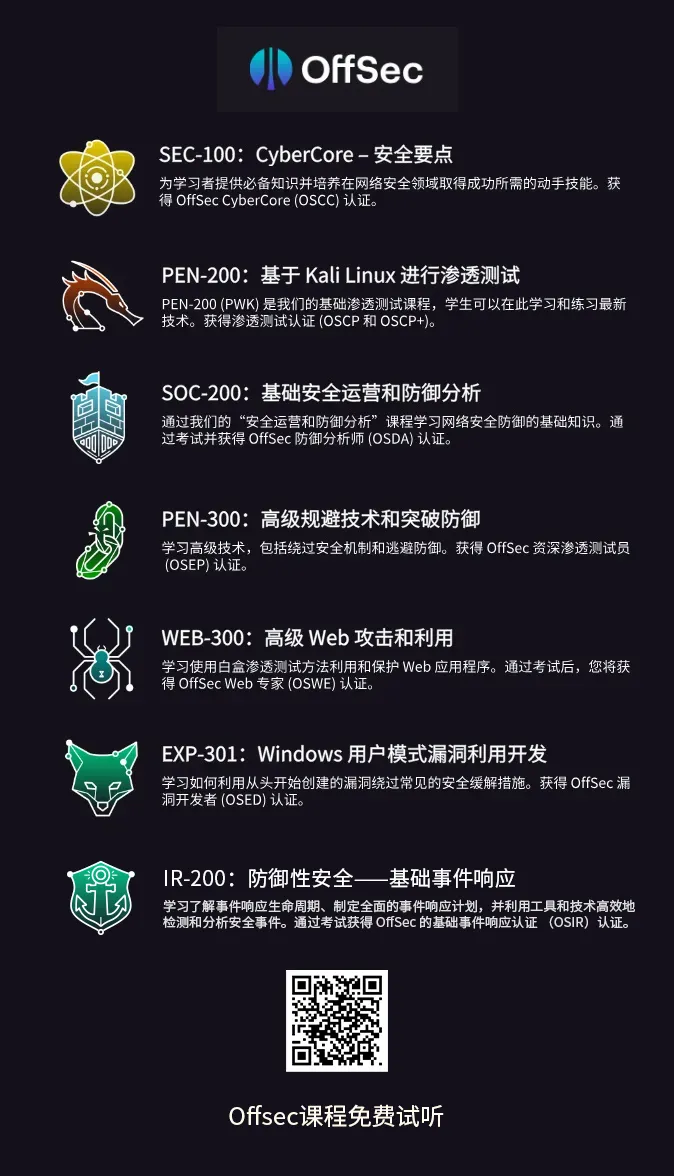
Among the many certifications available for SOC analysts, OffSec’s SOC-200: Security Operations and Defense Analysis stands out for its focus on the practical application of necessary skills.
SOC-200 is an introductory course covering: attacker methodologies, Windows endpoint logging and attacks (including Sysmon), Linux endpoint logging and attacks, network attacks, AV evasion, and of course, Active Directory topics such as enumeration, lateral movement, and persistence.
SOC-200 is designed for positions such as Security Operations Center (SOC) analysts, helping learners gain practical experience with SIEM and identify and assess various real-time end-to-end attacks against different network architectures.
The course features challenging labs. There are 12 challenge labs, each targeting different areas covered in the course, with various attack scenarios. Learners are tasked with detecting malicious activities at different stages of the attack and tracking the attackers’ activities. The complexity of the challenge labs gradually increases until the final stages, which closely resemble exam requirements.
Upon completing the course and passing the exam, learners will receive the OffSec Defensive Security Analyst (OSDA) certification, demonstrating their ability to detect and assess security incidents.
I highly recommend this course to anyone looking to develop or seek positions in blue team operations. It is also excellent for red team members who want to understand detection strategies better.
 Scan the code to experience the OSDA course for free
Overall, this is another great course from OffSec. It is perfect for anyone with IT experience looking to transition into the security field; of course, it also includesthose looking to enhance their skills as SOC or threat analysts,and red team members and penetration testers who want to better understand how blue teams view their activities.
09Example Job Description for SOC Analysts
Main Responsibilities
-
Monitor security alerts, events, and incidents in real-time using Security Information and Event Management (SIEM) and other security tools.
-
Perform initial classification of security alerts, assess their severity, and determine appropriate responses.
-
Investigate security incidents, identify root causes, and develop mitigation strategies.
-
Coordinate with cross-functional teams (including incident responders and system administrators) to contain and remediate security incidents.
-
Analyze network traffic, system logs, and other data sources to identify patterns and anomalies indicating security threats.
-
Stay informed about emerging cybersecurity threats and vulnerabilities through threat intelligence sources and research.
-
Assist in developing and implementing security policies, procedures, and best practices.
-
Create detailed incident reports and maintain accurate records of security incidents and their resolutions.
-
Participate in ongoing employee security awareness and training programs.
-
Conduct security assessments and vulnerability scans to proactively identify weaknesses in the organization’s infrastructure.
-
Collaborate with external partners and vendors to enhance security capabilities and incident response readiness.
010Benefits of Being a SOC Analyst
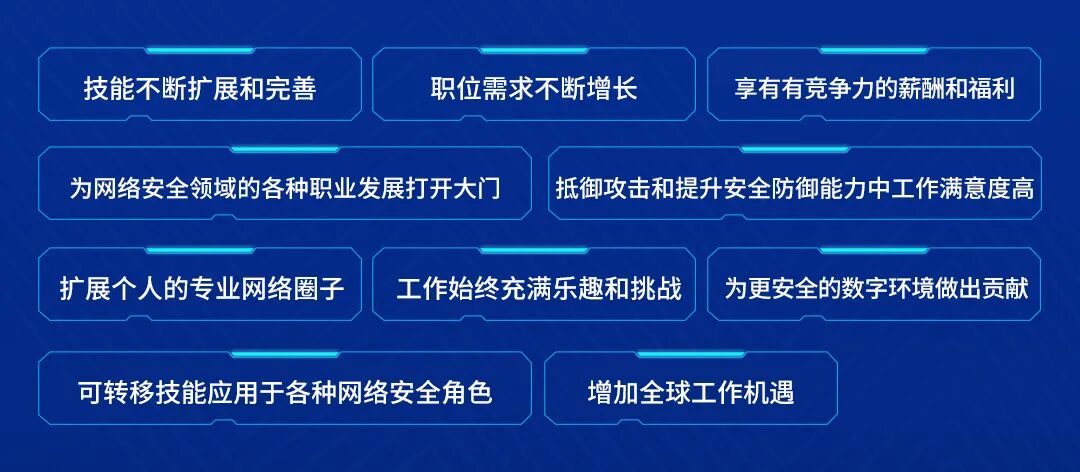
SOC analysts play a critical role in an organization’s cybersecurity posture. Becoming a SOC analyst can bring numerous benefits to individuals interested in the field of cybersecurity:
Original link:https://www.offsec.com/cybersecurity-roles/soc-analyst/#soc-analyst-certification
Both enterprise red and blue teams are learning! OffSec’s popular certifications help you find the right hacking upgrade path.
The cyber battlefield is upgrading, and possessing professional offensive and defensive capabilities is a hardcore ticket to entry.
What is the secret weapon that makes teams stand out in offensive and defensive practical exercises? A deep analysis of OSCP training.
Keep this attack and defense guide handy! What certifications to take is clear at a glance.