 The iQOO Z1 is a device focused on gaming entertainment and cost-effectiveness. Although it seems somewhat odd for a “gaming phone” to be equipped with a MediaTek processor, the customized Dimensity 1000 Plus from vivo is indeed one of the most competitive mid-range mobile processors currently available, with theoretical performance significantly surpassing that of Qualcomm’s Snapdragon 765G, Samsung’s Exynos 980, and HiSilicon’s Kirin 820. The 144Hz high refresh rate display is also one of the selling points of this phone; how does its screen color and performance hold up?
The iQOO Z1 features a 6.57-inch LCD screen, with the panel supplier reportedly being Tianma from China, although we have not verified this with our sample. The screen resolution is 2408×1080 pixels, 402ppi, with an RGB pixel arrangement. The edge detail of text is slightly more refined compared to the iPhone 11’s 326ppi standard. In the past, it was often said that LCDs are healthier due to no flicker, but now that users have become accustomed to AMOLED screens, they have started to complain about LCDs’ insufficient brightness or limited viewing angles. The maximum display refresh rate of 144Hz is already considered quite fast among mass-produced phones, but the touch refresh rate remains at 180Hz. The Z1 system supports an adaptive refresh rate mechanism, and some gaming applications may drop to 90Hz and 60Hz refresh rates, or adapt to the maximum frame rate supported by the game itself.
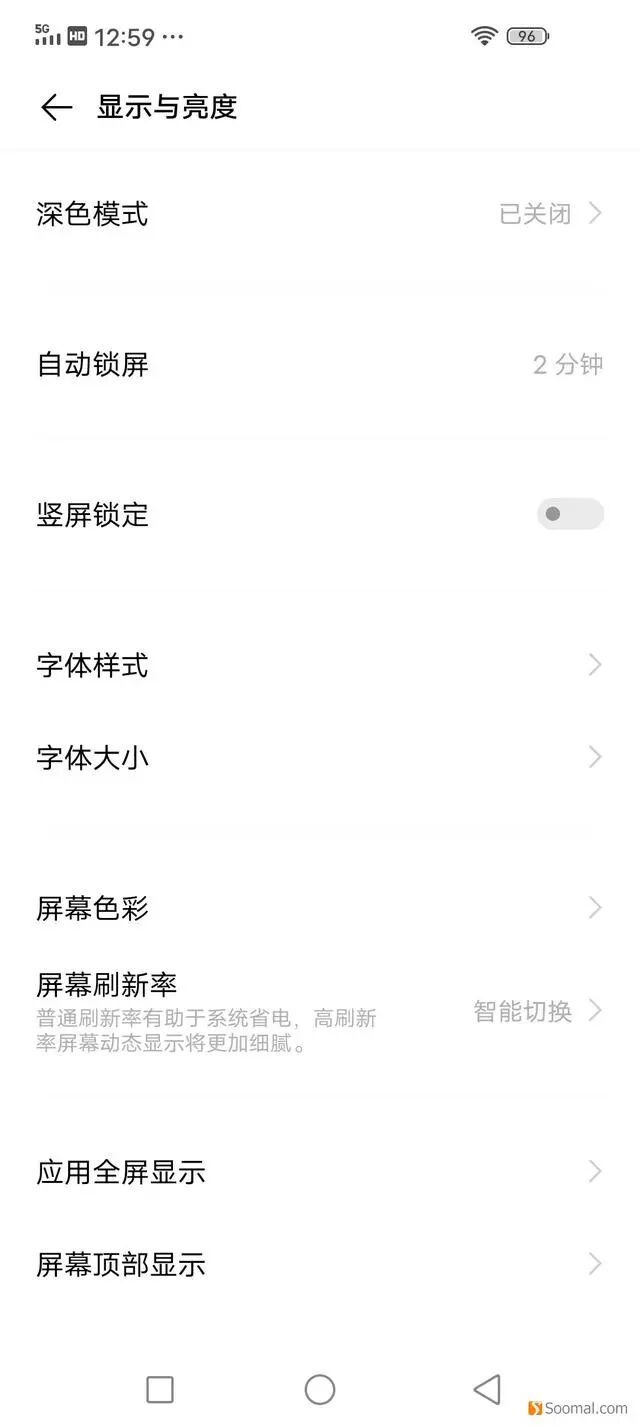
iQOO Z1 Smartphone – Screen Settings
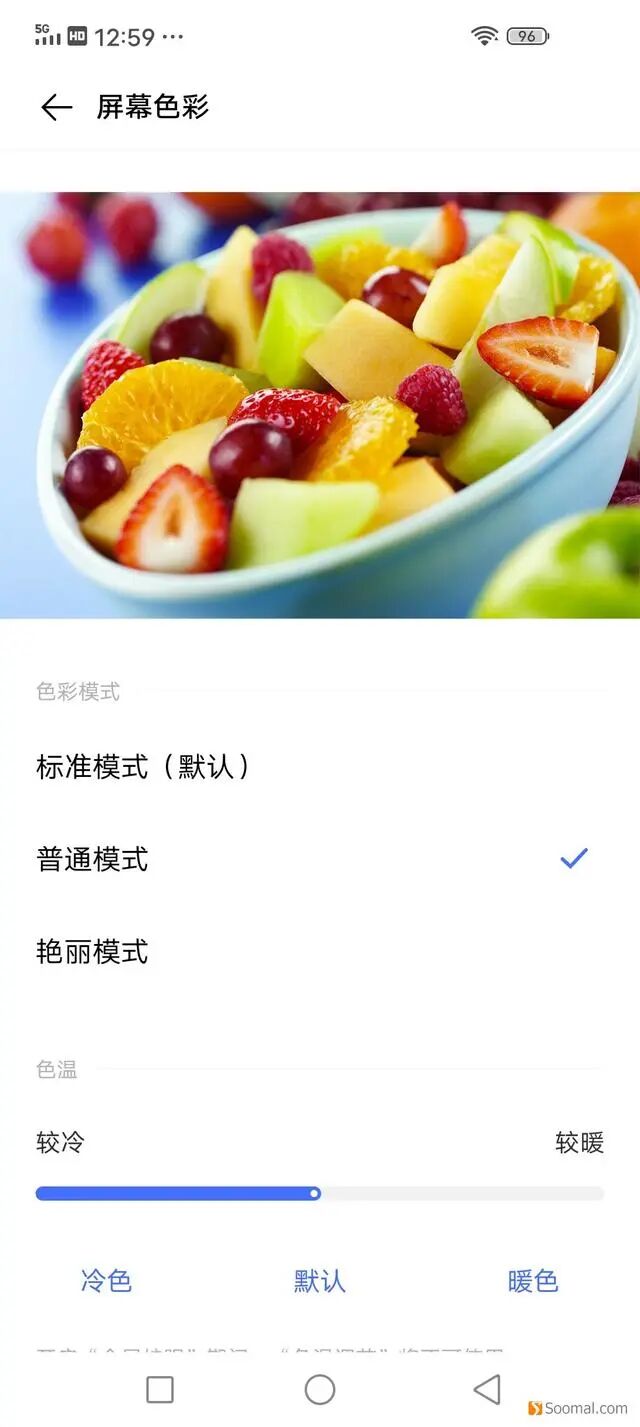
iQOO Z1 Smartphone – Color and Color Temperature Settings
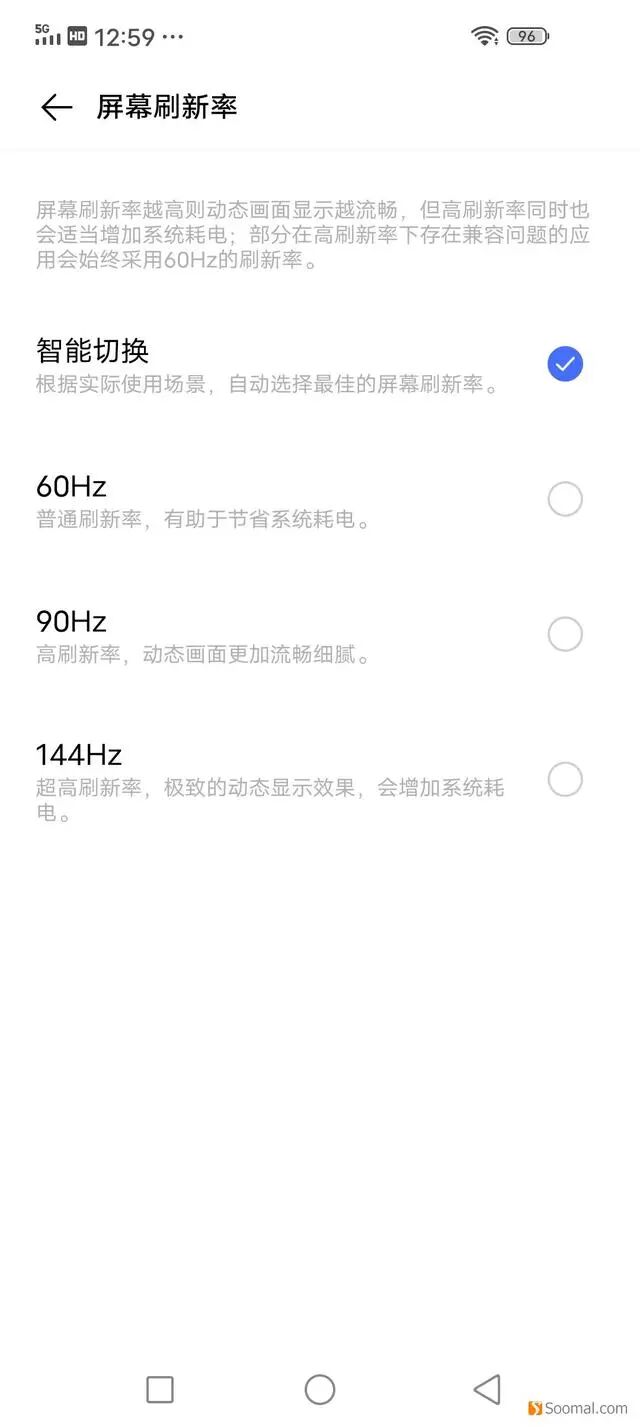
iQOO Z1 Smartphone – Refresh Rate Settings
The Z1 runs on the MonsterUI system based on Android 10, which is quite similar to FuntouchOS. The color management features are the same, with a default display in the P3 color gamut. In standard mode, the gallery supports ICC color management, and there is also a global sRGB ordinary mode available. Users who are concerned about battery life can manually select 60/90Hz display refresh rates to save power. As per usual, the objective screen metrics testing is completed using Portrait Displays Calman.
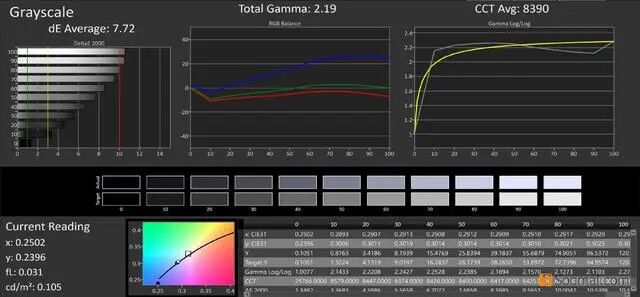
iQOO Z1 Smartphone – Screen Evaluation – Grayscale Test [Default]
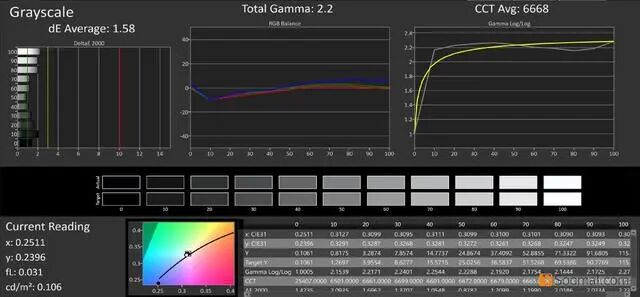
iQOO Z1 Smartphone – Screen Evaluation – Grayscale Test [Manual Color Temperature]
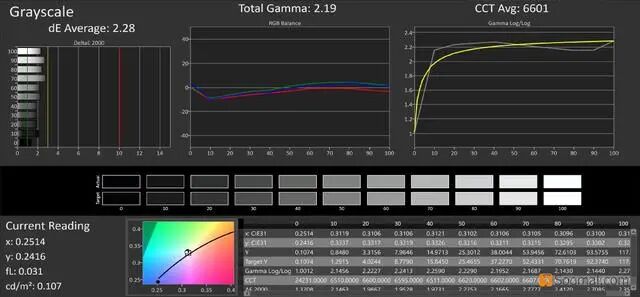
iQOO Z1 Smartphone – Screen Evaluation – Grayscale Test [Ordinary]
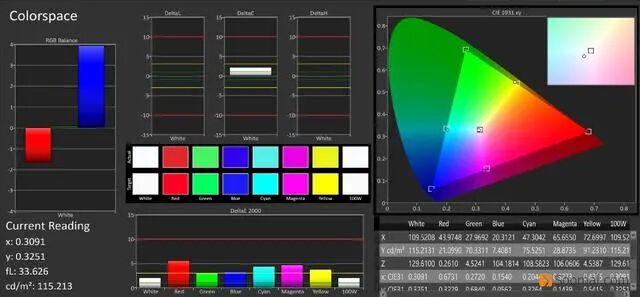
iQOO Z1 Smartphone – Screen Evaluation – Color Gamut Test [Standard, P3]
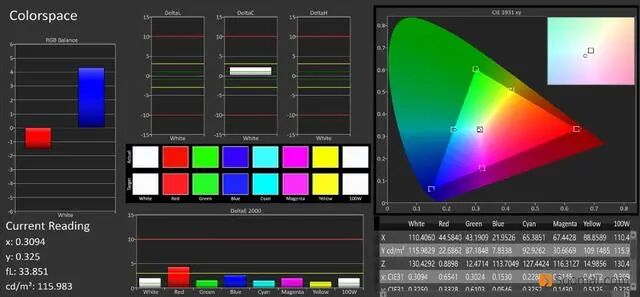
iQOO Z1 Smartphone – Screen Evaluation – Color Gamut Test [Standard, sRGB]
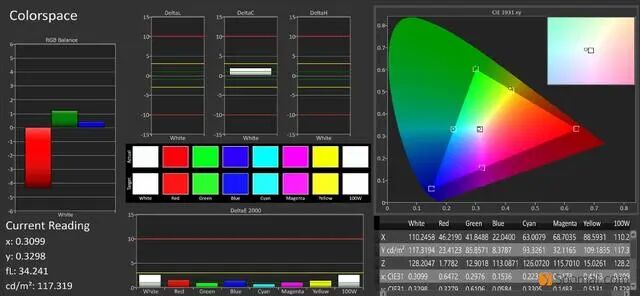
iQOO Z1 Smartphone – Screen Evaluation – Color Gamut Test [Ordinary, sRGB]
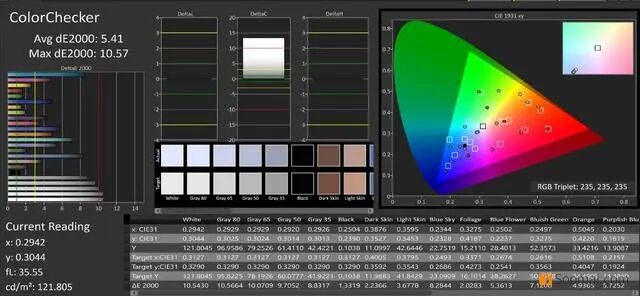
iQOO Z1 Smartphone – Screen Evaluation – Color Accuracy Test [Standard, Default Color Temperature]
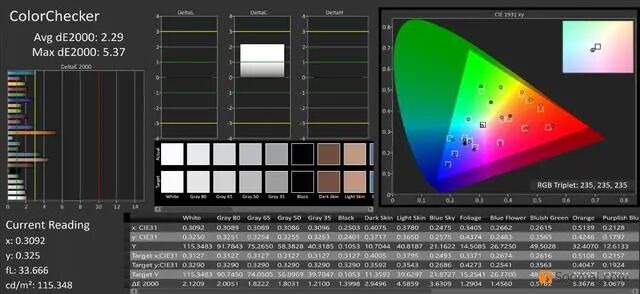
iQOO Z1 Smartphone – Screen Evaluation – Color Accuracy Test [Standard, P3]
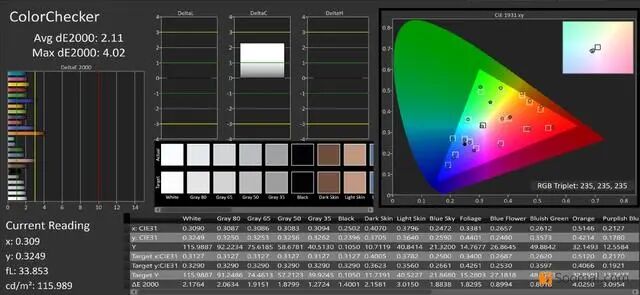
iQOO Z1 Smartphone – Screen Evaluation – Color Accuracy Test [Standard, sRGB]
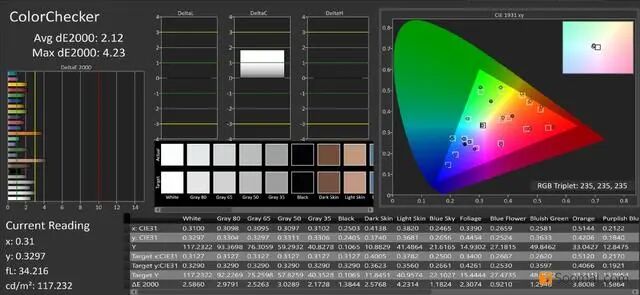
iQOO Z1 Smartphone – Screen Evaluation – Color Accuracy Test [Ordinary, sRGB]
User Experience: Due to a maximum brightness of only around 510cd/m2, the Z1’s screen performs at a just adequate level under outdoor lighting; it becomes quite challenging to view images or frame shots in strong sunlight. The screen’s glass transparency and viewing angle performance are acceptable, but the color contrast and brightness decrease somewhat when viewed at an angle. During a 1/5000 second camera shutter, there is no visible flicker at medium to low brightness, which can be considered standard DC dimming. At 144Hz refresh rate, the screen’s response speed and motion blur performance are significantly better than the K30, but stuttering and frame drops are quite noticeable under heavy applications. The screen consistency is slightly inferior to the iPhone 11, with a slightly higher grayscale error when displaying white.
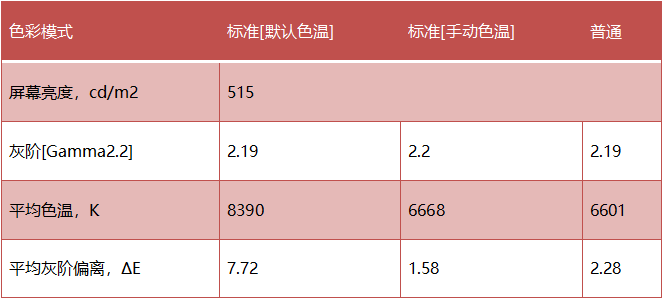
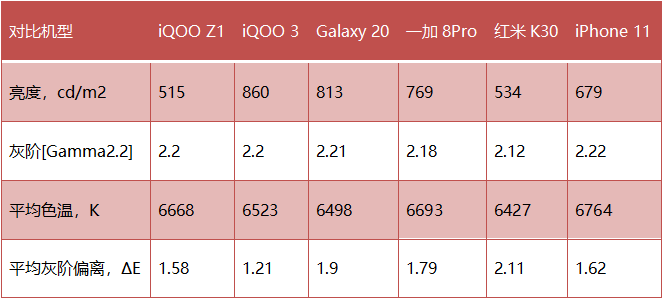
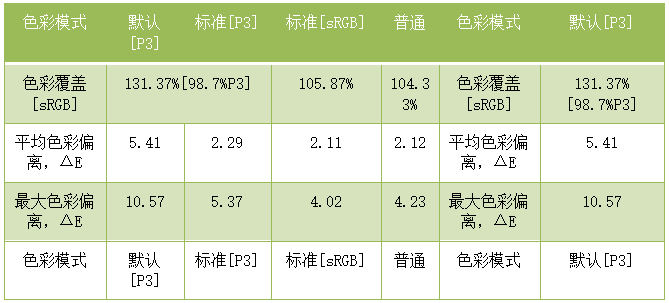
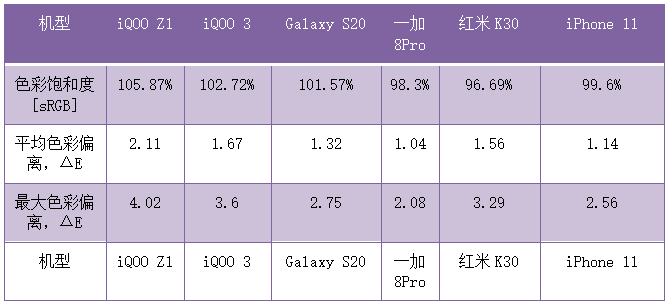
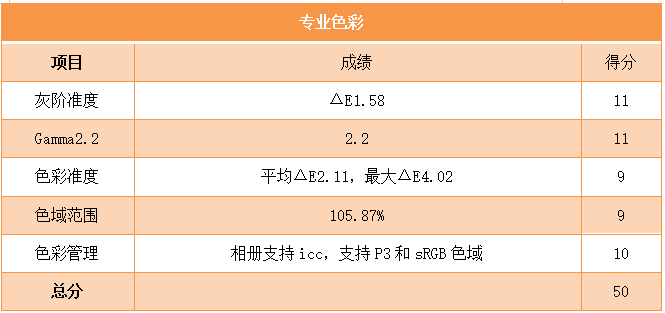
Professional Color: Generally speaking, screens on devices positioned for gaming entertainment and priced lower tend to have disappointing color performance, but the Z1’s overall performance is quite good. In standard mode, the default color temperature is slightly high and requires manual adjustment, while the ordinary mode’s color temperature is close to standard. The screen’s grayscale, gamma, and color gamut coverage are all quite good, with green saturation slightly higher than standard, while red and blue dynamic performance is normal, and color accuracy is acceptable. Some color errors are slightly high, but it is still acceptable for simple photo color previews. The global sRGB display in ordinary mode is also at a usable level.
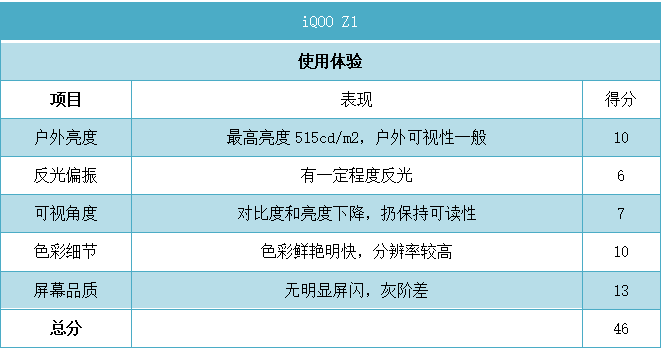
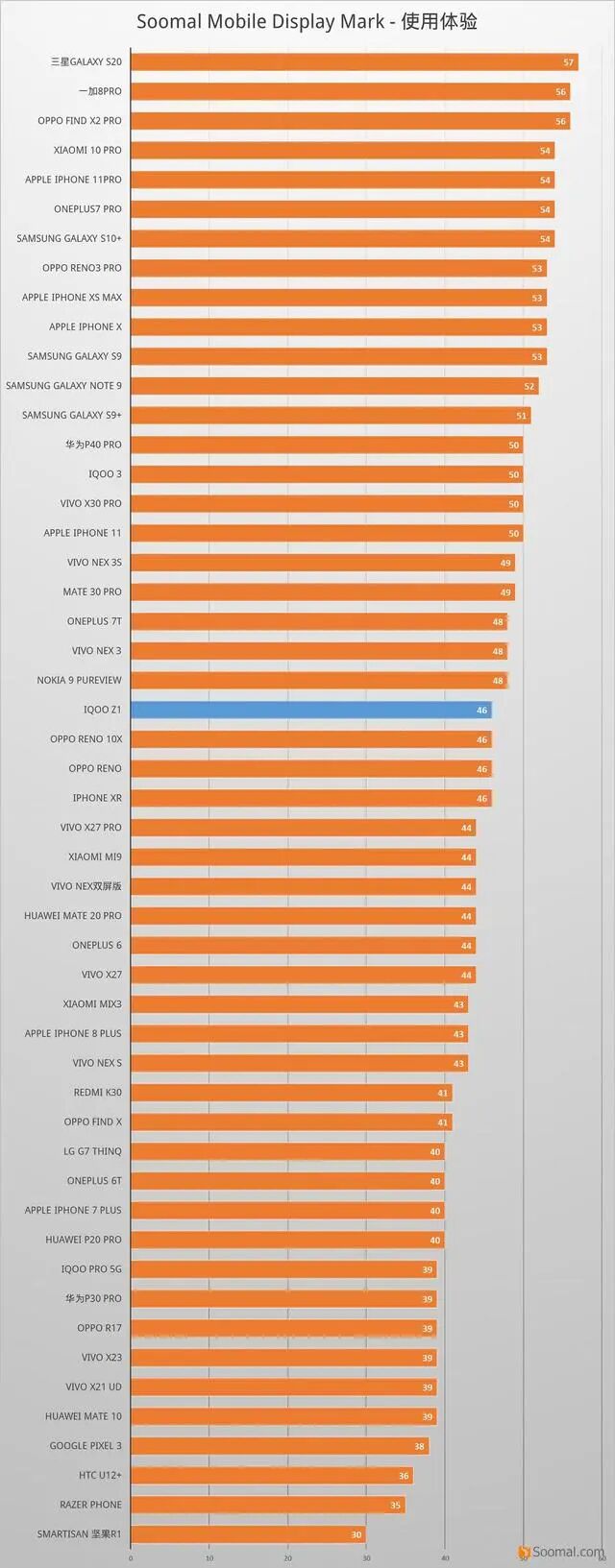
iQOO Z1 Smartphone – Screen Evaluation – User Experience
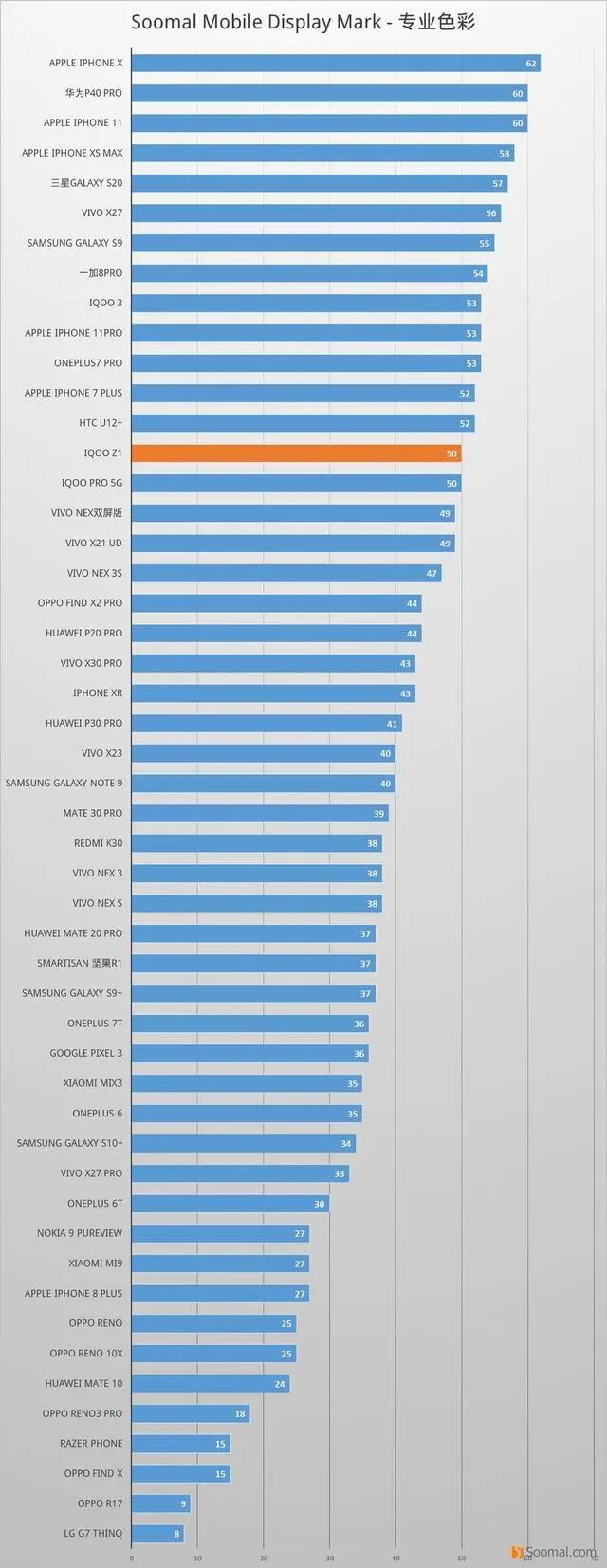
iQOO Z1 Smartphone – Screen Evaluation – Professional Color
For a phone positioned for online sales and price competition, the iQOO Z1’s main shortcomings compared to high-end models are its screen brightness, which is indeed insufficient, and its anti-glare and viewing angle performance, which lags behind flagship devices. However, the solid 144Hz high refresh rate still provides a relatively smooth visual and touch experience. While we would like to showcase the adaptive refresh rate changes and frame drop situations during common applications and WeChat scrolling like in the K30 screen evaluation article, Tencent’s PrefDog currently does not support the Z1 well, making it unable to display the application’s frame rate data correctly. We will publish a separate article discussing the gaming experience and the Dimensity 1000 Plus hardware performance. The Z1’s color management and display maintain the normal standards of vivo phones, performing stably and offering unique advantages and features compared to similar-priced competitors. If you have a limited budget and need a high-refresh-rate screen phone for social media and gaming, the Z1 at a promotional pre-order price is a good choice.
Source: Digital Duo
▼Previous Highlights▼
Acquired for 4.217 billion yuan! TCL acquires 39.95% stake in Wuhan Huaxing
Longteng Optoelectronics has passed the review for the Sci-Tech Innovation Board…
Korean media: BOE misses out on iPhone 12 series OLED screen supplier
Using MMG to produce 48-inch panels! Guangzhou LGD’s 8.5-generation OLED factory is counting down to mass production
Chongqing BOE’s B12 AMOLED project main structure has topped out
Summary of domestic silicon-based OLED companies: Besides BOE, Visionox, and Aolai, who else is there…
 OLEDindustry
↓↓ Join the industry technology group where you can chat until dawn! Would you like to join?↓↓
Admin WeChat: OLEDindustry2
Add Admin WeChat > Join Group > Chat and Discuss FreelyDisclaimer: The views expressed in this article are solely those of the author and do not represent the platform’s position. If there are any infringements or other issues, please contact us.