01
“3D Printed Balloon“
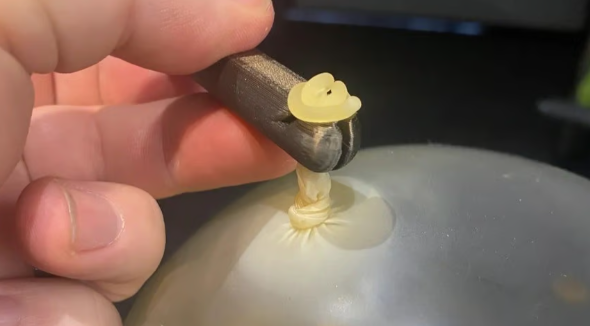
Balloon Tying “Tool“
If you have ever needed balloons for decoration (whether for a birthday party or any other reason), you know they can bring any space to life. But at what cost? Poor fingers… tying balloons one after another can be quite painful.
This balloon tying tool combines practicality, ease of printing, low material consumption, and frees up your hands, making it an essential item for anyone looking to host a celebration or a water balloon fight.
Download link:
https://www.printables.com/model/677867-balloon-tying-tool

02
“Sport“
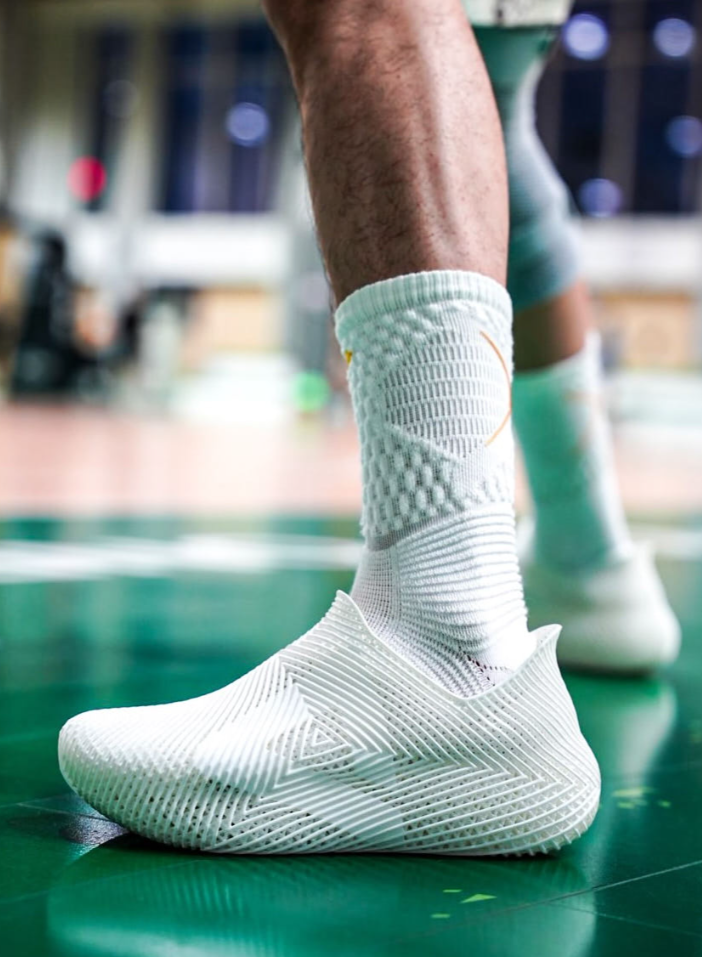
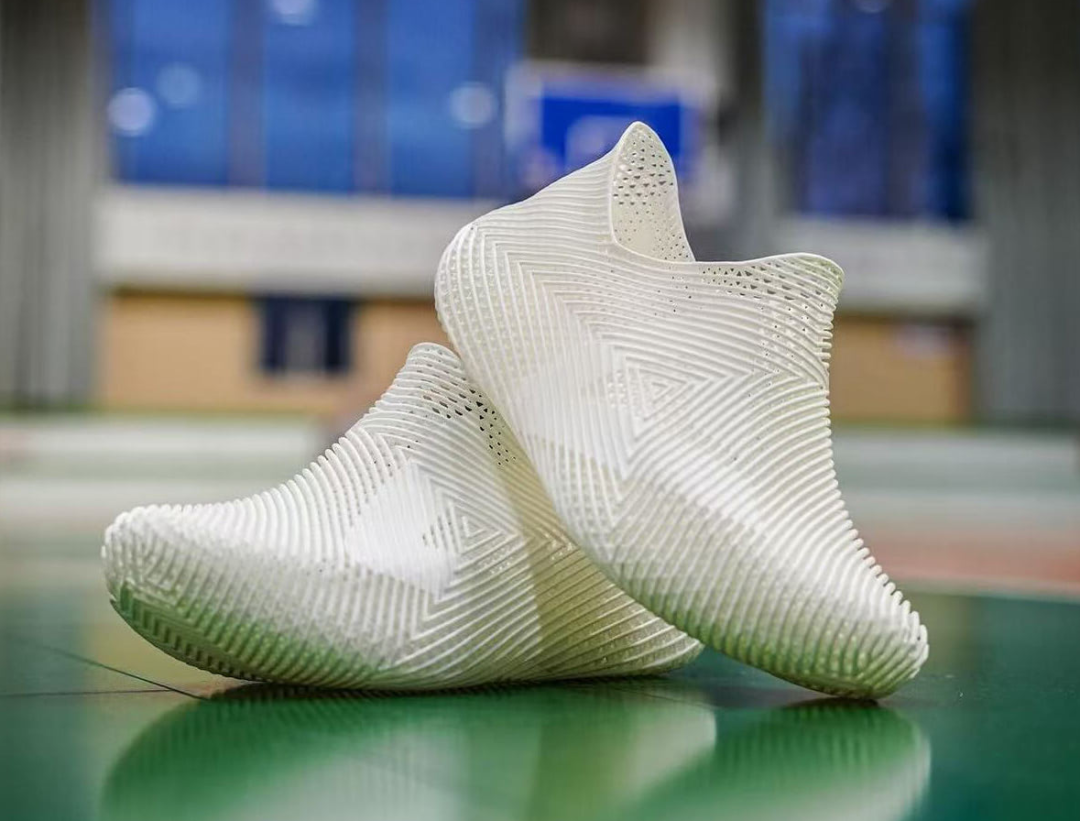
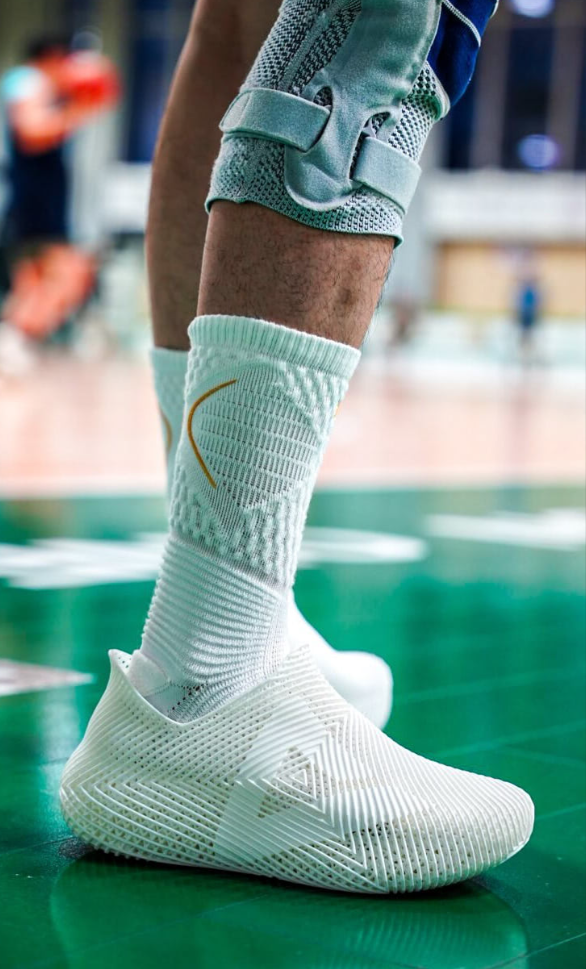
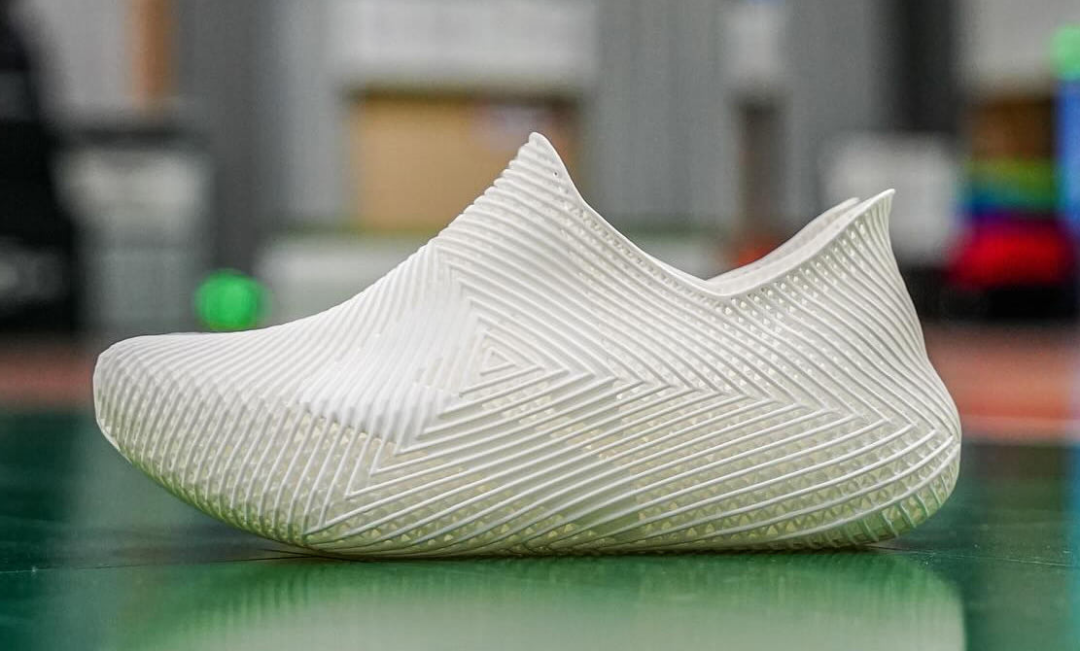
Parametric “3D Printed Shoes”
3D printed ergonomic, minimalist parametric shoes with a sporty structural texture.
03
“UpNano“
2PP “3D Printed Nail Art”“
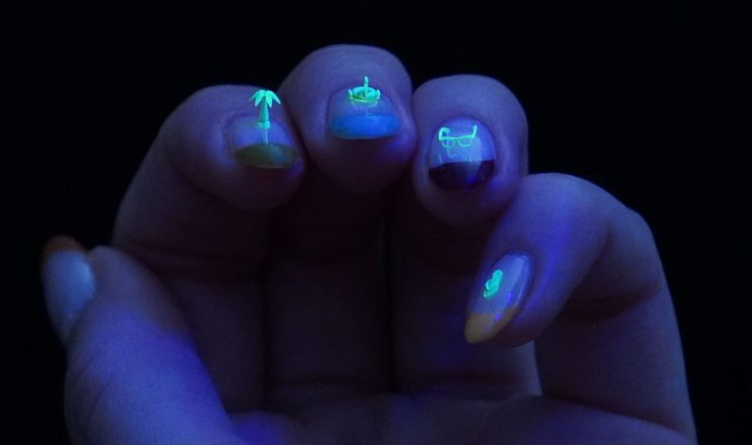
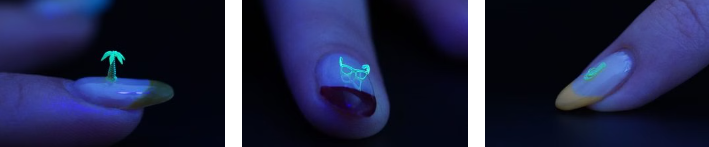
Every year, International Nail Day inspires artists, designers, and innovators around the world to unleash their creativity on the smallest canvas imaginable: human nails. This year, UpNano, a spin-off from the Vienna University of Technology (TU Wien), unveiled a new chapter in micro-creativity, combining cutting-edge technology with playful summer designs. They utilized two-photon polymerization (2PP) technology—a groundbreaking ultra-precise 3D printing technique—to create a series of summer-themed microstructures. Each structure is small enough to fit neatly on a nail, yet detailed enough to astonish even the most experienced engineers.
The two-photon polymerization (2PP) process works by directing a laser through a special photosensitive resin. At the precise point where two photons are absorbed simultaneously, the resin undergoes a polymerization reaction and solidifies into a solid structure. This highly localized process achieves nanometer-level resolution, allowing for the creation of extremely complex and intricate designs. Traditionally, 2PP technology has been applied in fields such as biomedicine and optics, but it has recently expanded into more creative applications, demonstrating that the connection between science and art is closer than ever.
To bring this project to life, the team used the NanoOne printer.
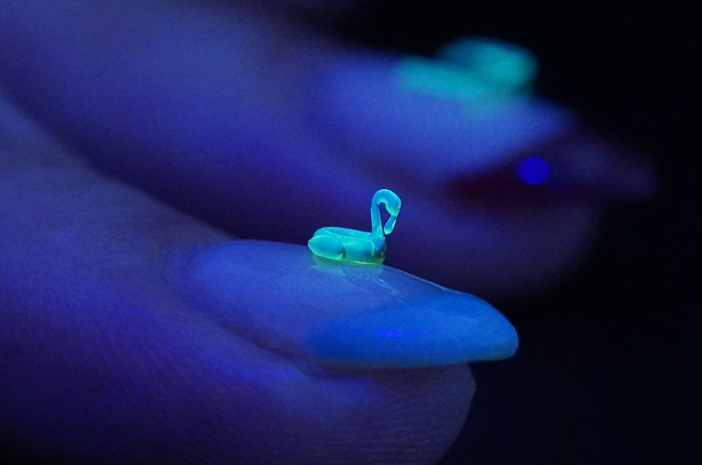
The NanoOne is a high-performance 2PP system known for its unparalleled precision and scalability. It is designed to print at resolutions below 200 nanometers, efficiently and reliably handling the most complex designs. What were the results? A micro-series of works inspired by summer fun, filled with artistic flair—including flamingo pool floats, flip-flops, sunglasses, and a palm tree. These tiny prints range in size from 1.5 to 4 millimeters, yet capture extraordinary detail. For example, the flamingo pool float features delicate contours and a clearly visible beak, while the flip-flops showcase the subtle curves of their straps. The sunglasses balance sleek lines with smooth lenses, and the palm tree stands tall, its finely crafted leaves suggesting a tropical breeze.
These works not only showcase artistic talent but also reveal the full potential of micro-manufacturing beyond traditional boundaries. By employing 2PP technology in this novel way, the project opens new doors for the fashion, cosmetics, and even jewelry industries. Designers can now explore a future where personalization extends to the microscopic scale, offering incredibly complex and unique wearable art.
However, the significance of 2PP technology goes far beyond nail art. In the biomedical field, the same technology is being used to create scaffolds for cell growth, microneedles, and microfluidic devices. In photonics, it aids in the production of micro-lenses and optical components with sub-micron precision. As industries pursue higher levels of miniaturization and customization, no other manufacturing process can compete with 3D printing, and 2PP technology stands out as a powerful solution.
As more creators recognize the accessibility and adaptability of 2PP technology, we are likely to see it appear in more unexpected places—from fashion runways to personal accessories; from medical innovations to decorative miniature models. Led by machines like the NanoOne, this nano-scale revolution is sure to have macro-level impacts.
04
“EPFL“
Unique “Bionic Robot”
Researchers at the École Polytechnique Fédérale de Lausanne (EPFL) have developed a 3D printed robot that simulates the mechanical complexity of muscles and bones using only one material.
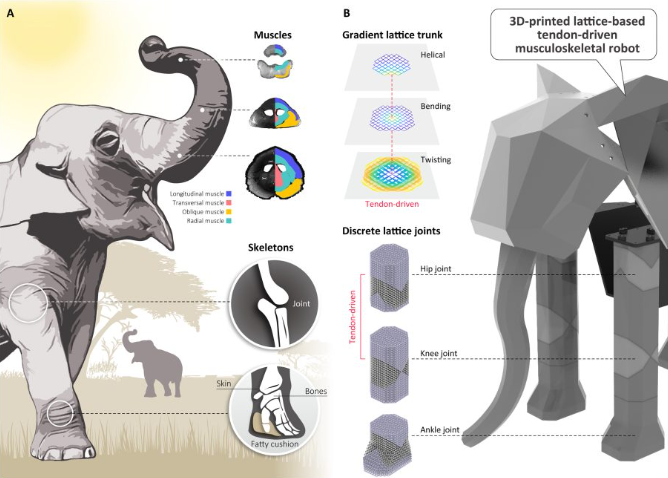
Inspired by elephants, this robot combines soft, flexible components with a sturdy load-bearing structure, all without changing materials. Under the leadership of Josie Hughes at the CREATE lab of the EPFL School of Engineering, the breakthrough of this novel research lies in achieving multiple mechanical properties within a single elastic resin material by controlling the internal lattice geometry.
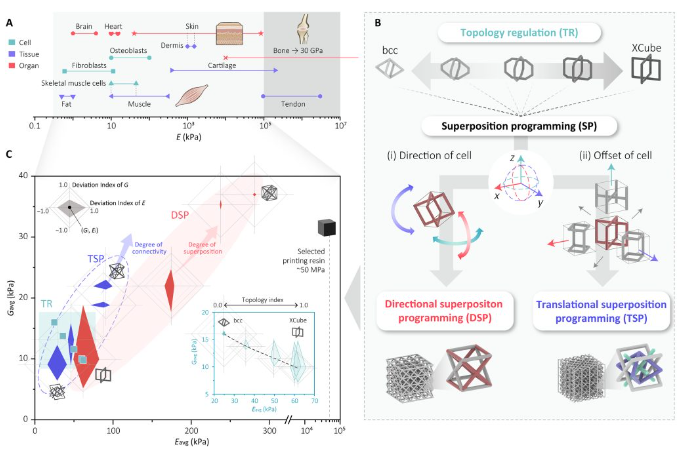
This research, published in the journal Science Advances, introduces programmable lattice design as a method for replicating musculoskeletal systems, with adjustable stiffness and directionality. The research team employed two methods—topology regulation and superposition programming—to achieve a range of Young’s moduli from 25 to 300 kPa and shear moduli from 1.38 to 40 kPa, covering the entire stiffness spectrum from soft tissue to cartilage-like rigidity.
To turn the design into reality, the researchers developed a computational workflow that maps motion and stiffness requirements to programmable lattice geometries using custom MATLAB scripts. The designs were exported as STL files through OpenSCAD and Hob3l, and printed on the Halot-Mage Pro 3D printer using F80 elastic resin from Godsaid Technology. Tendon-driven actuation was achieved through Bowden cables and Dynamixel servos, also controlled by MATLAB.
Using this setup, topology regulation was employed to construct the robot’s trunk. This method continuously adjusts stiffness by mixing two types of lattices (bcc and XCube), allowing the trunk to be divided into three sections, each capable of bending, twisting, and spiraling, all driven by four motors.
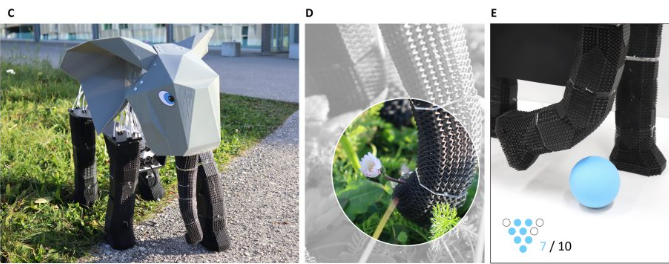
A parameter called the topology index controls the transition between soft and rigid areas, enabling the trunk tip to use fine, small unit cells for precise gripping, while the base provides structural support. The trunk weighs only 150 grams but can lift objects weighing up to 500 grams and can grasp items ranging from 0.1 millimeters to 100 millimeters in diameter.
Superposition programming was used to create the rigid joint structures of the robot’s legs. This method combines unit cells with different orientations and displacements to produce discrete, directional stiffness. The legs have active joints at the hip and knee, and a passive joint at the ankle that adapts to ground contact.
The hip joint is controlled by two motors and four tendons, allowing for flexion, extension, abduction, and adduction, while the knee joint uses only one motor. These legs can support weights of up to 4 kilograms (more than the robot’s own weight of 3.89 kilograms) and can walk with a stride length of about 150 millimeters at a speed of 7.5 millimeters per second.
The robot demonstrates forward and lateral gaits and can balance on three legs. The foot design uses a stiffer lattice area in the forefoot for load-bearing, while a softer lattice area near the heel conforms to the ground. The open lattice design reduces overall weight and allows the robot to operate in water without modifications.
Mechanical testing confirmed how variations in beam thickness, unit cell type, and arrangement affect stiffness and anisotropy. The twisting section of the trunk achieved a rotation angle of up to 78.1°, while the bending module’s range of motion increased by 30% compared to uniform structures. These design methods generated over one million unique lattice configurations, and by extending the basic geometric variations, this number could exceed 75 million.
This work provides a scalable approach to embedding mechanical intelligence directly into the robot’s structure. Future versions may integrate sensors, fluids, or other components to expand into soft robotics, prosthetics, and lightweight systems.
05
“Bentley“
Launches “EXP 15 Concept Car”“
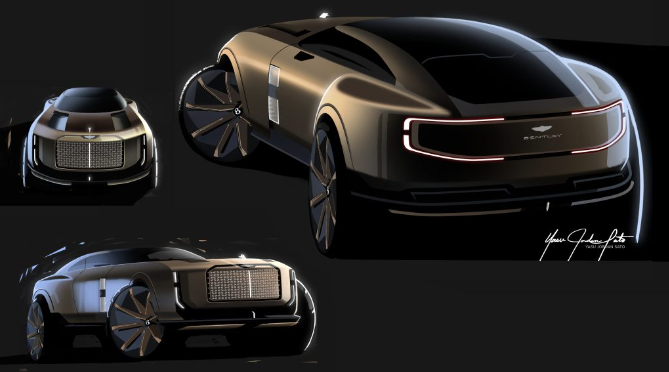
Luxury car manufacturer Bentley Motors unveiled the EXP 15 concept car at its new design studio. This vehicle merges the brand’s early Grand Tourer tradition with advanced technologies such as 3D printing and virtual reality. Although the EXP 15 is not yet planned for mass production, it previews the design and technology of Bentley’s all-electric model set to launch in 2026, combining new features with a shape inspired by the 1930 Speed Six.
“The beauty of the concept car lies not only in showcasing our new design language but also in exploring the future direction of the market,” said Bentley’s design director Robin Page. “SUVs are clearly becoming more popular, and while we know the GT market well through four generations of the Continental GT, sedans are also evolving. Some customers prefer the classic three-box shape, while others lean towards a single-box design, and some seek something more elevated. This concept car allows us to engage with customers and better understand their preferences.”
Exterior and Interior Design
The EXP 15 full-size concept car, measuring over five meters in length, embodies Bentley’s signature elements, including a digitally reimagined upright grille, an elongated “endless” hood with integrated storage space, and a rear cabin inspired by the iconic “Blue Train” two-door coupe. Additionally, the concept car features muscular yet elegantly refined rear wheel arches and a unique “Prestigious Shield”—a clean and broad rear surface that integrates the tailgate and showcases the new Bentley badge.
In addition to its unique proportions, the EXP 15 incorporates engineered functional elements. Ultra-slim vertical headlights surround the front grille, enhancing the vehicle’s visual width. A central light ridge located just below the “Flying B” badge divides the grille into two sections and showcases a horizontal design inspired by Bentley’s iconic diamond quilt pattern—drawing on historical design elements but presented with contemporary LED technology.
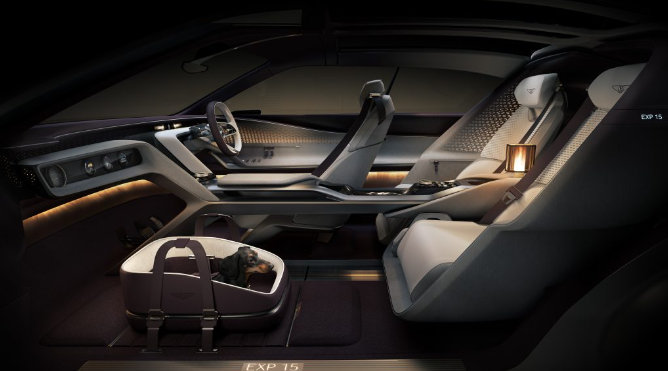
Inside, the EXP 15 concept car integrates digital tools with traditional design elements. A virtual reality system allows users to explore and customize the cabin, which combines materials such as a wing-shaped dashboard, physical controls, and soft upholstered seats with a digital interface. The vehicle also features a three-seat, three-door layout, designed with storage compartments for small items and pets, as well as a rear boot that can be reconfigured into seating when parked.
3D Printing and Advanced Materials
A standout feature of the EXP 15 is its fusion of handcrafted craftsmanship with 3D printing. The cabin features 100% pure wool upholstery from the Fox Brothers mill, which has over 250 years of history, paired with lightweight, intricately detailed 3D printed titanium components. This combination reflects Bentley’s commitment to sustainability and innovation by reducing weight and waste, while also showcasing the potential of additive manufacturing in luxury car design and production.

06
“Laser Box Maker“
MakerWorld“New Tool“
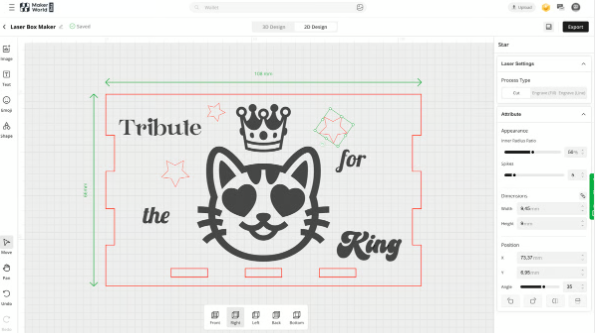
The Laser Box Maker features a simple interface and is easy to use. The box design is visible in the view window, with a toolbar on the left and a settings panel on the right. Users can view the 3D rendering of the box in the “3D Design” tab and the 2D drawings of each part in the “2D Design” tab. The box dimensions can be easily set in the right panel, along with the machine’s laser power and material information for cutting and engraving.
If all of this sounds a bit familiar, you’re not wrong. MakerCase and Boxes.py are existing parametric box generators that have been around for some time. Both offer more styles of box designs than Laser Box Maker, and users have slightly more control over the designs. For example, in both web applications, finger joints are configurable.
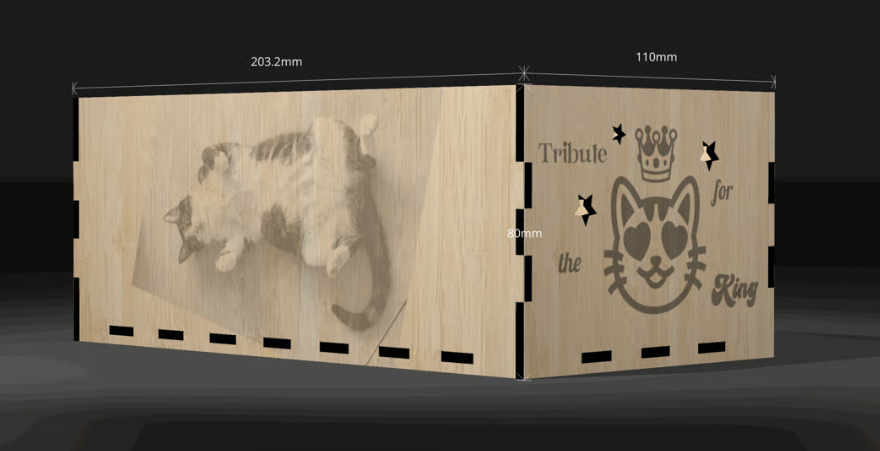
What sets Bambu Lab’s Laser Box Maker apart is its ability to decorate boxes with images, text, emojis, and shapes. A context menu for each design element appears in the right panel, allowing for fine-tuning and further customization. This is especially convenient for image processing, as the context menu includes image editing tools such as cropping, lighting adjustments, and transformations.
 END
END

 Welcome to add the editor’s WeChatto learn about the latest trends in the 3D printing industry
 About 3D Printing Technology
We integrate insights, technology trends, application scenarios, competitive strategies, and in-depth dynamics from the 3D printing and AI industries in China, the US, and globally, providing high-value information. We are passionate about 3D printing and welcome contributors from around the world.
Disclaimer:3D Printing Technology has no commercial cooperation, sponsorship, employment, or other interests with the companies mentioned in this article.3D Printing TechnologyImages and videos are sourced from the internet and are for auxiliary reading purposes only, with no commercial intent.All rights belong to the original authors. If there are any infringement issues, please contact the rights holders in a timely manner, and we will delete the content immediately. The copyright of the images in this article belongs to the copyright holders,3D Printing Technologywatermarks are automatically added for auxiliary reading and do not represent ownership of the images. For image usage, please consult the copyright holders.3D Printing TechnologyThe article does not constitute any investment advice,3D Printing Technologyis not responsible for any direct or indirect losses caused by the use of this information.For more exciting content, please follow us