01 Bridge
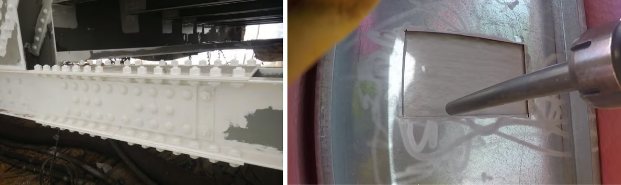
Researchers at the University of Massachusetts used a 3D printing technology called cold spray on a bridge built in 1949 in western Massachusetts.
The cold spray technology works by injecting high-speed metal powder particles, which bond with and cover the damaged areas of the bridge’s metal beams. Repeated spraying can form a multi-layer structure, restoring the thickness and other structural characteristics of the treated area. According to the university’s report, unlike welding, cold spray does not melt the powder material during deposition, thereby minimizing oxidation, thermal residual stress, and phase changes in the deposit. The U.S. military has successfully tested cold spray technology for field repairs of combat vehicles.
Researchers found that using cold spray can significantly reduce costs compared to traditional repair methods. First, a single operator can complete the field repair. Second, waste can be captured at the deposition point, eliminating the need for additional environmental protection measures. Cold spray equipment can be modified to function as “sandblasting/shot peening” equipment for simultaneous surface treatment. Additionally, several kilograms of structural steel can be deposited in a single day, greatly reducing the number of workdays (and bridge closures).

 02 Switch 2 Pro Controller
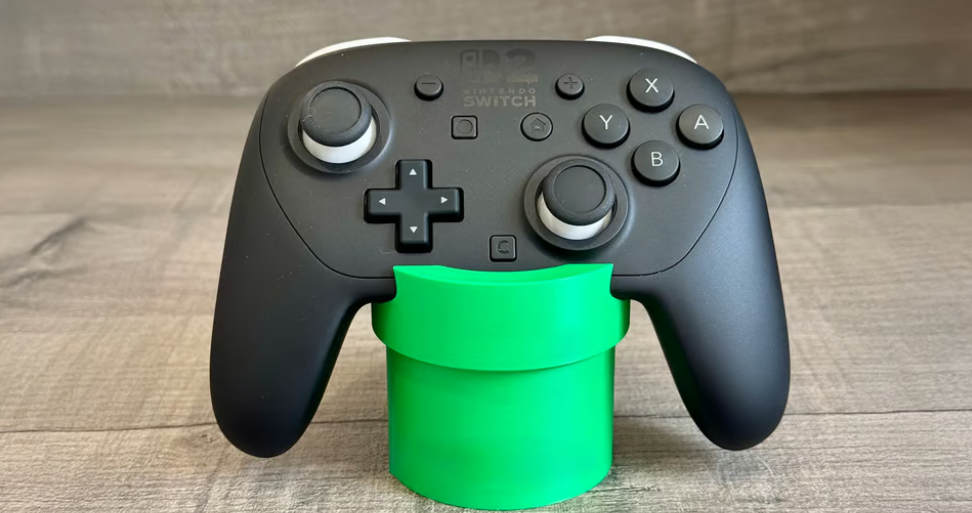
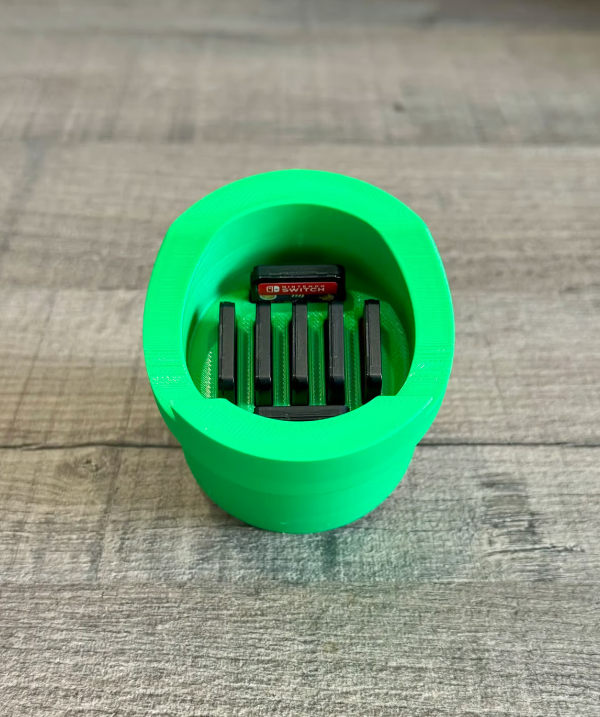
This Switch 2 Pro controller stand designed by Dave W resembles the classic Mario pipe. With the release of Switch 2 bundled with “Mario Kart: World”, this theme is simply perfect. It provides a place to store your Switch 2 Pro controller along with some discreet game cartridge storage.
Download link:
https://makerworld.com/zh/models/1511481-switch-2-pro-controller-stand-cartridge-storage#profileId-1582693
 03 Zelda-Inspired Sword
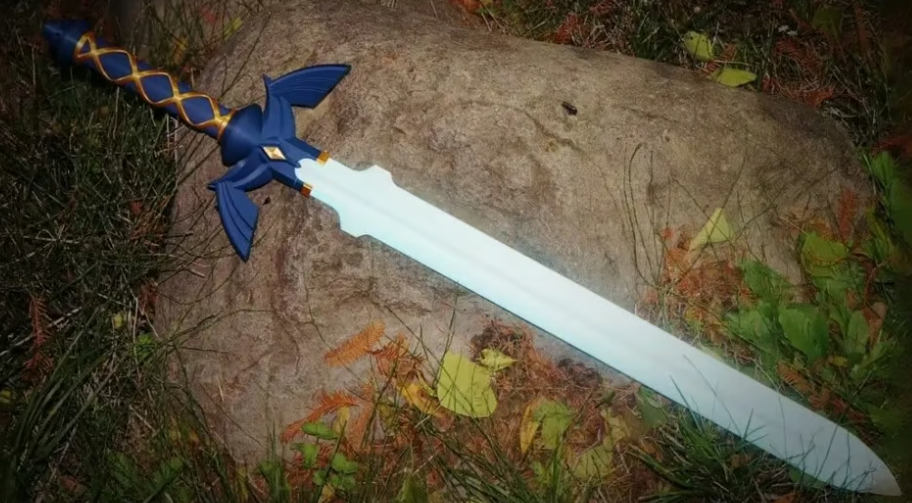
Are you ready to embark on an adventure?
This is an excellent model, perfect for role-playing cosplay!
Download link:
https://makerworld.com/zh/models/887552-lightening-zelda-master-sword-100cm#profileId-843153
 04 3D Printing and LEDs
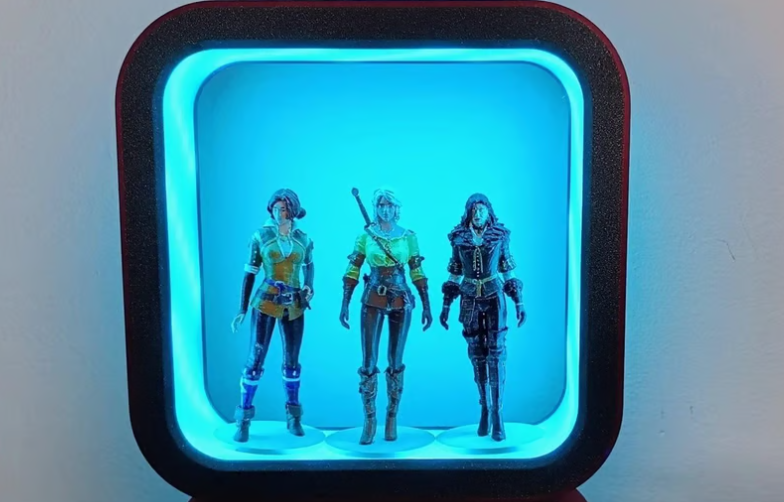
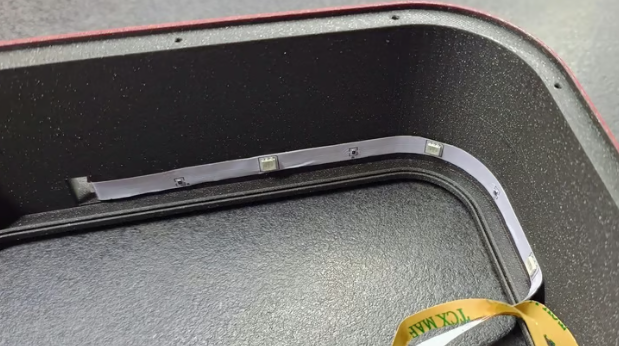
There are countless ideas for decorating homes and bedrooms with 3D printing creativity, and lighting is no exception.
Download link:
https://makerworld.com/zh/models/1319993-square-lamp-led-strip#profileId-1355947
 05 COT
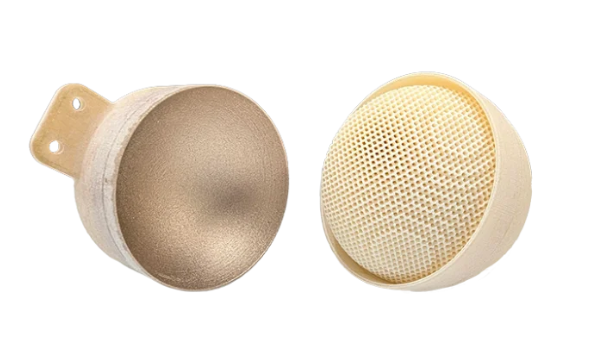
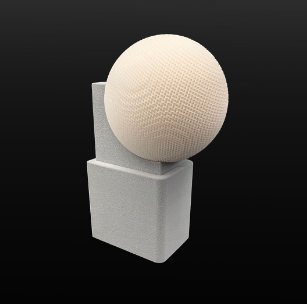
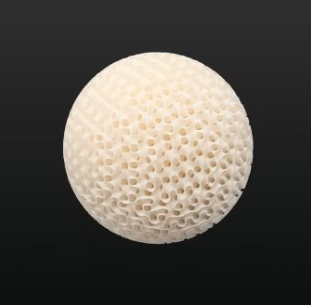
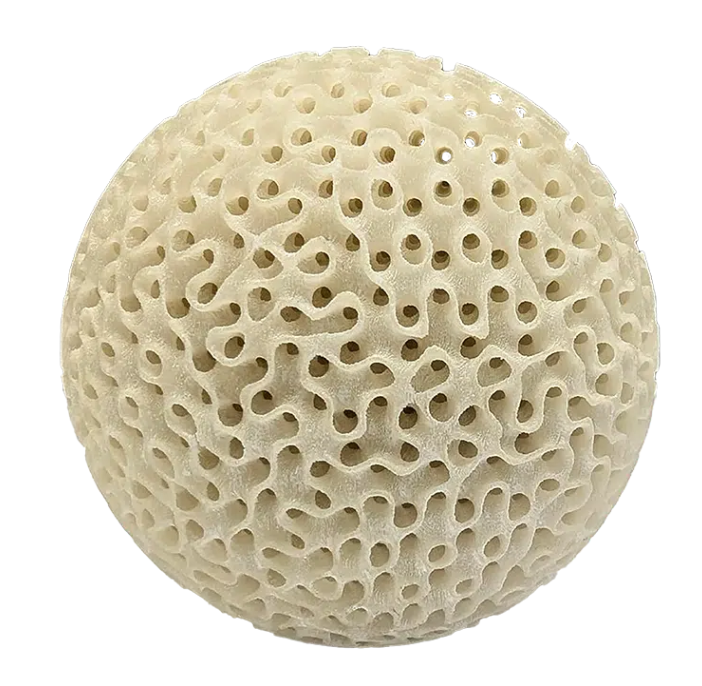
Inkbit has officially introduced Cyclic Olefin Thermosets (COT) into its Vision-Controlled Jetting (VCJ) platform, marking a significant advancement for engineers working in the millimeter-wave domain. Combined with the AI-driven multi-density material jetting capabilities of the VCJ platform, the release of this latest material represents a paradigm shift in the conception, iteration, and production of dielectric components. COT is designed for high performance, offering excellent dielectric stability, thermal stability, and compatibility with high-frequency applications ranging from 3 GHz to 90 GHz. This makes it an ideal choice for complex millimeter-wave designs, such as conformal antennas, waveguides, beamforming devices, and gradient refractive index (GRIN) lenses.
Inkbit CEO Davide Marini emphasized the significance of this advancement for RF engineers: “The synergy of COT materials with the Inkbit production platform greatly accelerates engineers’ ability to design, test, and deploy advanced components—ultimately helping them move from concept to deployment at an unprecedented speed. This flexibility is crucial in fields such as telecommunications, aerospace, and defense, where time-to-market and high-performance standards are non-negotiable,” he stated.
 06 Sparc3D
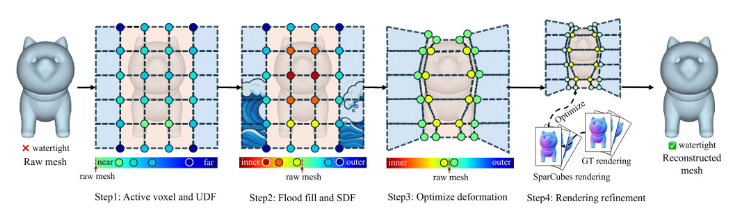
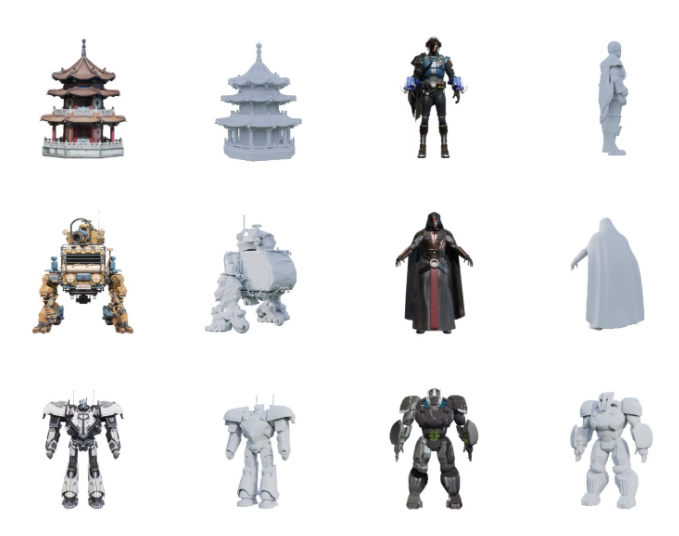
Sparc3D is a new AI-driven software tool that converts 2D images into high-precision 3D models. While this is not entirely new, as there are various applications on the market (such as Backflip, Tripo3D, Makerlab’s 2D to 3D, etc.) offering different methods, Sparc3D promises to elevate 3D reconstruction capabilities to a new level.
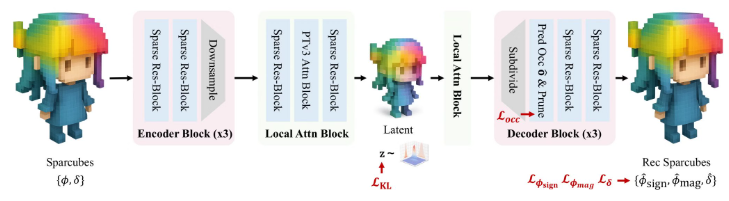
Sparconv-VAE is the first variational autoencoder built entirely using sparse convolutional networks. This ensures that the encoding and decoding processes remain consistent in modality, significantly reducing the common information loss seen in systems that previously used 2D or mixed 3D supervision. It supports near-lossless 3D object representation, even retaining the finest details from the original input. This makes it particularly suitable for integration with latent space diffusion models, further enhancing its generative capabilities.
The system has demonstrated industry-leading performance across multiple benchmarks. It excels in qualitative and quantitative metrics such as Chamfer Distance, Intersection over Union (IoU), and reconstruction accuracy. Its capabilities are particularly notable when handling challenging scenarios with noisy, incomplete, or geometrically complex input. Thanks to its high fidelity and consistency, this technology has been applied across various industries, including game development, VR/AR, film production, and digital twin technology.
The architecture of Sparc3D itself is scalable. As it further develops, it could enable real-time 3D reconstruction and even complete scene synthesis. This opens up new possibilities for dynamic applications such as robotics, autonomous systems, and real-time digital content generation. The impact of such technology extends beyond entertainment or visualization, potentially reshaping how machines perceive and interact with the 3D world.
Download link:
https://lizhihao6.github.io/Sparc3D/
 END
END





 Welcome to add the editor’s WeChat to learn about the latest trends in the 3D printing industry
 About 3D Printing Technology
We integrate insights, technology trends, application scenarios, competitive strategies, and in-depth dynamics from China, the U.S., and globally for professionals in 3D printing and artificial intelligence, providing high-value information. We are passionate about 3D printing and welcome contributors from around the world.
Disclaimer:3D Printing Technology has no commercial cooperation, sponsorship, employment, or other interests with the companies mentioned in the text.3D Printing TechnologyImages and videos are sourced from the internet and are for auxiliary reading purposes only, with no commercial intent.All rights belong to the original authors; if there are any infringement issues, please contact the rights holders, and we will delete them promptly. The copyright of the images in this article belongs to the copyright holders,3D Printing Technologywatermarks are automatically added for auxiliary reading and do not represent ownership of the images; for image usage, please consult the relevant copyright holders.3D Printing TechnologyThe article does not constitute any investment advice,3D Printing Technologyis not responsible for any direct or indirect losses caused by the use of the information in this article.For more exciting content, please follow us