Each Linux distribution is designed for specific needs: some adapt to older hardware, some pursue excellent user experience, and some focus on security.
Once, immutable systems were not the focus of user attention. However, more and more projects are making immutability a core feature of Linux distributions. What has caused this shift? What options are available in the market? Before revealing the list, let’s delve into the core value of immutable systems:
# What is an Immutable Linux Distribution?
Immutable distributions ensure that the core of the operating system remains unchanged, with the root filesystem set to read-only mode by default, ensuring consistency across different instances. Users can manually modify configurations, but this feature is disabled by default.
# Advantages of Immutable Systems
Traditionally, immutable systems exist to simplify testing processes and containerized software development. Additionally, they provide stronger security protections and more reliable system update mechanisms.
Initially, these features were aimed at professional developers and enterprise users, but they have gradually integrated into everyday desktop environments.
# List of Immutable Distributions
Note: Some projects are still in early development stages
1. carbonOS
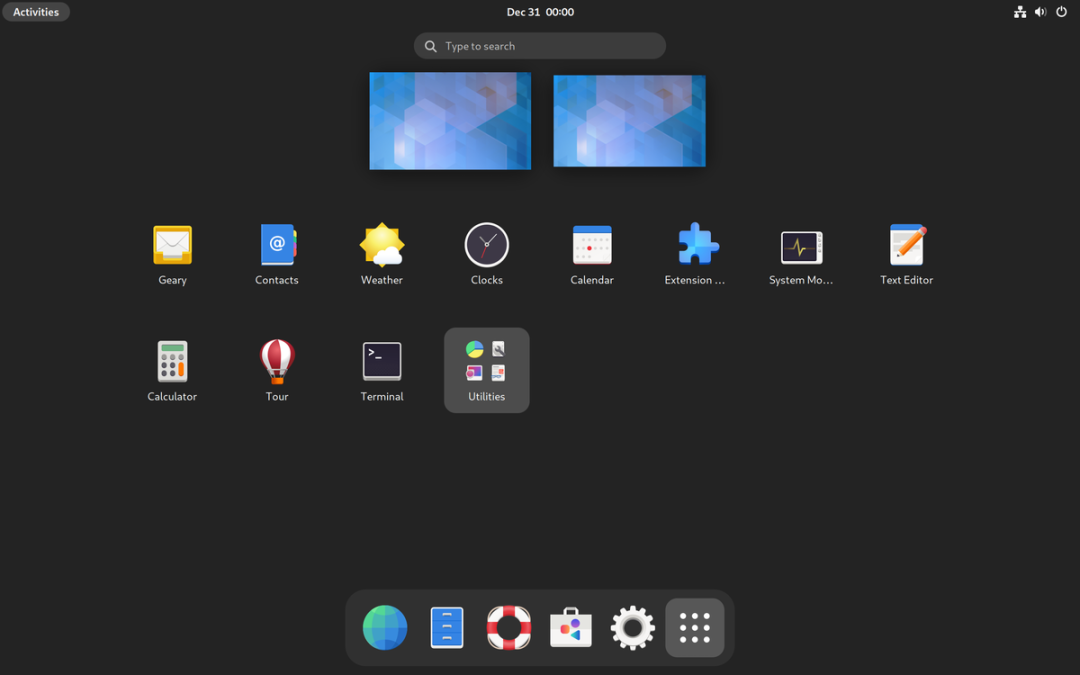
A new independent distribution that provides a seamless user experience centered around cutting-edge technology. It adopts a Flatpak-first and container-first strategy, offering differentiated features such as secure system updates and verified boot. While maintaining uniqueness, it is committed to optimizing the GNOME desktop experience.
Official download link:
https://carbon.sh/download
2. Fedora Silverblue
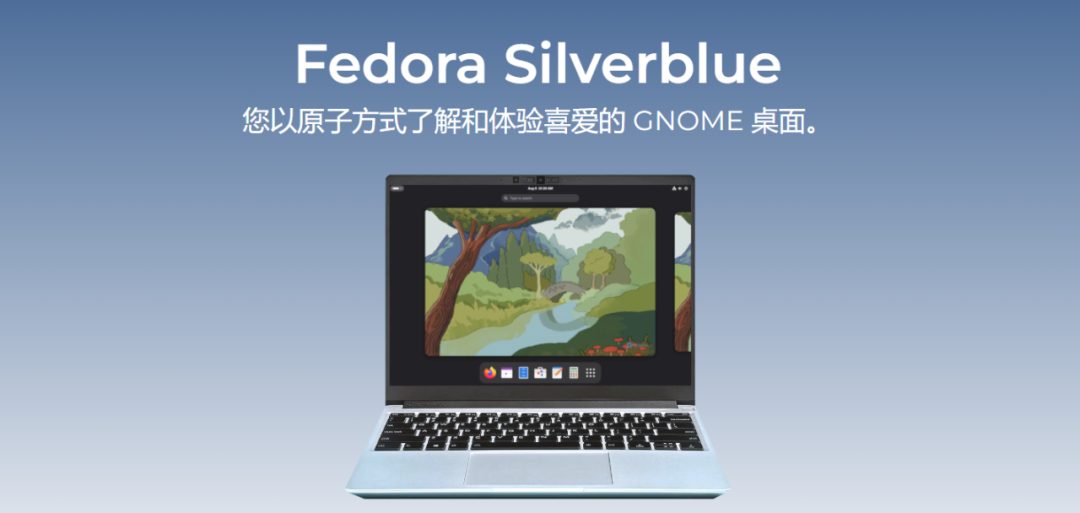
An immutable version based on Fedora Workstation, currently one of the most popular immutable distributions. It retains the original interaction experience and synchronizes updates with the Fedora version. Its stable features are particularly suitable for testing and container development, supporting quick rollback after system update failures.
Official download link:
https://fedoraproject.org/zh-Hans/atomic-desktops/silverblue/download/
3. Flatcar Container Linux
A community distribution designed for container workloads. It provides a minimal system image that only includes container runtime tools, without package managers or complex configurations. It features scalability, security, and simplicity; more details can be found on its GitHub (https://github.com/flatcar/Flatcar) page.
Official website:
https://www.flatcar.org/
4. NixOS
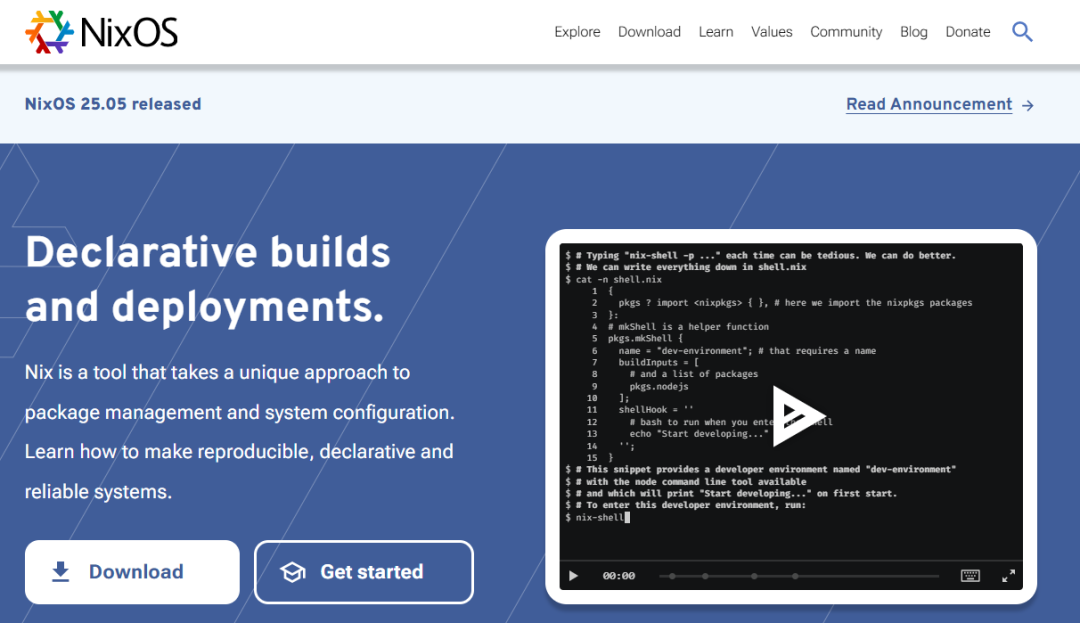
A representative of advanced Linux distributions, combining immutability, rapid recovery, and powerful package management. Beginners can quickly get started through specialized tutorials.
Official website:
https://nixos.org/
5. GUIX
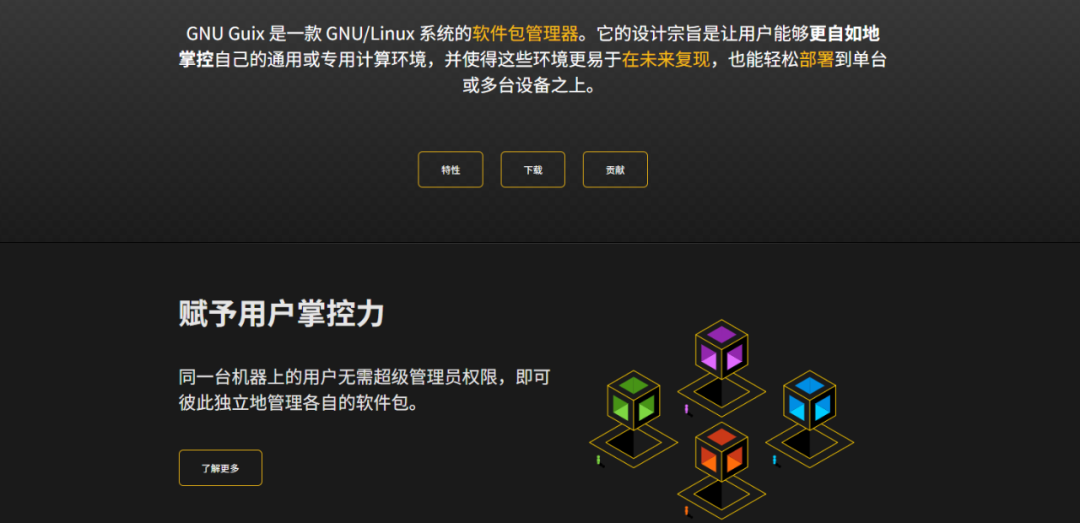
An advanced user distribution similar to NixOS, focusing on system control and upgrade reliability. Its design aims to allow users to better control their general or specialized computing environments, making these environments easier to reproduce in the future and easily deployable on single or multiple devices.
Official website (Chinese site):
https://guix.gnu.org/zh-CN/
6. openSUSE MicroOS
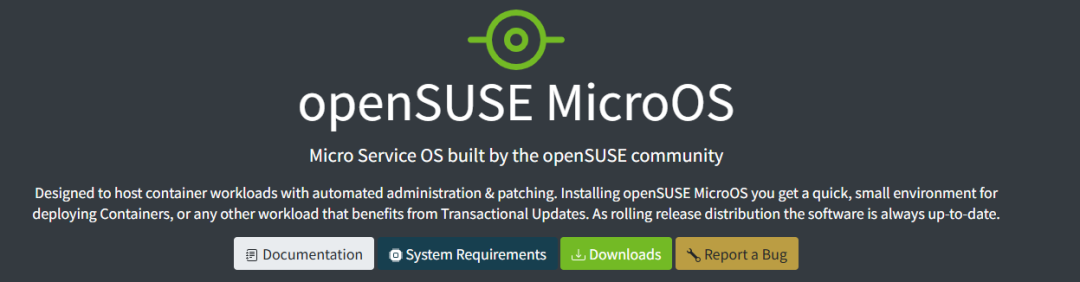
A server system designed for container deployment and automated workflows. It uses btrfs transactional updates and snapshot technology to save storage space while fully preserving system history, making it a reliable choice in the server domain.
Official website:
https://microos.opensuse.org/
7. Vanilla OS
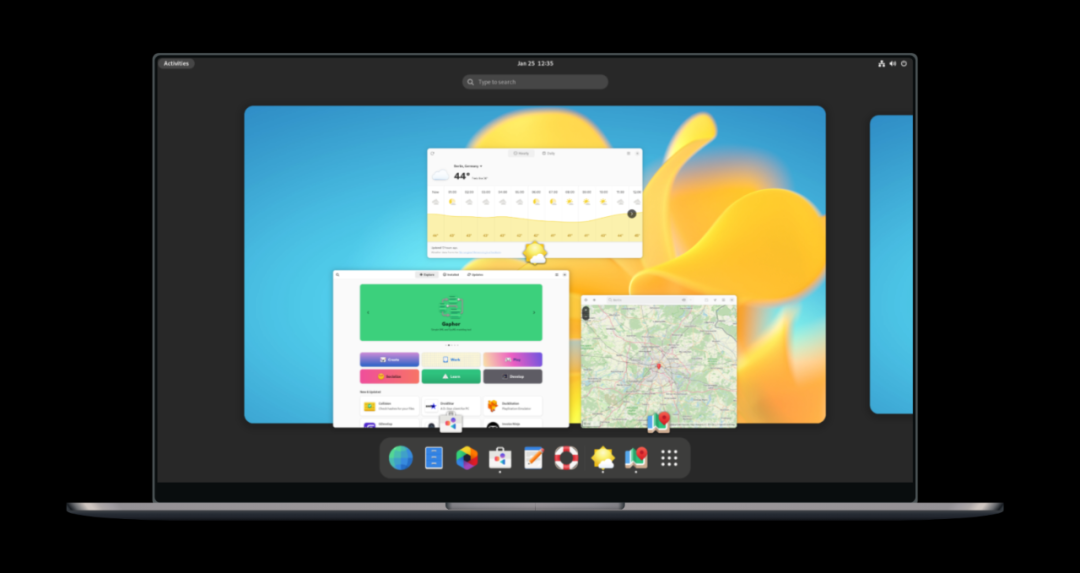
A new force in the immutable domain, having switched from an Ubuntu base to Debian after its first stable release. It aims to provide desktop users with an easy-to-use system that combines reliability and immutability.
Official website:
https://vanillaos.org/
8. Bottlerocket
Bottlerocket is an open-source operating system based on Linux, specifically built by Amazon Web Services to run containers. Bottlerocket includes only the essential software needed to run containers and ensures that the underlying software is always secure. By using Bottlerocket, customers can consistently apply configuration settings when upgrading or replacing nodes, thereby reducing maintenance overhead and automating workflows.
Bottlerocket is now fully launched, free of charge, and available as an Amazon Machine Image (AMI) for Amazon Elastic Compute Cloud (EC2).
Official website:
https://aws.amazon.com/bottlerocket/
9. blendOS
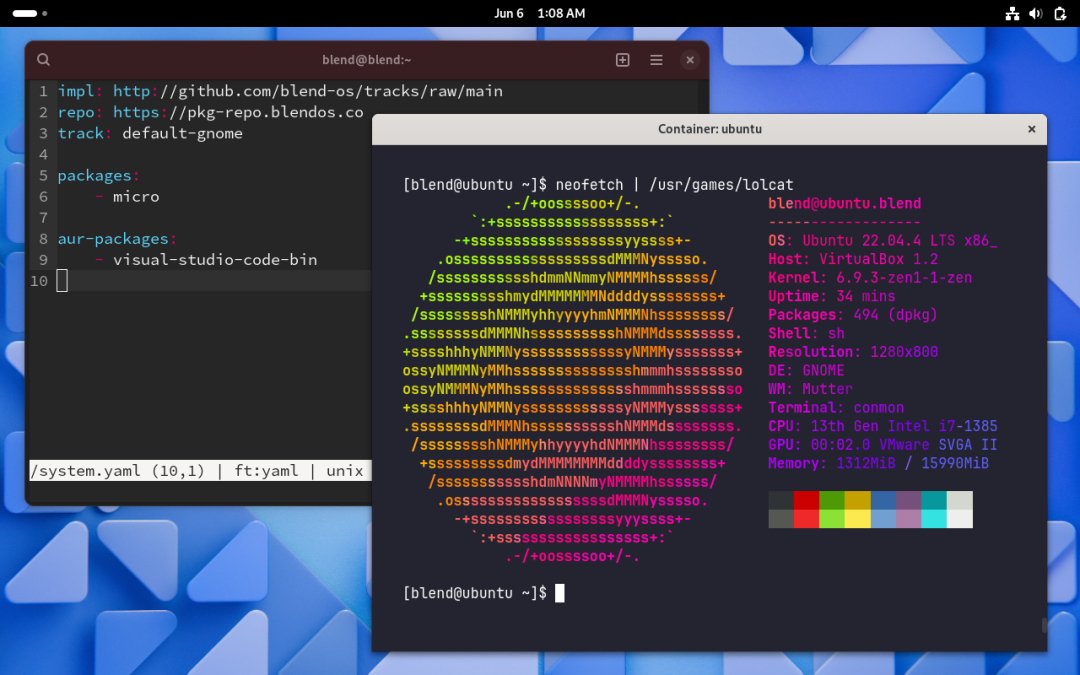
Arch Linux makes declarative, immutable, and atomic. It provides support for Android applications and available containers from Fedora, Debian, CentOS Stream, and Ubuntu, as well as system packages/DE/kernel from Arch Linux and AUR. Unlike most other operating systems, blendOS ensures that your system does not end up in a half-broken state by cleanly replacing the old root filesystem with a new one.
Official website:
https://blendos.co/
10. Talos Linux
Talos Linux is a Linux designed for Kubernetes – secure, immutable, and extremely minimal.
- Supports cloud platforms, bare metal, and virtualization platforms
- All system management is done via API. No SSH, shell, or console
- Production-ready: supports some of the largest Kubernetes clusters in the world
- Open-source project by the Sidero Labs team
Official website:
https://www.talos.dev/
11. Endless OS
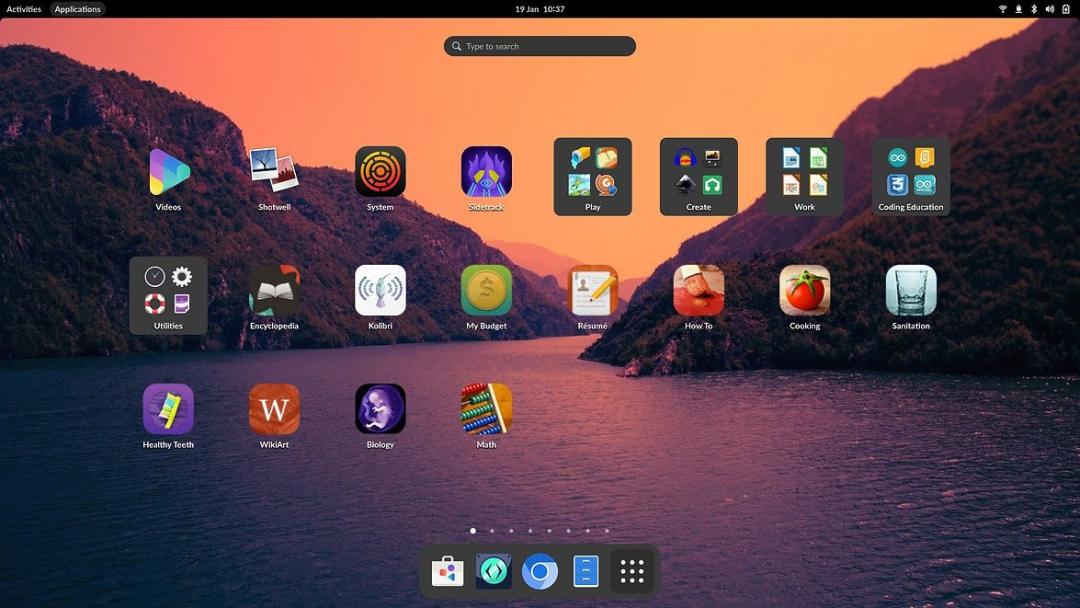
An immutable distribution based on Debian, ensuring that software updates do not compromise system stability through core immutable design, contrasting sharply with traditional Debian derivatives.
Official website:
https://www.endlessglobal.com/
12. Nitrux
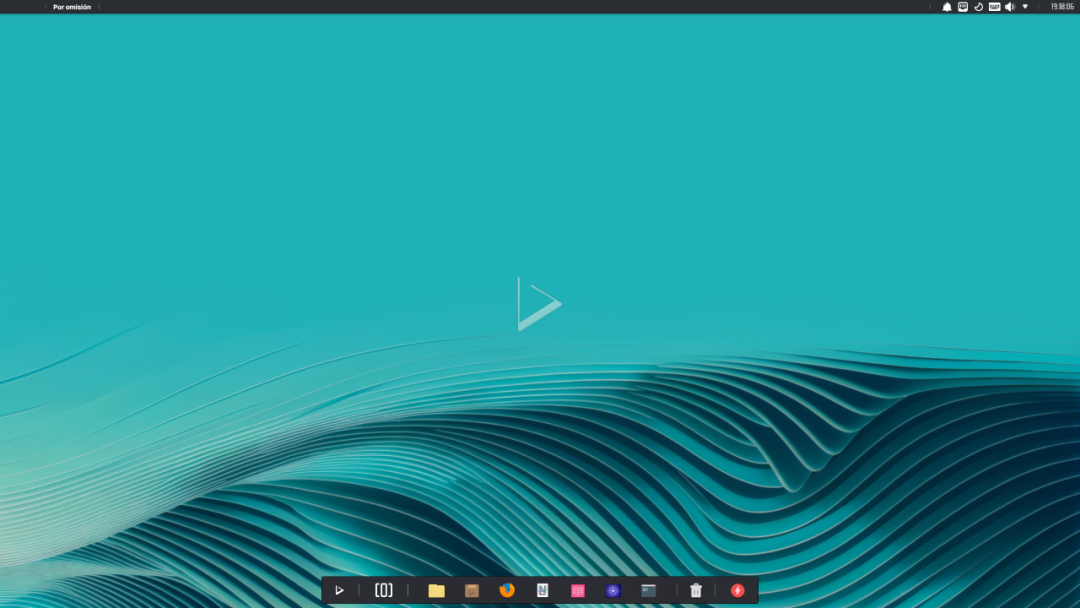
An innovative distribution based on Debian, supporting atomic upgrades (immutable features). It features a customized KDE Plasma desktop, enhancing user experience through deep optimization.
Official website:
https://nxos.org/
Immutable architecture is reshaping our understanding of operating system stability, security, and maintainability. The distributions listed in this article are pioneers and practitioners of this future trend. While they may not completely replace traditional mutable systems, they undoubtedly offer better choices, especially in modern scenarios involving containerization, cloud computing, and the pursuit of hassle-free computing.
The choice depends on your specific needs and technical background. However, understanding and paying attention to this trend is beneficial for any technology enthusiast or professional looking to “embrace the future.” Consider selecting one to try and personally experience its charm of “one-time setup, permanently reliable.”