“
In 2025, China’s humanoid robot industry will experience an explosion, with 1.2 billion yuan in orders igniting the commercialization process. As the year of mass production begins, the demand for main control chips (CPU/GPU), high real-time MCUs, and efficient GaN power devices is surging, presenting a golden opportunity for the semiconductor supply chain.
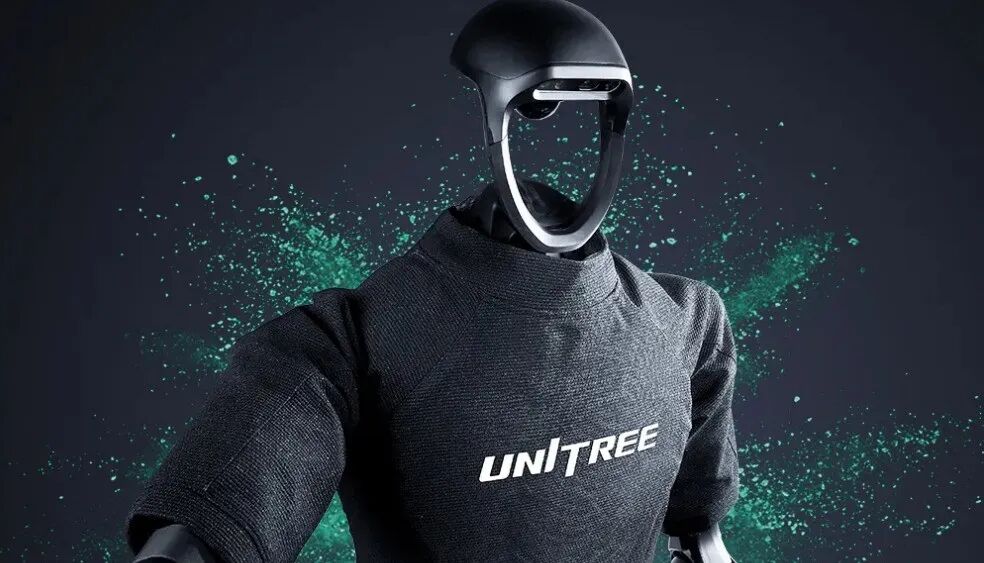
Cover | Yushu Technology
Author | Sun Yu
In 2025, the domestic humanoid robot industry will be driven by both capital and commercialization, marking the beginning of a new era in the industry.
In terms of industrial capital, early July saw a surge in financing within the domestic humanoid robot sector, with 77 financing events in the first half of the year, surpassing the total of last year (67 events), reflecting strong confidence in the commercialization of robotic technology in the capital market.
-
On July 7, Star Motion Era announced the completion of nearly 500 million yuan in Series A financing.
-
On July 8, Hangzhou Yundong Technology Co., Ltd. announced the completion of nearly 500 million yuan in a new round of financing.
-
On July 8, Zhejiang Zhiding Robot Co., Ltd. announced the completion of a new round of strategic investment.
-
On July 9, Xinghai Map announced the completion of strategic financing rounds A4 and A5, with a total financing amount exceeding 100 million USD.
-
On July 9, Kepler Robotics announced the successful completion of A+ round strategic financing.
In terms of commercialization, on July 11, Zhiyuan Robotics and Yushu Technology jointly won the procurement project for humanoid biped robot OEM services from China Mobile (Hangzhou) Information Technology Co., Ltd., with a total budget of 124.05 million yuan. Zhiyuan won a bid for a full-size humanoid biped robot order worth 78 million yuan, while Yushu won a bid for a small-size robot and accessories order worth 46.05 million yuan. This bid refreshes the record for the highest bid amount in the domestic humanoid robot field.
Zhiyuan and Yushu winning the 120 million yuan humanoid robot order from China Mobile marks the entry of the domestic humanoid robot commercialization process into a stage of large-scale implementation.
It is noteworthy that the industry generally believes that 2025 will be the year of mass production for humanoid robots. Currently, several humanoid robot companies have announced mass production plans, with quantities ranging from hundreds to thousands of units.
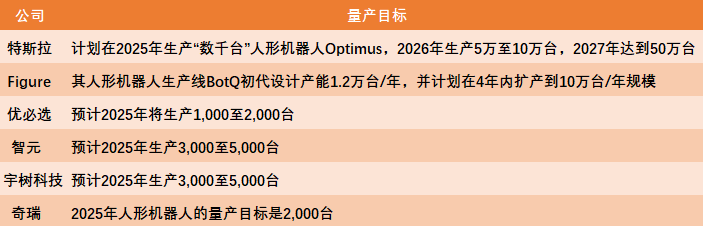
As a core component of humanoid robots, the market demand for actuators and their electronic systems, power systems, and electronic components will also rise significantly. It is expected that in the coming years, as humanoid robots gradually find applications in various fields, their electronic supply chain will experience explosive growth opportunities.
01
Main Components of Humanoid Robots
The Brain of Humanoid Robots—Main Control System
Currently, there is no specific solution for the main control system of humanoid robots, and the technical routes adopted by various companies are different. The mainstream solutions include CPU+GPU, CPU+FPGA, and GPU+ASIC.
The CPU+GPU solution is the most mature, with Tesla’s FSD chip adopting this route, where the CPU handles control, the GPU processes images, and the NPU serves as the neural processing unit, integrating numerous computing units and specialized neural network accelerators to efficiently perform complex calculations and inference tasks;
The CPU+FPGA solution has a simple development process and a short research cycle, but the price of FPGAs is relatively high, and their power consumption is also relatively high, making them unsuitable for power-sensitive applications;
The CPU+ASIC solution achieves MAC operations through a digital “storage-compute integration” method, implementing “storage-compute integration” at the circuit level. This route has high operational stability but lower parallelism and energy efficiency.
In terms of specific products, Intel’s i-series or Ultra series CPUs, NVIDIA’s Jetson series (such as Xavier NX, AGX Orin, Orin Nano, Thor, etc.), Qualcomm’s robot platform (RB series), Intel’s Core series, and Movidius VPU are mainstream choices.
Some robot companies are also exploring self-developed chips based on RISC-V or Arm architectures.
According to currently available information, UBTECH’s first-generation Walker is equipped with Intel’s i7 7500U (2.7GHz) and i5 6200U (2.3GHz), while the upgraded Walker X mainly uses i7 8665U (dual-core, 1.9GHz) along with an NVIDIA GT1030 graphics card;
Yushu Technology’s H1 series humanoid robot is standard equipped with Intel’s i5/i7 chips, with options for i7 plus NVIDIA Jetson Orin NX (single or multiple, up to 3 units);
Fourier Intelligence’s GR-1 uses Intel’s i7 13700H processor; Zhongqing Robotics’ PM01 humanoid robot uses Intel’s N97 paired with NVIDIA’s Jetson Orin chip;
Zhiyuan Robotics uses the Jetson Orin chip;
The Tian Gong General Humanoid Robot Pro version released by the Beijing Humanoid Robot Innovation Center uses Intel’s CPU and NVIDIA’s Jetson Orin chip, etc.
The “Small Brain” of Humanoid Robots—Motion Control System
MCU
In the motion control system of humanoid robots, controllers play a crucial role, acting as the “nerve endings” for precise, real-time motor control. Each or group of joint motors typically comes with a dedicated microcontroller to perform low-level servo control tasks, primarily using MCUs, but also employing DSPs, FPGAs, or higher-performance MPUs.
In terms of suppliers, there are many suppliers in the motor control MCU market, and there are currently no specific MCU products designed for humanoid robots; most are general-purpose MCU products, but the MCUs used in humanoid robots have higher requirements for real-time performance, reliability, and multi-interface capabilities.
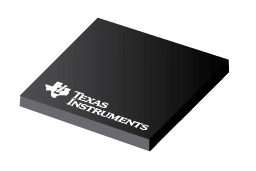
Texas Instruments’ C2000 real-time control MCU series is a benchmark product in the motor control field.
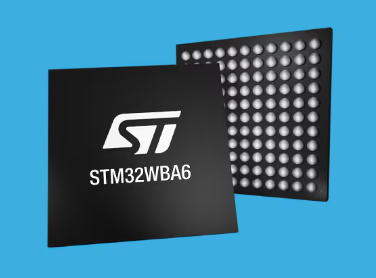
STMicroelectronics’ STM32 series MCU product line is extremely rich, based on various Arm Cortex-M0/M3/M4/M7/M33 cores, providing a wide range of options from low-cost to high-performance.
NXP’s i.MX RT series crossover MCUs (combining the real-time performance of Arm Cortex-M cores with the performance of application processors) and MCX series MCU chips are suitable for robotics and motion control.
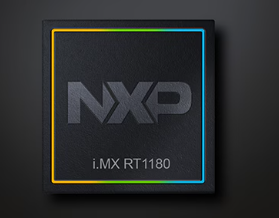
Looking at the global MCU market landscape, after understanding the situation of international leading manufacturers, it is noteworthy that Chinese chip design companies represented by GigaDevice are showing strong market competitiveness in the high-performance microcontroller field through continuous technological innovation.
Here are some representative domestic MCU companies:
GigaDevice’s chip products have long been deeply involved in the robotics field, with the GD32G553 series high-performance MCU, which uses the Arm Cortex-M33 core, with a maximum frequency of 216MHz, suitable for controlling larger joints. For more precise motion control of fine joints, the GD32H7 series MCU, which uses the Arm Cortex-M7 core and has a frequency of 600MHz, is adopted.
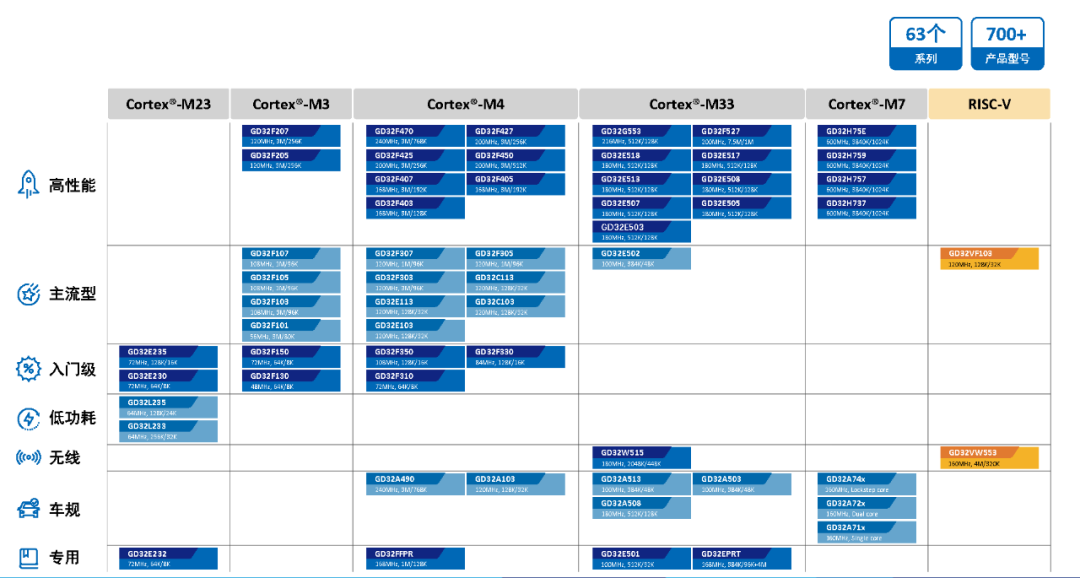
GD32 MCU product layout (Source: GigaDevice WeChat public account)
Guokai Technology has benchmark products for intelligent control fields such as embodied robots and industrial control, including the N32H78x N32H785EC N32H76x N32H765EC series MCUs. These products feature super strong computing power, ultra-fast response, ultra-high precision, high reliability, and high safety.
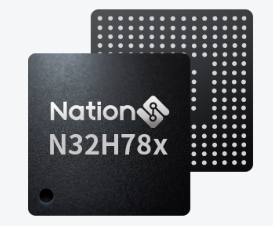
N32H78x (Source: Guokai Technology official website)
The Jihai G32R501 real-time control MCU adopts an Arm Cortex-M52 dual-core architecture, with a maximum frequency of 250MHz, supporting Arm Helium vector extension technology, providing excellent control performance for robotic rotating joints, linear joints, and dexterous hands.
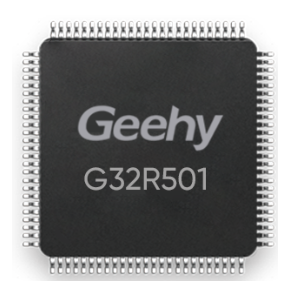
G32R501 (Source: Jihai official website)
Power Devices
Power devices are the core of the motor drive power stage, responsible for high-speed switching control of the high current supplied to the motor based on the PWM signals generated by the MCU, thus driving the motor windings to generate a rotating magnetic field. Traditionally, silicon-based MOSFETs or IGBTs are the mainstream choices, but in recent years, wide bandgap semiconductor devices represented by Gallium Nitride (GaN) FETs have emerged in fields requiring high power density and efficiency, such as humanoid robots.
According to Yole, the global GaN market is expected to reach $2.01 billion by 2029, with a compound annual growth rate of 40.6%, and the growth rate of the GaN market in the industrial sector may even exceed 50%.
Regarding GaN, the main suppliers in the market include:
TI: Provides low-voltage GaN FETs and integrated driver GaN smart power modules (such as DRV7308, LMG2100R026 half-bridge GaN power stages, and MOSFET gate drivers such as DRV8350 three-phase smart gate drivers). TI emphasizes that its GaN solutions can reduce power stage size by over 50% and support PWM control at hundreds of kHz.
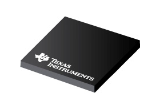
DRV7308 (Source: TI official website)
Efficient Power Conversion (EPC): A leader in enhanced GaN (eGaN) power devices, providing eGaN FETs and ePower Stage ICs (integrated power stages). Its EPC23104 ePower Stage IC (100V, 11mΩ RDS(on) typ, 15A) and its reference design EPC91104 (suitable for 14V-80V input, up to 14A continuous current) are optimized for precision motion control applications such as humanoid robots, emphasizing compact design and high efficiency. For higher power demands (such as elbow and knee motors), EPC offers EPC9176.
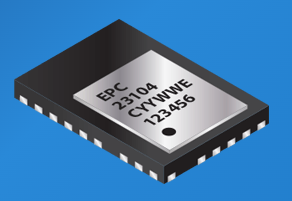
EPC23104 (Source: EPC official website)
Infineon Technologies: Offers a wide range of MOSFET products (such as the OptiMOS series) and CoolSiC MOSFETs. In the GaN field, Infineon has also launched the CoolGaN series products, including discrete GaN HEMTs and integrated drivers GaN eIceDRIVER ICs, suitable for high-efficiency, high-power density applications.
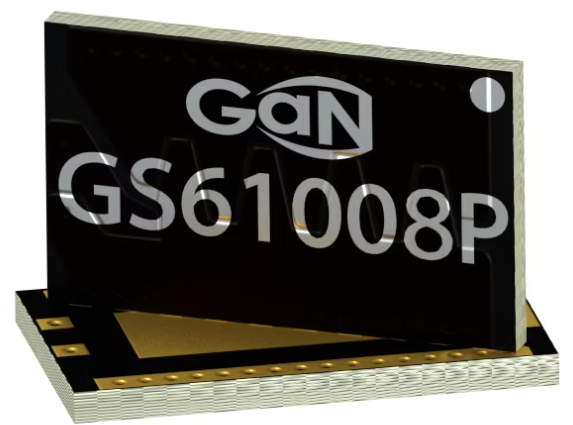
GaN HEMT GS61008P-TR (Source: Infineon official website)
ST: Provides various MOSFETs (such as STPOWER MDmesh, STRipFET series) and GaN solutions, including discrete GaN transistors and the MASTERGAN series (system-level packaging products integrating half-bridge drivers and GaN HEMTs), as well as STDRIVE GaN drivers.
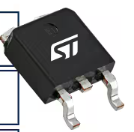
GaN e-type transistors (Source: ST official website)
Nexperia: Provides N-channel and P-channel power MOSFETs, as well as GaN FET product lines covering low to medium-high voltage applications.
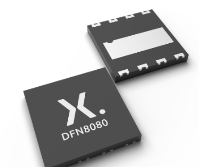
650 V e-mode GaN FETs (Source: Nexperia official website)
02
Introduction to Domestic Humanoid Robot Companies
After a deep dive into the core hardware architecture of humanoid robots, it is not difficult to see that technological breakthroughs and cost optimizations in the electronic supply chain are driving rapid iterations in humanoid robot performance. Behind this trend is the active layout and technological practice of a number of innovative domestic companies.
Here are a few representative companies in the humanoid robot field:
UBTECH: A pioneer in the field of humanoid robots in China and the “first stock of humanoid robots,” models like Walker X demonstrate potential in household services and elderly care.
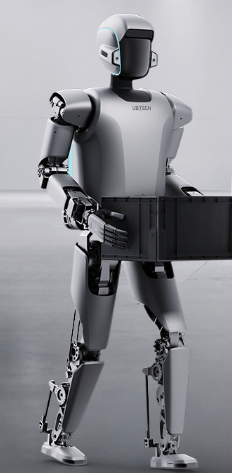
walkerS1 (Source: UBTECH official website)
Yushu Technology: In recent years, it has launched its general-purpose humanoid robot H1, which has gained widespread market attention, showcasing the progress of Chinese companies in core motion components and control algorithms for robots.
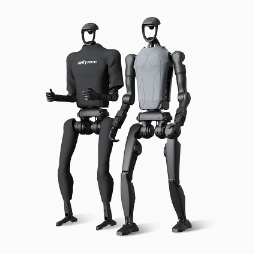
H1 (Source: Yushu Technology official website)
Zhiyuan Robotics: Founded by the highly regarded former Huawei “genius youth” project member Peng Zhihui (Zhihui Jun), its humanoid robot “Expedition A2” features high reliability, lightweight design, and ultra-high slot filling rate winding technology for mass production of self-developed integrated joints, with a peak torque of 430N·m and a motor torque density of 50Nm/Kg, supporting long-term stable walking.
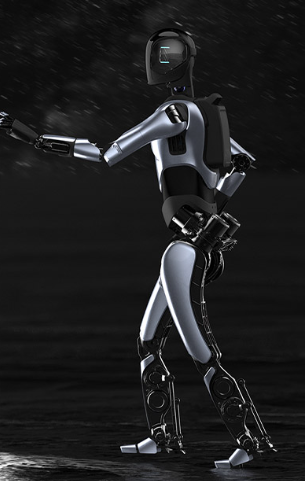
Expedition A2 (Source: Zhiyuan official website)
03
Final Thoughts
Currently and in the future, the product forms and technical characteristics of humanoid robots are evolving towards being smarter and more economical. The MCUs required for humanoid robots have higher demands for real-time performance, reliability, and multi-interface capabilities. In terms of power devices, GaN has become an important choice for humanoid robot actuators due to its high efficiency and high power density characteristics. The improvement of GaN product performance, integration, and advanced packaging and heat dissipation will be a major research direction for future products.
The relentless pursuit of high-performance electronic components in humanoid robots is driving related chips to evolve towards higher performance, higher integration, higher energy efficiency, higher reliability, and stronger intelligence. The era of humanoid robots is accelerating its arrival, and the maturity and development of their electronic supply chain is an inevitable requirement for humanoid robots to transition from laboratory to commercial applications, meeting the demands of real-world scenarios.
#NXP #ST #GaN #MCU
This article is an original piece from the Semiconductor Device Application Network. Unauthorized reproduction is prohibited, and legal action will be pursued.
More quality public account recommendations
▲Click the card above to follow
Deeply tracking the dynamics of major connector manufacturers and analyzing popular technology trends in the industry
▲Click the card above to follow
Focusing on the latest news and authoritative interpretations in the electronic transformer and inductor industry
— Previous Recommendations —

END
Star Mark Us · Don’t Miss Every New Push




① Click the card area “…”
② Click “Set as Star Mark”
Looking forward to your one-click three connections~

Like
Forward
View