Linux Basics: A Comprehensive Guide to the Vim Editor

Introduction During the use of Linux, we often need to edit configuration files, write scripts, or modify log files. The most commonly used, classic, and also the most “love-hate” tool for beginners is the Vim editor. Vim is one of the most important text editors in the Linux world. It is lightweight, powerful, and almost … Read more

Comprehensive Guide to Linux vi/vim

Comprehensive Guide to Linux vi/vim

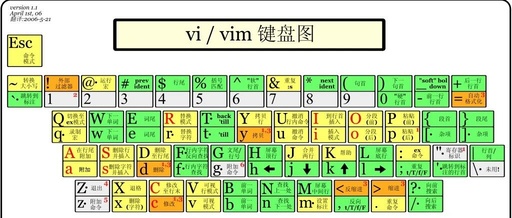
Linux vi/vim All Unix-like systems come with the vi text editor built-in, while other text editors may not necessarily be present. However, the editor we use more frequently nowadays is the vim editor. Vim has the capability of program editing, actively distinguishing syntax correctness with font colors, which is convenient for program design. What is … Read more

Linux (12): Editing Files with Nano

Linux (12): Editing Files with Nano

1. Core Purpose & Concepts Core Purpose: Use the <span>nano</span> simple, user-friendly terminal text editor to create and modify text files directly in the command line interface without launching a graphical program. Core Terminology: <span>nano</span>: A command-line text editor that is pre-installed in most Linux distributions and suitable for beginners. Terminal-based editor: An editor that … Read more

What is Nano?

What is Nano?

What is Nano? Chapter Zero: The Difficult Beginning – How to Open Your “Command Line” The “command line” or “terminal” is the gateway to the world of experts. It is a program without a graphical interface, where you command the computer by entering text commands. Nano lives here. The way to open it varies across … Read more

Daily Linux Command: Vim

Daily Linux Command: Vim

<span>vim</span> is a very powerful and commonly used text editor in Linux, and it is an enhanced version of the <span>vi</span> editor. Although beginners may find it difficult to get started, once familiar, its efficiency and powerful features will greatly improve your editing productivity. 🧾 Basic Command Format: vim [filename] For example: vim myfile.txt 🧠 … Read more

Day 11: The King of Text Editing in Linux: A Comprehensive Guide to the Vim Editor

Day 11: The King of Text Editing in Linux: A Comprehensive Guide to the Vim Editor

Vim (Vi IMproved) is a powerful terminal text editor, serving as a valuable assistant for programmers and system administrators in UNIX/Linux environments. Unlike graphical editors, Vim is keyboard-centric, emphasizing efficiency and precise control. 🧩 1. What is Vim? Vim is an enhanced version of the early UNIX editor <span><span>vi</span></span>, focusing on extensibility, customizability, and high … Read more

A Keyboard from 50 Years Ago That Influenced All Linux Developers Today

A Keyboard from 50 Years Ago That Influenced All Linux Developers Today

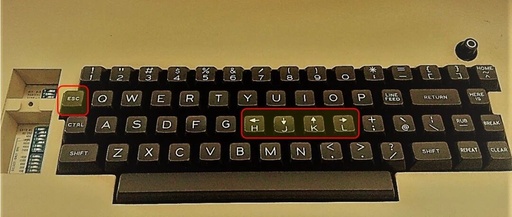
In 1969, Ken Thompson developed the UNIX system at Bell Labs in just three weeks, with the editor ed completed in only one week. However, this command-line editor was originally designed to accommodate teleprinters rather than display terminals. As a result, ed does not allow you to directly modify a line of text in an … Read more

Implementing a Simple Text Editor in C Language

Implementing a Simple Text Editor in C Language

Implementing a Simple Text Editor in C Language In this article, we will implement a simple text editor using the C language. This editor will be able to read, display, and save text files, making it suitable for beginners to understand basic file operations and string handling. Requirements Analysis We aim to implement the following … Read more

Implementing a Simple Text Editor in C Language

Implementing a Simple Text Editor in C Language

Implementing a Simple Text Editor in C Language In this article, we will learn how to implement a simple text editor using the C language. This text editor will be able to perform basic file operations such as opening, reading, writing, and saving files. Our goal is to help beginner users understand how to handle … Read more

Linux Basic Commands – Issue 176

Linux Basic Commands - Issue 176

Linux is currently the most widely used server operating system, based on Unix, open-source and free. Due to its system stability and security, it has a high market share and has almost become the best system environment for running program code. Linux can not only run the program code we write for a long time, … Read more