ETag and HTTP Caching
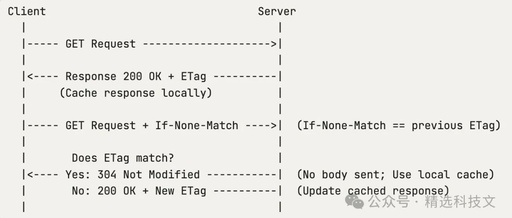
ETag and HTTP Caching

A practical scenario for the HTTP ETag header is for client HTTP caching of GET requests. Additionally, the caching workflow also requires handling other conditional HTTP headers, such as If-Match or If-None-Match. However, the interaction of these headers can sometimes seem a bit complex. Whenever I need to deal with this issue, I always spend … Read more

Go Language Static Resource Service: HTTP Cache Control and ETag Validation Mechanism

Go Language Static Resource Service: HTTP Cache Control and ETag Validation Mechanism

Click the above“blue text” to follow us “Encountering this problem again?” When images on the website load slowly, users start complaining, and the operations team looks confused at the server monitoring. This scene is too familiar, right? In fact, this may be due to improper caching of static resources. In Go language development, correctly implementing … Read more

How Multi-Agents Collaborate

How Multi-Agents Collaborate

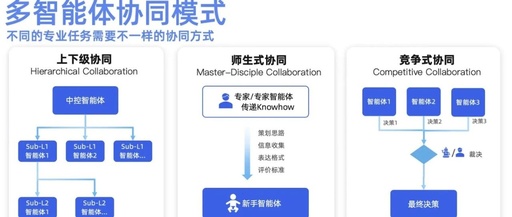
In the execution of real AI projects, a single agent is often insufficient to meet current demands, which is where multi-agent collaboration comes into play. Multi-Agents vs. Single Agent Generally, multi-agents can “play” multiple roles, greatly expanding their capabilities. They can achieve task planning and allocation, cooperate with each other, communicate, make distributed decisions, engage … Read more