TCP/IP Communication Protocol (2) – LwIP Memory Management

TCP/IP Communication Protocol (2) - LwIP Memory Management

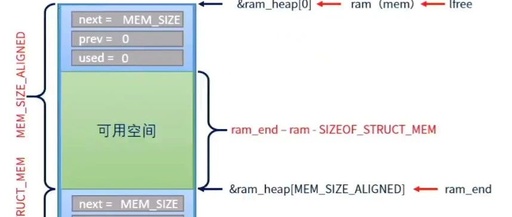
5. LwIP Memory Management 1. What is Memory Management? (1) Memory management refers to the techniques used for the allocation and utilization of computer memory resources during software execution. Its main purpose is to efficiently and quickly allocate memory and to release and reclaim memory resources at appropriate times (similar to the malloc and free … Read more

C Language Essentials: In-Depth Analysis of Dynamic Memory Management

C Language Essentials: In-Depth Analysis of Dynamic Memory Management

Click the blue “One Click Linux” in the upper left corner, and select “Set as Favorite“ Get the latest technical articles first ☞【Essentials】Learning Path for Embedded Driver Engineers ☞【Essentials】Linux Embedded Knowledge Points – Mind Map – Free Access ☞【Employment】A Comprehensive IoT Project Based on Linux for Your Resume ☞【Employment】Resume Template Dynamic memory management is a … Read more

Memory Management Implementation in Embedded Systems: From Static Allocation to Dynamic Memory Pools

Memory Management Implementation in Embedded Systems: From Static Allocation to Dynamic Memory Pools

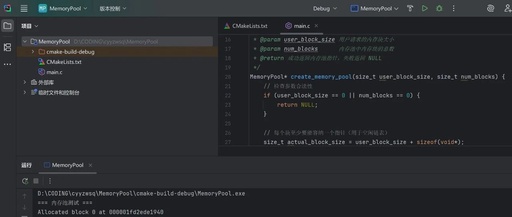
Memory Management Implementation in Embedded Systems: From Static Allocation to Dynamic Memory Pools Introduction In resource-constrained embedded systems, the efficiency and reliability of memory management are particularly important. This article will detail commonly used memory management techniques in embedded systems, from simple static allocation to complex dynamic memory pool implementations. Static Memory Management Fixed Partition … Read more