Everyone knows that electronic products rely on PCBs (Printed Circuit Boards), which act like the “brain” of electronic devices, controlling various functions. But did you know? One of the key factors determining PCB performance is actually the “thickness of the copper”! Today, we will delve into how copper thickness determines the quality and lifespan of electronic products!
1. Conductivity – Stable Current, No Circuit Failures
Copper is the conductive material in circuit boards; the thicker the copper layer, the smoother the current flow, and the more stable the signal transmission. If the copper layer is too thin, the current will be unstable, signals are likely to be lost, and the circuit may encounter issues. It’s like a water pipe that is too narrow; the water flow is obstructed, just as the current can get “stuck”.
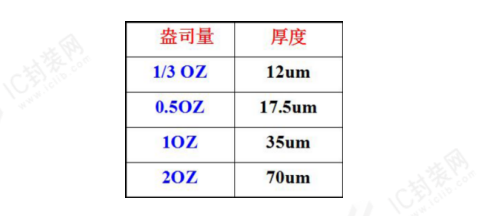
(Figure 1: How Copper Thickness Affects Current)
2. Heat Dissipation – Heat Up Quickly, Cool Down Just as Fast!
Modern electronic devices have increasing power, leading to more serious heat generation. The thickness of the copper layer determines its heat dissipation effectiveness. If the copper layer is too thin, heat cannot escape, causing the device to overheat and components to fail. It’s like a rice cooker; a thick bottom allows heat to dissipate quickly, preventing overheating.
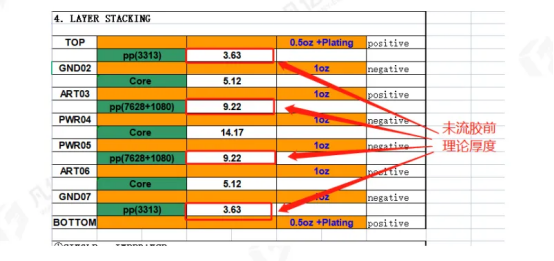
(Figure 2: The Relationship Between Copper Thickness and Heat Dissipation)
3. Stability – Withstanding Wear and Tear for Longer Use
In addition to conductivity and heat dissipation, copper thickness also determines the strength of the circuit board. If the copper layer is thick enough, the circuit board is less likely to bend or break, and the soldering quality is better, leading to a longer lifespan. Simply put, the thicker the copper, the sturdier the circuit board, making it less prone to damage!
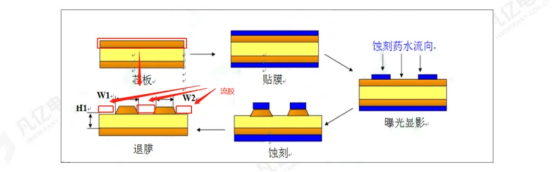
(Figure 3: The Relationship Between Copper Thickness and Circuit Board Durability)
4. Cost and Performance – Finding the Optimal Balance
Of course, while a thicker copper layer is beneficial, it also increases costs. PCB manufacturers must choose the copper thickness based on product requirements and budget. It’s like buying a phone; good performance is important, but the price must also be reasonable. Finding the “golden thickness” of copper ensures product quality without wasting costs.
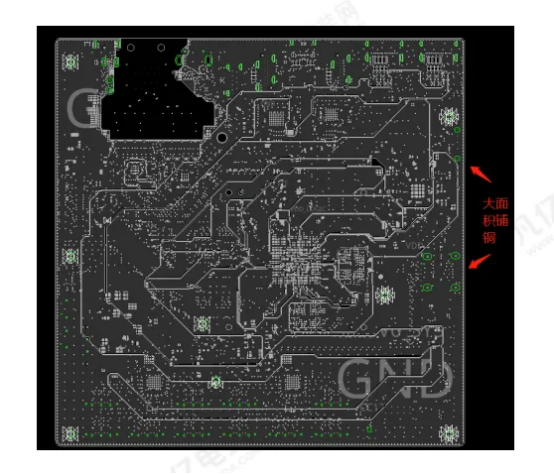
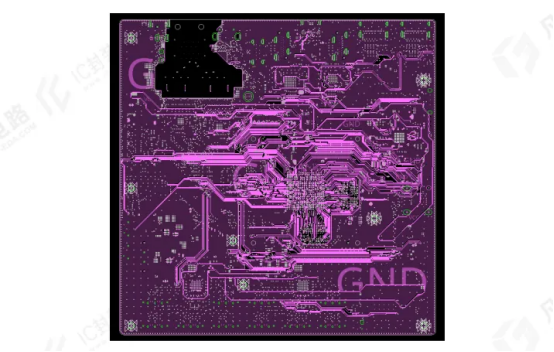 (Figure 4: Cost and Performance Comparison of Different Copper Thicknesses)
The Conclusion: Copper Thickness is the “Health Guarantee” for Electronic Products!In summary, copper thickness significantly impacts the conductivity, heat dissipation, stability, and durability of PCBs. Choosing the appropriate copper thickness ensures that electronic products operate better, last longer, and avoid frequent failures. So, the next time you use an electronic product, don’t forget that layer of copper behind the scenes; it silently supports the “healthy” operation of your device!
Note:This article is an original piece by Fan Yi Education, please indicate the source when reprinting!For submissions/recruitment/advertising/course collaboration/resource exchange, please add WeChat: 13237418207