Is the Future Here? The Debut of Robot Butlers
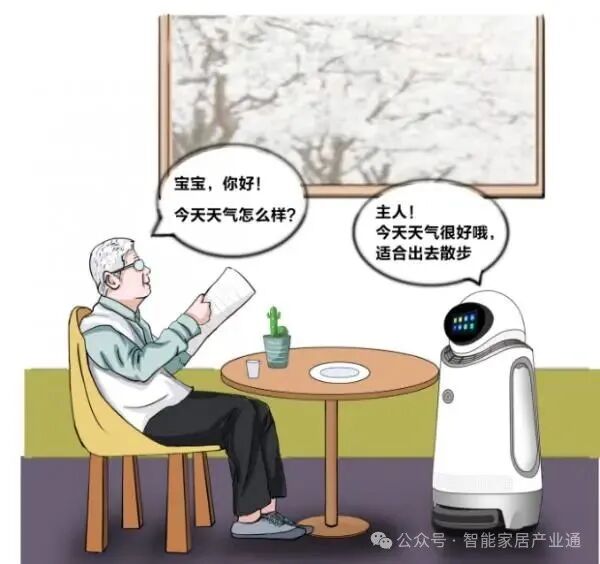 In many science fiction movies, we often see such desirable scenes: after a busy day, the protagonist returns home, and the robot butler immediately greets them, kindly taking their coat, then methodically preparing dinner, adjusting the indoor temperature, and even playing soothing music according to the owner’s mood. Like Andrew from “Bicentennial Man,” who not only handles household chores but also forms deep emotional connections with humans and participates in family affairs; or David from “A.I. Artificial Intelligence,” who, while not a traditional butler, showcases the deep integration of robots into family roles through his love and loyalty to his mother. These vivid portrayals have made robot butlers a beautiful aspiration for many regarding future living.
Once upon a time, these scenes seemed to exist only in the realm of fantasy. However, with the relentless advance of technology, robot butlers have quietly transitioned from science fiction to reality, gradually becoming the new focus in the smart home sector. Today, when we talk about smart homes, we no longer limit ourselves to single devices like smart speakers and smart bulbs; instead, we are moving towards a more integrated and humanized direction, with robot butlers being the epitome of this trend. Their emergence prompts us to ponder: could robot butlers be the ultimate form of smart homes?
The Evolution of Smart Homes: From Individual Intelligence to Systematic Interaction
The development of smart homes has not been a sudden occurrence but rather a long evolutionary process. Looking back, the seeds of smart homes can be traced back to the late 1990s when some forward-thinking tech companies began to integrate electronic technology into home devices. Simple automation devices began to emerge, such as appliances with timers and automated irrigation systems. Although these devices lacked networking and intelligent interaction capabilities, they laid the foundation for the development of smart homes.
The true emergence of smart individual products appeared around 2010, with the advancement of Internet of Things (IoT) technology, leading to the introduction of smart bulbs, smart sockets, and other products into the public eye. Users could easily achieve remote control through mobile apps, such as turning on the air conditioning at home while on the way back from work, allowing them to enjoy a comfortable temperature upon entering the house; or turning off the lights from the office if they forgot to do so. However, these early smart products were like isolated islands scattered everywhere, each requiring a separate app for control, lacking effective interaction, making usage cumbersome and difficult to leverage the overall advantages of smart homes.
To address this issue, the industry began to develop towards systematic interaction. The emergence of smart speakers became a key turning point in this transition. Smart speakers, represented by Amazon Echo and Xiaomi Xiao Ai, quickly became the core of smart home systems due to their powerful voice interaction capabilities and central control functions. Users only need to issue simple voice commands to control multiple devices such as lights, curtains, and smart TVs simultaneously, achieving scene-based interaction. For example, saying “I want to watch a movie” allows the smart speaker to automatically turn off the lights, close the curtains, and turn on the TV and projector, creating a cinema-like atmosphere.
In this process, the unification and standardization of communication protocols are crucial. In the past, different brands of smart devices used their proprietary protocols, akin to people speaking different languages, making smooth communication impossible and severely hindering the realization of system interaction. Today, with the widespread adoption of universal communication protocols such as ZigBee and Wi-Fi 6, along with major platforms actively promoting open ecosystems, compatibility between devices from different brands has greatly improved, allowing users to freely choose high-quality products from various brands to build personalized smart home systems.
Robot Butlers: The “Super Brain” of Smart Homes
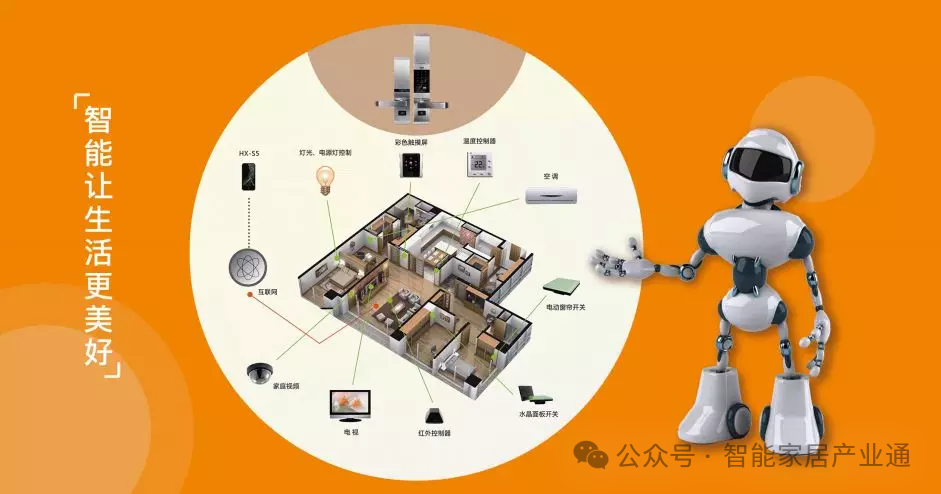
As smart homes transition from individual intelligence to systematic interaction, the emergence of robot butlers marks a significant leap in the smart home field. They are no longer isolated smart devices but the core hub of the entire smart home ecosystem, akin to a “super brain” in the household, providing users with unprecedented convenience and intelligent experiences.
1. Unique Functions Unveiled
After a busy day, you return home tired and simply say, “I’m back.” The robot butler quickly responds, warmly welcoming you, taking your coat and hanging it up, while methodically issuing commands: instructing the vacuum robot to clean the floor, preheating the smart oven for dinner, adjusting the indoor temperature to the most comfortable state, and even playing soothing music to dispel your fatigue from the day. This is not an unattainable fantasy but a daily scene that robot butlers can achieve.
One of the core functions of the robot butler is its powerful command reception and task allocation capabilities. When it receives the owner’s instructions, it can coordinate various household robots and smart devices like an experienced commander, precisely orchestrating their collaboration. Like a carefully arranged symphony, each instrument plays its part under the conductor’s guidance, creating a harmonious melody together. For instance, when you plan to host a family gathering and tell the robot butler to “prepare for the party,” it will immediately notify the smart lighting system to create a warm and cheerful atmosphere, instruct the air purifier to quickly clean the air, arrange the window-cleaning robot to clean the windows, and coordinate kitchen appliances to prepare delicious food, all proceeding in an orderly manner under its orchestration.
In addition to task management, the robot butler is also a knowledgeable life assistant, ready to answer your questions. Whether it’s checking tomorrow’s weather, understanding the latest news, or inquiring about the cooking steps for a complex dish, it can quickly provide accurate answers, as if having a know-it-all by your side. Moreover, as usage time increases, it can continuously optimize its responses through learning, becoming more aligned with your needs.
Even more astonishing is that the robot butler possesses a certain degree of autonomous decision-making ability. When encountering common situations, it can make reasonable judgments based on preset rules and real-time environmental perception without waiting for the owner’s instructions. For example, when it detects a decline in indoor air quality, it will automatically activate the air purifier; if it finds a window left open and rain is imminent, it will proactively close the window to prevent rainwater from wetting indoor items. This autonomy greatly enhances the safety and convenience of home life, allowing you to not worry about household chores constantly.
2. What Technologies Support It?
The powerful functions of the robot butler are supported by a series of advanced technologies. Artificial intelligence (AI) and machine learning technologies are the source of its “intelligence.” By learning from vast amounts of data, the robot butler can understand human language, behavior patterns, and living habits, thus achieving more intelligent interaction and decision-making. Just as humans become smarter and more flexible through continuous learning, the robot butler also evolves through ongoing learning processes. It can automatically adjust the timing of lights and appliances based on your daily routines; by analyzing your past shopping records, it can recommend necessary household items, truly achieving “understanding your thoughts and providing what you need.”
Computer vision technology gives the robot butler “eyes,” enabling it to perceive the surrounding environment. With cameras and advanced image recognition algorithms, it can identify various items, furniture, and family members in the home, achieving precise navigation and operation. For instance, in object retrieval tasks, it can quickly locate the target item’s position and accurately grasp it, just like we easily find what we want in a familiar room. Additionally, computer vision technology also equips the robot butler with security monitoring capabilities, allowing it to promptly alert the owner in case of abnormal intrusions or emergencies such as fire or water leaks, safeguarding home security.
Voice recognition and natural language processing technologies create a bridge for the robot butler to communicate with humans. It can accurately recognize different people’s voices and accents, understand the meanings of various natural language expressions, and respond in a natural and fluent manner. Whether it’s a soft inquiry or an urgent command, it can quickly capture and respond correctly. Moreover, through natural language processing technology, the robot butler can also understand the implied intentions and emotional tones in language, providing more humanized services. When you say, “I’m so tired” in a weary tone, it not only understands your physical state but may also proactively play soothing music or prepare a cup of hot tea, offering thoughtful care.
Is It the “Ultimate Form” or a New Starting Point?
1. Envisioning the Future
If robot butlers truly become the ultimate form of smart homes, our lives will undergo tremendous changes. In terms of home security, robot butlers will become a solid line of defense for family safety. They can monitor every corner of the home 24/7 through high-definition cameras and advanced sensors, accurately identifying abnormal situations. When a stranger intrudes, they will immediately sound an alarm and transmit real-time footage to the owner’s phone while automatically contacting the police; in emergencies like fire or water leaks, they can also respond quickly, activating fire extinguishing devices or shutting off water valves to minimize losses.
Health management will also become more scientific and convenient. Robot butlers can connect with various smart health devices, such as smart wristbands, blood pressure monitors, and blood glucose meters, to collect health data from family members in real-time and utilize powerful data analysis capabilities to create personalized health plans for each individual. They will remind the elderly to take their medication on time, supervise children to maintain proper posture, and provide professional advice on diet and exercise based on family members’ health conditions. For example, when detecting that the owner’s blood pressure is high, it will automatically adjust the diet plan, recommending low-salt, low-fat recipes, and remind the owner to increase physical activity appropriately.
Life services will cover all aspects. In the morning, at the set wake-up time, the robot butler will gently play soothing music, slowly open the curtains to let sunlight into the room, and prepare a delicious breakfast. When leaving for work, it will kindly remind the owner to take important items and plan the best travel route based on traffic conditions. Before the owner returns home, it will preemptively turn on the air conditioning to adjust the indoor temperature and prepare hot water for the owner to wash up. During leisure time, it can play with children, assist with homework, tell stories to the elderly, or select a suitable movie based on the family’s preferences, creating a warm family atmosphere.
2. Real-World Challenges
However, while the ideal is appealing, reality is often stark. Despite the promising prospects of robot butlers, their development still faces numerous real-world challenges. From a technical perspective, energy sustainability is a significant issue. Robot butlers need to operate continuously to complete various tasks, but existing battery technology struggles to meet their long-term high energy consumption needs. Frequent recharging not only affects the user experience but also limits the robot butler’s range of activities and work efficiency. It’s like an athlete who constantly needs to recharge and cannot fully unleash their potential on the field.
Adapting to complex environments is also a bottleneck that urgently needs to be overcome. Home environments are ever-changing, filled with irregular spaces, obstacles, and dynamic scenes, which impose high demands on the navigation and operational capabilities of robot butlers. Currently, robots often struggle with complex terrains, narrow passages, or suddenly appearing obstacles, leading to stuttering, collisions, or even getting lost, making it difficult to respond flexibly like humans. For instance, in a children’s room filled with toys, the robot butler may trip over toys and fail to complete cleaning tasks smoothly.
Cost barriers cannot be overlooked either. Developing and producing robot butlers with powerful functions requires substantial investment in funds and manpower, involving top technologies and high-end components from multiple fields such as artificial intelligence, mechanical engineering, and electronic technology, which keeps the price of robot butlers high. For most ordinary families, the steep price exceeds their affordability, limiting the market penetration of robot butlers. Like luxury goods, they are desirable but only a few can afford them.
Market acceptance also presents challenges. Consumer perceptions and usage habits significantly influence the widespread adoption of robot butlers. Some people have concerns about the reliability and safety of robot butlers, fearing that they may malfunction or leak personal privacy; others are accustomed to traditional home living and are slow to accept new technologies, believing that robot butlers will strip away the “human touch” from family life. These shifts in perception and habits do not happen overnight and require time and continuous market cultivation.
Where Is Smart Home Headed?
Robot butlers outline an imaginative blueprint for the development of smart homes. Despite facing numerous challenges today, they undoubtedly represent an important direction for the evolution of smart homes. Are they the ultimate form of smart homes, or merely a new starting point towards a future of intelligent living? The answer to this question may take time to reveal.
In this era of rapid technological advancement, we have reason to believe that as technology continues to break through and innovate, the dilemmas faced by robot butlers will eventually be overcome. Perhaps in the near future, robot butlers will truly become an indispensable part of our families, ushering in an unprecedented new chapter of intelligent living.
Disclaimer: Images and materials are sourced from publicly available resources on the internet, and this writing is intended to convey industry information. If there are any inaccuracies, please feel free to correct them. If there are any infringements, please add the author’s WeChat to delete the article.