What is MQTT?
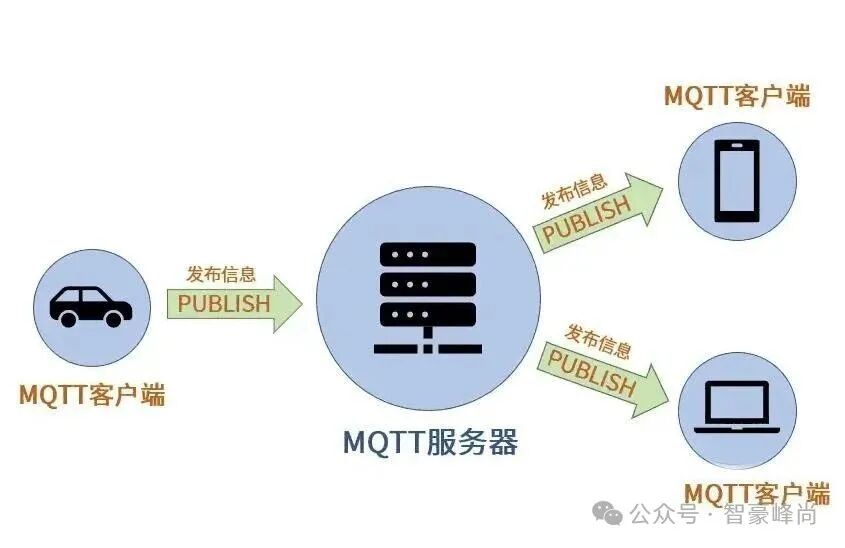
In the world of the Internet of Things (IoT), devices need to communicate with each other. They share data such as temperature, speed, or light levels. One protocol that facilitates this communication simply and efficiently is MQTT.
MQTT stands for Message Queuing Telemetry Transport. It was designed for small devices with limited power or slow internet connections. It operates effectively even when the connection is weak.
How MQTT Works
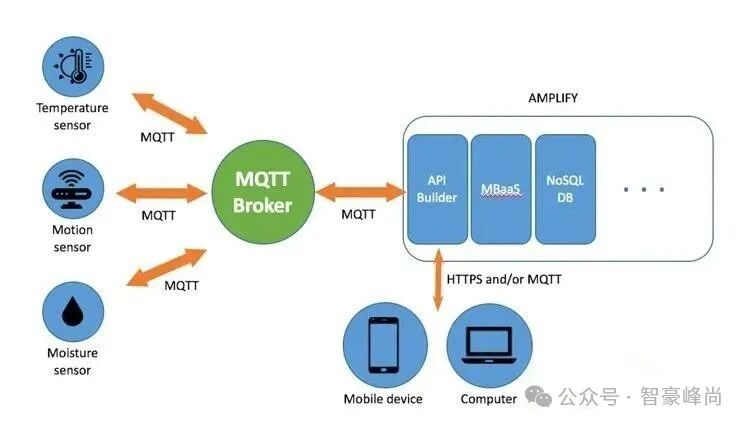
MQTT employs a “publish-subscribe” model. Think of it as a radio system.
– Publish: Devices that send data are referred to as “publishers.” For instance, a temperature sensor measuring 25 degrees Celsius “publishes” this information.
– Subscribe: Devices that wish to receive data are called “subscribers.” A mobile app that displays room temperature “subscribes” to receive updates.
– Broker: The central component is the “broker.” It functions like a radio tower. Publishers send data to the broker, which then distributes this data to all subscribers that require it.
Topics: Organizing Data
Data in MQTT is organized by “topics.” A topic is a simple name, such as “home/bedroom/temp” or “car/speed.”
– Publishers select a topic when sending data. A bedroom sensor publishes to “home/bedroom/temp.”
– Subscribers choose topics of interest. The mobile app subscribes to “home/bedroom/temp” to receive updates from that sensor.
Topics can have multiple levels, separated by slashes. This structure aids in organizing data in extensive systems with numerous devices.
Why MQTT is Beneficial for IoT
– Small Data Size: MQTT messages are compact. This conserves power and bandwidth, which is crucial for battery-operated sensors.
– Resilience with Poor Connections: If a device loses connectivity, MQTT can resume from where it left off once the connection is restored.
– Simplicity: It is straightforward to set up and use, even for small devices with limited capabilities.
– Scalability: It can accommodate numerous devices simultaneously. A broker can manage thousands of sensors and applications without issues.
Examples of MQTT in Action
– Smart Home: Lights, thermostats, and locks utilize MQTT. The thermostat publishes temperature data to “home/thermostat,” and the heater subscribes to this topic to activate or deactivate.
– Agriculture: Soil moisture sensors publish data to “farm/field1/moisture.” A sprinkler system subscribes and activates when the soil is dry.
– Urban Traffic: Traffic lights transmit real-time data to a broker. Applications for drivers subscribe to receive updates on traffic congestion.
In summary, MQTT is a simple, efficient protocol that enables IoT devices to share data effectively. It enhances our connected world, one small message at a time.