——2025 Humanoid Robot
The rapid development of AI large models has propelled the humanoid robot industry forward. Beyond the large models, the hardware and software of humanoid robots are also critical considerations…
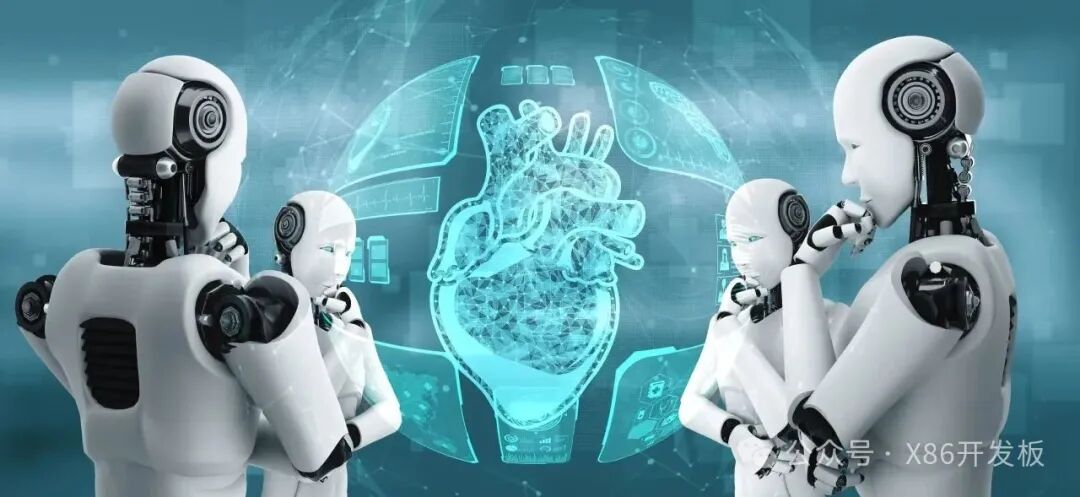
Humanoid robots face three major key technologies and challenges:servo control, artificial intelligence, and motion control. These can be subdivided into (power and energy management, mechanical design and motion control, perception and perception processing, intelligent decision-making and planning, human-computer interaction and safety, cost and availability.)
Motion Controller
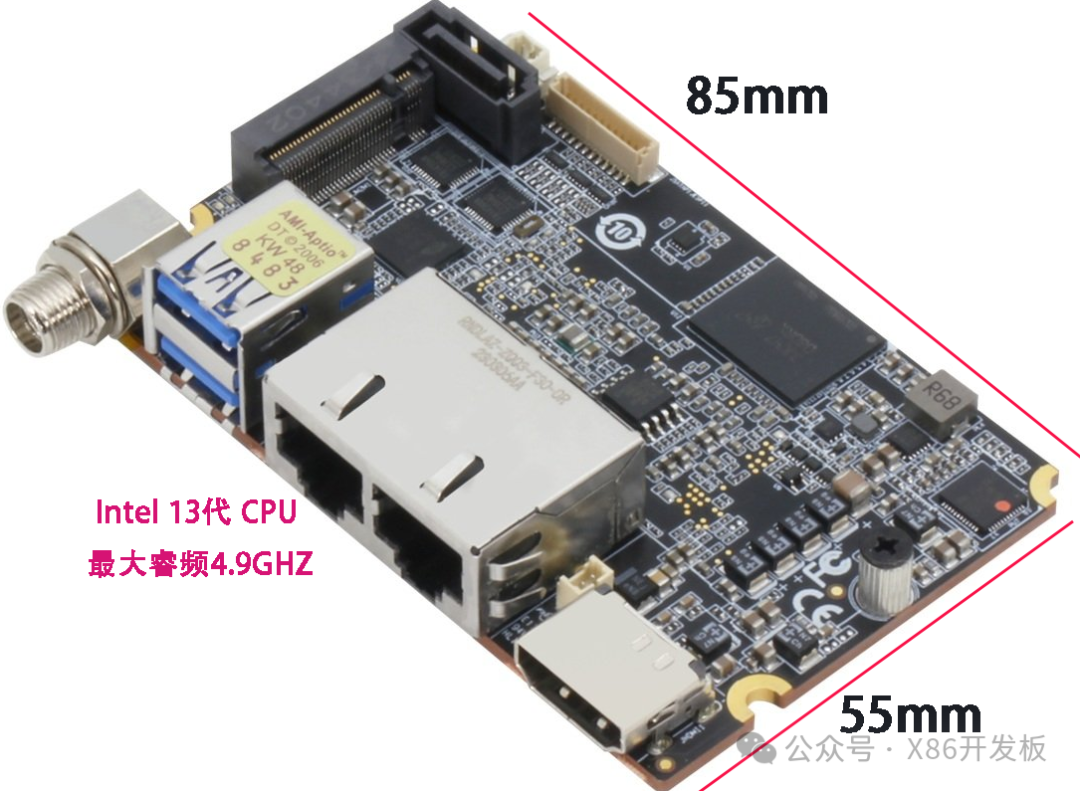
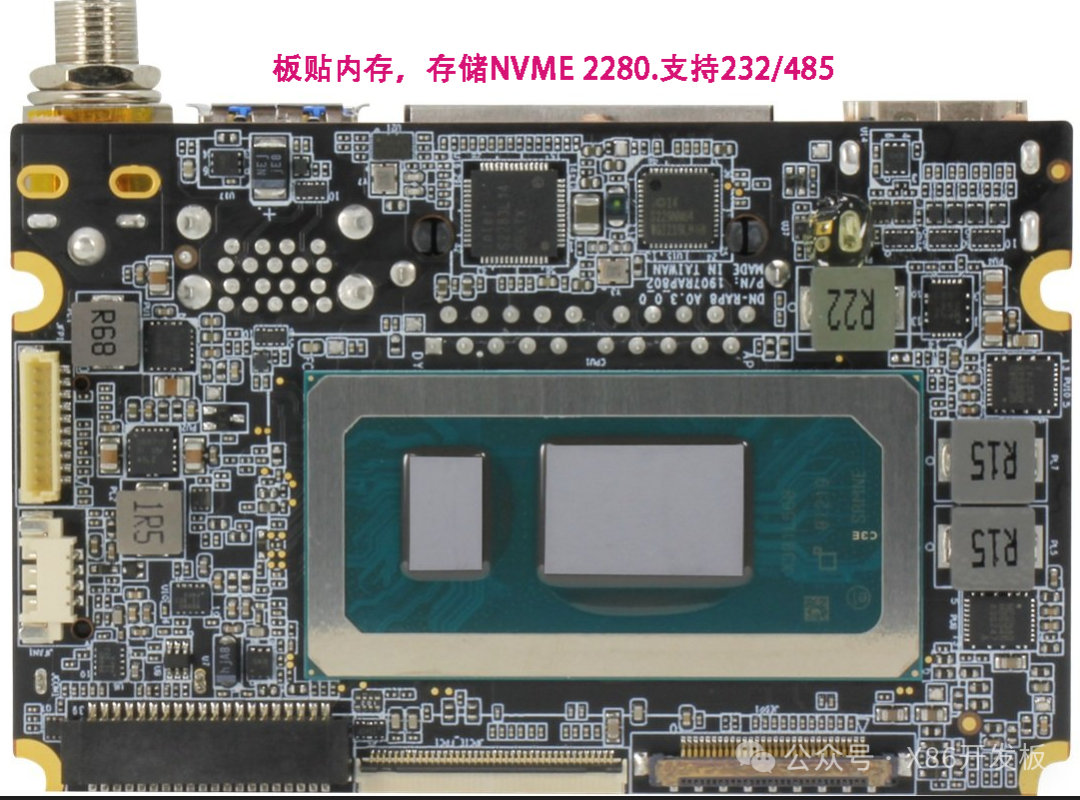
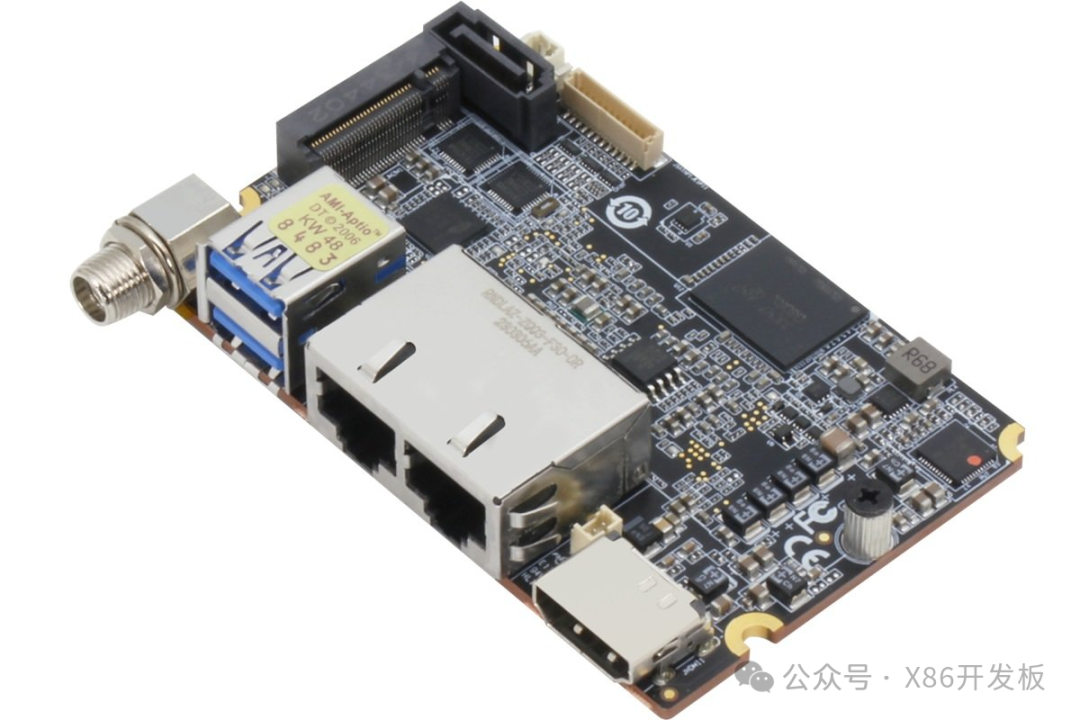
ForX86 solutions, the spatial limits of motion control are extremely compressed, requiring the controller to be embedded in the head/chest, facing the challenge of high-density integration of circuit boards, batteries, and cables. Common industrial-grade standard boards on the market are often unable to meet these demands. Here, we recommend the world’s smallest high-performance board to contribute to humanoid robots.
1
Advantages…
The world’s smallest high-performance board reserves 4 PCIe buses supporting 4G/5G/WIFI / and more functional port expansions.
CPU module solutions
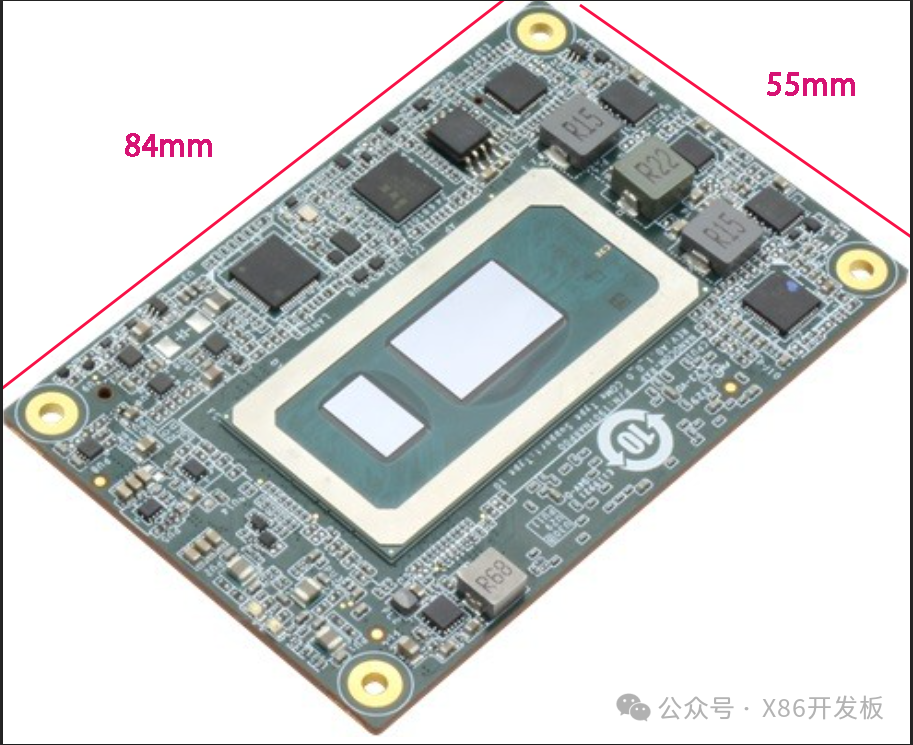
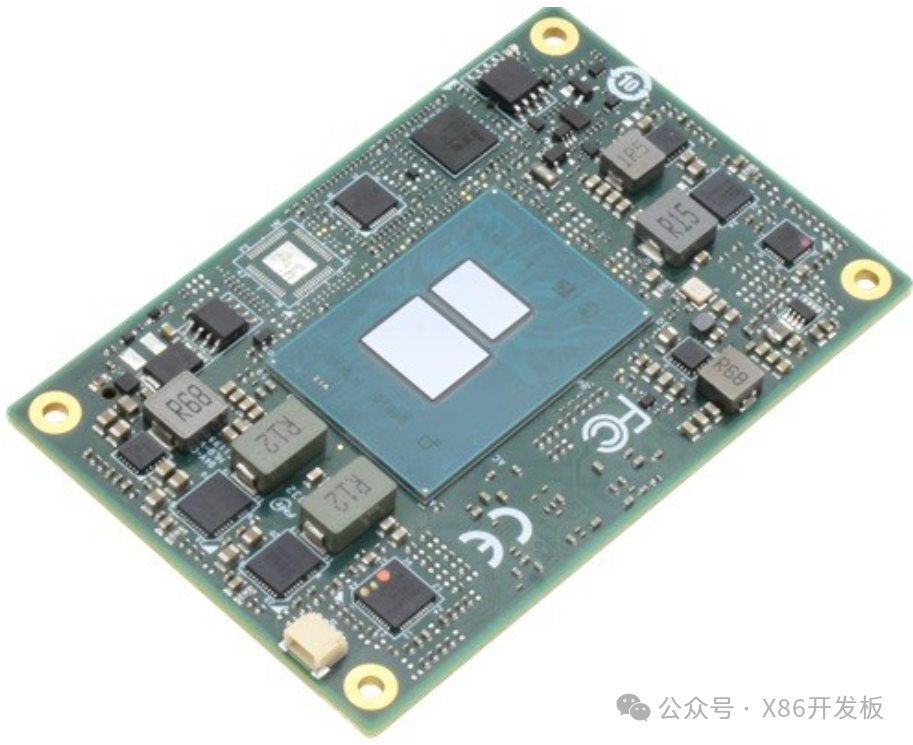
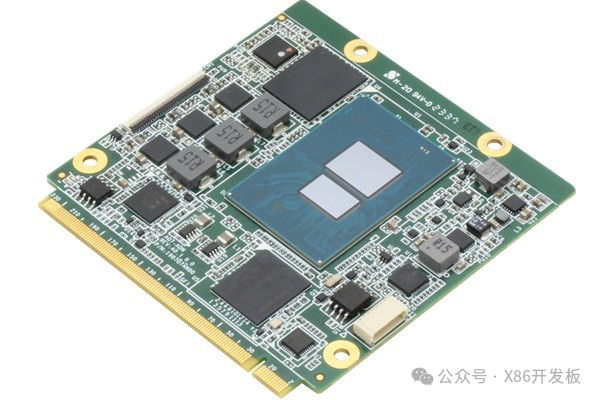
1
Features…
Small size facilitates secondary development, allowing for better shaping into the head and abdomen of humanoid robots, and better planning of the board’s size and shape.


Here, we will not share the boards and modules related to computing power. Currently, the mainstream control for large and small brains is the X86+NVIDIA solution, and domestic humanoid robots still rely to some extent on foreign manufacturers for chips. “If this continues, the humanoid robot body is made in China, but its brain is based on foreign main chips. Overall, the road ahead is long, and it currently seems difficult to achieveembodied intelligence, which can only be said to be a distant dream at this point…