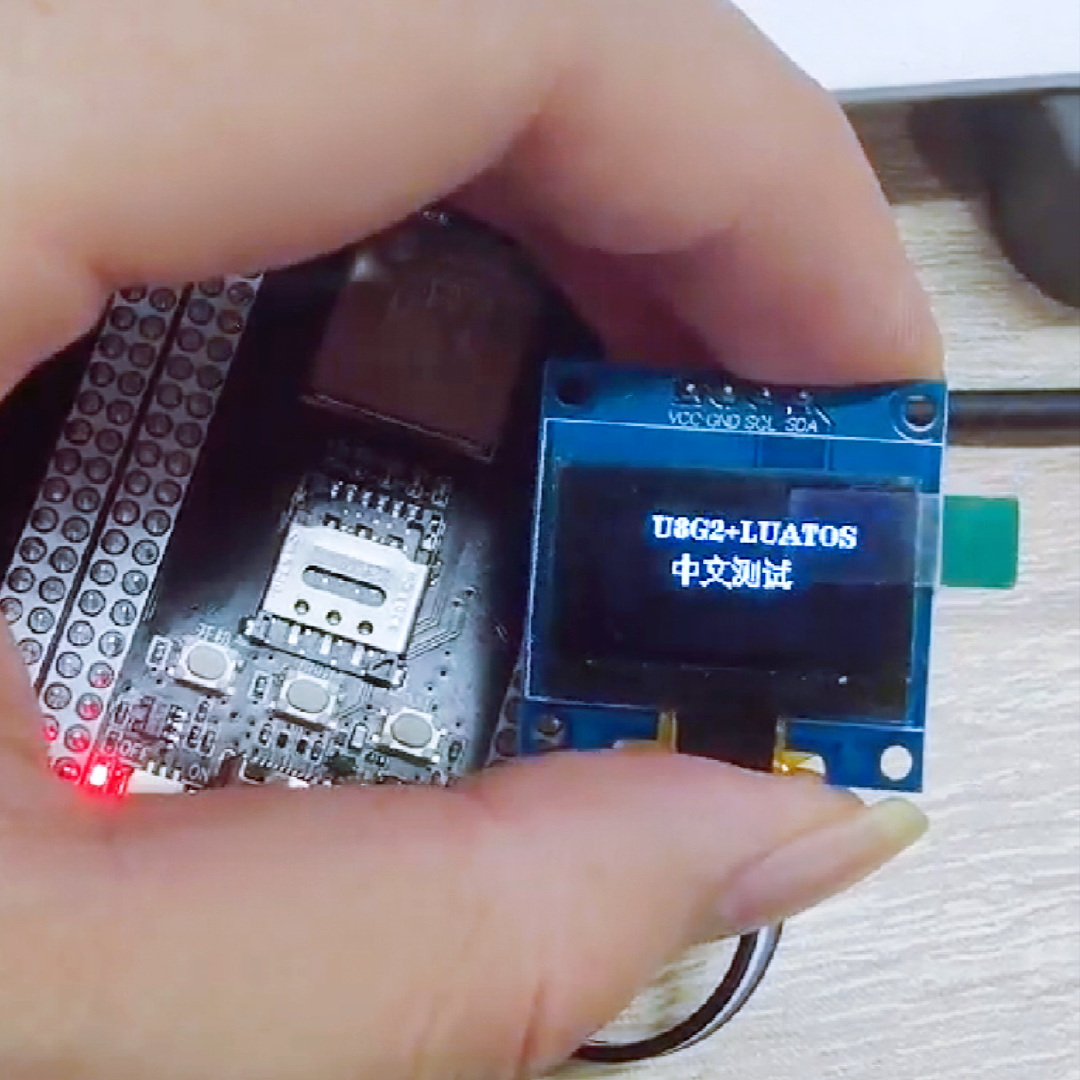
Hello, IoT “attackers”! Today, let’s talk about those display devices in embedded development that we both love and hate.
From segment displays that could only show numbers decades ago to OLED screens that can now play videos, the evolution of display technology is akin to the leap from a “brick phone” to a smartphone.
So the question arises— which screen should you choose for your project? How does the Hezhou LuatOS “master” these screens?
Let me explain slowly…
1
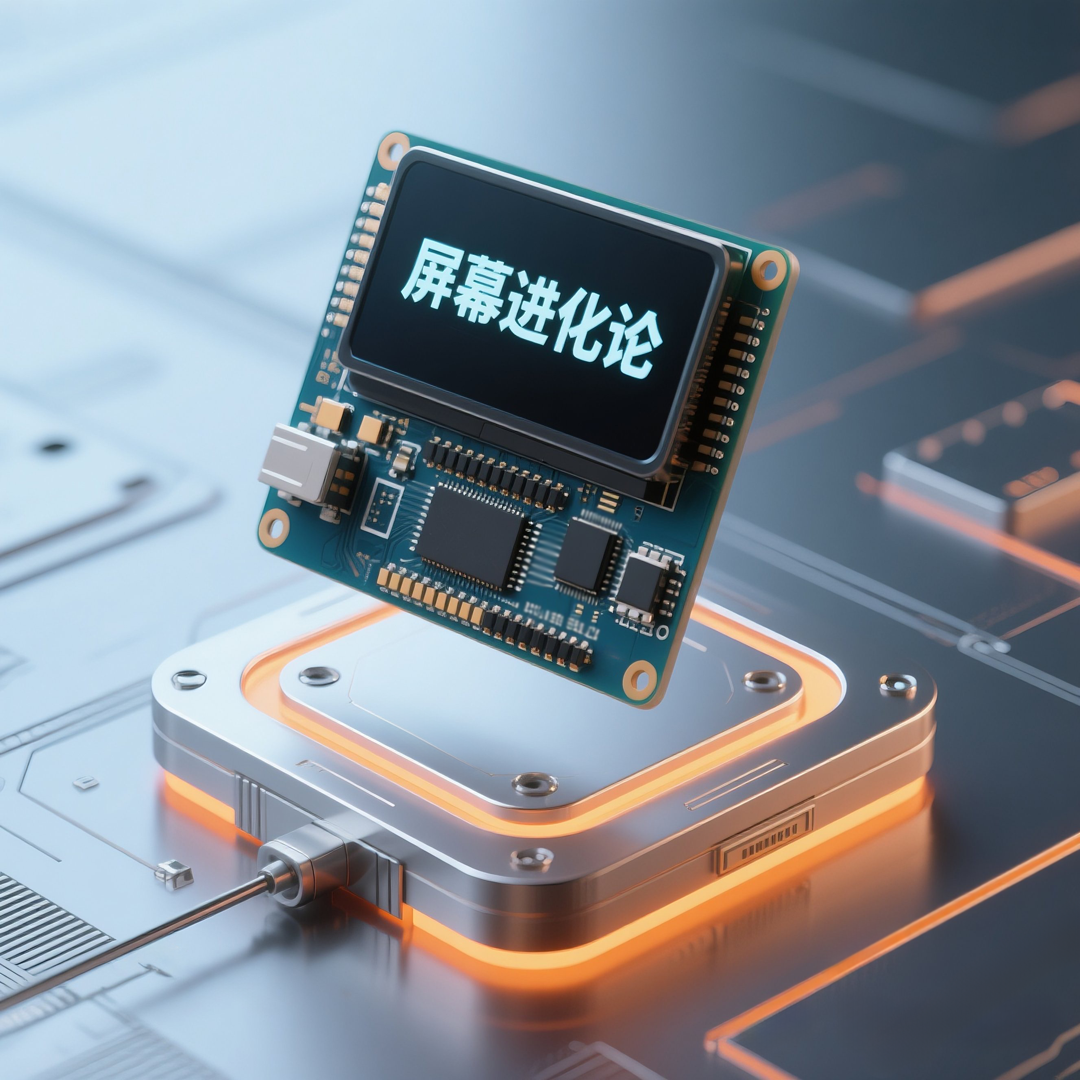
The Evolution of Screen Technology
-
1960s: The birth of segment displays, initially used in laboratory instruments.
-
1973: The first calculator with an LCD hits the market (priced like a computer).
-
1983: Nintendo’s Game & Watch uses STN-LCD (the ancestor of handheld consoles).
-
1997: The first OLED display is released (only 1.8mm thick).
-
2007: The iPhone is released, with capacitive screens and Retina displays marking a new era.
-
2010s to present: Flexible OLED technology matures (screens begin to be “bendable”)…
Screen technology has undergone several major innovations, with each landmark event ushering in a new era.
Interestingly, although new technologies are emerging constantly, old segment displays are still irreplaceable in certain fields—much like how film still has its loyal fans in the digital camera era.
2
The Three Kingdoms of Screens: What are the Differences Between LCD, Dot Matrix, and Segment Displays?
I used to think that all screens were pretty much the same, but I was shocked to learn just how big the differences are.
2.1 Segment Displays: The “Living Fossil” of the Display World
Segment displays are the veterans of the display world, having made their historical debut in the 1960s with the maturation of LED technology. This type of display, composed of 7-16 segments, is like the “Tangram” of the electronic world.
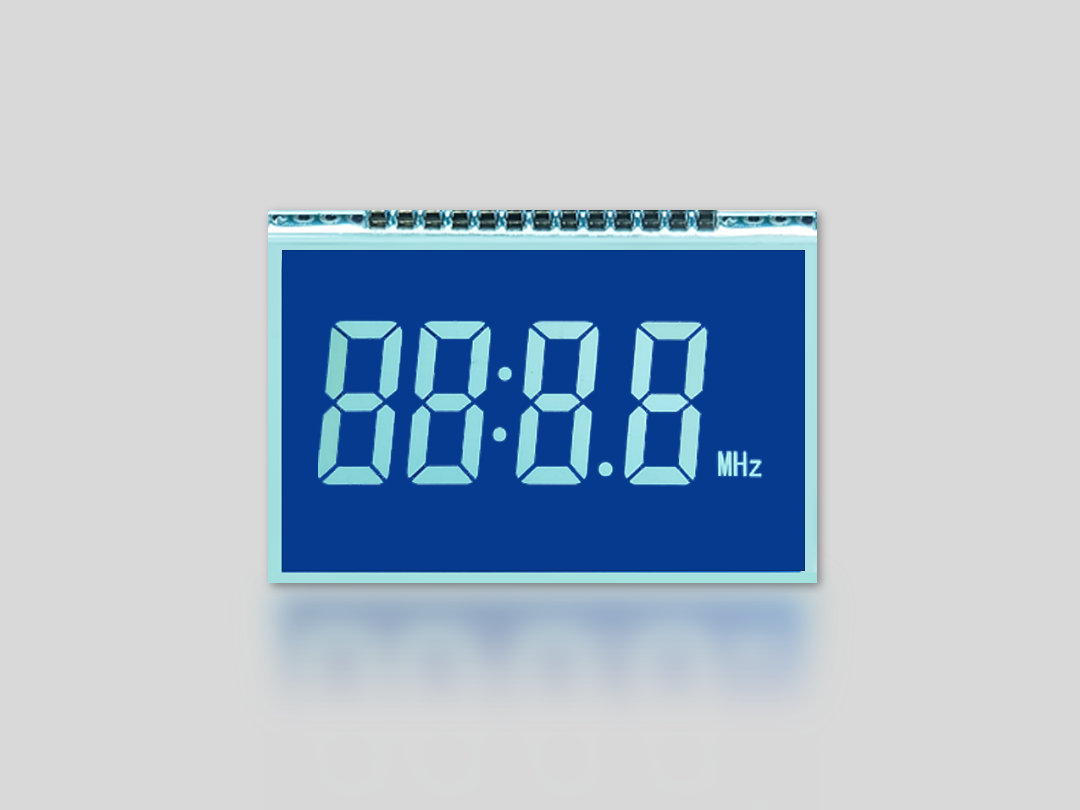
Features of Segment Displays:
-
Can only display numbers and simple letters
-
Power consumption is negligible (comparable to e-ink screens)
-
Clearly visible in sunlight (OLEDs will leave you speechless)
-
Inexpensive
Classic Applications:
-
The numbers on your electronic scale
-
Old Casio calculators
-
Floor displays in elevators
-
Mileage on car dashboards
2.2 LCD Screens: The “Economical and Practical Guy”
In the 1980s, LCD technology began to gain popularity. This display method, which controls light passing through by deflecting liquid crystal molecules, is like putting “polarized sunglasses” on glass.
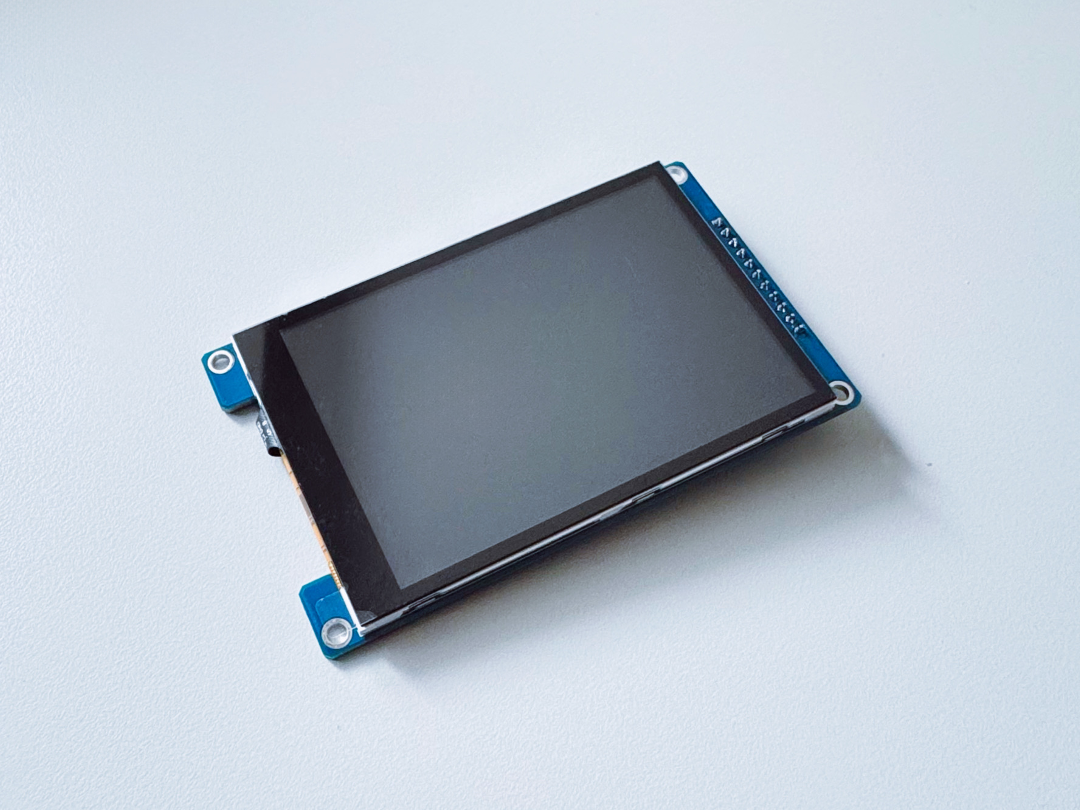
Features of LCD Screens:
-
Requires backlight to be visible
-
Viewing angles are a “mystery”; you might question life when viewed from the side
-
Slow response speed; “ghosting” occurs during fast scrolling
-
Mature technology, widely used in mass production
-
Stable color reproduction, eye-friendly/long battery life
Classic Applications:
-
Microwave oven control panels
-
Early Nokia phone screens
-
Portable gaming consoles (like Game Boy)
-
Industrial control panels
2.3 Dot Matrix Monochrome Screens: Our Flexible Pixel Blocks
After 2000, with the maturation of OLED technology, dot matrix screens entered their golden age. This type of screen, where each pixel can emit light independently, is like an “electronic mosaic board”.
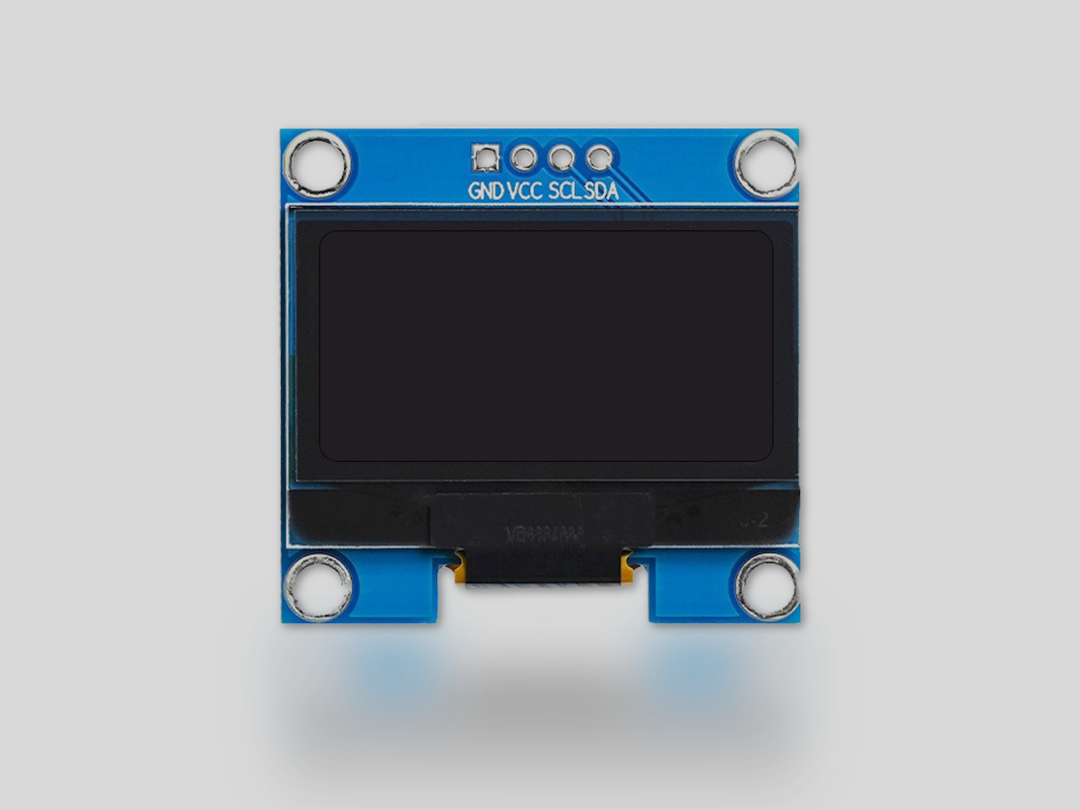
Features of Dot Matrix Monochrome Screens:
-
Can display any graphics (truly “my fate is in my hands”)
-
Ultra-high contrast (black is truly black, not dark gray)
-
Fast response speed
-
Flexible (may appear on clothing in the future)
Classic Applications:
-
Smart bracelet displays
-
Drone FPV goggles
-
Portable medical devices
-
High-end coffee machine interfaces
3
The Screen Mastery of Hezhou Air780EHM
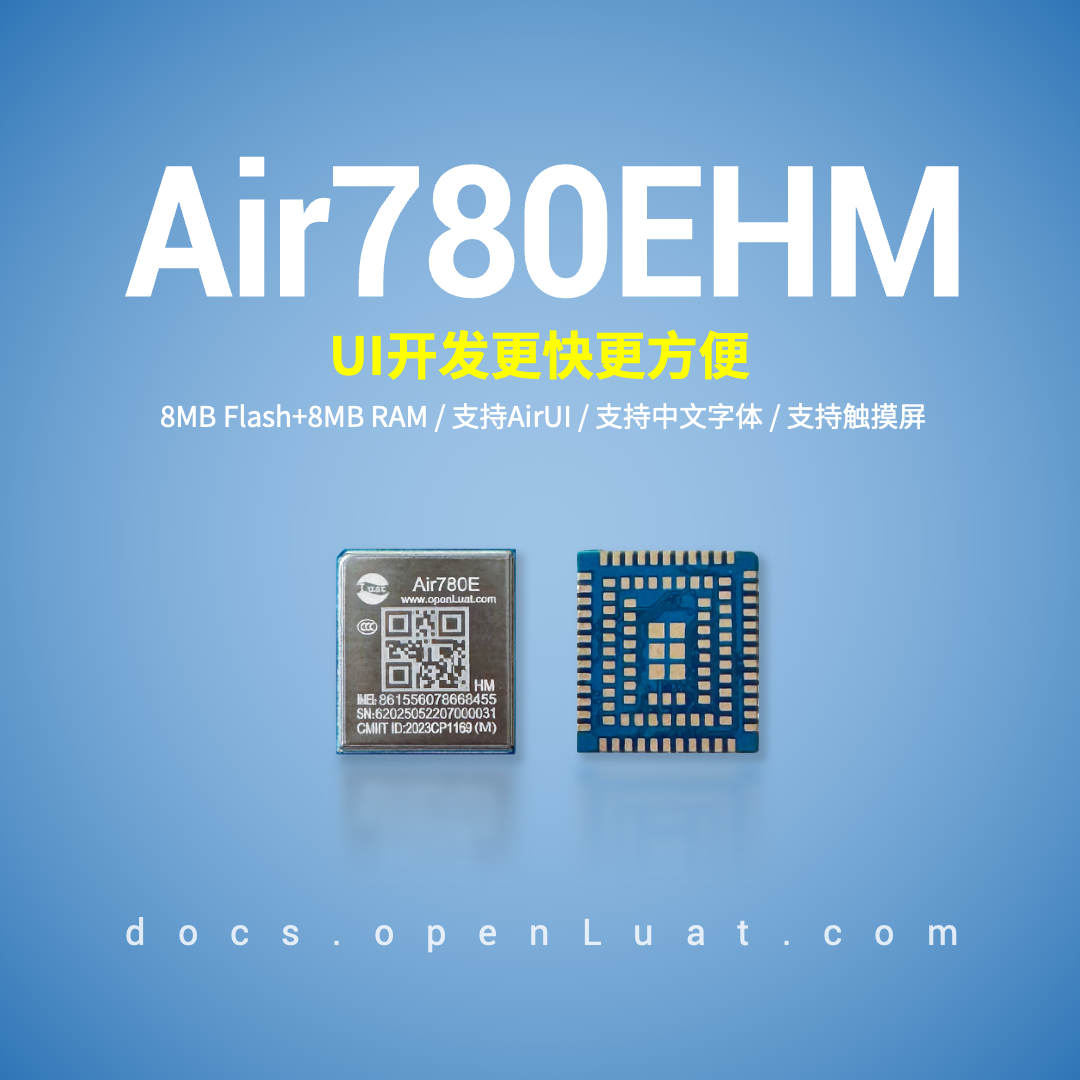
Taking one of Hezhou’s flagship products, the Air780EHM module, as an example, it can easily drive various display screens through the LuatOS system. The secret lies in:
3.1 Versatile Interfaces
1) I2C interface: Suitable for small OLEDs
2) SPI interface: Drives large LCDs
3) Direct GPIO control: Manages simple segment displays
3.2 Code Example Showcase
1) OLED Initialization:

2) LCD Image Display:
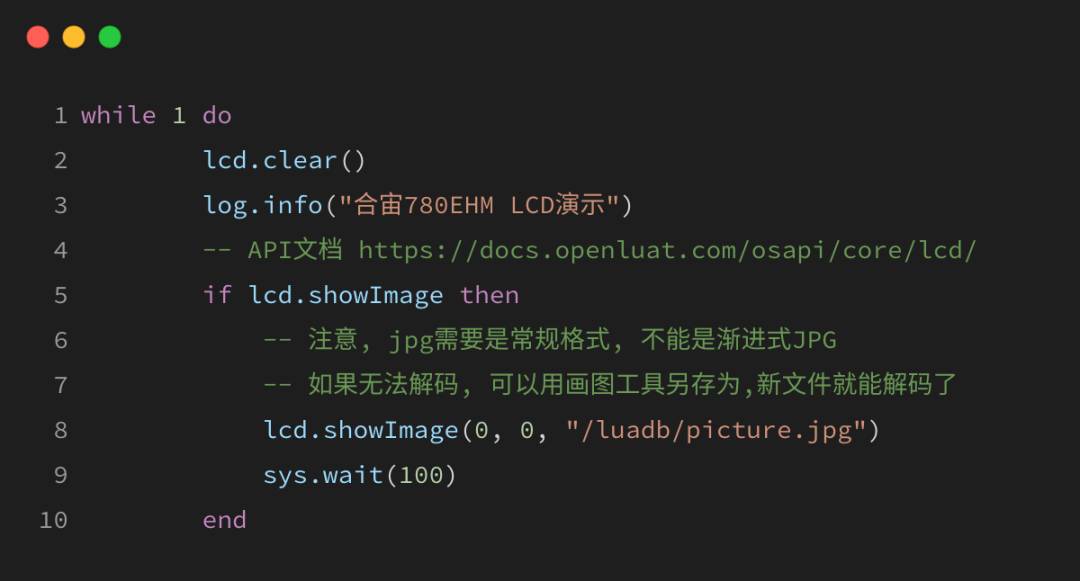
3) Segment Display Output:
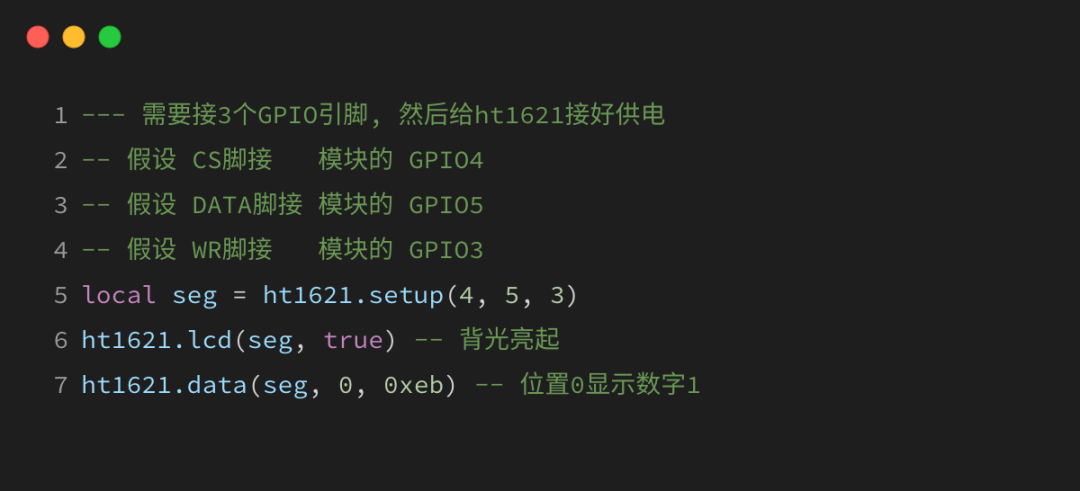
4
Why is LuatOS a “Godsend for the Lazy”?
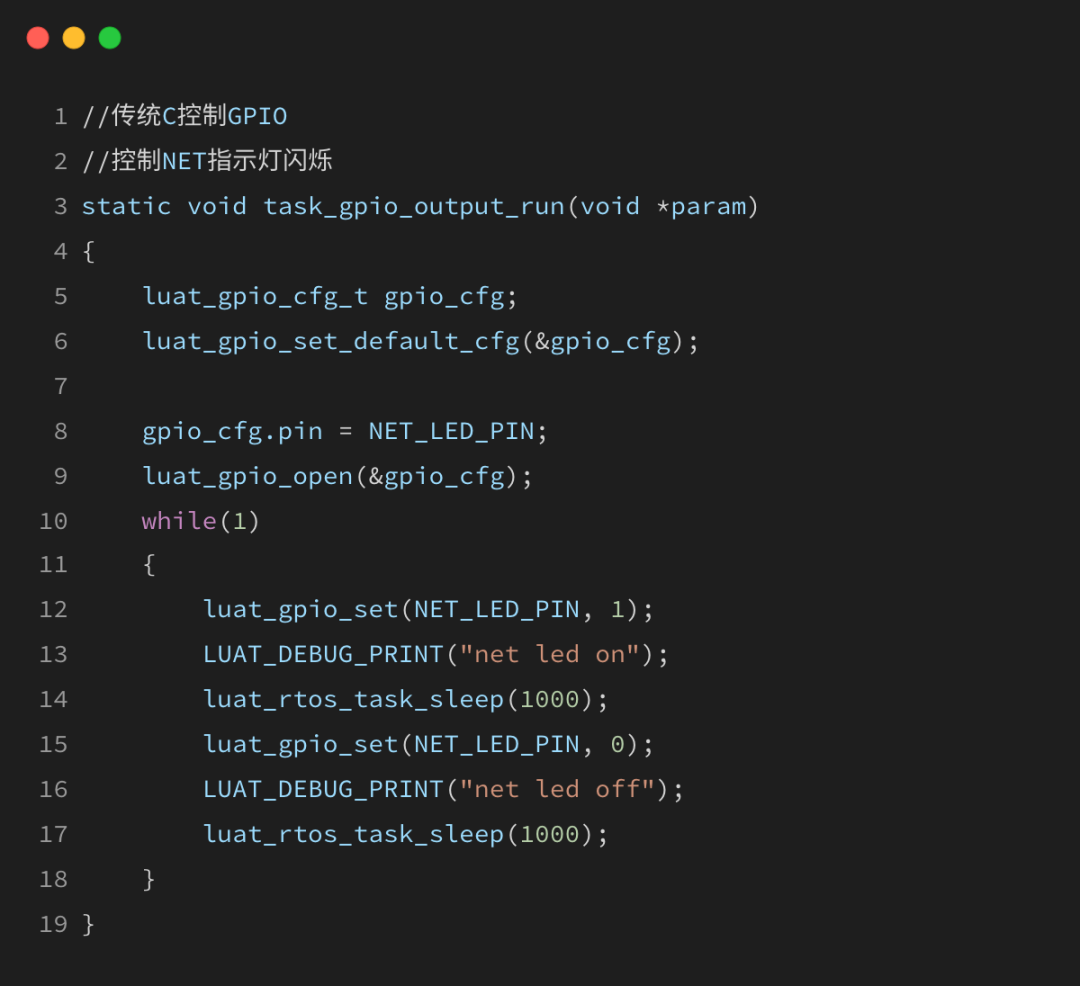
4.1 API design is simple and easy to understand, easily surpassing C language.
1) Traditional C Development:
2) LuatOS Development:
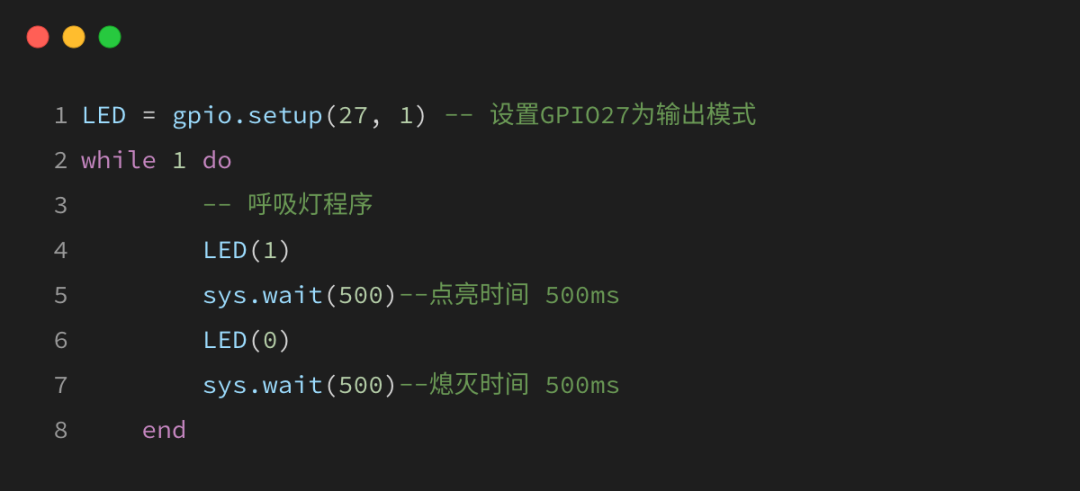
It is visually clear that the initialization comparison between the two is significant.
4.2 Memory Leaks? Garbage Collector to the Rescue!
No more waking up at midnight to alarms about “memory overflow”; safety boundaries are raised, and the sense of security is full.
5
Buying Guide: Choose Your Hero
5.1 Choose Segment Displays:
– Your project budget < 10 yuan
– Only need to display numbers
– Device will be used in unknown locations
5.2 Choose LCD:
– Want cool UI effects
– Device will be used in low-light environments
– Budget is not a concern (actually, it’s not that expensive)
5.3 Choose OLED Dot Matrix:
– Need to display simple graphics
– Device will be used indoors
– Want to save power and money
Remember: There is no best screen, only the most suitable screen.
Just like finding a partner, the right fit is the best! (Single programmers can ignore this metaphor…)

Looking ahead, what other innovations can we expect from screens?
-
Transparent OLED: The refrigerator door of the future might just be a shopping list
-
Rollable Screens: Phones that can unfold like scrolls
-
Holographic Projections: Iron Man’s control interface is not a dream
But before that, making good use of the screens at hand is the real deal. After all, no matter how cool the technology is, it still relies on code to bring it to life—and Hezhou’s LuatOS might just be your best partner on the road to becoming a screen master!
For the latest development materials, see Hezhou’s resource center:—— docs.openluat.com

▼ Learn more about Hezhou ▼
4G + positioning + WiFi + Bluetooth, Air8000 complete development boardAir8101 core board + accessory board new products
Hezhou’s low-power 4G module, adding 4 more hardcore new products