Driven by the wave of intelligence, the “face” of two-wheeled electric vehicles and motorcycles is no longer just a simple instrument panel. Today’s two-wheeled vehicle displays are gradually evolving into a “smart central control” that integrates information display, interactive operation, and safety prompts.
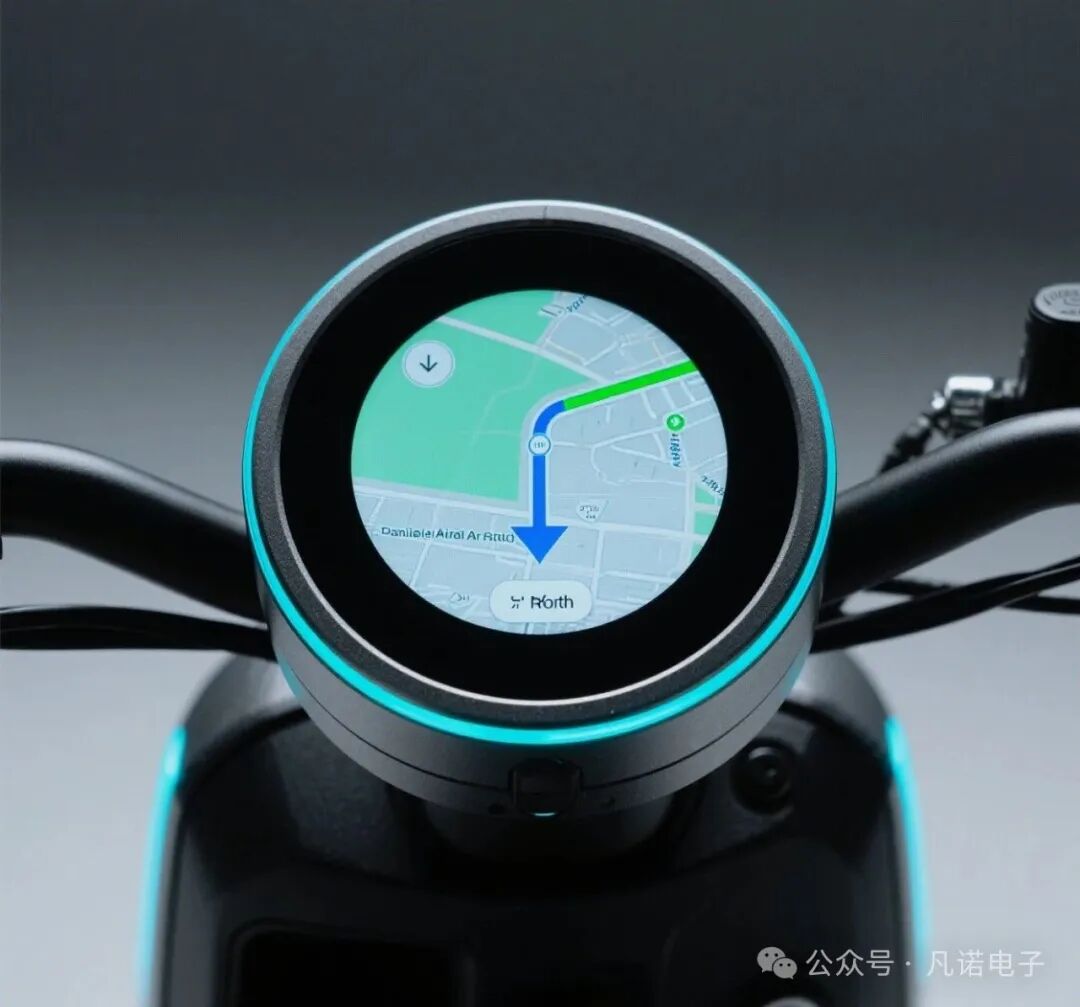
So, what core capabilities must a high-quality two-wheeled vehicle display possess?
1. Clear Visibility: High Brightness Display Under Strong Outdoor Light
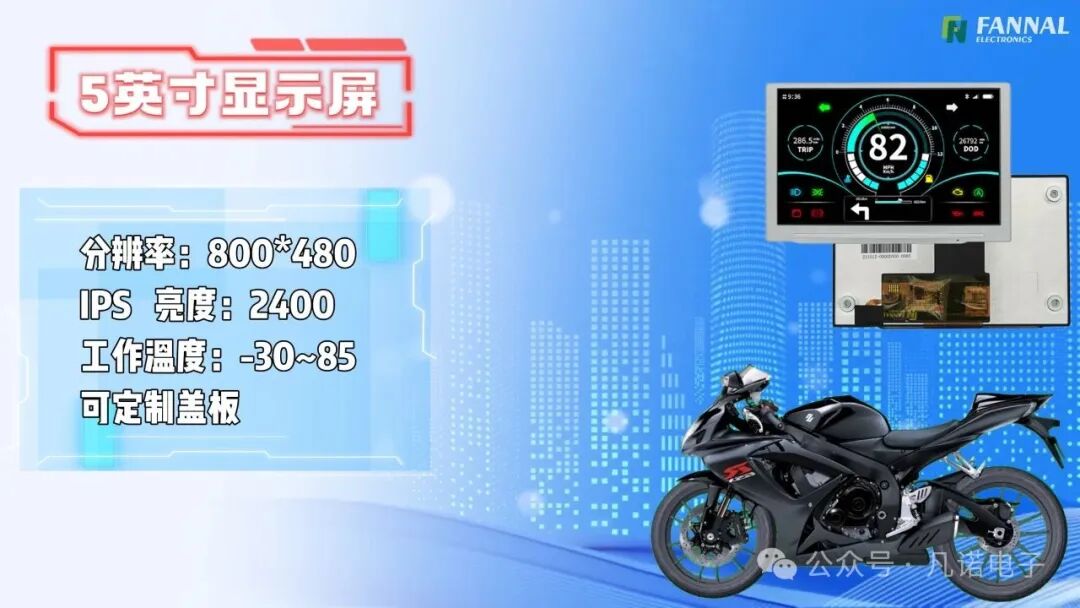
Two-wheeled vehicles are typically used outdoors, and whether under the blazing sun or in rainy weather, the displayed content must be clear at a glance. This requires the screen to have high brightness and optical bonding technology that prevents glare and reflection to enhance readability in sunlight.
2. Durability: Vibration, Waterproof, and Scratch Resistance Are Essential
-
Compared to cars, two-wheeled vehicles have higher reliability requirements for displays.
-
The screen must withstand long-term vibration impacts without loosening or displaying artifacts;
-
The surface of the panel should have scratch and wear resistance, preferably using tempered glass and passing IK protection level tests;
-
Water resistance is also fundamental, with IP65 or even IP67 levels of waterproof and dustproof being standard.
3. Interactivity: Support for Touch, Gloves, and Wet Hand Operations
Modern smart two-wheeled vehicles increasingly feature touch functions, such as navigation, Bluetooth, and riding mode switching, all of which require touch input. Therefore, the display needs to be compatible with glove touch and must accurately respond even in rainy conditions to enhance user experience.
4. Aesthetic Appeal: Clear and Smooth UI, High Resolution Is a Must
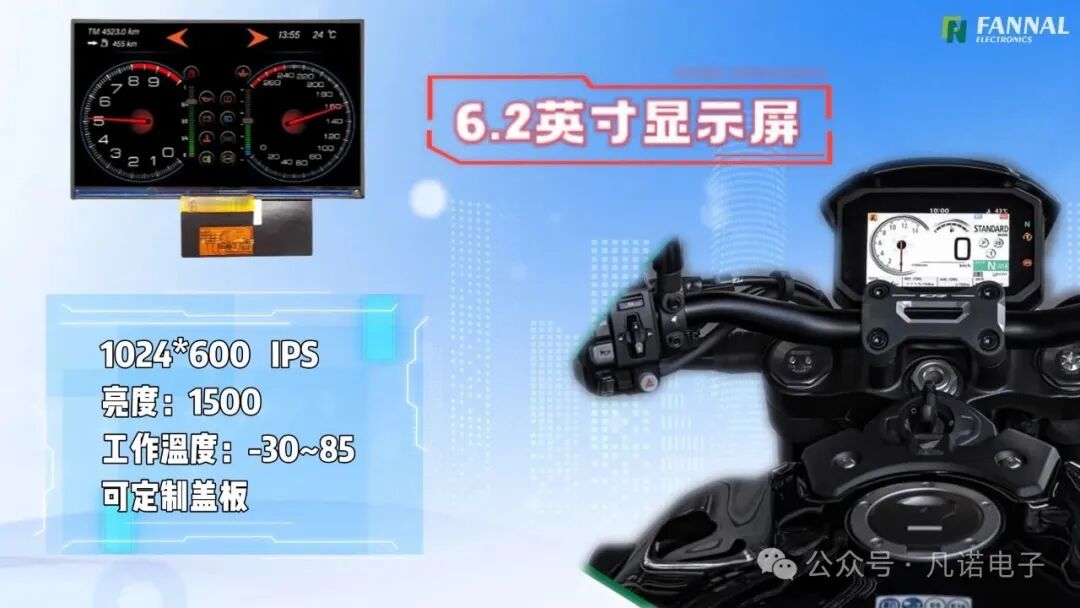
Resolution is no longer exclusive to smartphones. To accommodate complex content such as maps, animations, and graphical UIs, the resolution of two-wheeled vehicle screens is gradually upgrading to 1024*600 or even higher, achieving richer colors and wider viewing angles.
5. Strong Adaptability: Not Afraid of Hot or Cold, Wide Temperature Operation Is True Intelligence
Two-wheeled vehicles are often used outdoors, which imposes higher requirements on the operating temperature of the display module. A quality display should operate stably between -30°C and 85°C, ensuring clear display even in extreme cold and heat without freezing or displaying artifacts.
 6. Advantages of Vanno
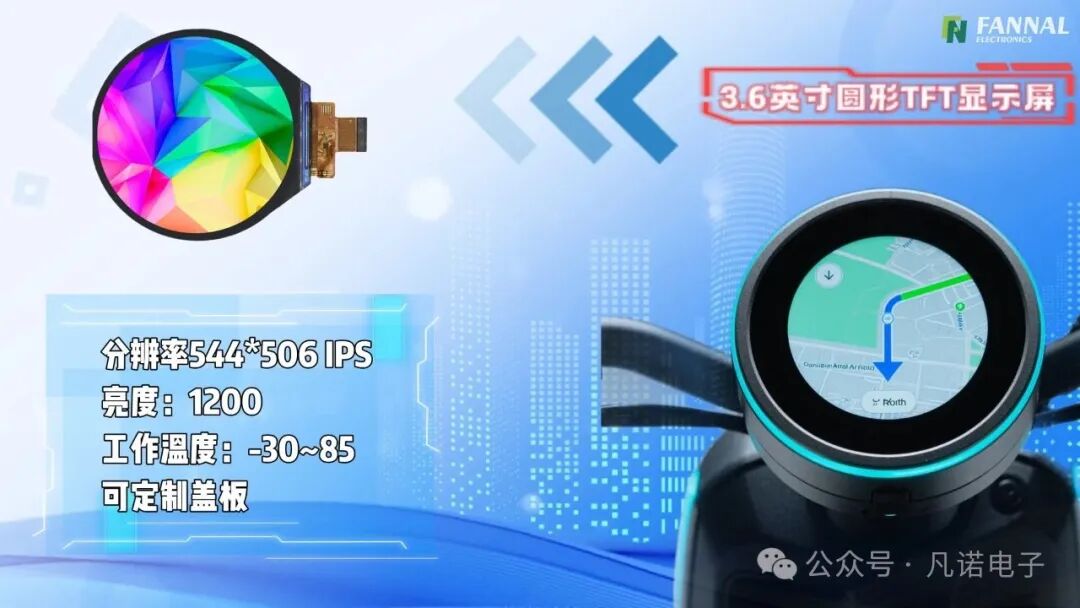
As a company focused on differentiated market touch display solutions, Vanno has provided customized display solutions for multiple two-wheeled vehicle clients, with the following advantages:
-
Supports 6mm thick cover glass, passing IK10 protection level
-
Integrated black bonding process, balancing aesthetics and sunlight visibility
-
Customizable display brightness, up to 2500 nits
-
Supports wet hand/glove touch, suitable for rainy/winter scenarios
-
Customizable irregular and curved screens to meet personalized design needs
Choosing a high-performance, high-reliability two-wheeled vehicle display not only enhances user interaction experience but is also a key reflection of product quality. If you are looking for mature customized touch display solutions, feel free to contact us.