Click the blue text ↑↑↑ “Farming Future (FarmingFuture)” to easily follow along with agricultural system research!
Translated by: Wang Shang
Original article, welcome to share and repost
 Article Information
Original Title:Long-Term Anthropogenic Disturbances Exacerbate Soil Organic Carbon Loss in Hyperarid Desert Ecosystems
Translated Title:长期的人为干扰加剧了超干旱沙漠生态系统中土壤有机碳的流失
Journal:Global Change Biology
Impact Factor (2024):12
5-Year Impact Factor:14
Online Publication Date:2024.08.11
Corresponding Author:Akash Tariq[email protected]
Zeng FanjiangResearcher[email protected]
First Institution:Xinjiang Institute of Ecology and Geography, Chinese Academy of Sciences/State Key Laboratory of Desert and Oasis Ecology/National Key Laboratory of Ecological Security and Sustainable Development in Arid Areas
Article Highlights
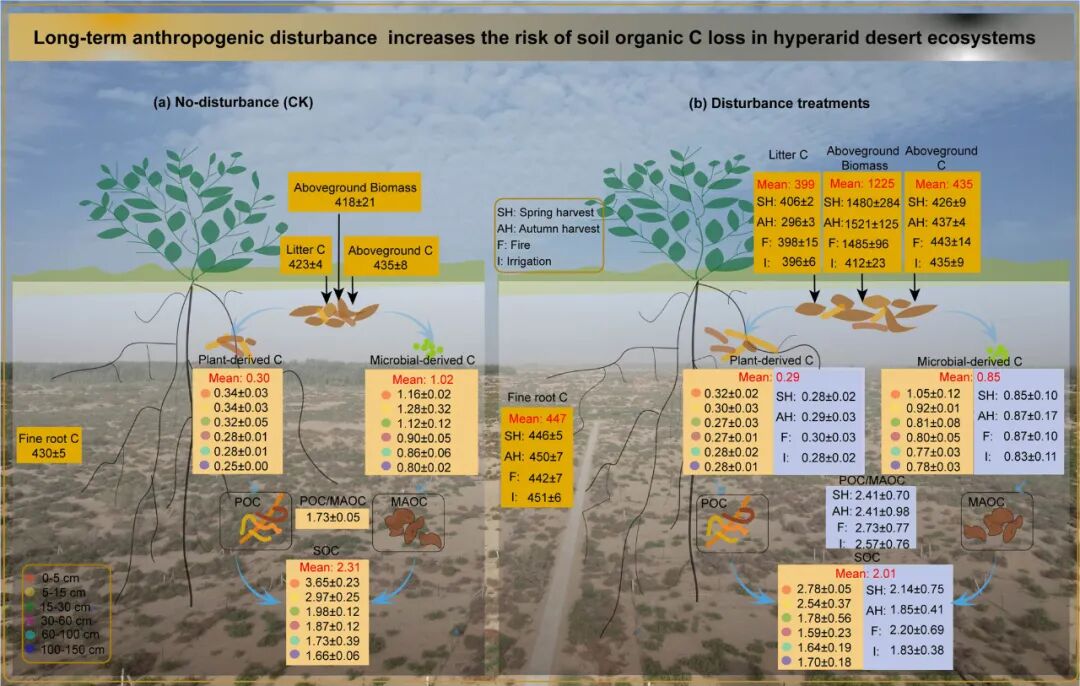
A 16-year experiment studied the dynamic changes of Soil Organic Carbon (SOC) under five disturbance treatments in a hyperarid desert: no disturbance (CK), spring harvest, autumn harvest, burning, and irrigation. The results showed that all disturbance treatments led to a significant decrease in SOC stocks compared to the control group (CK), with SOC decreasing by 13.2%, POC decreasing by 16.3%, and MAOC decreasing by 41.1%. The losses caused by autumn harvest and irrigation treatments were the most significant (20% and 21%, respectively). The reduction of plant-derived carbon was associated with a decrease in plant input, emphasizing the importance of integrating underground carbon dynamics in desert ecosystem management.
 Article Abstract01Research Background
Anthropogenic disturbances are significant drivers of global change, having a substantial impact on Soil Organic Carbon (SOC) stocks. However, the long-term effects of anthropogenic disturbances on SOC stability in hyperarid deserts remain poorly understood.
02Research Plan
The authors conducted a field experiment starting in April 2008 at the National Field Scientific Observation and Research Station for the Desert Grassland Ecosystem in Xinjiang, assessing SOC dynamics in hyperarid desert ecosystems under five treatment conditions: no disturbance (CK), spring harvest, autumn harvest, burning, and irrigation (simulating artificial flooding). They analyzed SOC composition, sources, and driving factors across six soil layers (0–5, 5–15, 15–30, 30–60, 60–100, and 100–150 cm).
03Research Results
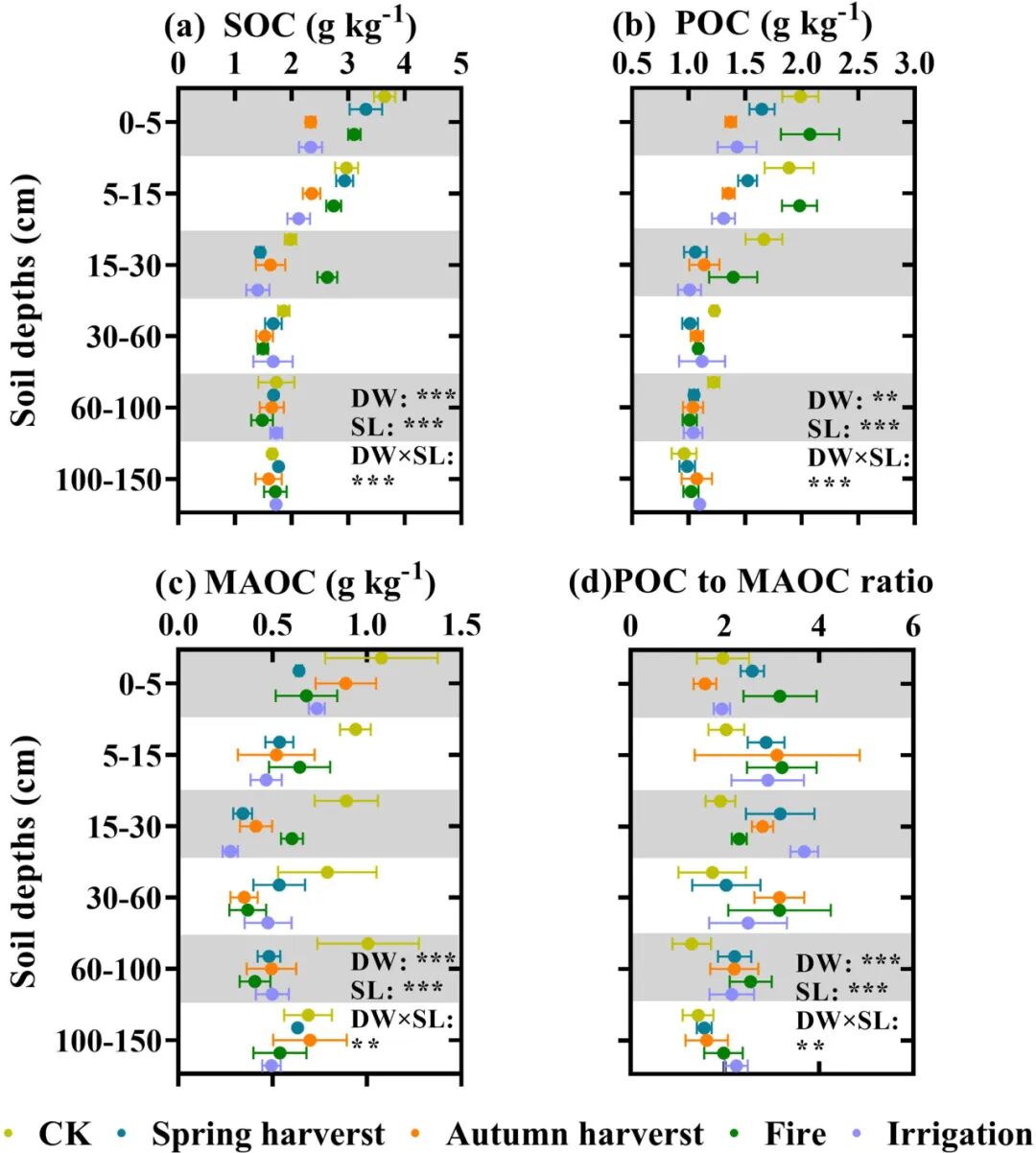
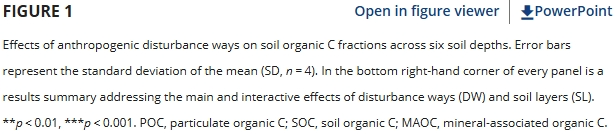
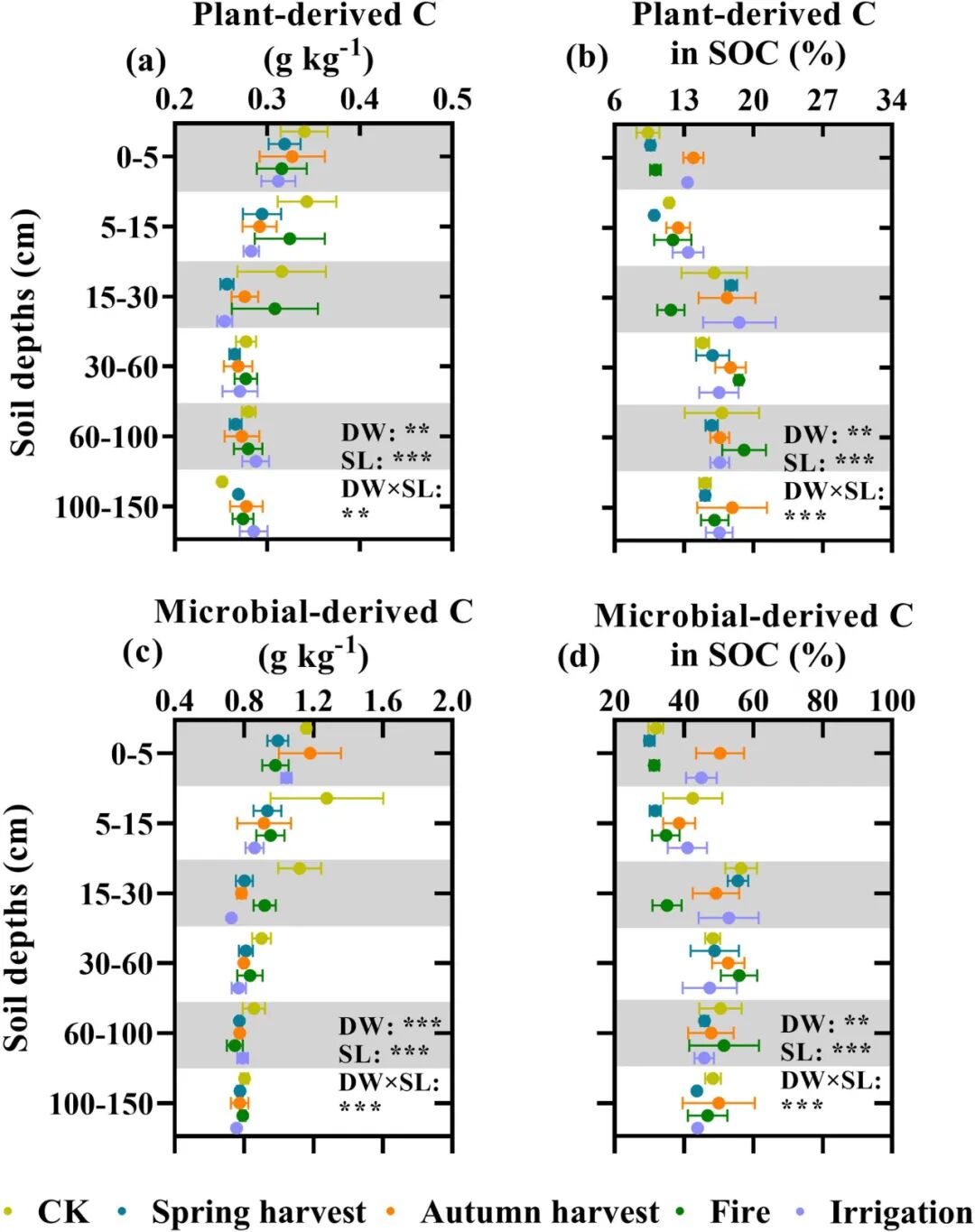
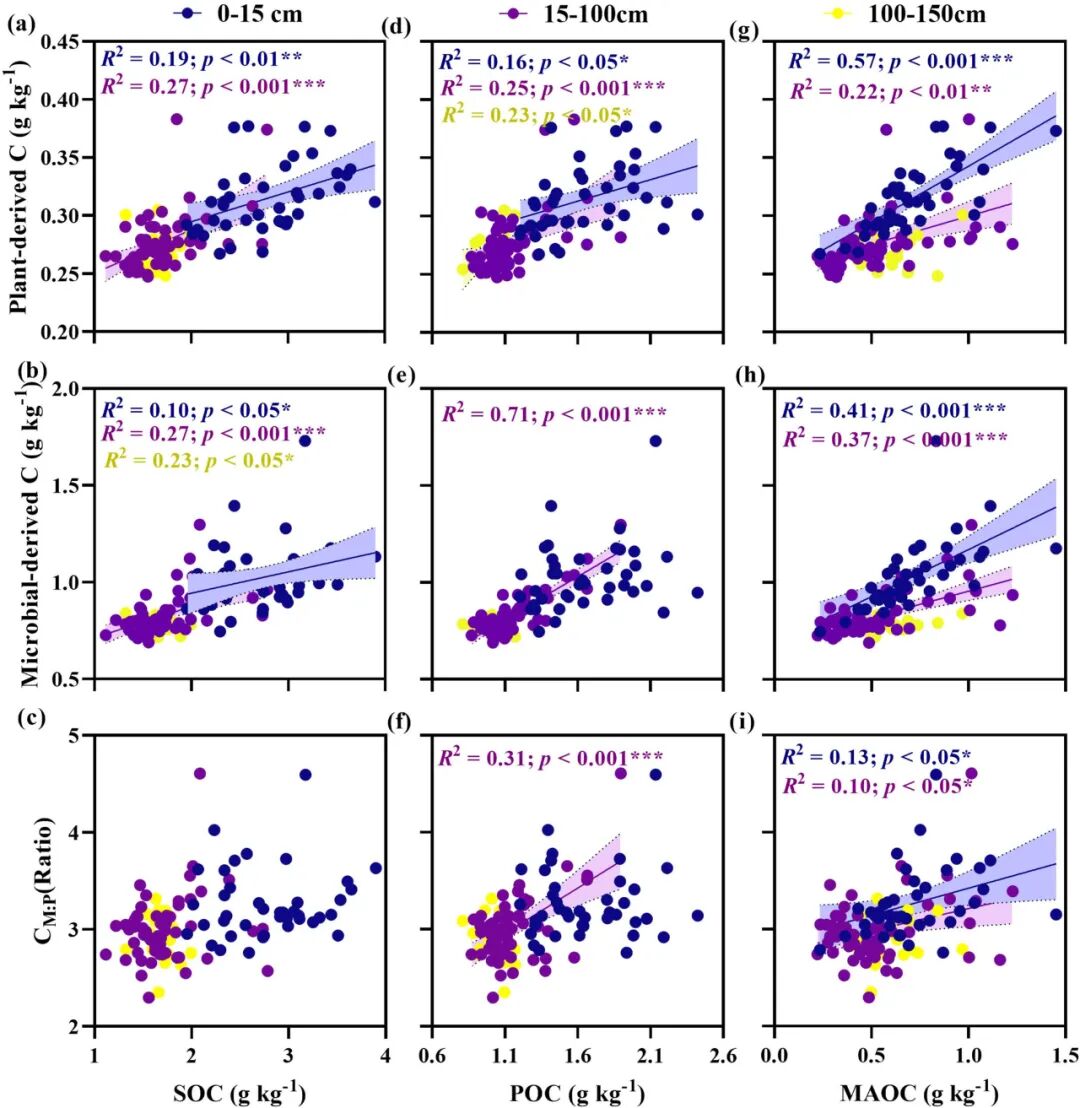
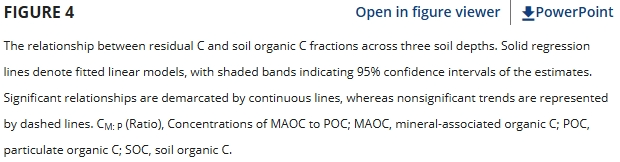
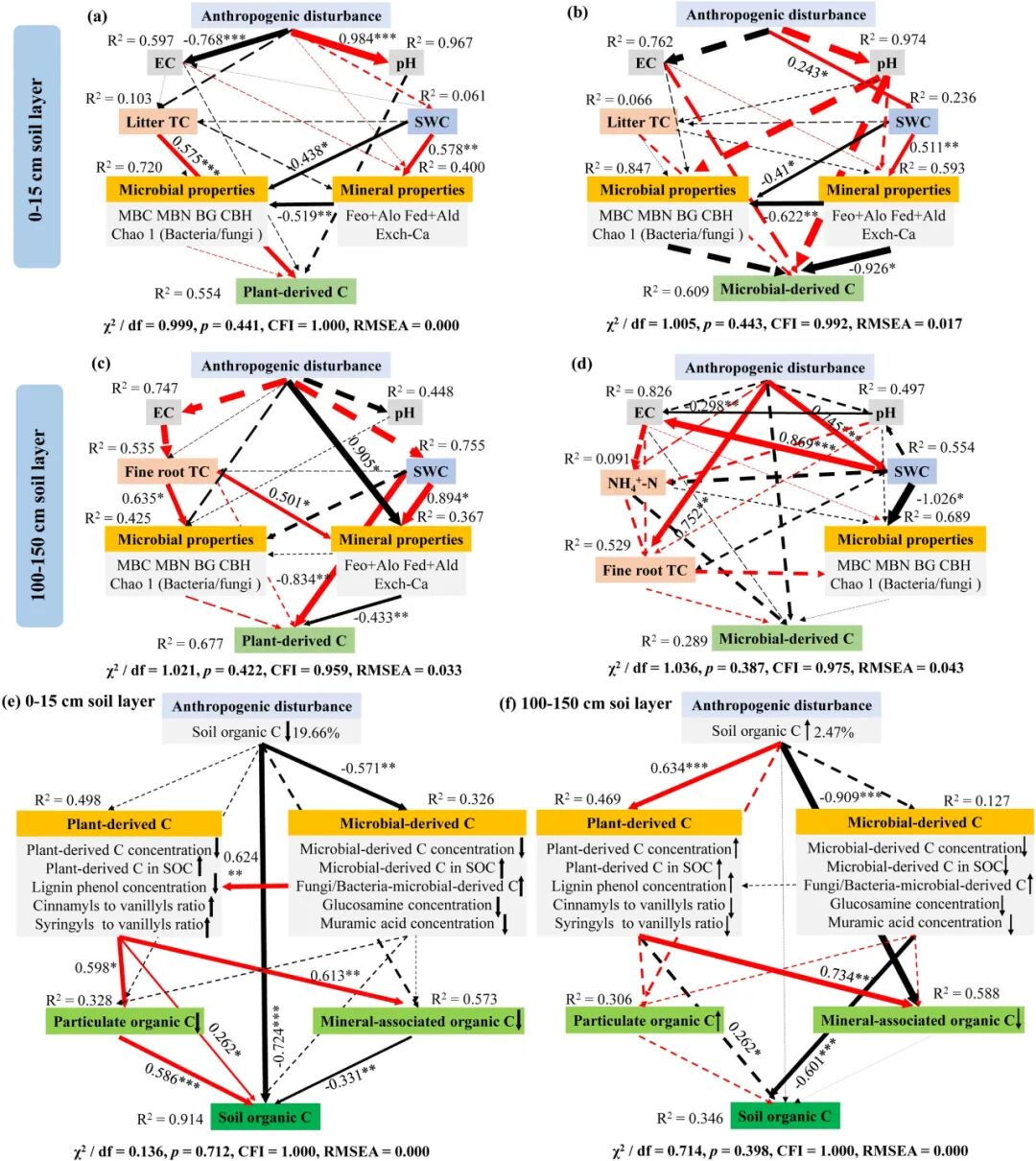
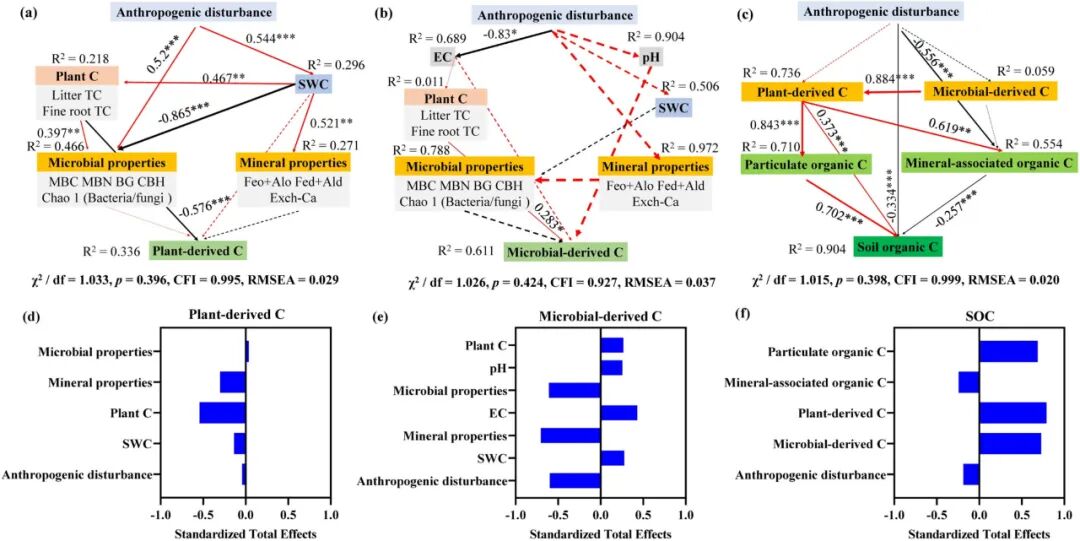
The results indicated that disturbance methods and particulate organic carbon (POC) dominated the changes in SOC in the surface soil (0–15 cm), while microbial-derived carbon and plant-derived carbon controlled the dynamics in the subsurface soil (100–150 cm). As soil depth increased, the concentrations of SOC, POC, microbial-derived carbon, and plant-derived carbon continuously decreased. All disturbance treatments significantly reduced SOC pool stocks compared to CK, with average reductions of 13.2% (SOC), 16.3% (POC), 41.1% (MAOC), 4.2% (plant-derived carbon), and 16.2% (microbial-derived carbon). The increases in POC/MAOC (+46.2%), β-1,4-glucosidase/SOC (+21.6%), and fiber disaccharide hydrolase/SOC (+13.6%) indicated that disturbances led to a decrease in SOC stability.
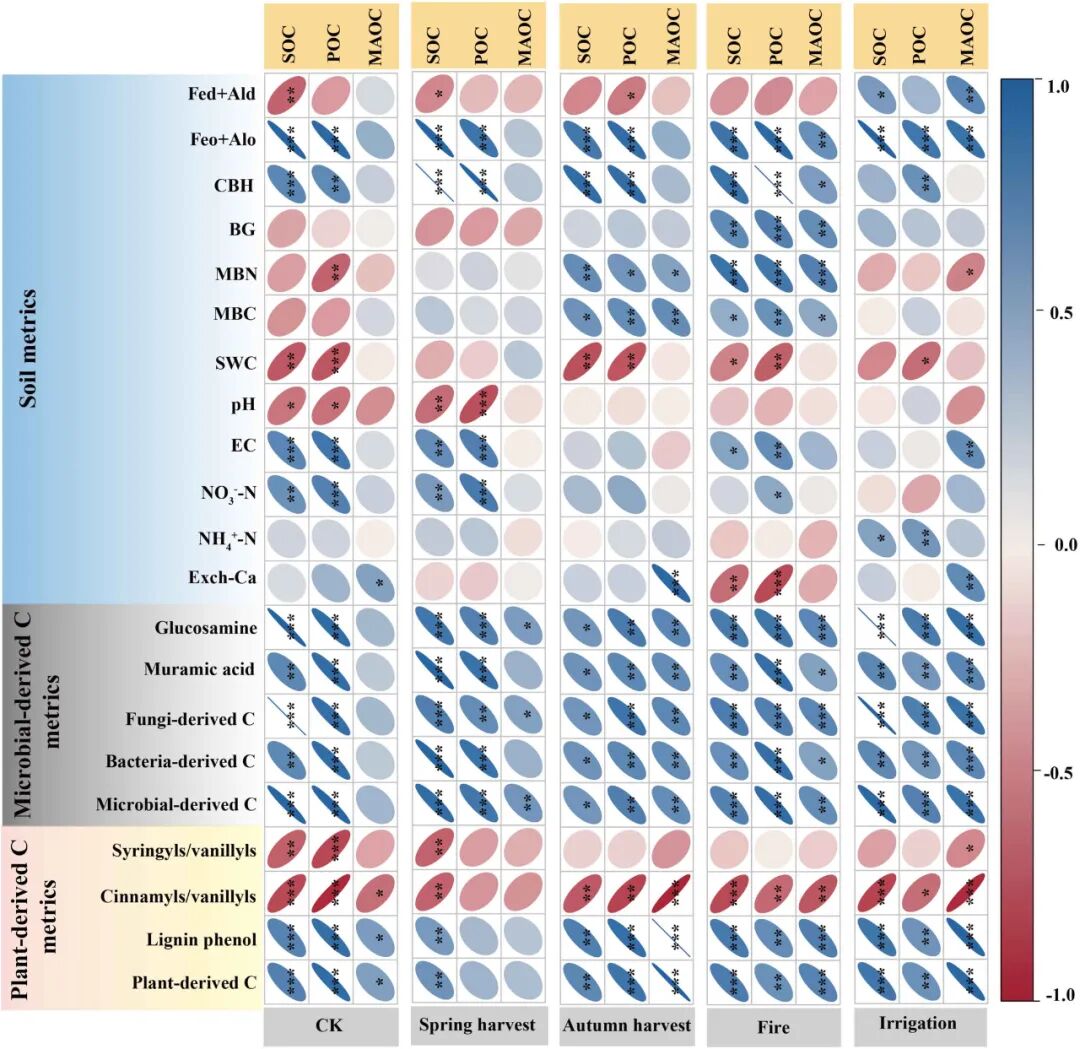
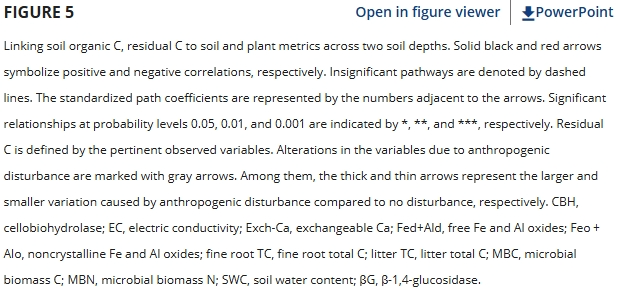
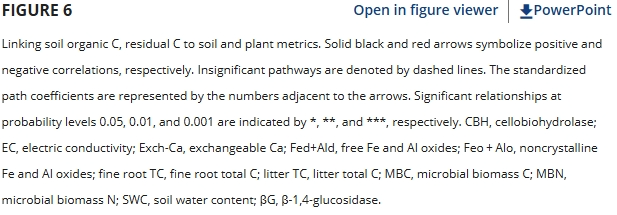
Autumn harvest and irrigation disturbances resulted in the largest SOC losses, with SOC decreasing by 20% and 21%, respectively, compared to CK. Mechanistically, the depletion of plant-derived carbon was associated with reduced plant carbon input, while the decline in microbial-derived carbon was related to changes in mineral properties (exchangeable calcium, amorphous oxides, and free oxides) and microbial properties (enzymes, microbial biomass, fungi, and bacteria).
 04Research Conclusion
Overall, the authors’ research indicates that 16 years of anthropogenic disturbances have exacerbated SOC loss in hyperarid deserts, particularly in surface soils. However, the sub-surface organic carbon pools mediated by microbial and plant-derived carbon (greater than 100 cm) also warrant further attention. This study provides the first empirical evidence of the depth-specific vulnerability of soil organic carbon in hyperarid deserts under sustained anthropogenic pressure, emphasizing the urgency of incorporating underground carbon dynamics into desert ecosystem management strategies.
Original Link:
https://onlinelibrary.wiley.com/doi/10.1111/gcb.70423



Agricultural Health, Ecological Security
High Crop Yield, Resource Efficiency
Join the WeChat group to obtain the article PDF