Reagent materials and associated test elements – F. HOFFMANN-LA ROCHE AG – AU2013340841B2
1. Background
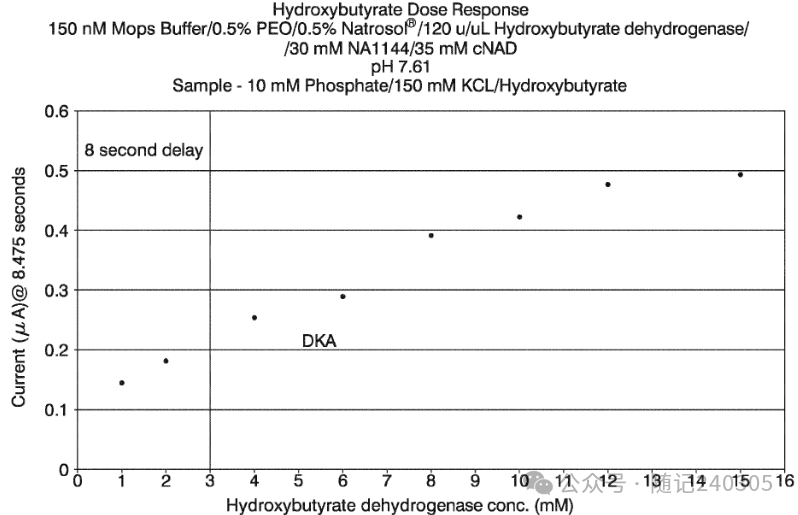
When using blood samples, ketone levels are typically determined by measuring the concentration of hydroxybutyrate, which is the primary ketone in the blood. A hydroxybutyrate concentration below 0.6mM is considered normal, while a concentration between 0.6mM and 1.5mM indicates potential issues, and levels above 1.5mM suggest a risk of diabetic ketoacidosis (DKA). A hydroxybutyrate concentration above 3mM indicates DKA and requires urgent treatment.
2. Symptoms of DKA include nausea, vomiting, excessive thirst and urination, abdominal pain, difficulty breathing, fatigue, and coma. Given the severity of DKA, treatment is necessary to lower ketone levels before a full-blown episode occurs.
3. Thickeners include:
1) Starch, gums (such as pectin, guar gum, locust bean gum, konjac gum, xanthan gum, alginates, and agar), casein, gelatin, and alginates;
2) Cellulose and semi-synthetic cellulose derivatives (carboxymethyl cellulose, methyl cellulose, hydroxypropyl cellulose, hydroxyethyl cellulose, methyl hydroxyethyl cellulose);
3) Polyvinyl alcohol and carboxyvinyl polymers;
4) Bentonite, silicates, and colloidal silica.
4. Film-forming agents include:
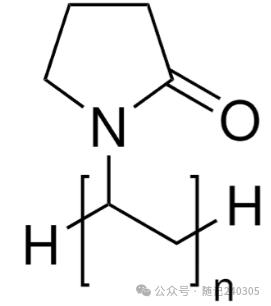
1) Polyvinylpyrrolidone (PVP), for example, BASF’s trade name: Kollidon® 25. This is a medium molecular weight PVP with good film-forming, adhesive, and solubilizing properties.
Polyvinylpyrrolidone, CAS9003-39-8; PVP K30, PVP K90
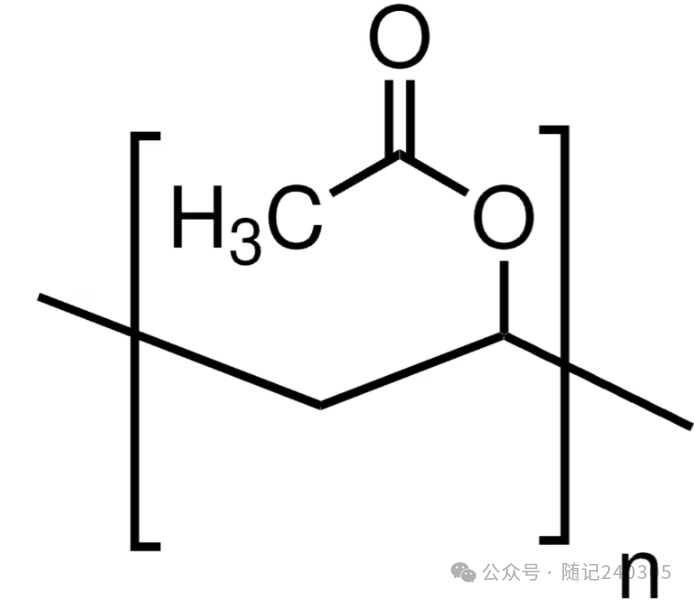
2) Polyvinyl acetate dispersion (PVAc), also known as polyvinyl acetate, typically exists as a white emulsion in water. Its main characteristics are good film-forming ability, excellent flexibility, and strong adhesion.
Note: Using only PVP: dissolves quickly but forms a brittle film with high moisture absorption. Using only PVAc: the film is flexible and water-resistant but dissolves slowly. After blending: by adjusting the ratio, a balanced film layer can be obtained that is both quick-dissolving and durable, with both strength and flexibility.
Comparison of the microstructure of the blended PVP+PVAc film
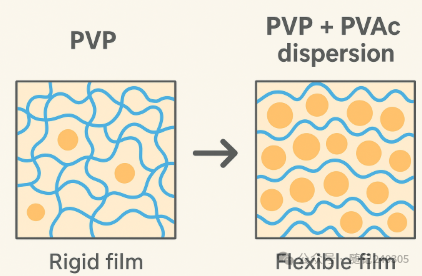
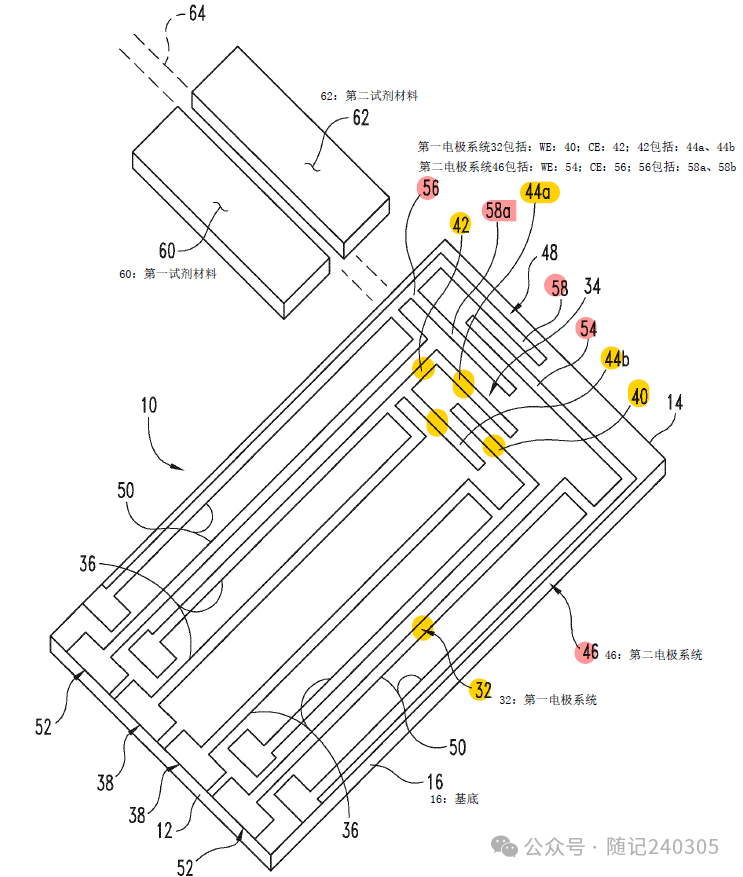
Figure 6: Reagent formulation
Preparation of stock buffer:
Add 7.344g of MOPS sodium salt, 0.125g of Triton X-100, 2.4g of trehalose, and 2.026g of sodium succinate hexahydrate to 400mL of water, adjust pH to 8.14; add water and make up to 500mL in a volumetric flask.
Preparation of buffer/Natrosol/PEO polymer solution:
396g of initial buffer solution, 2g of polyethylene oxide (300K), and 2g of Natrosol® 250 M (a nonionic, water-soluble hydroxyethylcellulose polymer), stir overnight.
Preparation of nitrosoaniline/carba-NAD reagent:
1) Quickly add 0.0415g of substituted nitrosoaniline derivative to 20mL of buffer/polymer stock solution containing 5.0595g, mix at 24000rpm for 1 minute, adjust pH to 7.7;
2) Add 0.0692g of carba-NAD free acid to a 10mL mixing cup containing 3mL of nitrosoaniline solution, mix at 24000rpm for 1 minute, adjust pH to 7.2;
3) Add 0.2134g of β-hydroxybutyrate dehydrogenase from Alcaligenes to the cup and mix at 24000rpm for 2 minutes.