Transition-metal dichalcogenides (TMDs) are direct bandgap semiconductors that can support optically bright excitons, which are Coulomb-bound electron-hole pairs. The strong correlation electron phenomena occurring in atomically thin transition metal dichalcogenides are at the forefront of condensed matter physics, ranging from bilayer superconductivity and electronic Wigner crystals to ongoing exciton condensation studies.
Recently, Xiaoling Liu, Nadine Leisgang, Pavel E. Dolgirev, Mikhail D. Lukin, and others from Harvard University published a paper in Nature Physics, reporting on the interlayer exciton characteristics in naturally grown 2H-stacked bilayer molybdenum disulfide (MoS₂), where optical evidence of interlayer electron coherence in bilayer MoS₂ was obtained under zero magnetic field conditions.
They also studied the integration of naturally grown MoS₂ bilayers in a dual-gate device structure, allowing for independent control of electron density and out-of-plane electric fields. The optical features of interlayer electron coherence in bilayer two-dimensional semiconductors were examined. When interlayer electron tunneling can be neglected, two interlayer exciton hybridizations were observed through electron doping of the bilayer, displaying unusual behavior distinct from traditional level crossings and anti-crossings.
The study indicates that these observations can be explained by quasi-static random coupling between excitons, which increases with electron density and decreases with temperature. This phenomenon suggests a spatial fluctuation order parameter existing in the form of interlayer electron coherence, a theoretically predicted many-body state that has yet to be clearly established in experiments outside the quantum Hall mechanism.
 Optical signatures of interlayer electron coherence in a bilayer semiconductor.
Optical features of interlayer electron coherence in bilayer two-dimensional semiconductors.
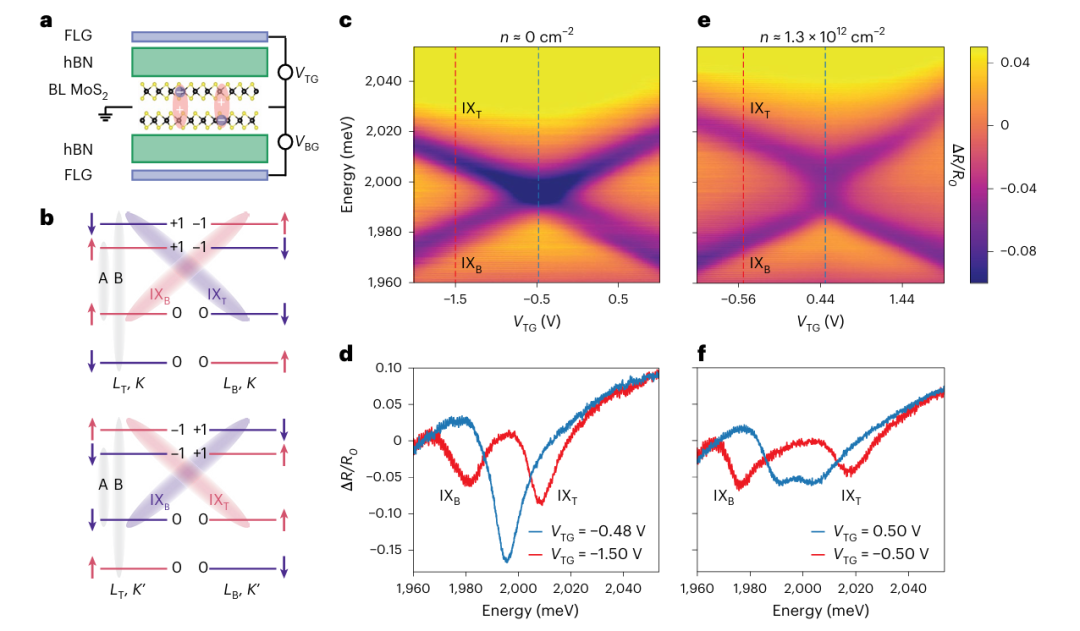
Figure 1: Interlayer exciton d.c. Stark effect.
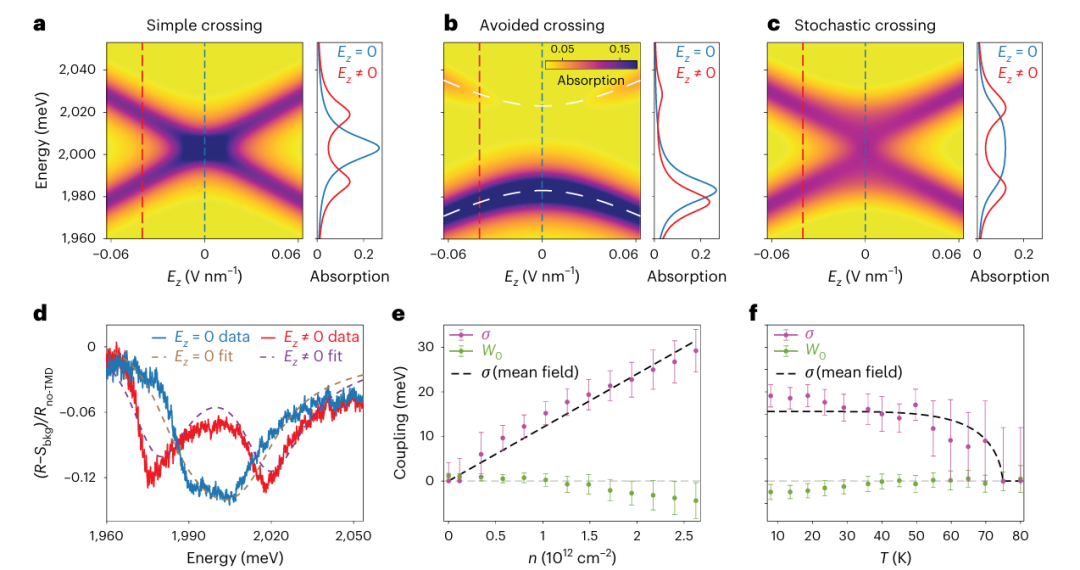
Figure 2: Random interlayer exciton mixing.
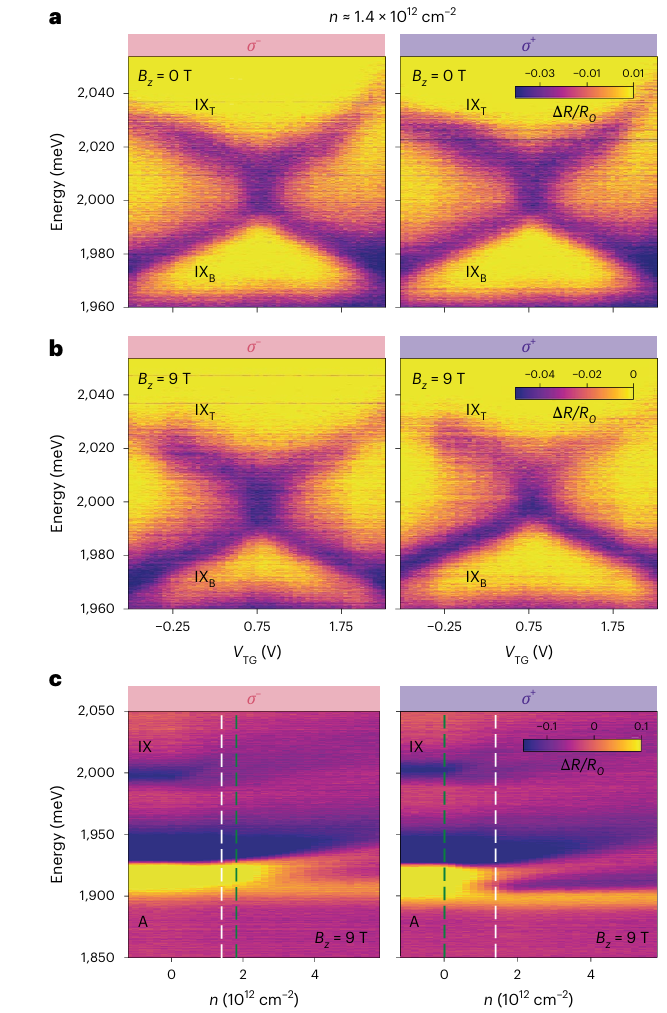
Figure 3: Magnetic field and polarization-resolved characteristics.
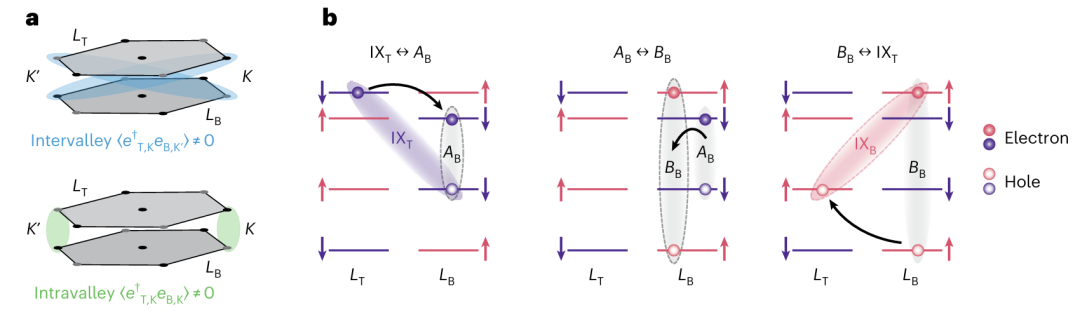
Figure 4: Coulomb-mediated interlayer exciton mixing mechanism.
This study observed optical evidence of interlayer electron coherence in bilayer molybdenum disulfide (MoS₂) under zero magnetic field conditions. By using dual-gate devices to independently control electron density and vertical electric fields, unique “random avoided crossing” behavior of interlayer excitons was discovered, indicating the presence of a coherent order parameter due to spatial fluctuations between electrons. This provides a new platform for studying strongly correlated electronic states and is significant for the development of exciton-based quantum devices.
-
Materials: Naturally grown 2H-stacked MoS₂ bilayers, hexagonal boron nitride (hBN) encapsulation, and few-layer graphene as the gate.
-
Experiments: Fabrication of dual-gate devices, independently controlling the vertical electric field (E_z) and electron density (n) by adjusting the top and bottom gate voltages. Reflection contrast spectra (ΔR/R₀) were measured at 8 K to analyze the Stark effect and hybridization behavior of interlayer excitons. Combined with polarization-resolved and magnetic field (B_z = 9 T) experiments, the influence of spin polarization was ruled out, verifying the coupled random static characteristics.
Reference linkLiu, X., Leisgang, N., Dolgirev, P.E. et al. Optical signatures of interlayer electron coherence in a bilayer semiconductor. Nat. Phys. (2025). https://doi.org/10.1038/s41567-025-02971-0This article is translated from Nature.Source: Today’s New MaterialsDisclaimer: The views expressed are solely those of the translator. Please leave comments below for any scientific inaccuracies!