The TEMU platform of Pinduoduo in the United States requires all textile and clothing products to upload the GCC certificate (GCC, which stands for General Certificate of Conformity), and products that are not uploaded by December 31 will be taken offline. This highlights the importance and necessity of the GCC certificate in cross-border e-commerce platforms. For Chinese companies wishing to expand their business in the U.S. market, obtaining a GCC certificate is a necessary condition for market entry.
Obtaining a GCC certificate is key to ensuring that a company’s products meet the requirements of the Pinduoduo TEMU platform and avoid fines or penalties. It also helps enhance product compliance and quality levels, increases market competitiveness, standardizes enterprise management systems, and promotes international trade cooperation. Chinese companies should actively seek GCC certification to enhance their overall strength and market position.
1
What is the GCC Qualification for U.S. Clothing?
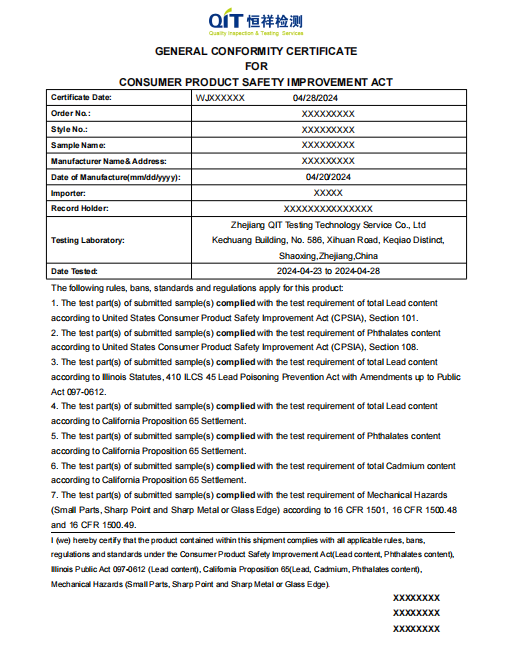
The GCC qualification for U.S. clothing, or General Certificate of Conformity, is a certification requirement issued by the U.S. Consumer Product Safety Commission (CPSC). This certificate applies to general use adult clothing and non-children’s products, ensuring that these products meet U.S. safety standards and regulations. The GCC certificate is a written declaration provided by the manufacturer or importer, proving that their product has passed reasonable testing plans and meets specific safety standards.
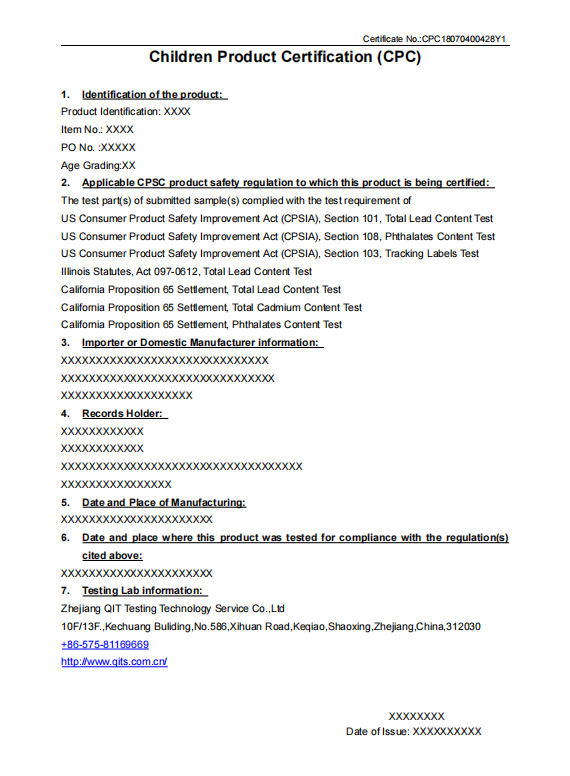
It is particularly important to note that GCC applies to general consumer products that do not involve children’s safety (such as household goods, clothing, footwear, etc.), while children’s products (such as toys) require stricter CPC (Children’s Product Certificate) certification.
2
How Should Sellers Respond to GCC Qualification Requirements?
1. Understand GCC Qualification Requirements
Sellers need to first understand which products require GCC certification and what information should be included in the certification documents. The GCC certificate must include the following content:
-
Product identification, applicable standards, and regulations
-
Importer or manufacturer information
-
Product description, production date, and location
-
Test results, testing agency name, and other information
2. Ensure Product Compliance and Testing
Sellers must ensure that products have undergone relevant testing and comply with CPSC and ASTM safety standards. These tests may include flame resistance testing, chemical safety testing, etc., to ensure that products meet regulatory requirements.
3. Prepare GCC Documents
According to CPSC requirements, sellers need to prepare and upload GCC documents, including product descriptions, test results, manufacturer information, etc., ensuring that the provided certificates and reports are valid and authentic.
4. Regular Retesting and Certification
Although GCC does not mandate retesting, it is recommended that sellers conduct regular retesting annually to ensure products always comply with the latest regulations, especially when there are significant changes to the product.
5. Use Third-Party Laboratories
While GCC does not require third-party laboratory testing, if sellers use third-party testing as a basis for certification, they must provide detailed information about the laboratory.
6. Compliance Checks
Sellers must ensure that all products meet U.S. market safety standards, especially the authenticity and validity of test reports, to avoid non-compliant products entering the market.
3
Specific Requirements for GCC Qualification Certificates
According to platform requirements, the GCC qualifications uploaded by sellers must meet the following conditions:
1. Consistency of Qualification Documents
All test items, report numbers, model numbers, and style numbers must be consistent, and the third-party testing agency, manufacturer information, testing time, and address must match the actual situation.
2. Requirements for Qualification Documents
The uploaded GCC certificate must be the official version and must include at least an English version. All documents must be authentic and valid, and cannot be falsified.
3. Requirements for Physical Images
In the submitted physical images, the product model, style number, manufacturer name, and address must not be in pinyin.
4. Testing Report Requirements
The testing report must include product information, images of the test samples, signatures, and seals of the agency, and other relevant information.
5. Content Requirements for GCC Certificates
The certificate must include the name and address of the certificate holder, importer and manufacturer information, production date, production address, etc., and detailed information from a third-party testing agency is required.
6. GCC Testing Items
Clothing products must meet the flammability requirements specified in 16 CFR 1610. If regulations require other testing items, sellers must test them truthfully to ensure products comply with all applicable regulations.
Frequently Asked Questions
Q
Do all clothing items require GCC certification?
Not all clothing products require GCC certification. Only clothing listed in the GCC product list provided by the CPSC requires certification. Sellers should confirm whether their products are on the list.
Q
Who needs the GCC certificate?
The GCC certificate must be provided to distributors, retailers, and submitted to the U.S. Consumer Product Safety Commission and Customs as required.
Q
What is the basis for issuing the GCC certificate?
The GCC certificate should be based on product testing or reasonable testing procedures. While the CPSC recognizes testing reports from third-party laboratories, sellers can also use reports from their own or external testing laboratories.
Q
What is the validity period of the certificate and testing report?
There are no explicit validity period requirements for GCC certificates and testing reports. It is recommended that sellers regularly update certificates and retest when there are changes in product design or production processes.
END
Editor: Xiao Ding
Reviewer: Wang Qinqin
Some materials sourced from the internet