
Recently, the thoracic surgery team at Dongguan First Hospital affiliated with Guangdong Medical University (Southeast Dongguan Central Hospital) successfully completed several high-difficulty lung surgeries using advanced robotic thoracoscopic technology, performing operations with “millimeter-level” precision to safeguard patients’ health, showcasing our hospital’s strong capabilities in the field of thoracic surgery as a regional medical center in Dongguan.
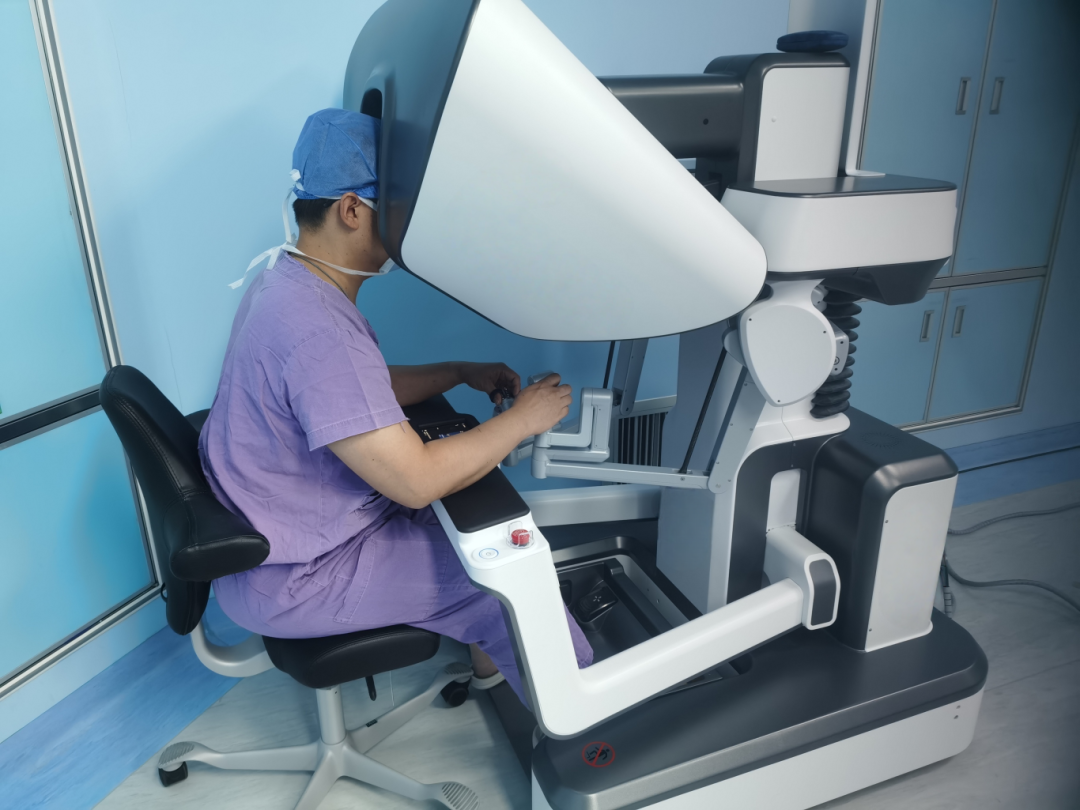
In the operating room, Director Guo calmly sat at the control console, precisely manipulating the robotic arms while the surgical team worked closely together.
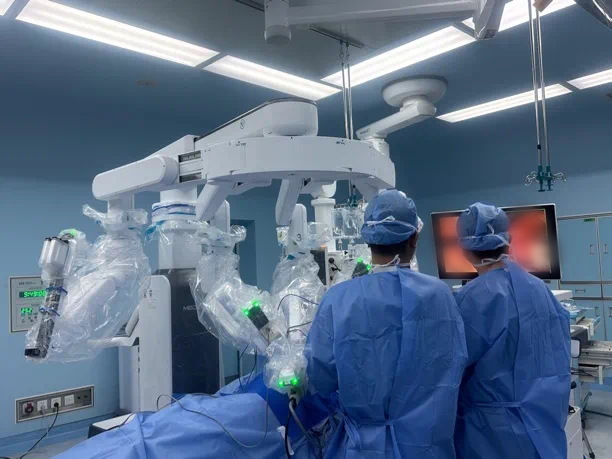
The robotic arm flexibly extended into the thoracic cavity, steadily reaching the surgical site at a pre-set angle. Meanwhile, three-dimensional images of the blood vessels were displayed in real-time, accurately locking onto the right upper lung segment artery, allowing the surgical team to clearly observe the direction and position of the blood vessels, ensuring that the precision of vascular dissection during surgery reached sub-millimeter levels.
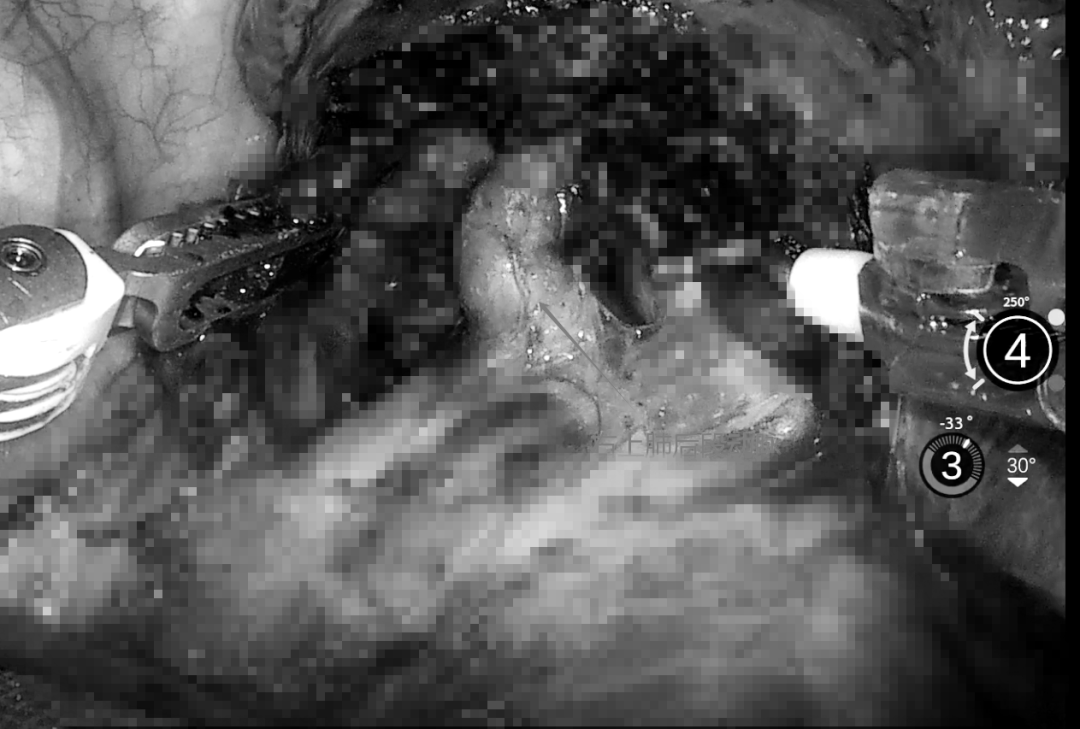
Relevant data shows that this advanced robotic system has significant advantages, reducing intraoperative blood loss by approximately 60%, and the average postoperative hospital stay for patients has also been significantly shortened to 3-5 days.
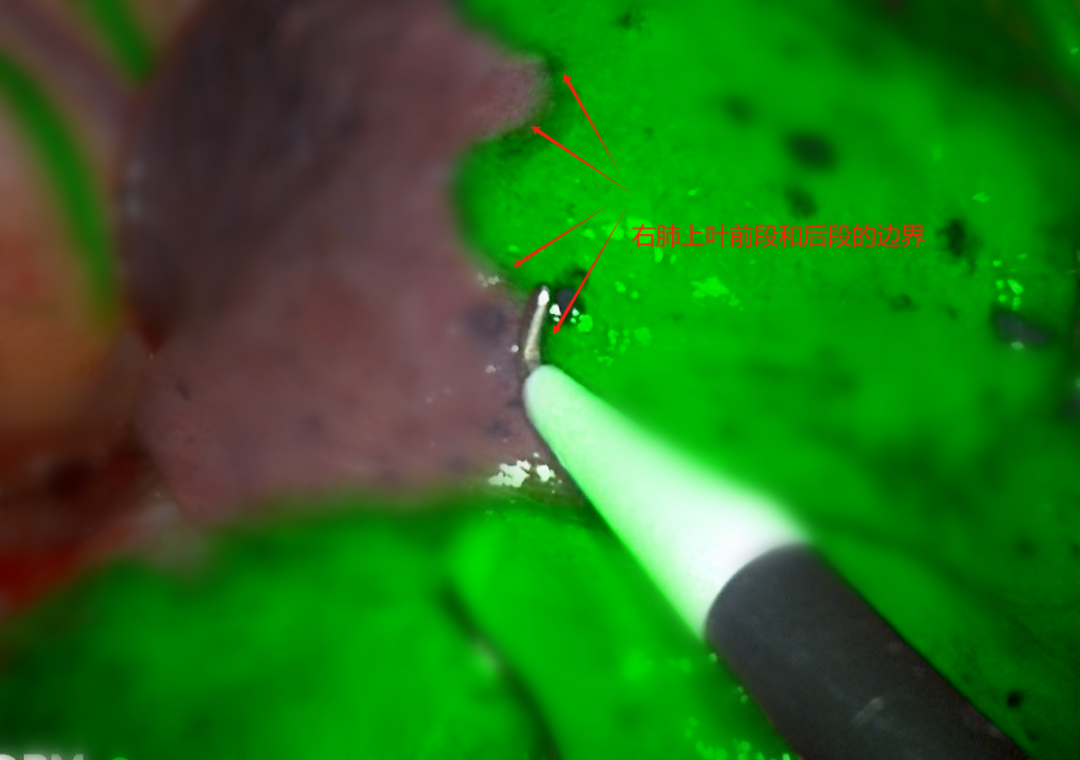
Technological Breakthrough: Three Major Advantages of Robotic Surgery
1. Ultra-clear Vision, Precise Navigation
The robotic system provides 10x magnified three-dimensional imaging, revealing fine structures such as blood vessels and bronchi in detail. This is particularly beneficial for the complex anatomy of the “vascular triangle” in lung segments (such as the posterior segment artery branches), avoiding accidental damage due to limited visibility in traditional surgeries.
2. Flexible Control, Breaking Limits
The robotic arm can simulate 7 degrees of freedom of human wrist movement, completing 360° operations without dead angles in the confined thoracic cavity. It can bypass important tissues at reverse angles, achieving “non-contact” lesion removal and reducing the risk of postoperative complications.
3. Intelligent Collaboration, Efficient Decision-Making
The lead surgeon can adjust the robotic arm parameters in real-time through the console, while the system synchronously analyzes surgical field data to assist in formulating the optimal resection plan, truly achieving integrated collaboration of “eye-hand-brain”.
Patient Benefits: Dual Upgrade of Minimally Invasive and Efficacy
“Robotic surgery not only results in smaller incisions and faster recovery but, more importantly, maximizes the preservation of lung function,” pointed out Director Guo of the thoracic surgery department. For example, in the case of right upper lobe segmentectomy, traditional open-chest surgery requires a 15-20 cm incision, while robotic minimally invasive surgery only requires 3-4 incisions of 1-2 cm each, leading to a 50% reduction in postoperative pain scores, which is particularly significant for elderly patients or those with poor cardiopulmonary function.
Discipline Leadership: Establishing a Benchmark for Regional Thoracic Diagnosis and Treatment
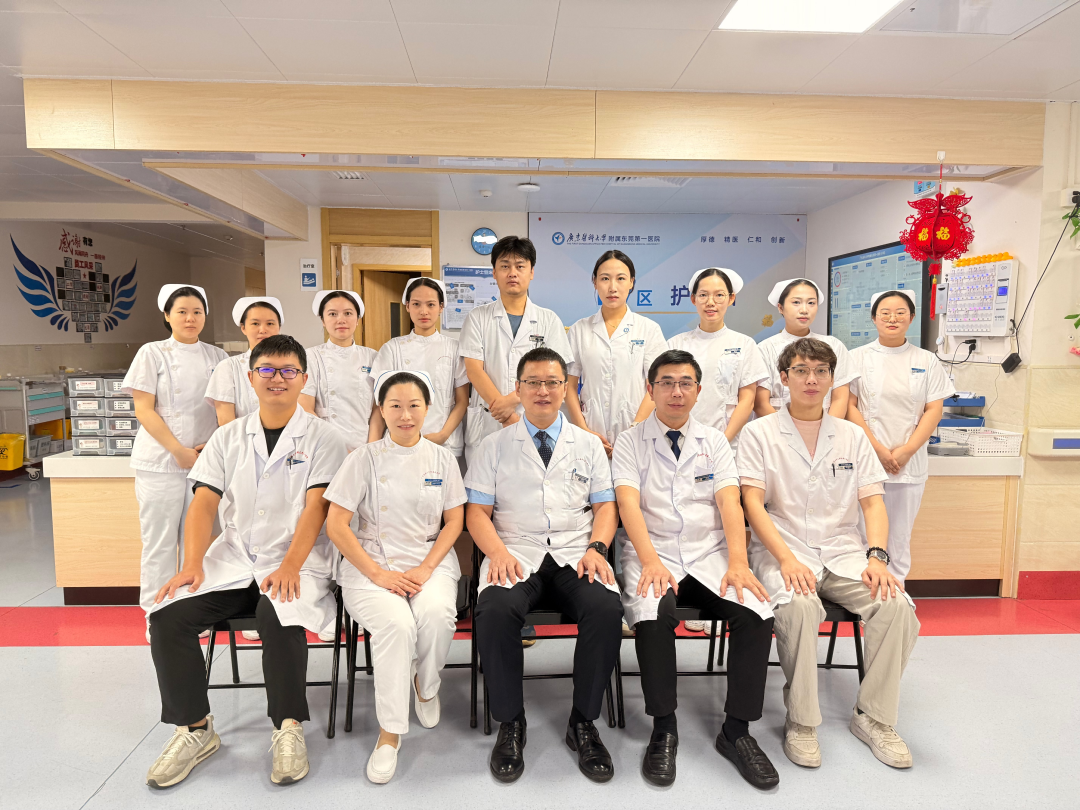
The thoracic surgery department at Dongguan First Hospital affiliated with Guangdong Medical University has been continuously deepening its research into minimally invasive technology and has now routinely performed robotic surgeries, covering high-precision procedures such as lung cancer radical resection and complex mediastinal tumor removal. Relying on the strong research platform of Guangdong Medical University and the hospital, the thoracic surgery team actively explores innovation, collaborating with artificial intelligence-assisted diagnostic systems to further enhance surgical precision and safety. Currently, the team is steadily advancing towards the goal of “fully robotic thoracic surgery,” committed to providing top-tier precision medical services for patients in the Guangdong-Hong Kong-Macao Greater Bay Area.
Expert Profile
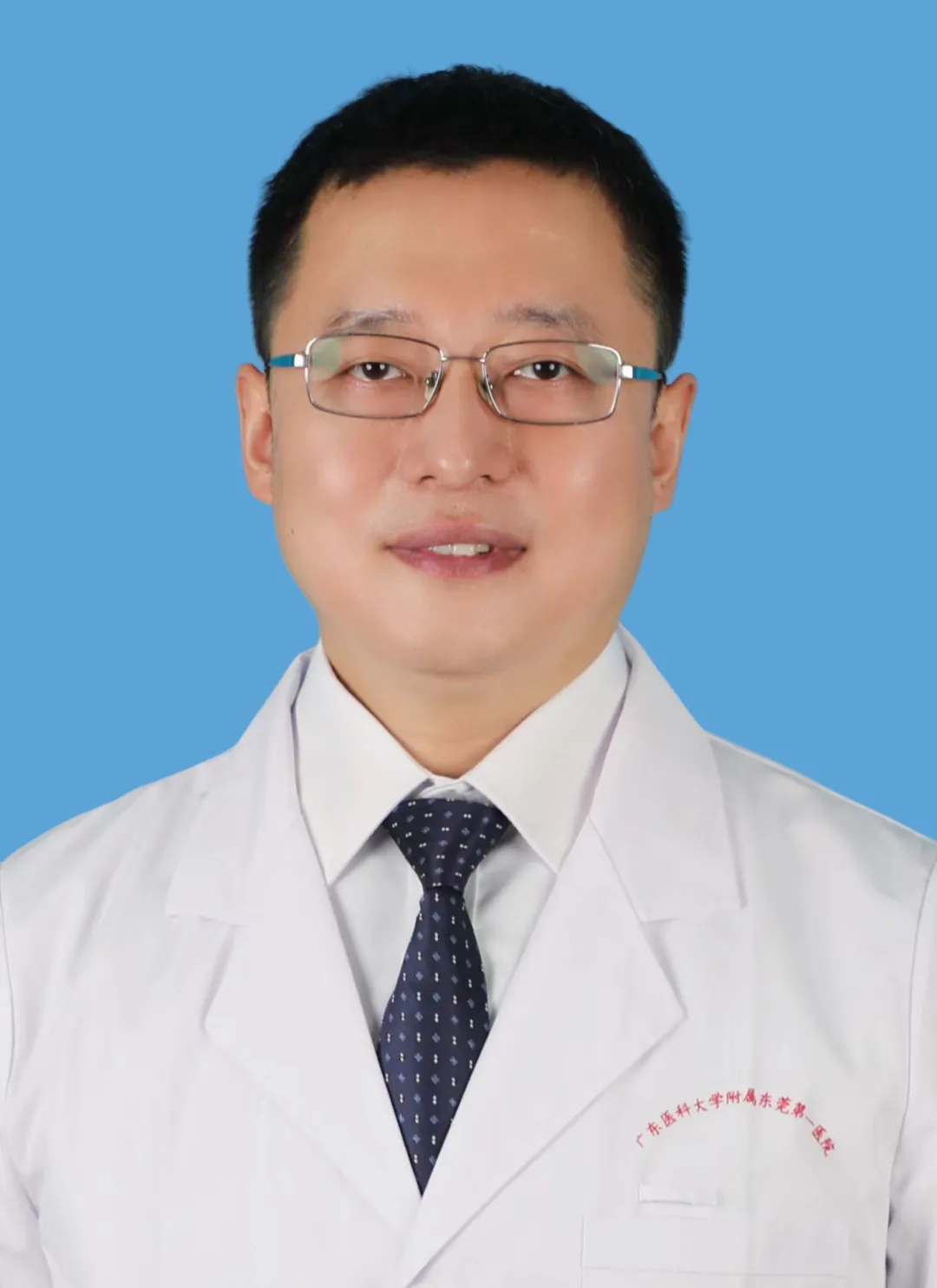
Guo Ran
Chief Physician, Communist Party Member, Member of the Jiusan Society, Doctor of Medicine, Senior Psychological Counselor.Graduated with a doctorate in Respiratory Surgery from Tokyo Medical University in Japan in 2010, has worked for over ten years in the thoracic oncology department at the People’s Hospital of Inner Mongolia Autonomous Region. He also studied minimally invasive thoracoscopic surgery for a year at the National Cancer Center’s thoracic surgery department.
Social Positions:
Chairman of the Youth Committee of the Oncology Surgery Physicians Branch of the Inner Mongolia Physician Association;Director of the Inner Mongolia Anti-Cancer Association;Member of the Lung Cancer Group of the Precision Medicine and Oncology MDT Committee of the Chinese Research Hospital Association;Member of the Lung Cancer Medical Youth Expert Committee of the Beijing Medical Award Foundation;Member of the Precision Medicine and Oncology MDT Committee of the Inner Mongolia Anti-Cancer Association.
Clinical Expertise:
Diagnosis and minimally invasive surgical treatment of pulmonary nodules; minimally invasive surgical treatment of thoracic diseases (benign and malignant lung tumors, thoracic masses, thymomas, pulmonary bullae, rib fractures); treatment of esophageal cancer; comprehensive treatment of lung cancer, etc.
Achievements:
Led two provincial-level research projects.
Consultation Hours:
Monday, Wednesday, Friday mornings
Consultation Location:
Third floor of the outpatient department, thoracic department area
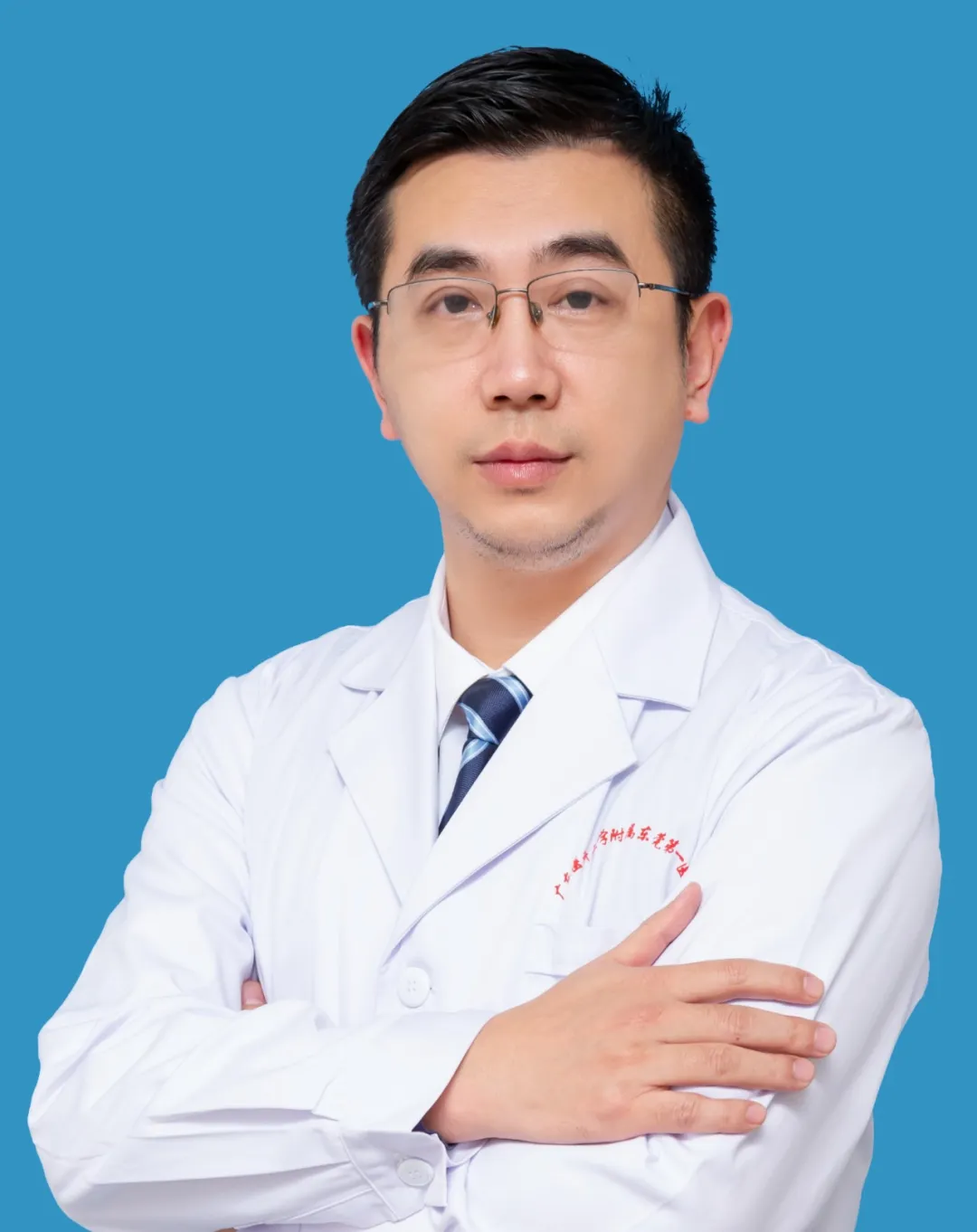
Chen Peng
Associate Chief Physician, graduated in 2002 from the Clinical Medicine program at Huazhong University of Science and Technology Tongji Medical College. Engaged in clinical work in thoracic surgery for over 10 years. He has studied at top-tier hospitals such as the Union Hospital affiliated with Huazhong University of Science and Technology, Guangdong Medical University Affiliated Hospital, and Dongguan Kanghua Hospital.
Academic Positions:
Currently serves as an executive member of the Youth Committee for Multidisciplinary Prevention and Treatment of Lung Cancer of the Guangdong Clinical Medicine Society; member of the Thoracic Surgery Branch of the Dongguan Medical Association.
Clinical Expertise:
Proficient in the diagnosis and treatment of thoracic diseases, emergency rescue in thoracic trauma, and surgical techniques and processes in thoracic surgery. Familiar with common complications before, during, and after surgery and can effectively prevent them. In recent years, he has achieved good results using minimally invasive techniques such as video-assisted thoracoscopic surgery and central venous catheter drainage to treat pleural effusion, hyperhidrosis, lung tumors, esophageal tumors, and mediastinal tumors, not only alleviating patient suffering but also cleverly concealing surgical incisions, allowing patients to recover aesthetically, which is beneficial for their physical and mental health.
Achievements:
Published over 10 academic papers in provincial and national core academic journals and participated in one municipal scientific project.
Consultation Hours:
Tuesday, Thursday, Saturday mornings
Consultation Location:
Third floor of the outpatient department, thoracic department area
END
 Disclaimer: Health science content is for reference only. Please seek offline consultation if you feel unwell.Contributed by: Thoracic Surgery (Pulmonary Nodule Center)Correspondent: Liu Hao
Editor: Luo Yuhai
Chief Editor: Xie Jiaming
Reviewed by: Luo ChenzhangPublished by: Li Yuquan