

The company has developed the Proteus maritime fuel cell solution in collaboration with hydrogen fuel cell company Symbio France, which is a modular hydrogen fuel system designed for ports and vessels.
June 19, 2025
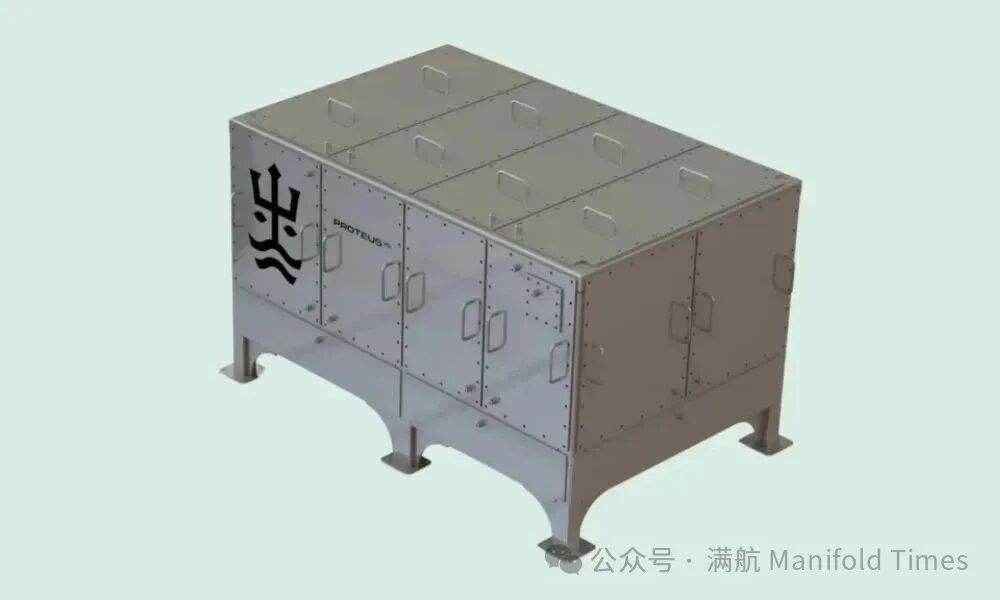
Singapore’s clean energy provider Proteus Energy announced on Wednesday (June 18) that it has successfully developed the Proteus® maritime fuel cell solution (Proteus® Maritime Fuel Cell Solution), a modular hydrogen fuel system for ports and vessels.
The first product, Proteus®75, has a power output of 75 kW per fuel cell stack and can be combined to meet larger power demands. It is suitable for various types of vessels, including port service vessels, coastal operation vessels, offshore support vessels, and inland river vessels.
This technology was developed by Proteus Energy in collaboration with Symbio, a world-leading hydrogen fuel cell company with over 30 years of history, co-owned by global industrial groups Michelin, Stellantis, and Forvia.
Dr. Lars Gruenitz, CEO of Proteus Energy, stated: “Currently, the shipping industry requires viable clean energy solutions. In this regard, our high energy density solution is compact and lightweight, which is crucial for vessels that prioritize space and weight planning. At the same time, it is an excellent system designed to be a reasonable and cost-effective option to help operators achieve a qualitative leap in their decarbonization efforts.”

The Proteus® maritime fuel cell solution can be delivered in a modular power pack form and can also be customized for installation on vessels.
Additionally, Proteus’s fuel cell technology can complement electric propulsion systems, providing a powerful solution for hybrid vessels by extending their range and reducing battery load, further enhancing space efficiency and vessel performance.
Moreover, the Proteus® maritime fuel cell solution will come with a two-year performance guarantee provided by Symbio France.

Currently, the Symbio system has covered millions of kilometers of operation across Europe in cars, buses, and commercial trucks. Now, its performance, which has passed rigorous road tests, is being extended to the maritime sector, providing additional protection for marine operating conditions.
Meanwhile, the fuel cell stacks are produced at Symbio’s super factory in Lyon, France, utilizing a robotic assembly system capable of producing thousands of units annually.

This high-throughput capacity will ensure that Proteus can meet the growing demand without sacrificing quality, achievable only by a mature and reliable hydrogen fuel cell manufacturer.
Another advantage of Proteus is its ability to bring economies of scale, ongoing R&D efforts, and proven reliability from land transport into the marine environment.
To provide convenient fuel storage solutions, Proteus also offers high-pressure hydrogen tanks developed in collaboration with its partner Forvia, a global leader in parts and technology. These tanks, which have received DNV type certification, are now ready for delivery, providing a safe and convenient method for hydrogen storage on vessels and can be produced at an industrial scale.

On the other hand, Proteus is also collaborating with port operators to provide customized hydrogen refueling solutions and infrastructure.
The Proteus® maritime fuel cell solution is expected to begin delivery in January 2026 and is anticipated to receive DNV type certification by the end of this year. Currently, Proteus is ready to collaborate with customers.

Image Source: Proteus Energy
Release Date: June 19, 2025
 Manifold TimesDeep insights from the world’s largest fuel bunkering centerManifold China Company was established in 2022