Slow internet speed has become one of the most frequently complained topics by customers to broadband service providers. Research shows that most consumers currently experience Wi-Fi speeds that are only about 50% of their router’s bandwidth limit.
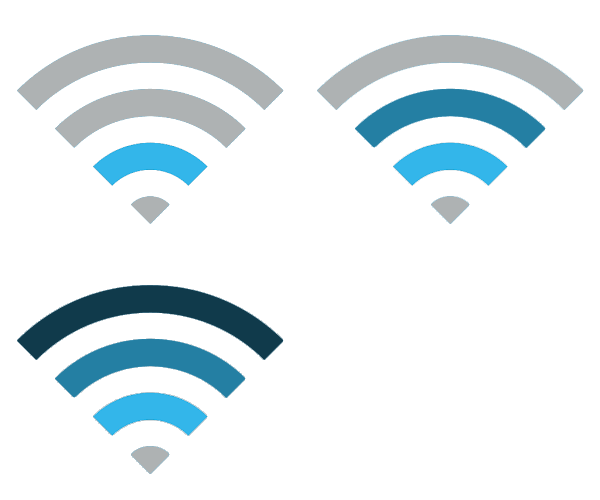

 Wi-Fi signals are affected by six major factors
The reason why Wi-Fi speeds do not meet expectations is related to these six factors.
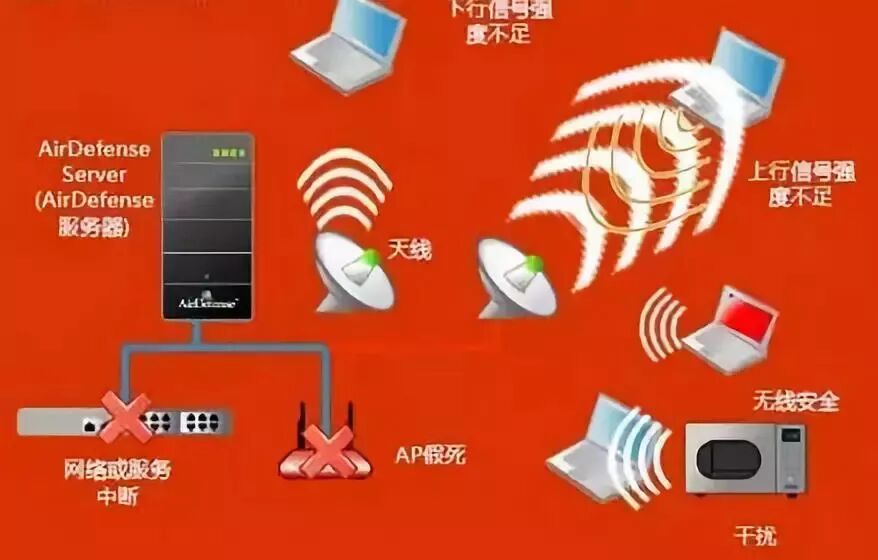
1. Wi-Fi Signal Congestion
When users access the internet via Wi-Fi, it is similar to tuning into a radio station, using a fixed frequency wireless band. Therefore, the number of similar signal transmissions in the surrounding area significantly impacts the Wi-Fi experience.

“If you live in a central apartment building in the city, and there are hundreds of wireless networks within that building, this is almost the worst Wi-Fi environment possible.”

Even if your phone shows full Wi-Fi signal bars, the actual Wi-Fi signal may still be very slow, as devices like mobile phones, cordless phones, microwaves, Bluetooth devices, and even wireless baby monitors can all affect Wi-Fi signal quality.
2. Devices Unable to Simultaneously Send and Receive Data
Since Wi-Fi signals cannot send and receive data simultaneously, this network access method tends to produce more data latency than other methods. Additionally, many people using the same Wi-Fi channel simultaneously can greatly affect the Wi-Fi signal strength.
Moreover, if you are in an area with strong network signals, your router will continuously search for the best network channel, which can also cause network latency, and this is not a problem that broadband service providers can solve.
 3. Inherent Limitations
No matter how much Wi-Fi technology improves in the future, wireless connections will still struggle to surpass the current wired internet access models. Wi-Fi will not completely replace wired internet connections; it is merely a more convenient networking solution.
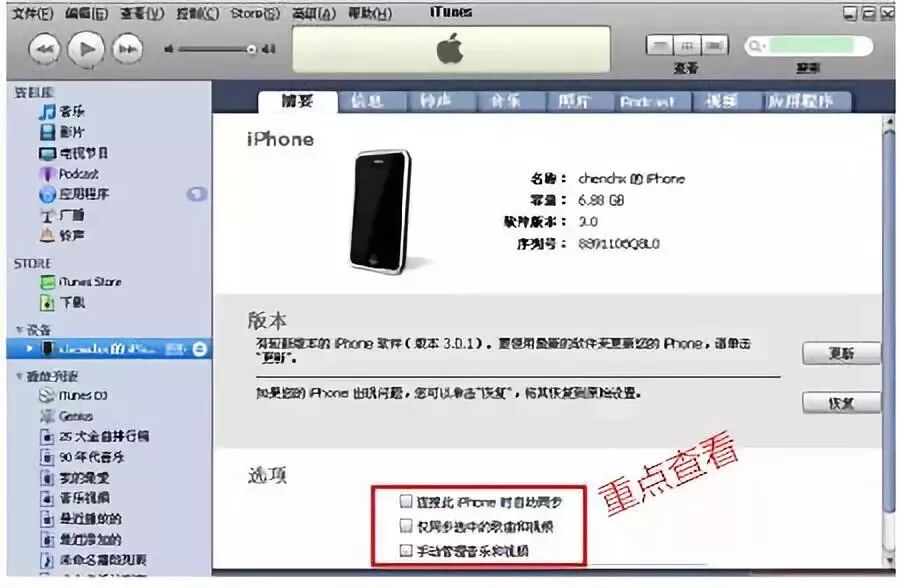
4. Background Processes
If the Wi-Fi speed does not improve after ruling out all the above factors, check if your software is automatically syncing data and photos, as this can greatly affect your Wi-Fi speed. Moreover, since these applications often run silently in the background, many users may not even remember their existence.
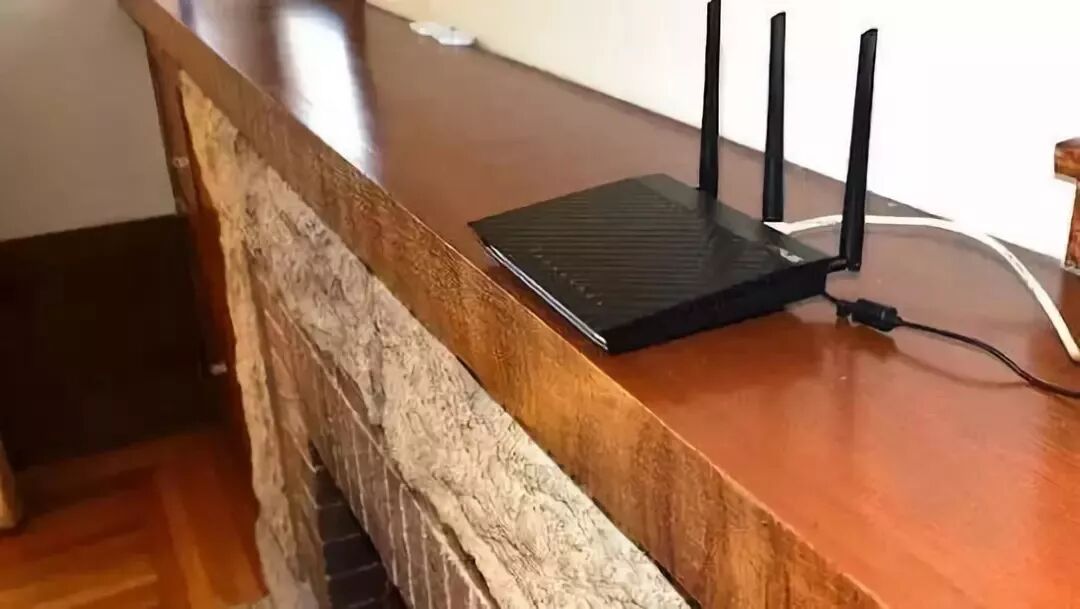
5. Router Placement
The placement of your wireless router has a significant impact on signal strength. For example, if you place the router next to a concrete wall, its signal strength will be greatly reduced. Ideally, the best placement for the router is in the center of the room on the ceiling (though many consumers may not have such conditions).
6. Differences in Connected Devices
If your iPhone 4’s Wi-Fi connection speed is slower than that of an iPhone X, do not be surprised, as the Wi-Fi connection speed is also greatly related to the processing speed of the connected device.
 Four Suggestions to Strengthen Your WIFI Signal 1
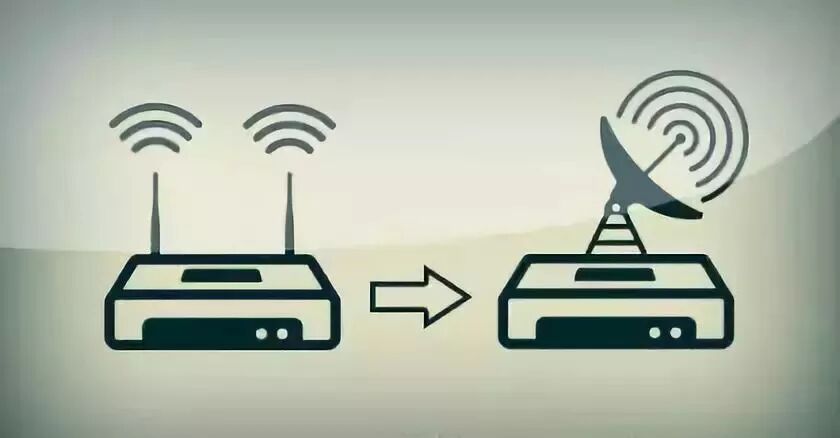
Upgrade your router to one that supports dual-band frequencies of 2.4GHz and 5GHz. However, it should be noted that the 5GHz frequency signal has poorer wall penetration compared to 2.4GHz, and many older devices do not support this Wi-Fi frequency.
2
Use a channel scanner to check the Wi-Fi channel usage in your area, and then select a less congested channel for use.
3
If you have an idle wireless router, consider using it to extend or amplify the indoor Wi-Fi signal strength.
4If your router has options for high power and low power usage, typically the low power setting will provide better Wi-Fi signal strength.
Source:CCTV Finance
Editor: Cai Yu
Proofreader: Zhou Yaru