This issue shares a paper published in July 2025 in The Plant Cell titled “A calcium sensor kinase pathway interacts with the TOR complex to balance growth and salt tolerance in Arabidopsis.” The study found that salt stress rapidly inhibits the activity of TORC in Arabidopsis through both the ABA pathway and the CBL4/CBL10-CIPK24 pathway. Among them, CIPK24 can directly interact with RAPTOR1B and phosphorylate its Ser897 site, thereby inhibiting TORC activity. In the cipk24 and cbl4 cbl10 mutants, the inhibitory effect of salt stress on TORC activity is weakened, and these mutants recover growth faster after the removal of salt stress due to increased TORC activity. The RAPTOR1B S897A mutant also exhibits a stronger growth recovery ability. Meanwhile, the recovery of TORC activity competes with CBL10 for binding to CIPK24, disrupting the formation of the CBL10-CIPK24 complex, thereby inhibiting the activity of the CBL-CIPK module and the expression of salt-responsive genes. The raptor1b mutant exhibits a salt-tolerant phenotype due to impaired TORC function, and this salt tolerance depends on CIPK24, while the raptor1-2 cipk24 double mutant loses the salt-tolerant phenotype.

Research Background
In saline soils where Arabidopsis grows, excessive accumulation of Na⁺ can disrupt physiological processes such as photosynthesis and potassium homeostasis. Plants respond by activating mechanisms such as Na⁺ efflux and vacuolar compartmentalization, where the calcium-dependent SOS pathway and CBL10 can sense cytosolic Ca²⁺ signals to regulate Na⁺ transport and enhance salt tolerance. Various CBLs and CIPKs are also involved in other environmental responses. Natural environmental fluctuations require plants to switch between “growth mode” and “adaptation mode,” but the molecular connections between normal and stress state regulatory mechanisms remain unclear. This study explores the relationship between the activity of the CBL-CIPK pathway under salt stress and the growth mode marker TORC. TORC integrates energy, nutrients, and growth in eukaryotes, and it is unclear whether the inhibition of plant growth by salt stress is related to TORC inactivation. Although salt stress can promote ABA synthesis, which inhibits TORC through SnRK2s phosphorylation of RAPTOR1B, it is still unknown whether the regulation of TORC by salt stress depends on ABA or has a more direct mechanism.
Research Results
1. Salt stress inhibits TORC activity
The study found that salt stress significantly inhibits TORC activity in Arabidopsis. By detecting the phosphorylation level of the TOR substrate S6K1 at the Thr449 site, it was observed that under normal growth conditions, TORC activity is maintained at a high level and can be completely blocked by the TOR-specific inhibitor Torin2. When the NaCl concentration rises to 50mM, TORC activity significantly decreases, and the higher the concentration, the stronger the inhibition. A 10-minute treatment with 200mM NaCl can inhibit TORC, and after 15 minutes of treatment, its activity sharply declines. However, when transferred to salt-free medium, TORC activity can recover within 1 hour. Meanwhile, although the ABA synthesis induced by salt stress can inhibit TORC activity through SnRK2s phosphorylation of RAPTOR1B, it is not the only mechanism. In the absence of the main ABA receptors in the pyr1 pyl12458 mutant, the decrease in TORC activity caused by salt stress is only partially alleviated, indicating that other regulatory pathways are also involved in the inhibition of TORC activity under salt stress.
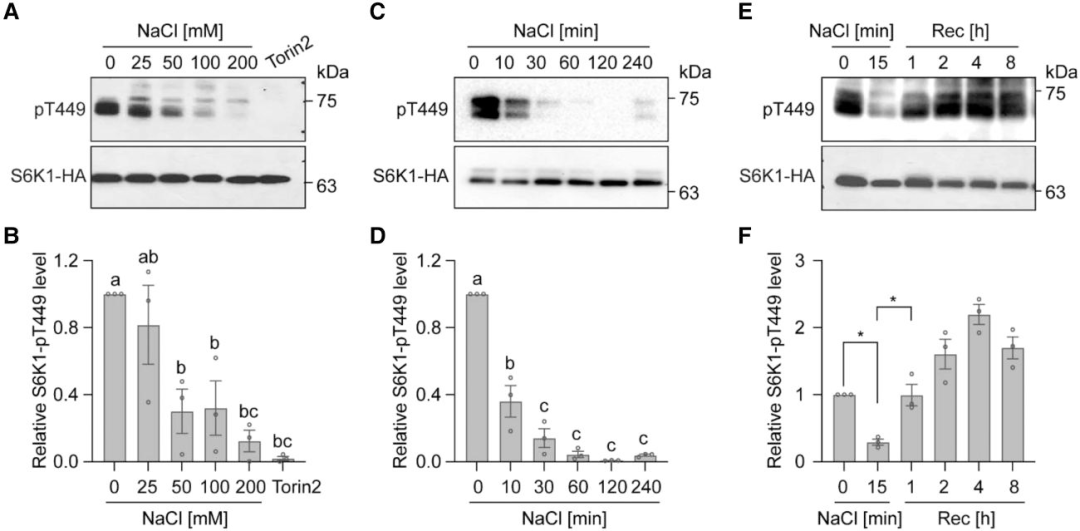
Figure 1. Salt stress can rapidly inhibit TORC activity
2. CIPK24 interacts with and phosphorylates RAPTOR1B
Through Y2H, pull-down, and Co-IP experiments, it was confirmed that the key kinase CIPK24 in salt stress response has a direct physical interaction with the TOR complex component RAPTOR1B, and CIPK24 can bind to the C-terminal region (amino acids 487-1057) of RAPTOR1B. In vitro kinase assays showed that CIPK24 can phosphorylate the C-terminal fragment of RAPTOR1B. In Arabidopsis protoplast experiments, co-expression of both under salt stress resulted in a shift in the migration rate of the C-terminal fragment of RAPTOR1B related to phosphorylation. Further point mutation analysis identified the phosphorylation site as Ser897, and the S897A mutation completely abolished the CIPK24-induced phosphorylation of RAPTOR1B under salt stress. Transgenic experiments also confirmed the salt stress dependency of this phosphorylation site.
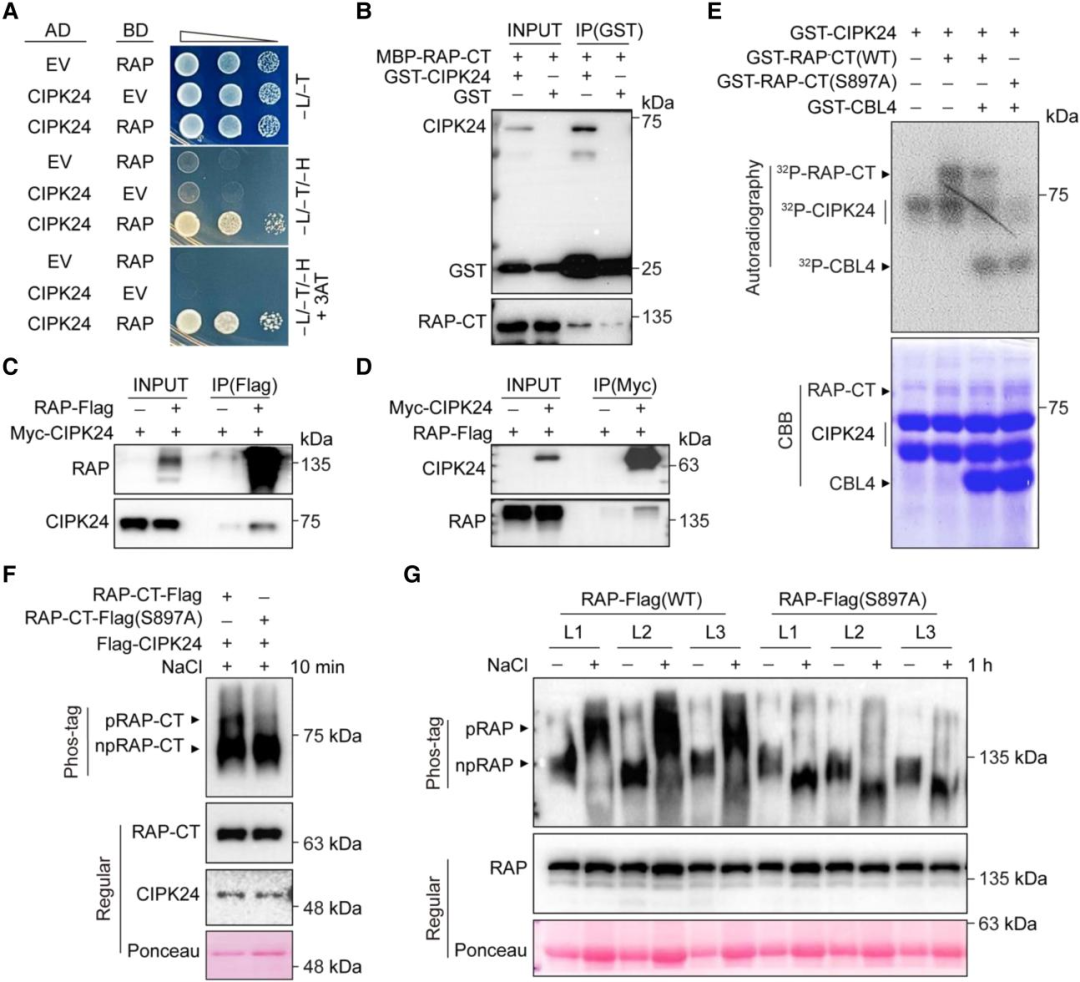
Figure 2. CIPK24 interacts with and phosphorylates RAPTOR1B
3. CIPK24-induced phosphorylation of RAPTOR1B at the S897 site inhibits TORC activity
The study found that CIPK24-induced phosphorylation of RAPTOR1B at the S897 site inhibits TORC activity. Previous studies have confirmed that under low potassium stress, CIPK9 phosphorylates the Ser897 site of RAPTOR1B to inhibit TORC activity. This study speculates that the phosphorylation of RAPTOR1B-S897 mediated by CIPK24 under salt stress may also lead to a decrease in TORC activity. Under salt stress, TORC activity significantly decreases in wild-type protoplasts, while this decrease is significantly alleviated in the cipk24 mutant. The reduction in TORC activity under salt stress in the CBL4 CBL10 double mutant with impaired CIPK24 activation is also significantly less than that in the wild type. Meanwhile, after the removal of salt stress, if the CBL-CIPK network is inactive, it may lead to excessive activation of TORC to accelerate plant growth recovery. Comparing the growth recovery dynamics of Col-0, cipk24, cbl4 cbl10, and raptor1b mutants, it was found that the raptor1b mutant showed significantly delayed growth during the recovery phase, while the cipk24 and cbl4 cbl10 mutants, although severely growth-deficient under salt stress, recovered faster than the wild type when transferred to recovery medium. Moreover, the rapid recovery of the cipk24 mutant can be inhibited by the loss of RAPTOR1B (e.g., cipk24 raptor1b double mutant) or the addition of TORC inhibitors (2μM AZD8055), indicating that it depends on increased TORC activity. Additionally, the RAPTOR1B-S897A phosphorylation-deficient mutant also supports this conclusion. In the raptor1b mutant, expressing RAPTOR1BWT-Flag can completely restore its growth recovery phenotype to wild-type levels, while expressing RAPTOR1BS897A-Flag in two transgenic lines shows significantly stronger growth recovery ability than those expressing RAPTOR1BWT-Flag, further confirming that the phosphorylation of RAPTOR1B-S897 triggered by CBL-CIPK inhibits TORC activity and delays plant growth recovery from salt stress.
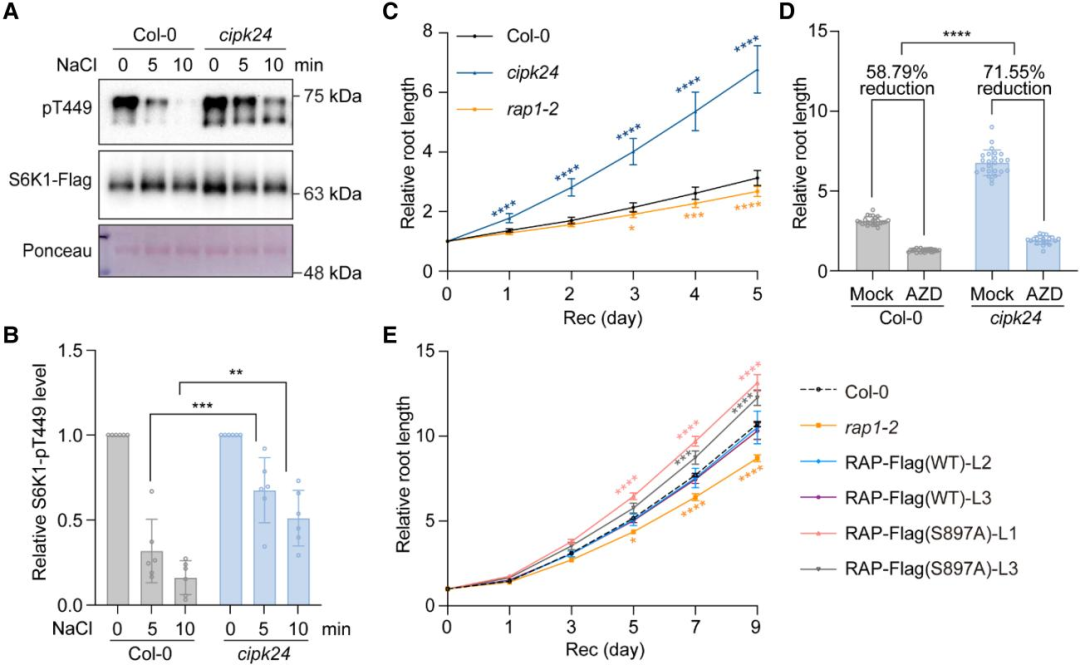
Figure 3. CBL4/CBL10-CIPK24 negatively regulates TORC activity
4. TORC inhibits the salt stress response network
The study found that TORC inhibits the plant’s salt stress response network. After the removal of salt stress, TORC activity recovers, while the CBL4/CBL10-CIPK24 module becomes inactive, and there is a causal relationship between the two. After treatment with the TORC inhibitor (AZD8055), the decrease in CIPK24 activity in UBQ10:CBL10-Flag/cbl10 seedlings transferred from salt medium to recovery medium for 1 day was significantly blocked. Even without salt stress, adding 1-3μM AZD8055 can increase the phosphorylation level of CBL10-Flag by 2-3 times, indicating that TORC activity is key to the inactivation of CBL-CIPK during the recovery phase. Further mechanistic studies show that RAPTOR1B competes with CBL10 for binding to CIPK24, disrupting the formation of the CBL10-CIPK24 complex to inhibit CIPK24 activity. In bimolecular fluorescence complementation experiments, RAPTOR1B-Flag reduces the interaction signal between CBL10-nLUC and cLUC-CIPK24. Salt treatment enhances this interaction, but co-expression of RAPTOR1B-Flag still weakens it. Co-IP experiments also confirm that RAPTOR1B-Flag reduces CBL-CIPK interactions, and salt treatment enhances CBL-CIPK interactions while weakening the interaction between CIPK and RAPTOR. Meanwhile, TORC also negatively regulates the expression of salt-responsive genes. In the wild type, salt stress increases the transcription levels of salt-responsive marker genes such as ABI5 and COR15A, which decrease during the recovery phase. However, in the es-tor mutant, the expression of these genes under both control and salt stress is significantly higher than in the wild type, and during the recovery phase, it cannot drop to wild-type control levels. Additionally, disrupting TORC enhances plant salt tolerance. The raptor1b mutant exhibits a salt-tolerant phenotype in germination and seedling experiments, showing stronger salt tolerance than the wild type during germination and higher chlorophyll content and other indicators during the seedling stage. Moreover, the constitutive expression of RAPTOR1B-Flag can complement this salt-tolerant phenotype, while the salt tolerance phenotype of the raptor1-2 cipk24 double mutant disappears, indicating that the salt tolerance of the raptor1b mutant depends on CIPK24 activity.
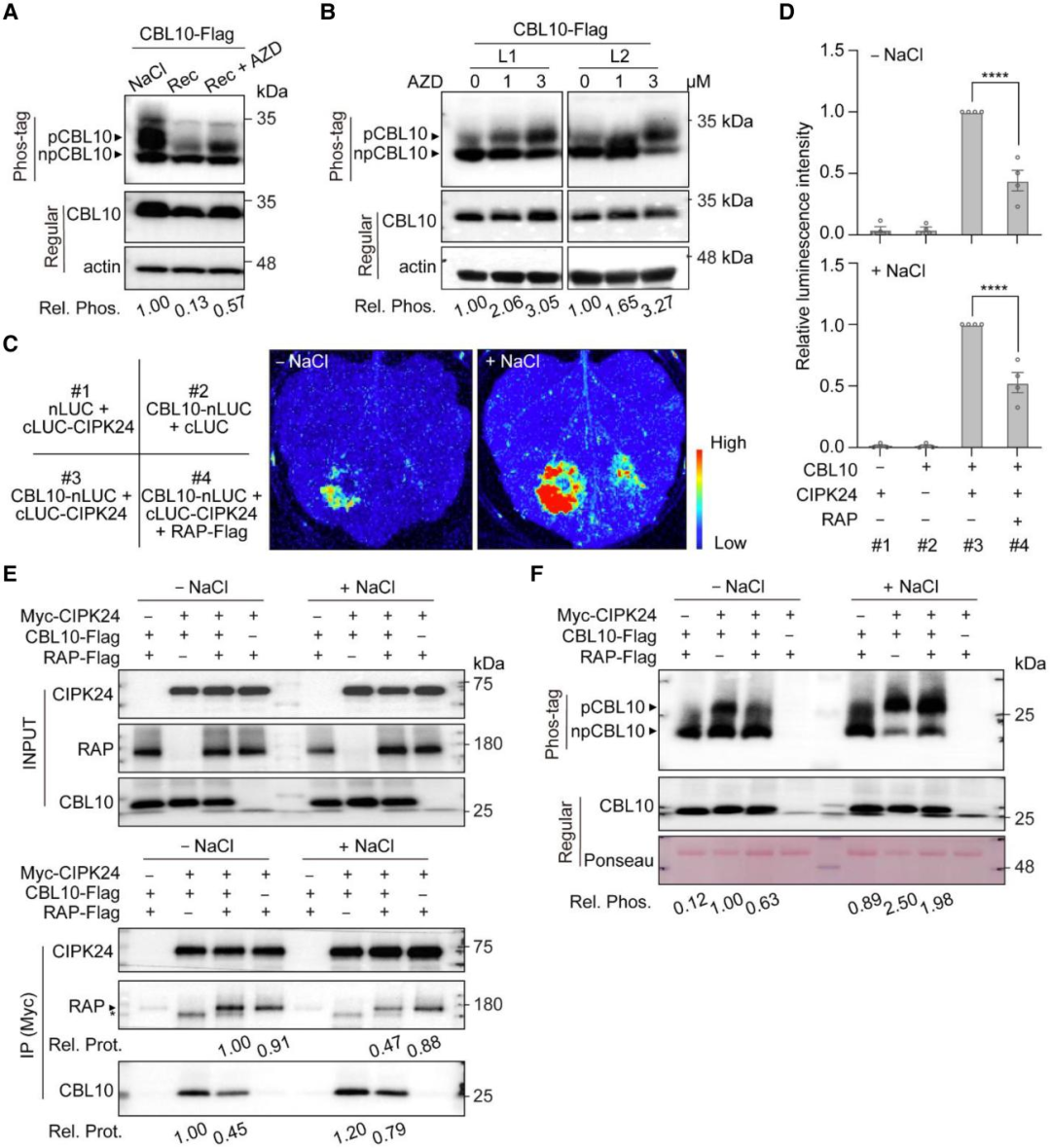
Figure 4. TORC inhibits the activity of CBL10-CIPK24
To verify the hypothesis that disrupting TORC may enhance the plant’s response and adaptability to salt stress, the study examined the raptor1b mutant (with impaired TORC activity) under salt stress and found it exhibited a salt-tolerant phenotype, in contrast to the cbl10 and cipk24 mutants (salt-sensitive). In germination experiments, the raptor1b mutant showed stronger salt tolerance than the wild type, while the cipk24 mutant was more sensitive. In post-germination experiments, the raptor1b mutant had significantly higher chlorophyll content, relative fresh weight, and lateral root density than the wild type, and the constitutive expression of RAPTOR1B-Flag could complement its salt-tolerant phenotype, confirming that RAPTOR1B/TORC antagonizes the salt stress response network. Furthermore, in the raptor1-2cipk24 double mutant, the salt tolerance phenotype disappears after the loss of CIPK24, and combined with biochemical results, it can be concluded that the salt tolerance of the raptor1b mutant arises from increased CIPK24 activity.
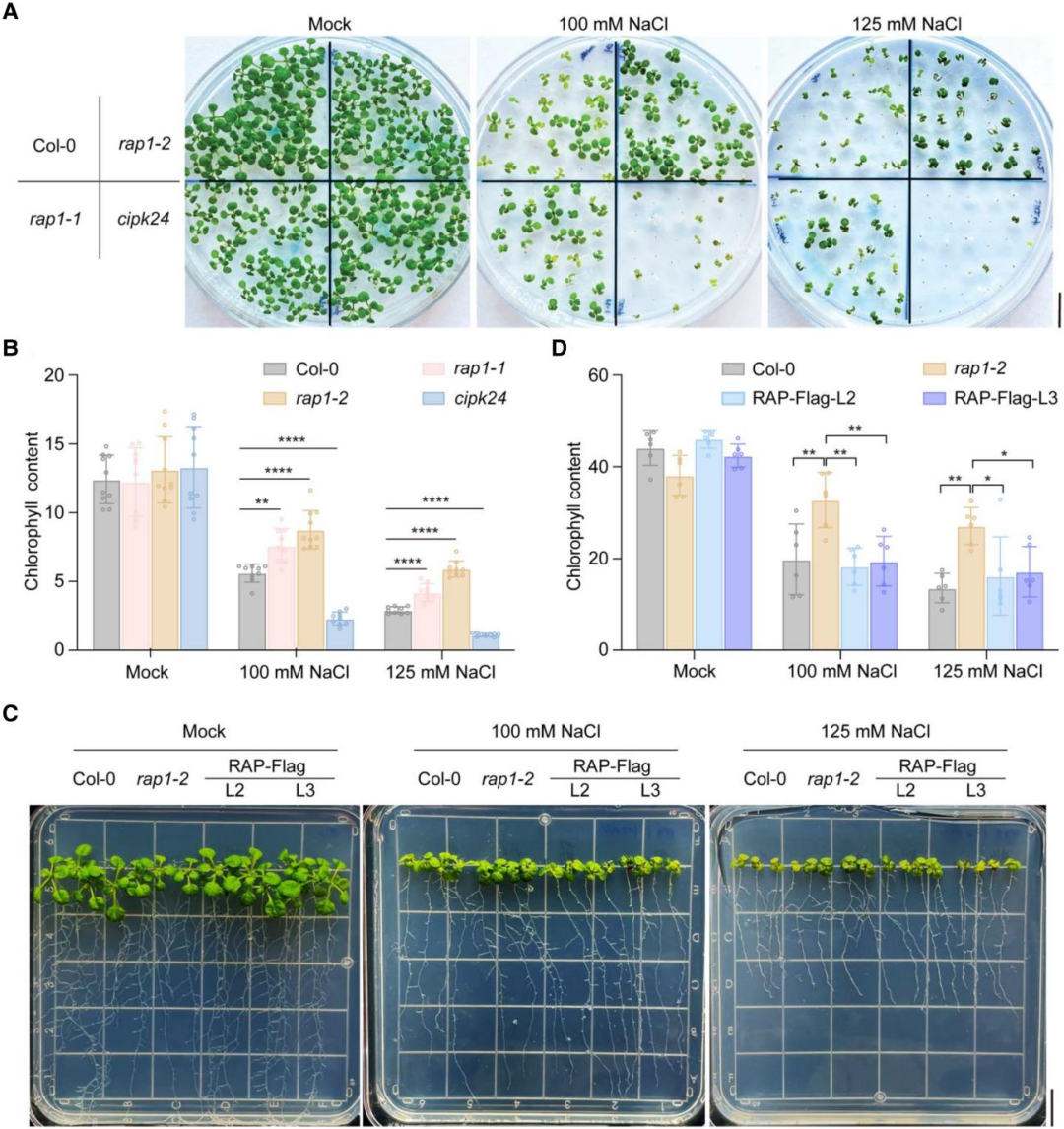
Figure 5. TORC negatively regulates the salt stress response
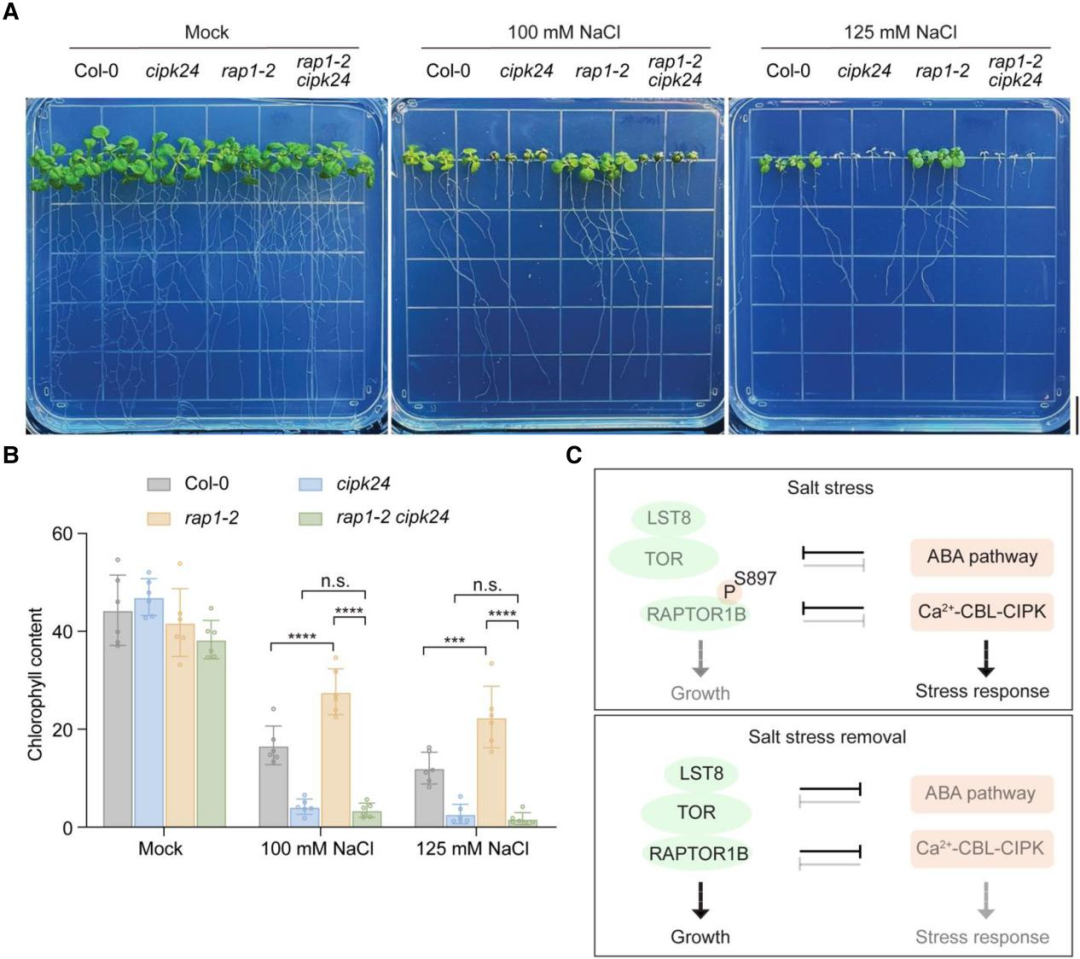
Figure 6. The salt tolerance phenotype exhibited by the raptor1b mutant disappears in the absence of CIPK24
Discussion
The research reveals the molecular mechanism of the mutual regulation between TORC and the CBL-CIPK signaling module in plants responding to salt stress through a series of experiments: under salt stress, the CBL4/CBL10-CIPK24 module is activated, and CIPK24 directly inhibits TORC activity by binding to RAPTOR1B and phosphorylating its Ser897 site, thereby prioritizing the activation of the salt stress response network to enhance plant salt tolerance. After the removal of salt stress, TORC activity recovers, and through RAPTOR1B competing with CBL10 for binding to CIPK24, it disrupts the formation of the CBL10-CIPK24 complex and inhibits its activity, while also negatively regulating the expression of salt-responsive genes, helping plants switch from adversity adaptation mode back to growth mode. Furthermore, the salt tolerance phenotype of the raptor1b mutant disappears after the loss of CIPK24, confirming that the negative regulation of TORC on the salt stress response depends on the CBL-CIPK module.

Original Link
https://doi.org/10.1093/plcell/koaf103
Edited by Guan Yvmeng
Proofread by Wang Ruoting