Industry Background
According to market research institutions, it is predicted that within the next five years, the demand for key components in the new energy vehicle market will grow at a rate of over 20% per year. With such enormous market demand, automotive suppliers need to closely monitor every production line and quickly upgrade them to enhance production efficiency and product quality.
A certain automotive parts manufacturing plant plans to deploy a visual inspection system on its automated bearing production line to perform real-time inspections of bearing surface scratches, dimensional accuracy, and clarity of text markings. This system requires continuous imaging of bearings on the production line using industrial cameras, with an industrial computer running visual inspection software to analyze images and determine product compliance. The inspection results will be directly fed back to the production line control system to automatically remove non-conforming products. This system needs to operate synchronously with the production line, placing high demands on the stability, processing speed, and interface compatibility of the industrial computer.
Customer Requirements
1. The system must be installed in the control cabinet next to the production line and should be able to withstand a workshop environment with some dust and temperatures ranging from -15℃ to 50℃.
2. It must support 24/7 continuous operation to ensure stable operation during year-round production, and various test reports must be provided.
3. The inspection process has basic requirements for equipment performance, needing to support multi-camera real-time image acquisition, as well as basic algorithm computations for dimensional measurement and character recognition, ensuring inspections are both fast and accurate; however, excessive performance is not necessary to avoid waste.
4. A rich set of I/O is required, with at least 2 Ethernet ports; multiple USB ports for connecting cameras, mouse, keyboard, and other peripherals; 2 video interfaces for connecting the inspection display and parameter setting display; and at least 2 serial ports for connecting the PLC devices of the production line control system.
5. Due to the need to process a large amount of image data, at least 8GB of memory is required, with 16GB being preferable.
6. Provide no less than 2 years of warranty service to reduce later maintenance costs.
Industrial Computer Solution
After receiving the requirements from the automotive parts manufacturing plant, Jiehe Technology’s product engineers and sales actively engaged with the needs, ultimately choosing to implement the industrial computer AF208, which is equipped with an Intel Processor N97, sufficient to meet the basic inspection needs of this project.
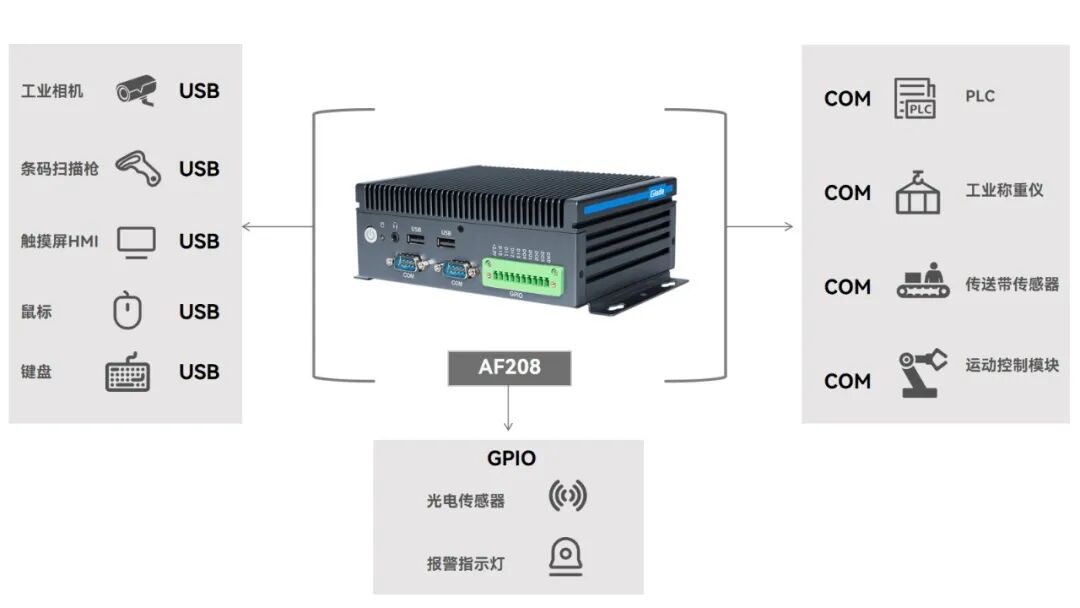
The interface configuration can handle device connections, balancing cost and performance needs. Additionally, the fanless design of the AF208 is better suited for dusty workshop environments, and its compact size saves space when installed in the control cabinet.
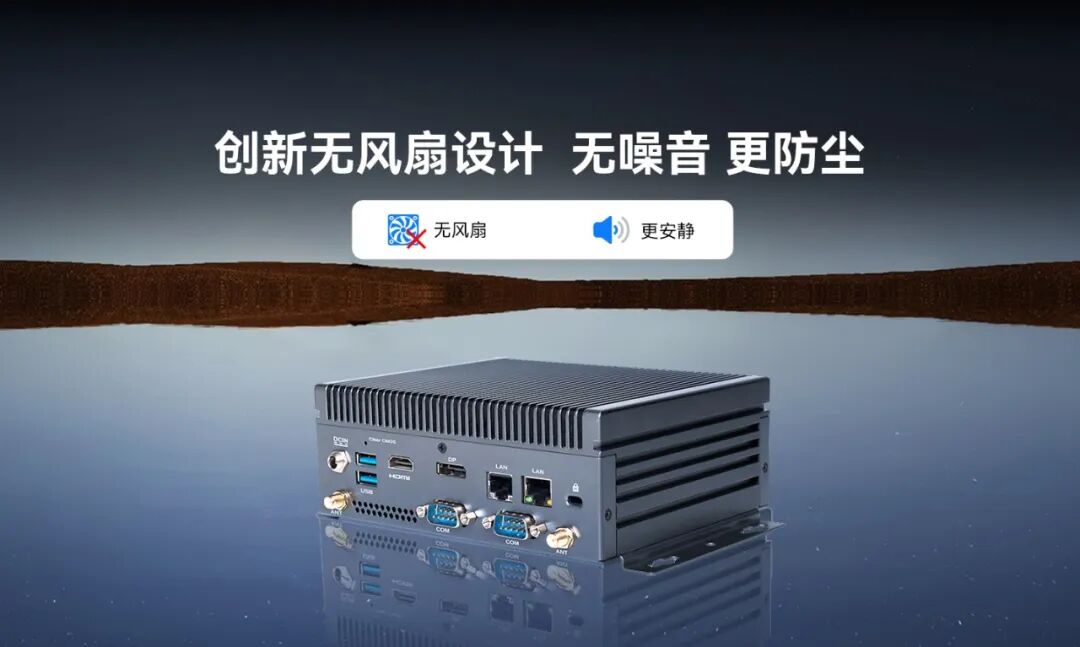
Regarding the reliability of the entire system, we brought the AF208 to Jiehe Technology’s reliability laboratory for a full set of tests, including climatic environment testing, thermal testing, electrostatic testing, and surge (lightning) testing, all of which passed.
Below, we will showcase the excellent performance of the AF208 in terms of reliability through several representative test projects.
Jiehe Laboratory Testing Section
01
Climatic Environment Testing
Temperature and humidity are critical factors affecting whether the AF208 can operate normally. Jiehe Technology’s testing personnel conducted seven tests in a constant temperature and humidity chamber, with the testing sequence as follows: low-temperature storage → low-temperature operation → high-temperature storage → high-temperature operation → alternating damp heat → high-temperature cycling → constant damp heat storage.
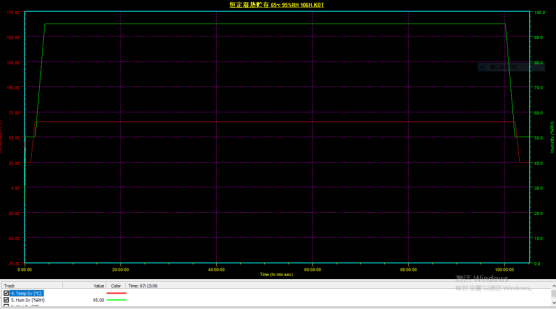
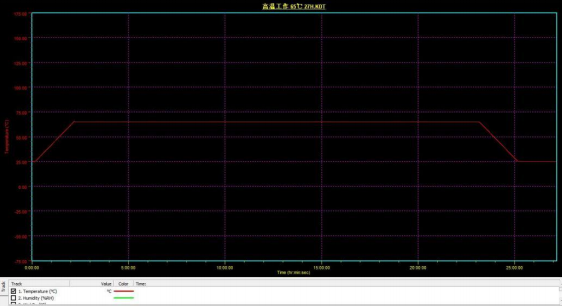
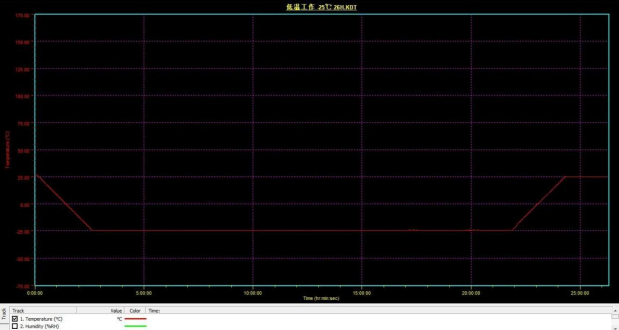
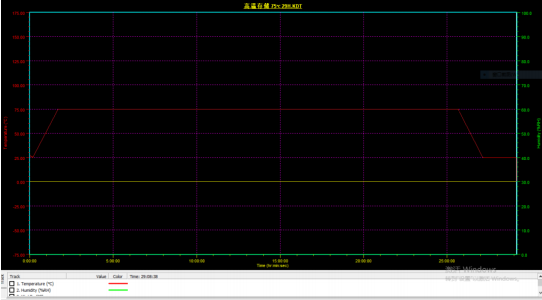
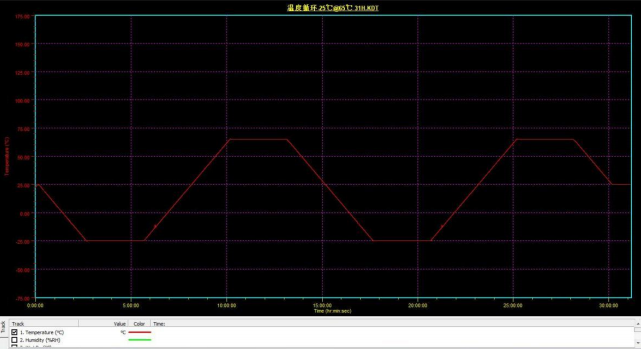
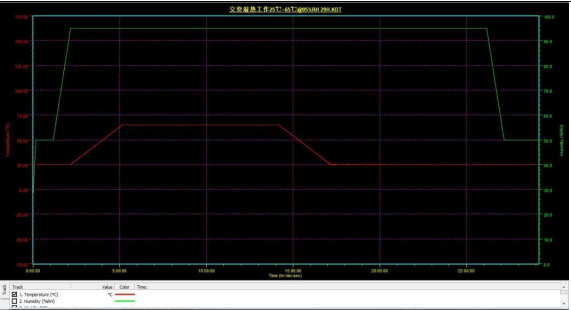
Measured data for temperature and humidity
Before and after the AF208 experiment, there were no abnormal deformations, no increase in noise, and under BIOS and OS, the hard disk and DIMM did not lose, with the slot numbers correct, and the indicators for power supply, hard disk, and network card displayed normally. The pressure software operated normally, with no performance anomalies, and all interface functions were normal.
02
Surge (Lightning) Testing
When the welding machine and high-power motors on the production line start, voltage fluctuations can cause devices to restart unexpectedly. Therefore, we used Jiehe Technology’s professional equipment, an automatic lightning surge generator, to test the AF208, mainly checking whether the network port and power line can operate normally under external voltage influences.
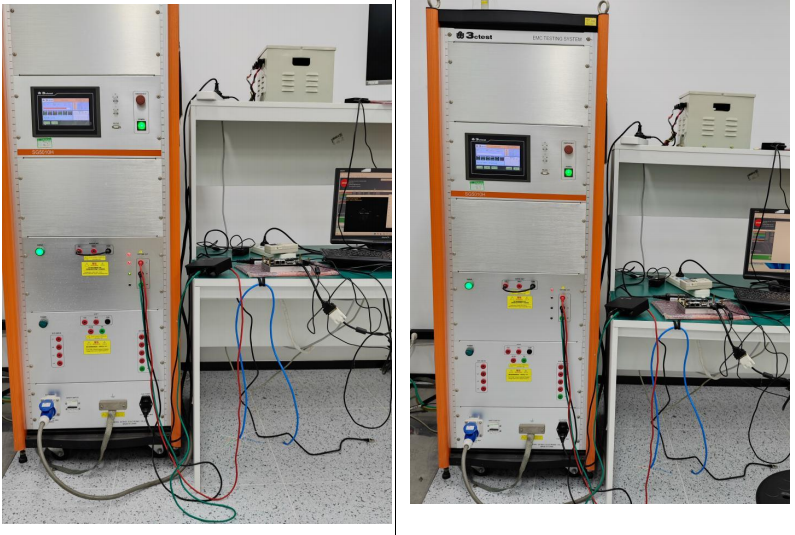
On-site testing
After the test, the AF208 operated normally, with no loss of functionality or data, and communication connections were normal, passing the test.
03
Safety Testing
Strictly following GB/T4943 and GB/T8898 standards. Under conditions of power off and equipment isolation, the dielectric strength test, insulation resistance test, and grounding resistance test showed no breakdown, arcing, or leakage phenomena, with test results meeting national standards, passing the test.
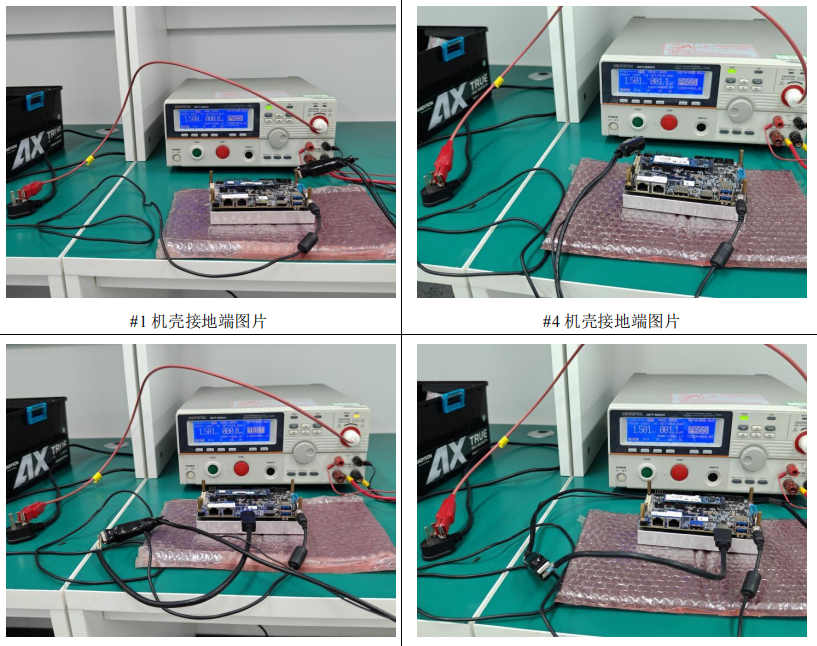
On-site testing
04
Durability Testing
Testing personnel manually used standard interfaces to plug and unplug the AF208 device, checking functionality every 200 times. Under the premise that each plug and unplug followed standard procedures, the AF208’s business functionality and mechanical checks showed no abnormalities.
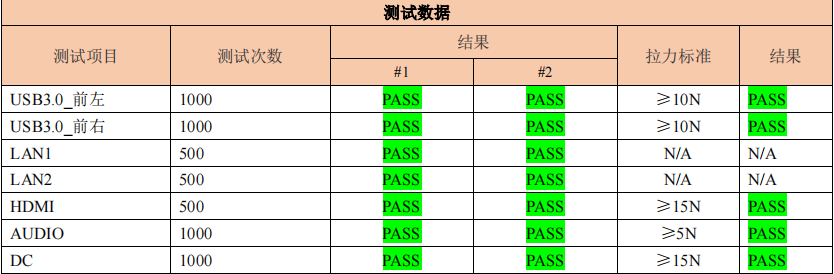
Measured data
From project implementation to application, the AF208 has consistently maintained high stability and reliability. Based on the rigorous laboratory test data, the AF208 has successfully been applied in the customer’s production line, effectively helping the customer improve the inspection efficiency and yield rate of the bearing production line.
Recommended Reading