


Introduction
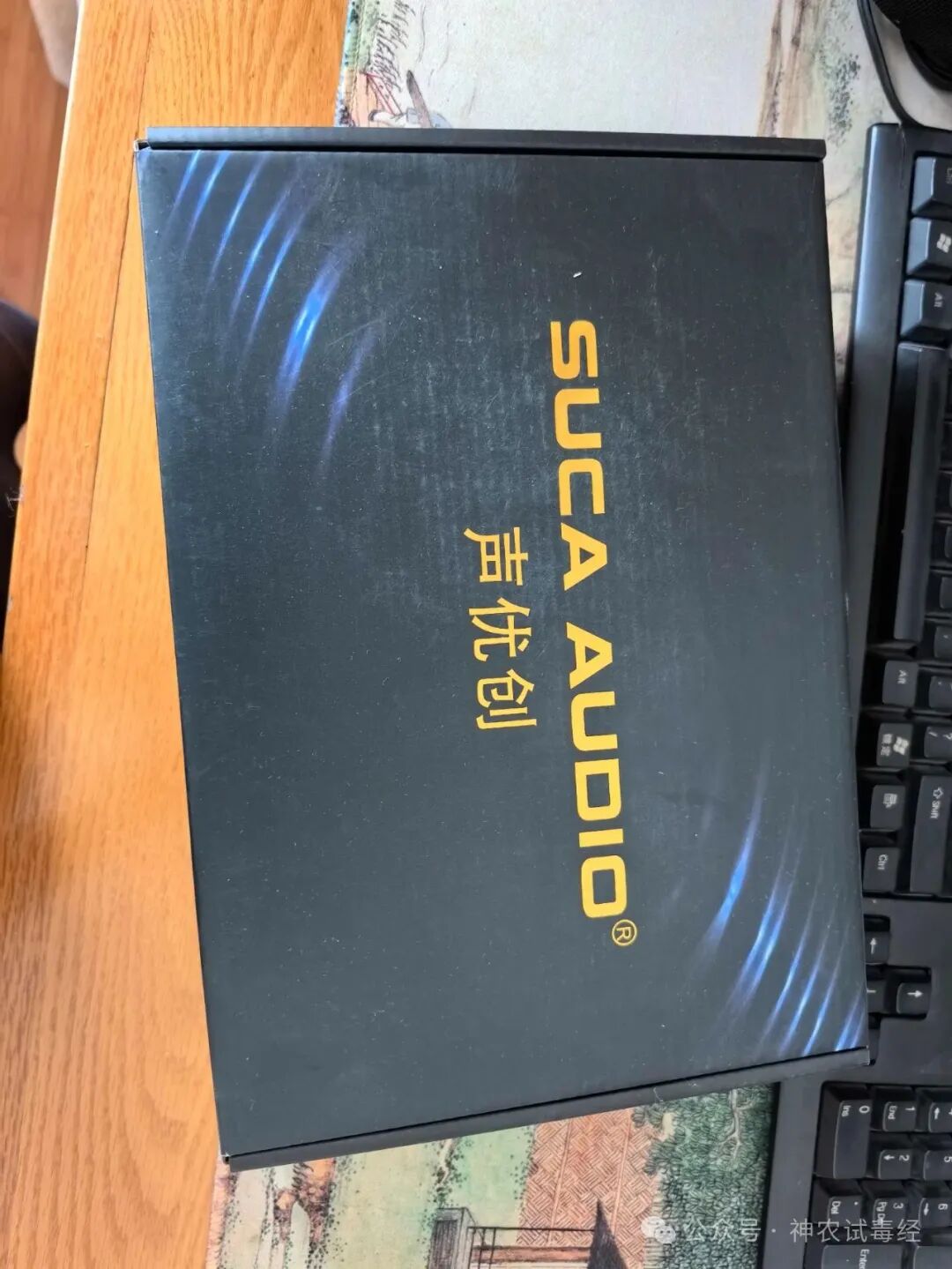
The Voice Creator DAC-T1 is a tube preamp and DAC integrated unit priced at 600 yuan. It is also the first tube amplifier I have used, making it a new experience worth writing about. The product itself is quite unique, utilizing a combination of tube design and the ESS 9018 decoding chip. In my opinion, it performs impressively as an entry-level HiFi device, showcasing remarkable competitiveness.
1. Design and Build Quality
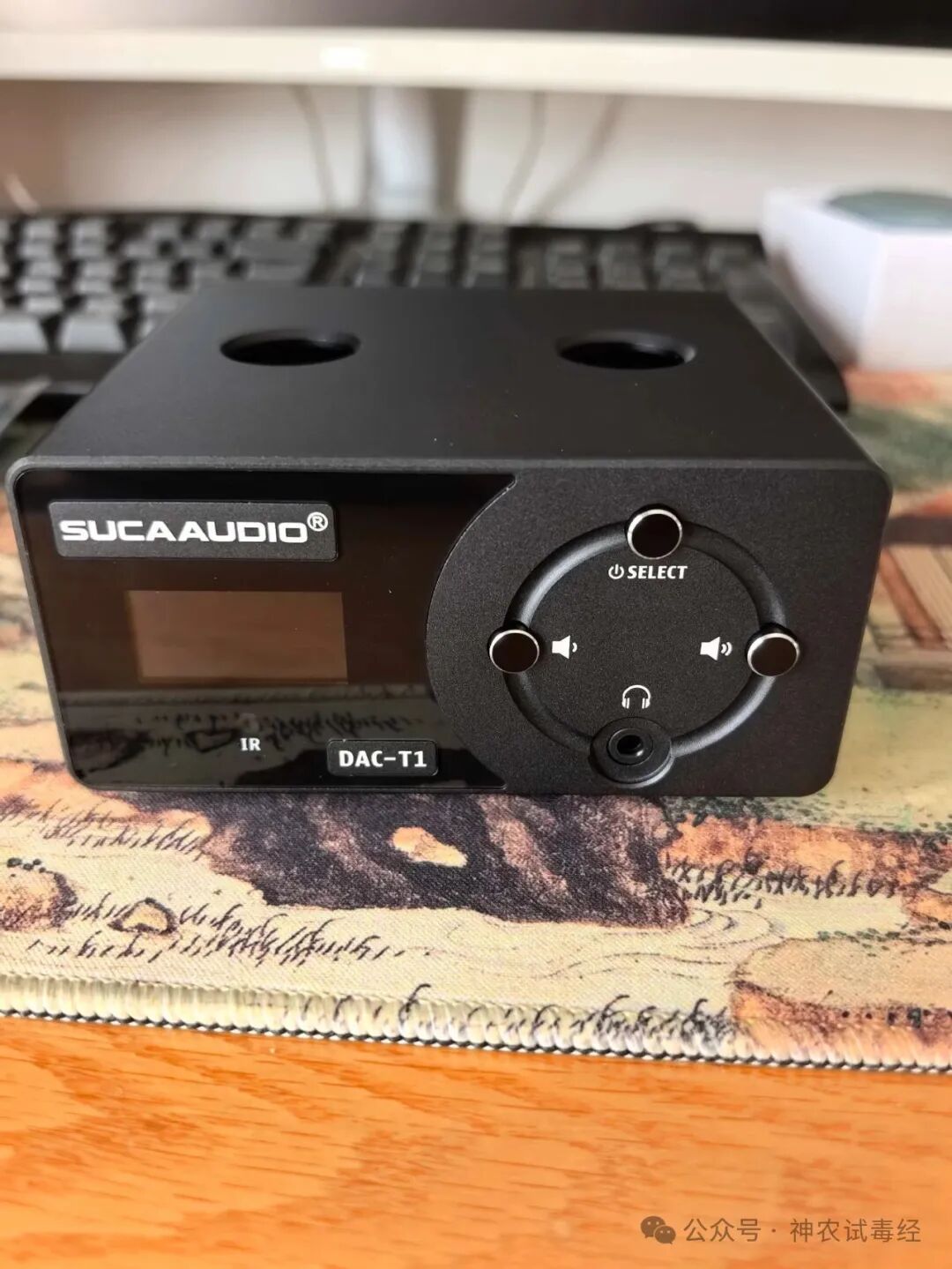
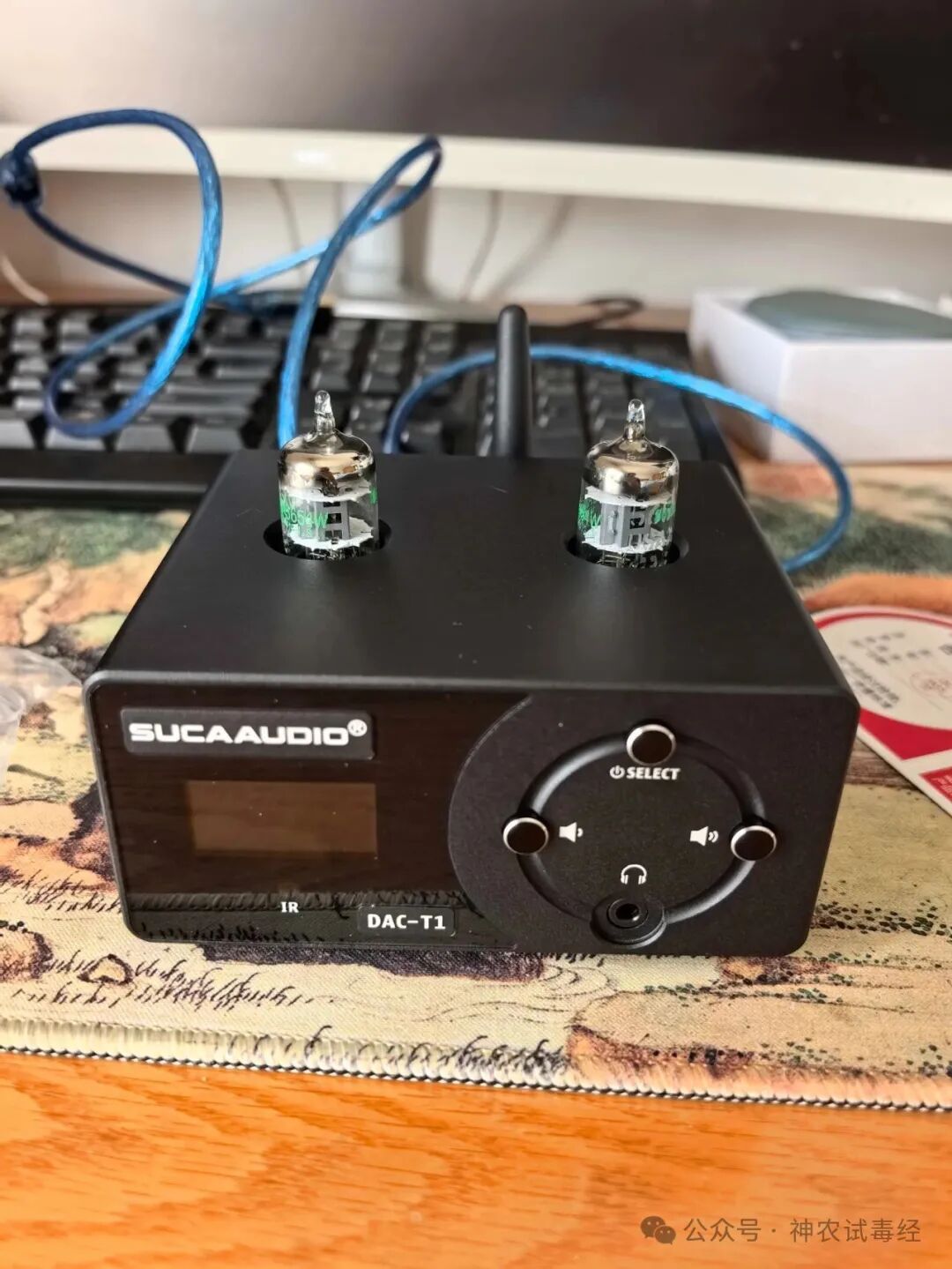
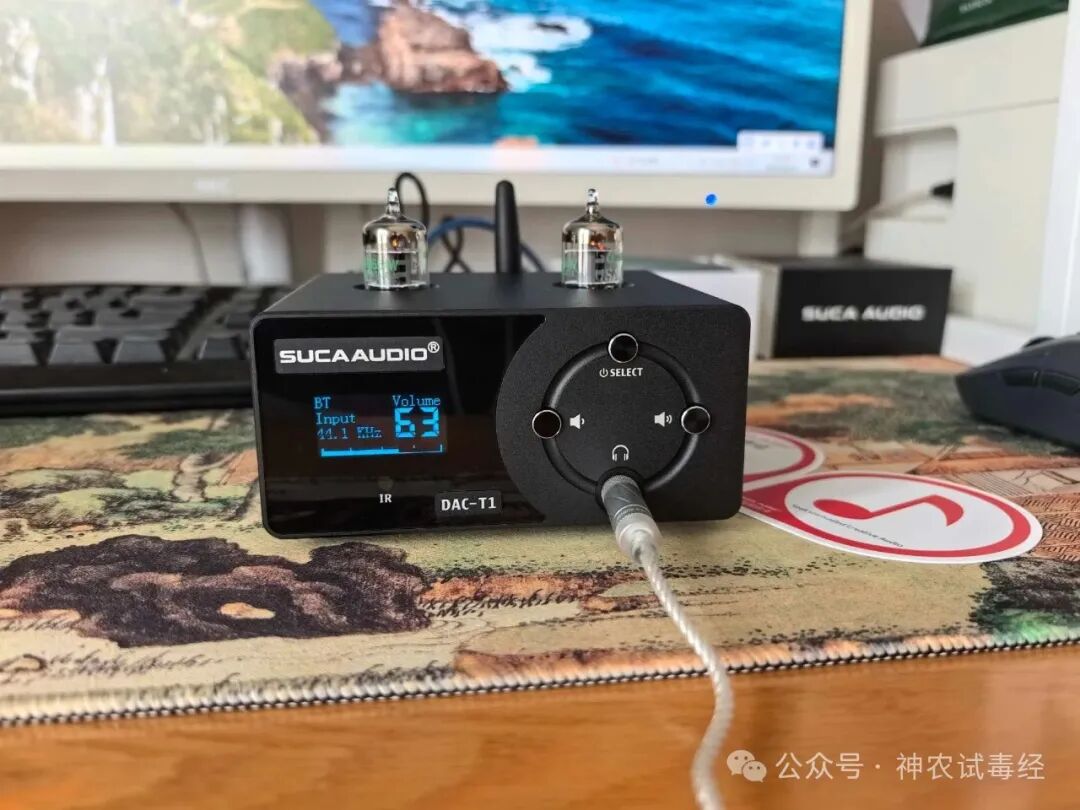
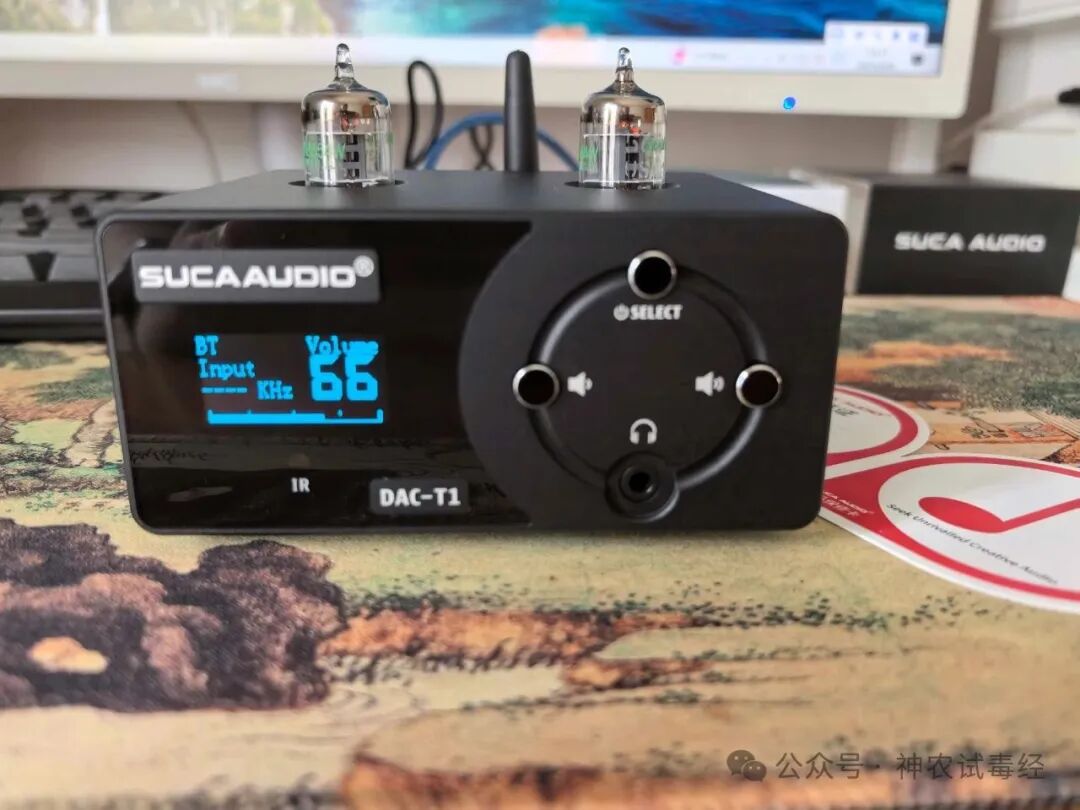
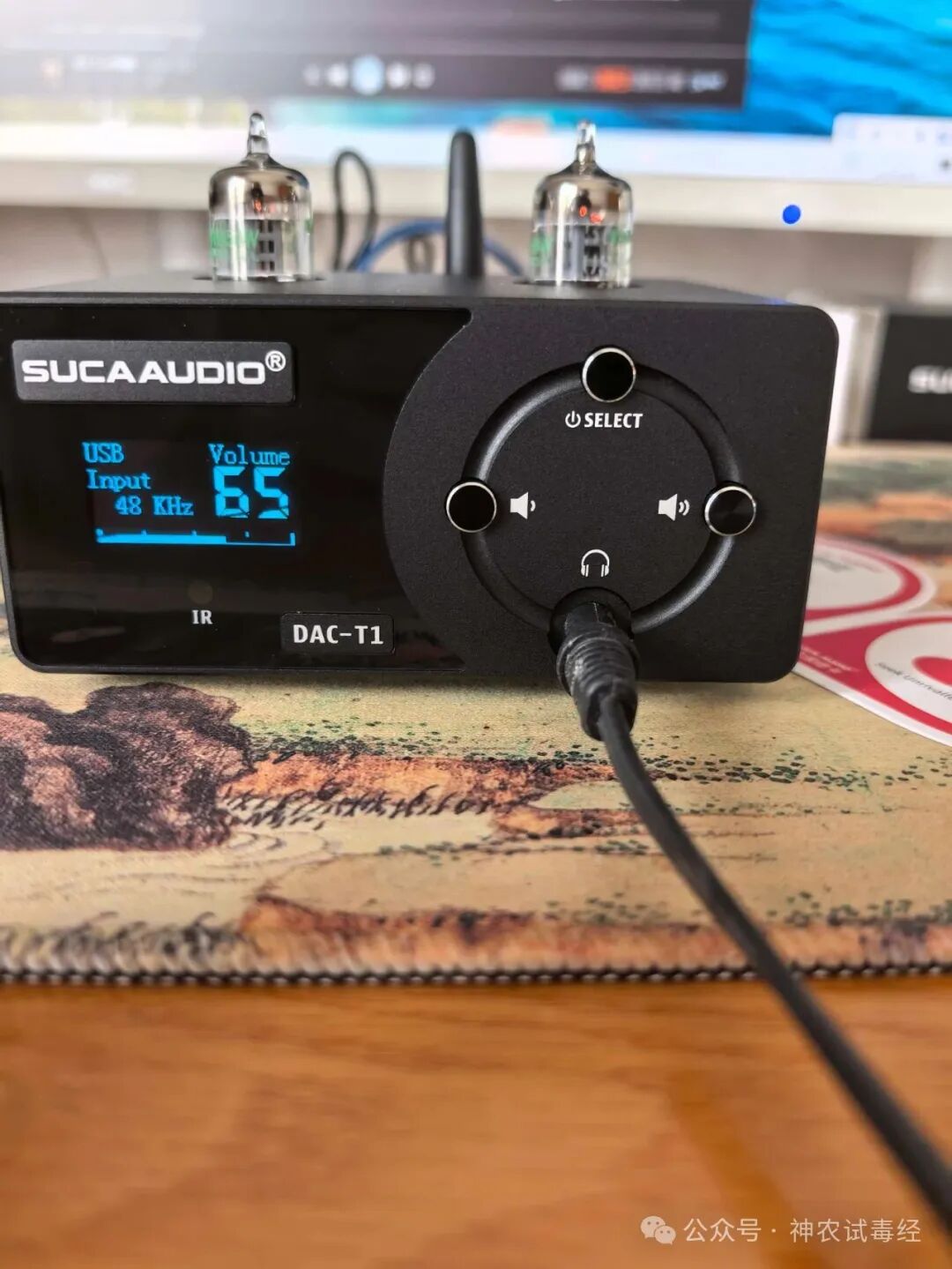
The DAC-T1 features a minimalist modern design, with overall dimensions approximately the width of two mice, making it compact and suitable for desktop placement. This is no longer a small or large tail; it requires an external power supply, so it must be used as a desktop unit at home.The body is primarily made of metal, with a finely processed surface that feels good, demonstrating a decent level of craftsmanship. The front is equipped with an OLED dot matrix display that clearly shows volume levels, input sources, and other basic information, making operation intuitive and convenient.
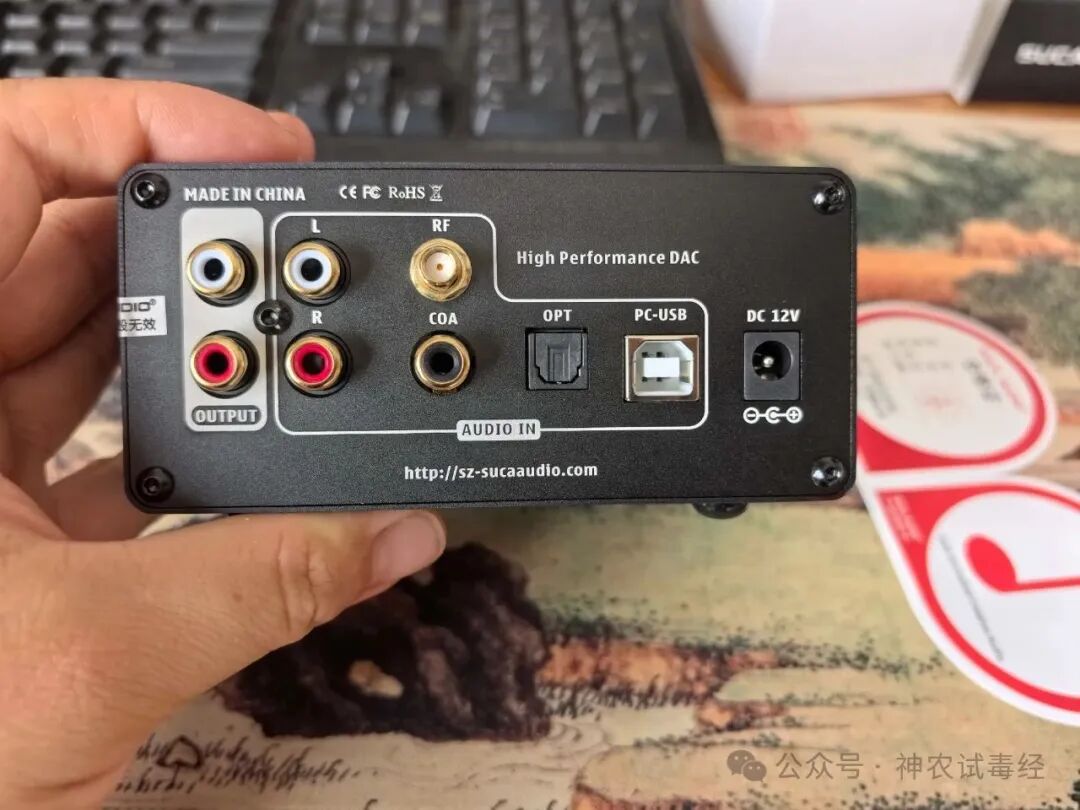
The rear of the unit offers a rich array of interface configurations: including Bluetooth reception, optical input, coaxial input, RCA output, and USB interface, facilitating various connection scenarios. The ability to connect via Bluetooth is quite innovative, in my opinion. Unfortunately, the DAC-T1 does not come with a Type-C interface, which affects direct connection to mobile phones; if using a phone, Bluetooth is the better option. The product is equipped with a 12V switching power supply, as mentioned earlier, it needs to be plugged in for desktop use.
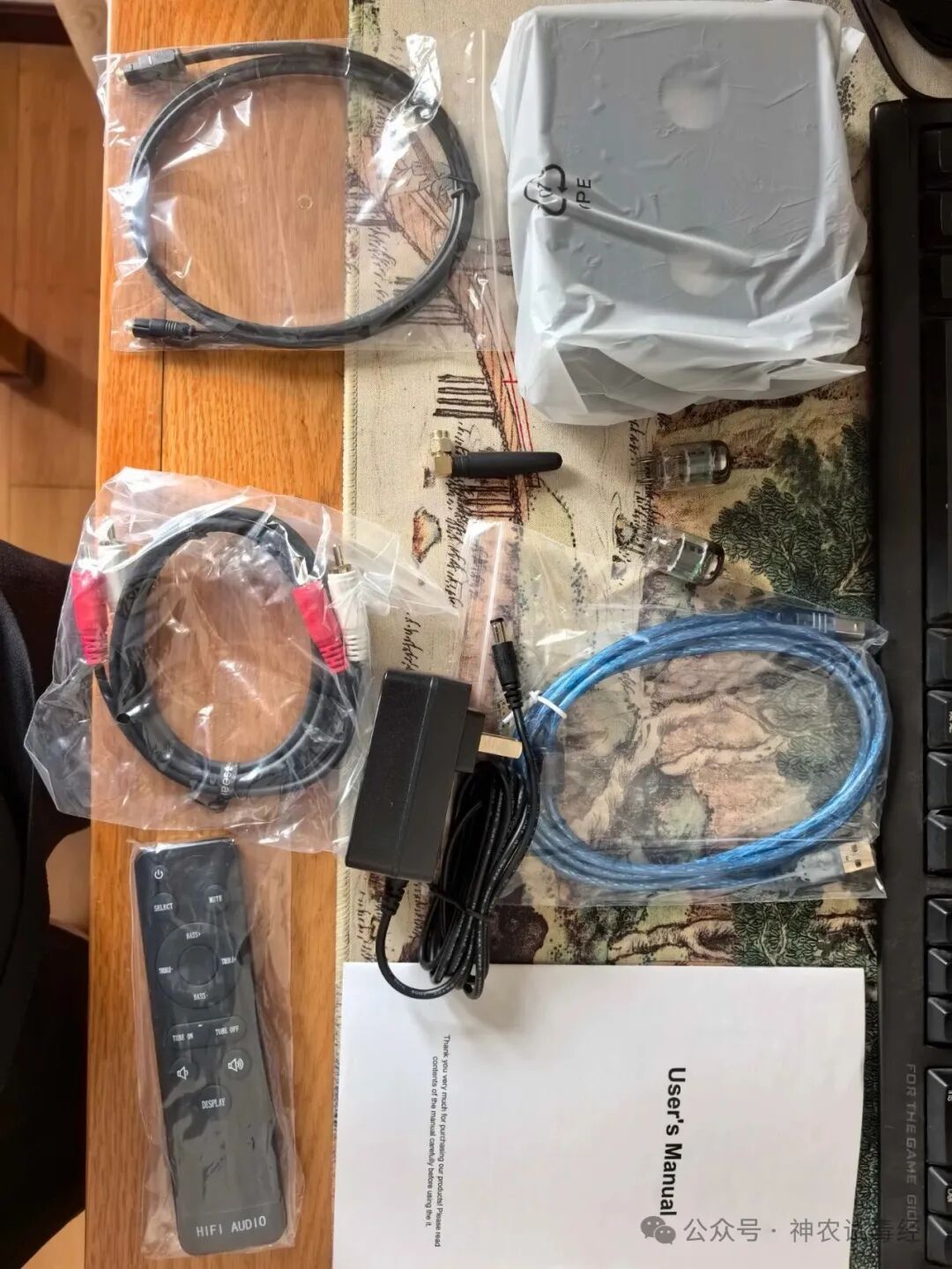
It comes with a remote control that supports basic functions such as volume adjustment, source switching, and power on/off. Currently, there is no app control, which I don’t find very important.
2. Hardware Specifications and Technical Parameters
The DAC-T1 shows a certain level of sincerity in its hardware configuration:
– Decoding section: Equipped with the ESS ES9018 decoding chip. This chip needs no introduction; those who know will understand, and those who don’t, my explanation won’t do it justice.
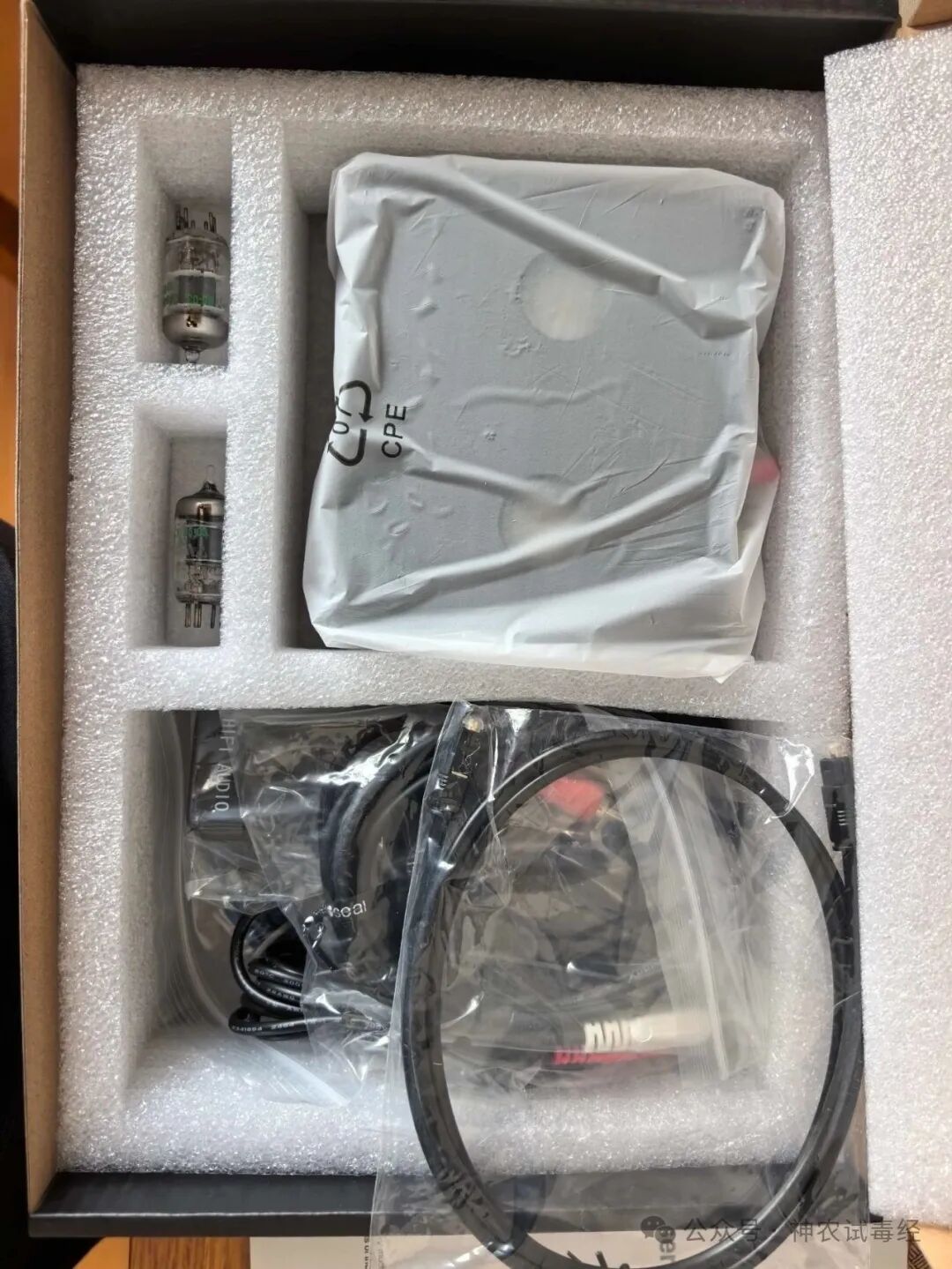
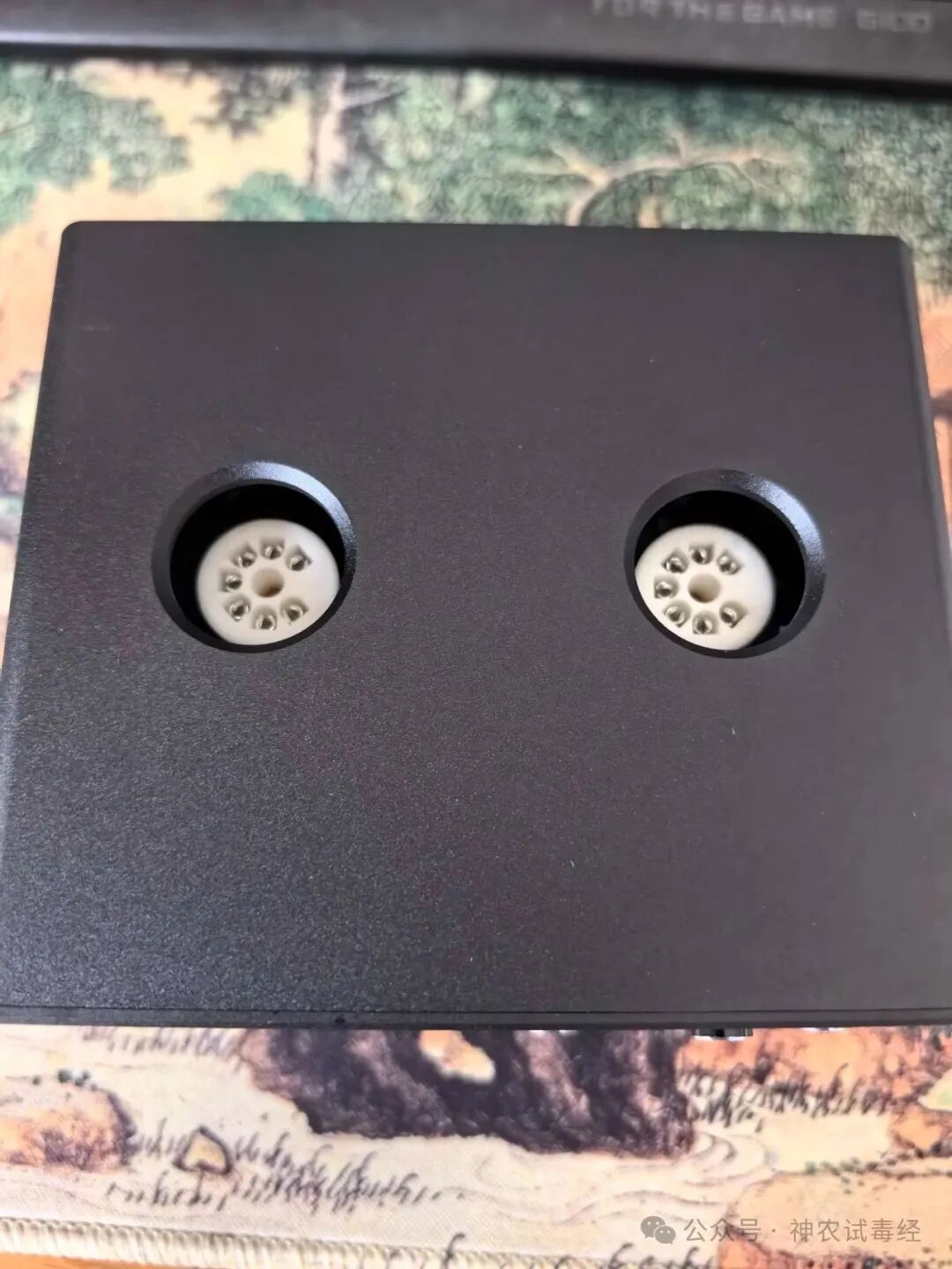
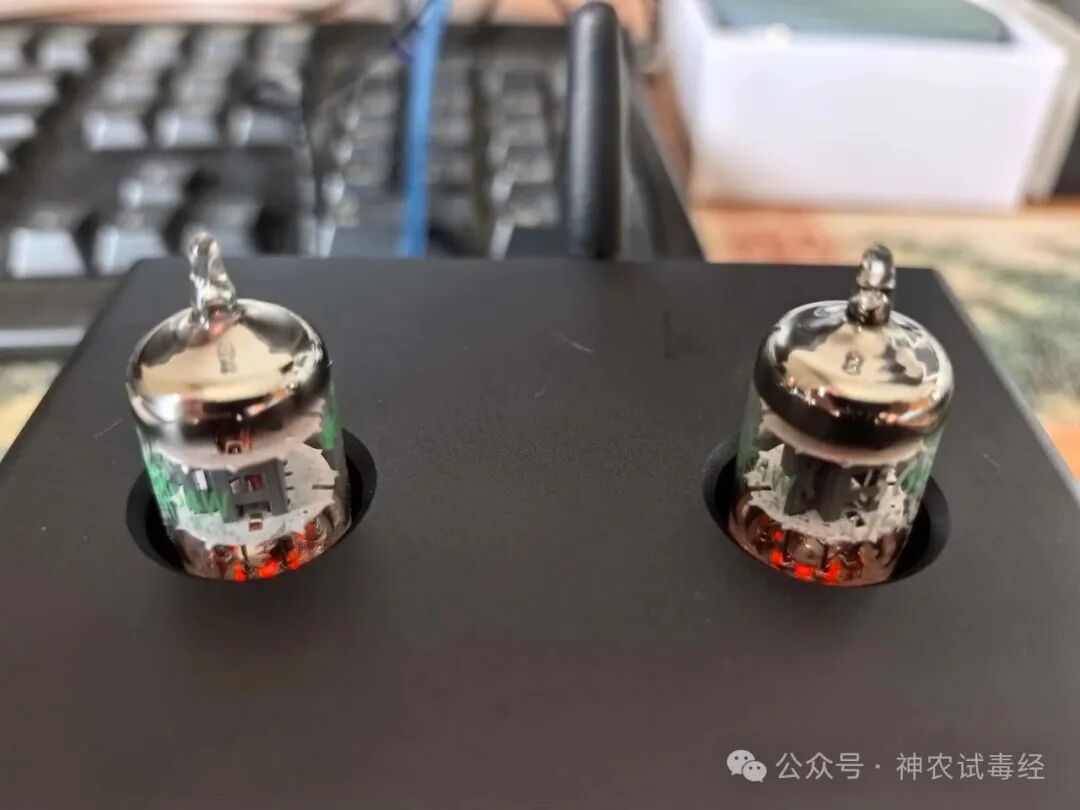
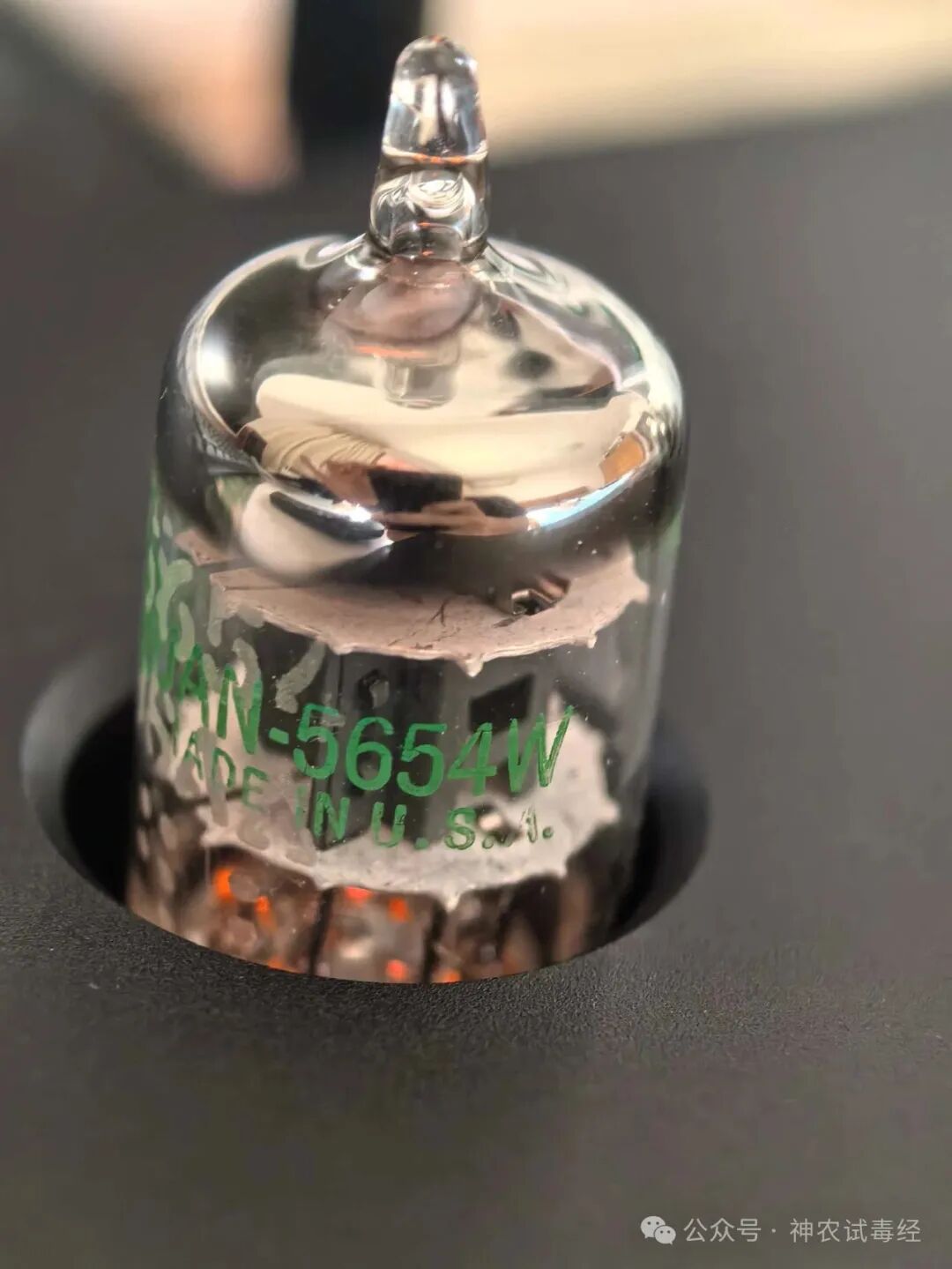
– Preamp section: Features two GE 5654W vacuum tubes, which is the key differentiator of the DAC-T1 from ordinary DAC amplifiers. The inclusion of vacuum tubes adds an analog flavor and warmth to the sound.
– USB driver: The SA 912L USB driver chip ensures stable connection with computers, supporting USB audio direct connection.
– Bluetooth module: Qualcomm QC 3031 Bluetooth chip, supporting Bluetooth 5.0 protocol, aptX, aptX-LL, and aptX-HD, with stable connections and moderate transmission distance.
3. Sound Quality Performance and Listening Analysis
The sound quality of the DAC-T1 is its biggest highlight, especially the “analog flavor” brought by the tube preamp:
1. Tonal Characteristics and Style Adaptability
The sound tuning of the DAC-T1 leans towards a pop vocal style, with an overall warm and pleasant tone, moderate midrange density, and a rich and full vocal performance. The addition of the tube preamp gives the sound a unique “tube flavor,” reducing the common coldness of digital devices and enhancing the natural flow and emotional expression of the music.
Regarding adaptability to different music styles:
– Pop music: Vocals are clear and warm, with distinct accompaniment layers, providing a comfortable and natural listening experience.
– Vocals: Especially for works by Chinese and Western pop singers, the DAC-T1 can showcase good vocal density and emotional expression, with noise levels kept within a reasonable range.
– Classical music: String performance is warm and detailed, with good performance in small ensembles, but the dynamic range and resolution in large dynamic scenes are somewhat lacking.
– Jazz music: Good instrument separation, warm and delicate vocals, but high-frequency extension is average.
2. Driving Performance and Device Compatibility
The driving performance of the DAC-T1 is surprisingly good, especially for high-impedance headphones. The official data states 500mW and 550mW, although it does not specify the load, it should be the output power at 32 ohms. Actual measurements show that the DAC-T1 has a strong driving capability, significantly surpassing all small and large tail outputs I have on hand, and even exceeds the driving power of my desktop Lezhibang 06plus, which I remember is over 300mW. The DAC-T1 can easily drive 300Ω high-impedance headphones, such as the HD600, demonstrating sufficient power and control. For low-impedance headphones, while the driving power is adequate, there is some background noise, so it is recommended to use an impedance adapter to reduce noise.
In speaker mode, the DAC-T1 also performs excellently. I have a Fenda R28BT at home, and when used together, the soundstage is noticeably widened, the bass becomes thicker, and the vocals are more lush, showcasing a significant improvement in sound quality.
4. Functional Experience and Ease of Use
1. Connection Stability
In terms of Bluetooth connectivity, the DAC-T1 supports Bluetooth 5.0 protocol, with stable connections and moderate transmission distance, generally meeting daily usage needs. In terms of anti-interference capability, it performs moderately, but is sufficient for typical home environments. For wired connections, the DAC-T1 supports various input methods, including optical, coaxial, USB, and RCA, with good compatibility. When connecting to a computer via USB, no driver installation is required, and it is compatible with mainstream operating systems like Windows 10, meaning it is plug-and-play. For macOS/Linux users, I am not sure; I suggest trying it out yourself. Optical and coaxial inputs also perform stably, suitable for connecting to TVs, game consoles, and other devices.
2. Ease of Operation
The operational experience of the DAC-T1 is quite intuitive, overall smooth, with physical buttons and remote control working together to meet basic needs. The remote control supports volume adjustment, source switching, and power on/off functions.
The OLED display clearly shows volume levels, input sources, and sample rates, and I think displaying this information is sufficient.
5. Cost-Effectiveness and Recommended Use Cases
1. Cost-Effectiveness Analysis
The DAC-T1 offers a comprehensive feature set at the 600 yuan price point, especially the combination of tube preamp and ESS 9018, which is rare among products in this price range. According to user feedback, most consumers find its cost-effectiveness competitive at this price, especially for users seeking warm tones and vocal performance.
2. Recommended Use Cases
The DAC-T1 is most suitable for the following scenarios:
– Desktop HiFi systems: Compact size, space-saving, suitable for connecting to computers, phones, and other devices.
– High-impedance headphone users: Can easily drive high-impedance headphones around 300Ω, such as the HD600.
– Active speaker users: Significant sound quality improvement when used with active speakers.
– Vocal and pop music enthusiasts: Warm tone and outstanding vocal performance, suitable for listening to vocal works.
6. Summary of Pros and Cons
Pros:
– The tube preamp design brings a warm tone, rich analog flavor, and outstanding vocal performance.
– Supports multiple input methods, with good compatibility for connecting different devices.
– Excellent driving capability for high-impedance headphones, easily handling headphones around 300Ω.
– Compact size, suitable for desktop placement, space-saving.
– Reasonably priced, with a comprehensive configuration compared to products in the same price range, competes well against rivals.
Cons:
– Lack of Type-C interface, which is not conducive for direct connection to mobile phones.
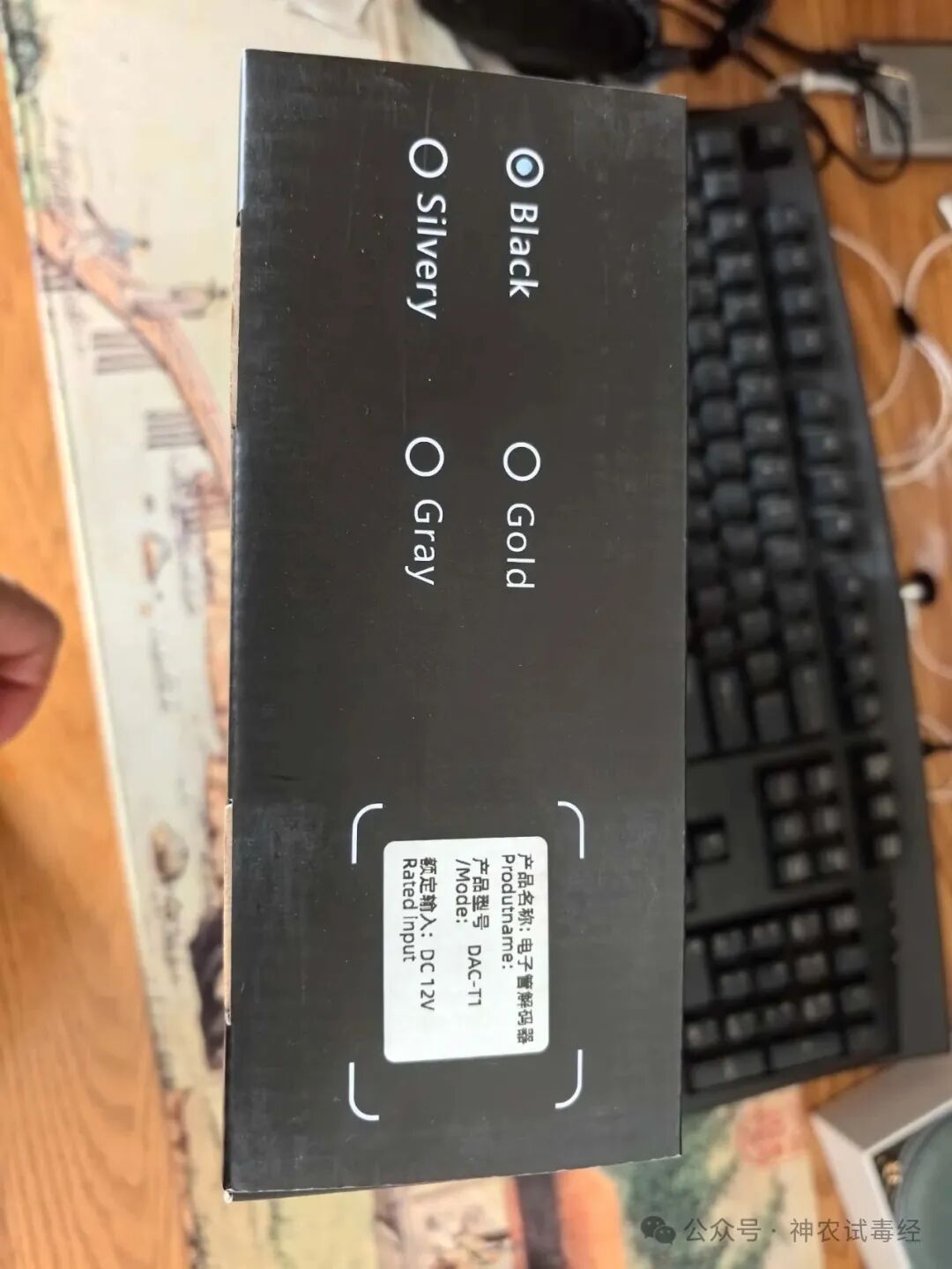
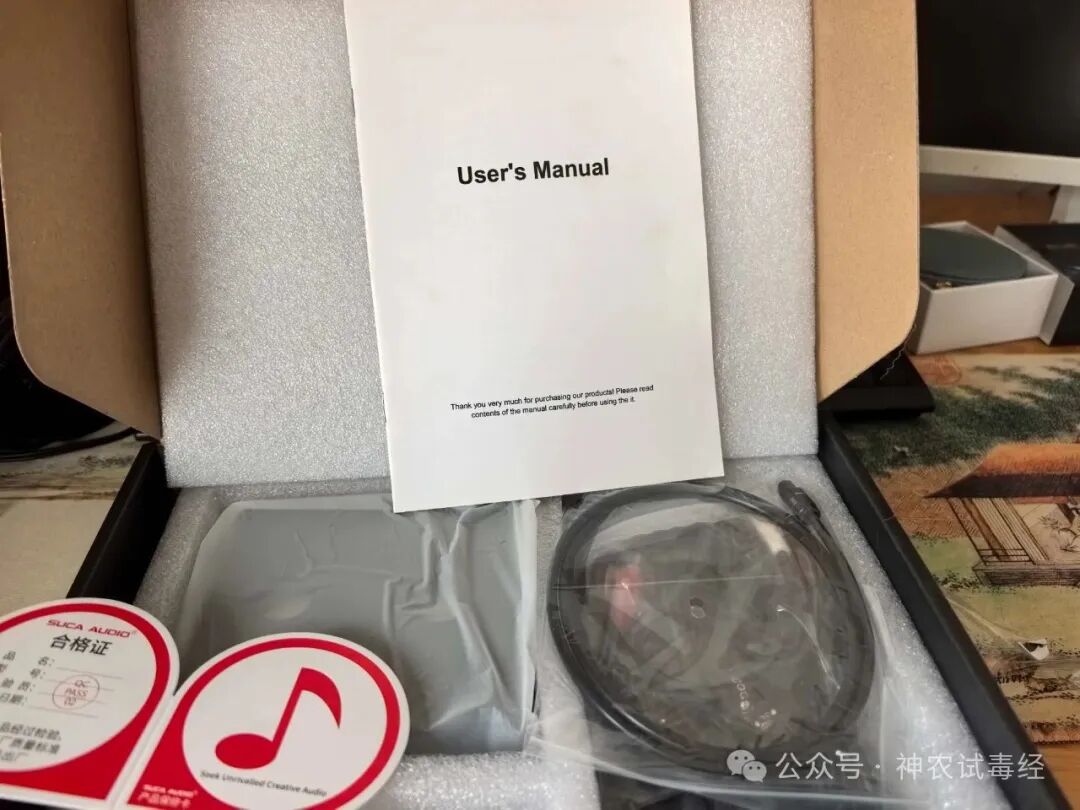
– The external packaging lacks parameter descriptions, and the manual does not specify the exact chip models.
– Requires a long press to power on/off; it is recommended to add a separate power switch.
– No batteries included in the box, making the remote control unusable immediately after unpacking.
– The entire unit, especially the tubes, gets quite hot after powering on; it is recommended to add a cover for the tubes to prevent accidental contact by children.
7. Conclusion
The Voice Creator DAC-T1 is a clearly positioned, distinctive entry-level HiFi device. It brings a warm, rich analog flavor through its tube preamp design, combined with the ESS 9018 decoding chip, providing quite good sound quality at the 600 yuan price point. For users seeking vocal performance and warm tones, the DAC-T1 is a very worthwhile option.
However, the DAC-T1 also has some obvious shortcomings, as detailed earlier. I personally feel that these minor flaws do not detract significantly from its value, and it would be best if the manufacturer could make improvements. Of course, these shortcomings may be unacceptable to some users and could be key factors in their purchasing decisions.
Overall, the DAC-T1 offers high cost-effectiveness in the market for tube preamp DAC amplifiers at the 600 yuan price point, especially for entry-level tube amplifier enthusiasts and desktop HiFi users. While it cannot be compared to devices costing thousands of yuan, as an entry-level product, the DAC-T1 can meet the daily listening needs of most users and provide a HiFi experience superior to various tail-end devices. For me, the overall sound quality is not inferior to the Lezhibang 06plus, which I bought for 999 yuan back in the day. Considering its multiple connection modes and Bluetooth capability, I personally believe the DAC-T1 offers better cost-effectiveness than the 06plus and is more recommended.