
——2022年第24期 ——
本期文献
Inhibiting BDNF/TrkB.T1 receptor improves resiniferatoxin-induced postherpetic neuralgia through decreasing ASIC3 signaling in dorsal root ganglia
Journal: Journal of Neuroinflammation
Authors: Xiang Wei, et al.
Year/Issue/Volume:2021 Apr 19;18(1):96
Click to viewLiterature interpretationReporter:Zhejiang University First Affiliated Hospital Pain Department, Shi Qinglu
Research
Background

Postherpetic neuralgia (PHN) is a devastating complication following varicella-zoster virus infection. It has been shown that brain-derived neurotrophic factor (BDNF) is involved in the pathogenesis of PHN.
T1 is an isoform of the Tropomyosin receptor kinase B (TrkB) receptor, which is a high-affinity receptor for BDNF. It is upregulated in various neural injuries and is associated with pain. Acid-sensing ion channel protein 3 (ASIC3) is involved in chronic neuropathic pain, but its relationship with peripheral nervous system BDNF/TrkB.T1 remains unclear.
This study aims to investigate whether BDNF/TrkB.T1 participates in the occurrence of PHN by regulating ASIC3 signaling in dorsal root ganglia (DRGs).
Methods
Establishment of PHN Rat Model
Rats in the RTX group were anesthetized with isoflurane inhalation (2% isoflurane in a mixture of oxygen and air) followed by intraperitoneal injection of RTX (200μg/k). RTX was dissolved in physiological saline containing 10% Tween 80 and 10% ethanol.
RTX
Resiniferatoxin (RTX) is a super potent analog of capsaicin. Intraperitoneal injection of RTX reduced the thermal sensitivity of rats and increased their sensitivity to tactile stimulation.
Results
Inhibition of BDNF/TrkB.T1 alleviates RTX-induced postherpetic neuralgia by decreasing ASIC3 signaling in dorsal root ganglia.
Experimental Summary
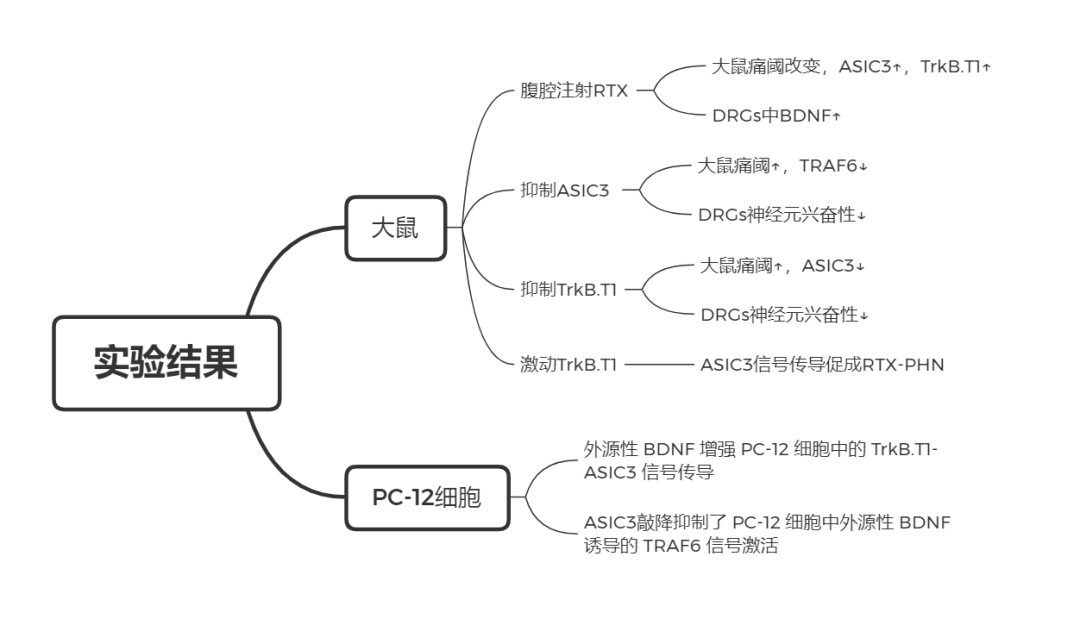
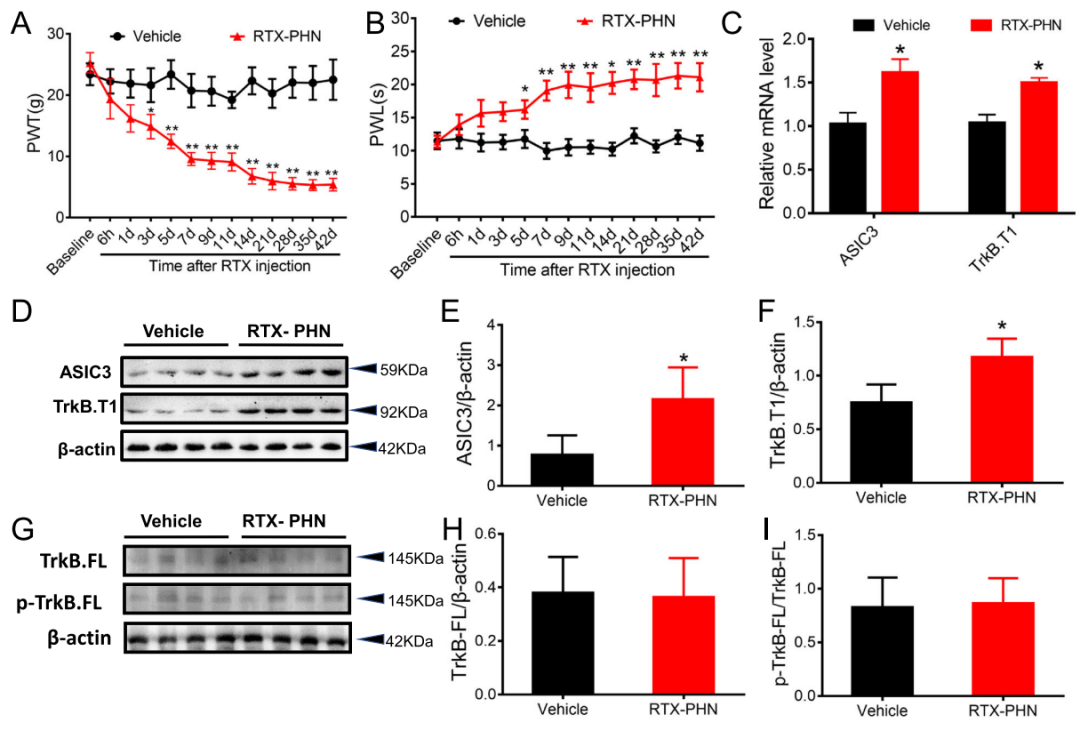
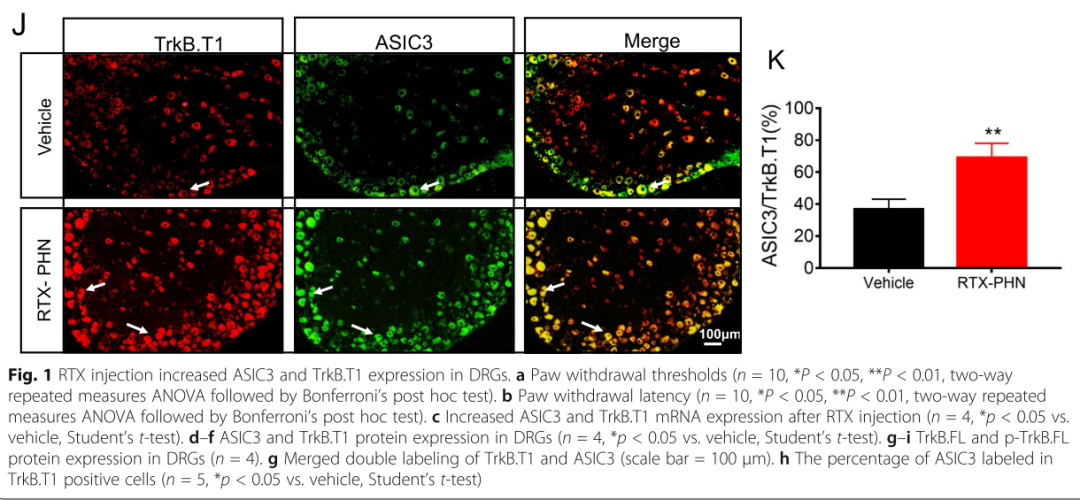
1. RTX promotes the expression of ASIC3 and TrkB.T1 in DRGs.
2. Inhibition of ASIC3 alleviates mechanical pain and reduces TRAF6 signaling.
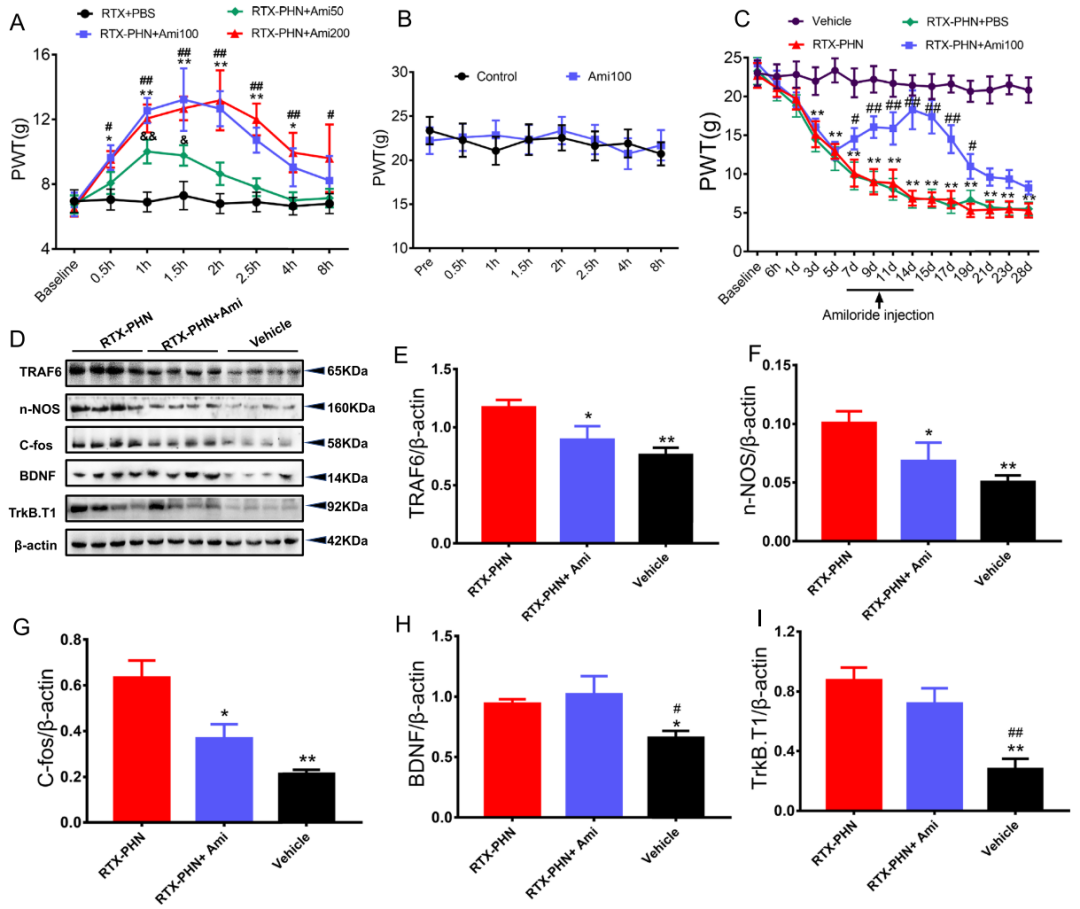
3. Inhibition of ASIC3 reduces the hyperexcitability of DRG neurons.
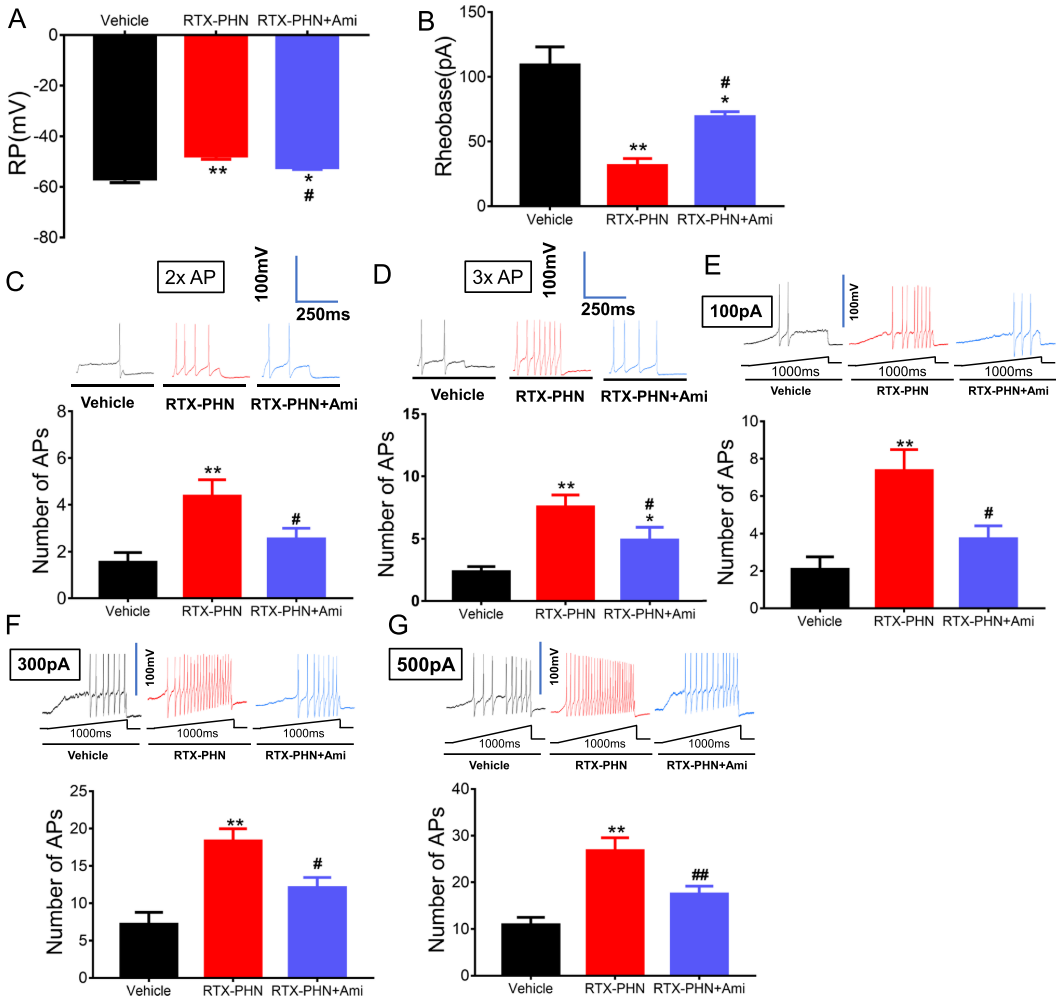
4. Inhibition of TrkB.T1 alleviates mechanical pain and reduces ASIC3 signaling.
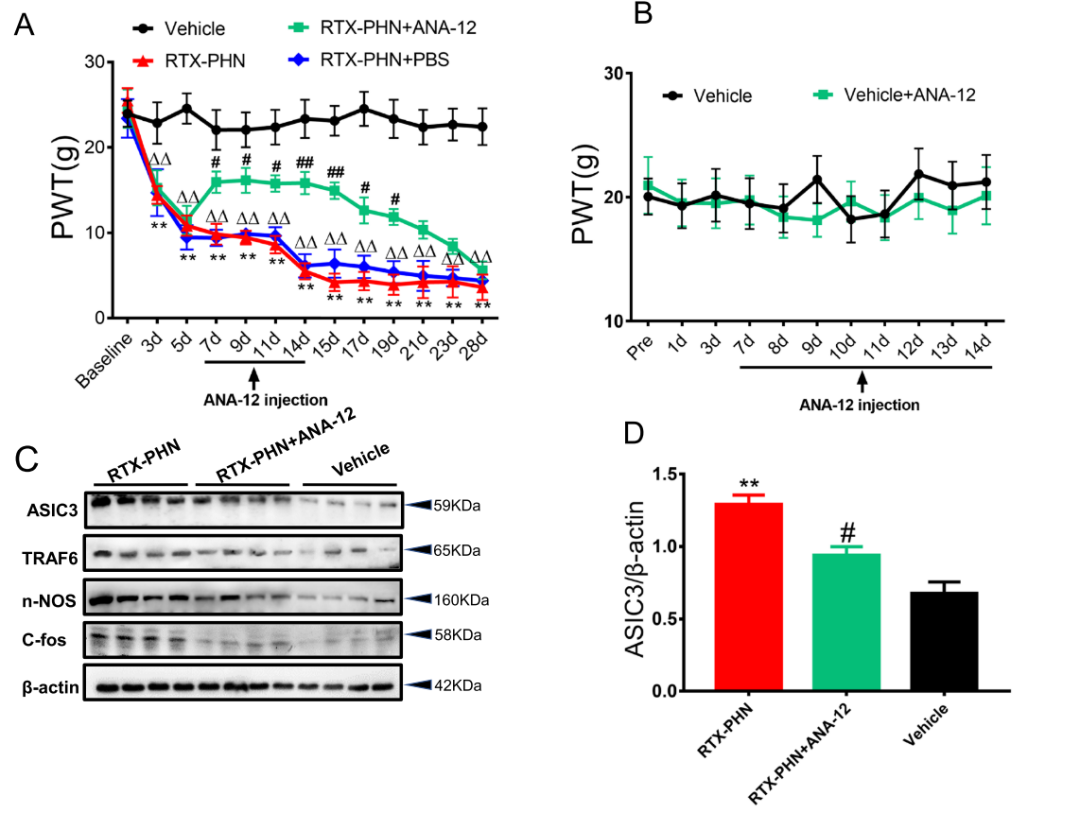
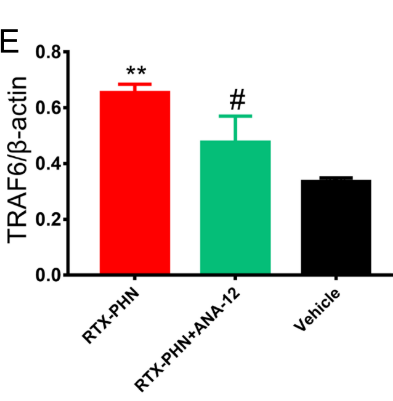
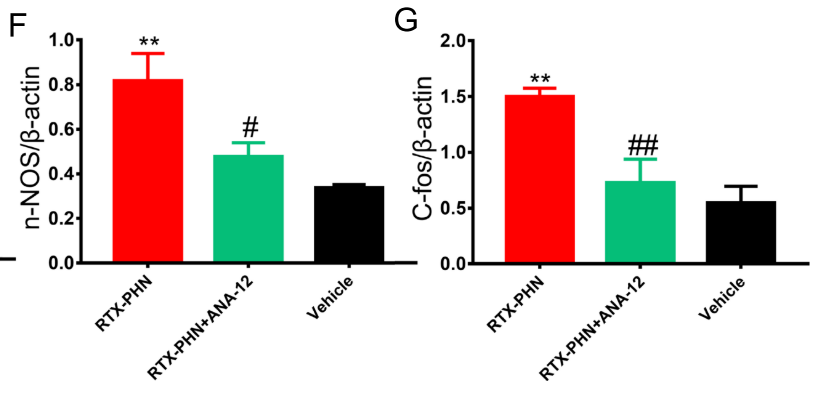
5. Inhibition of TrkB.T1 increases the hyperexcitability of DRG neurons.
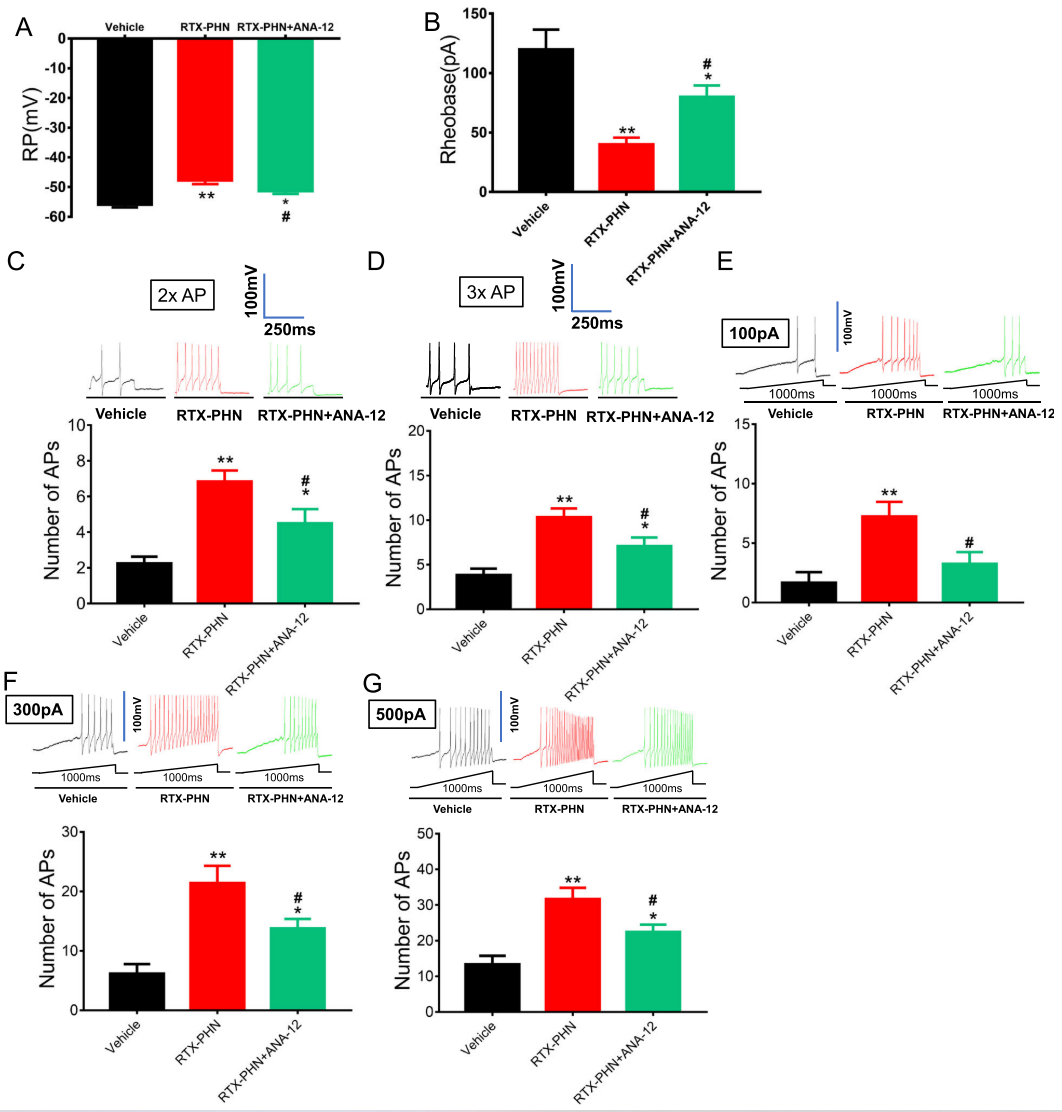
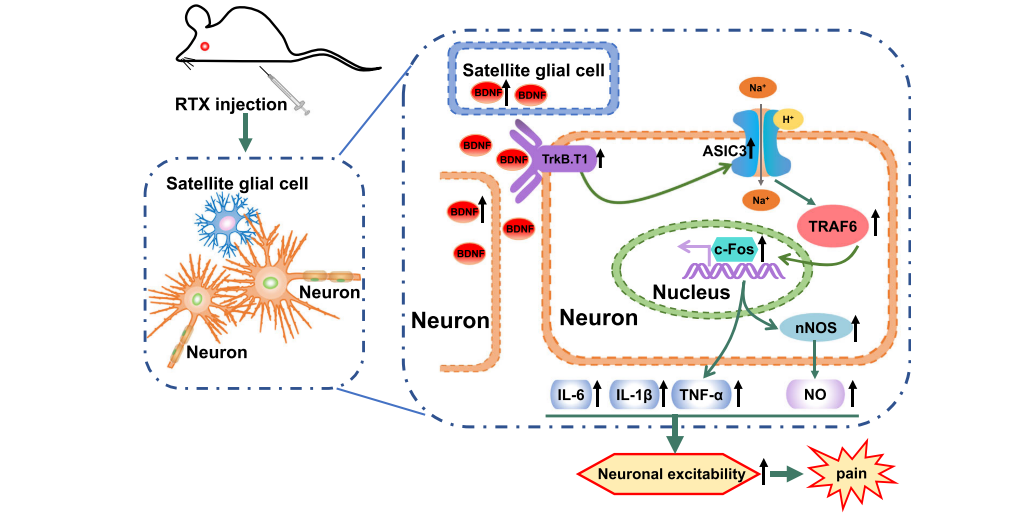
6. The TrkB.T1 receptor participates in RTX-PHN through ASIC3 signaling.
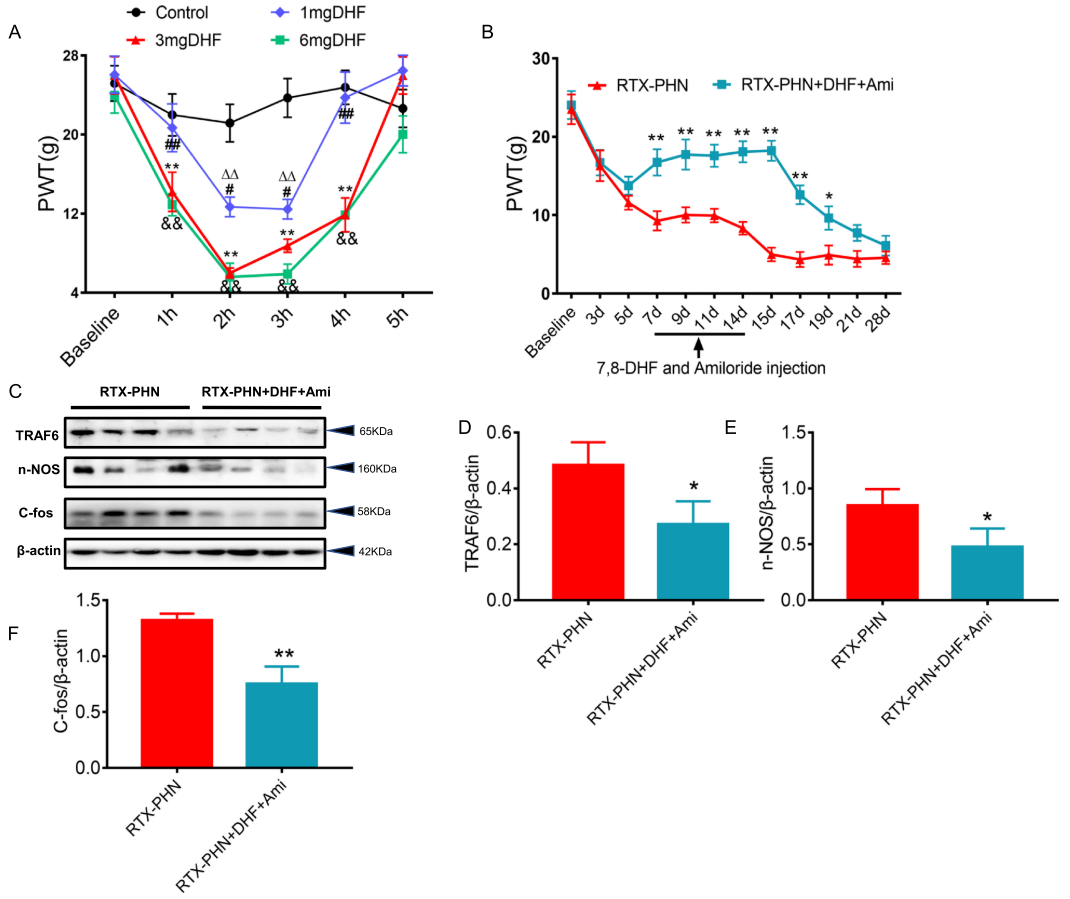
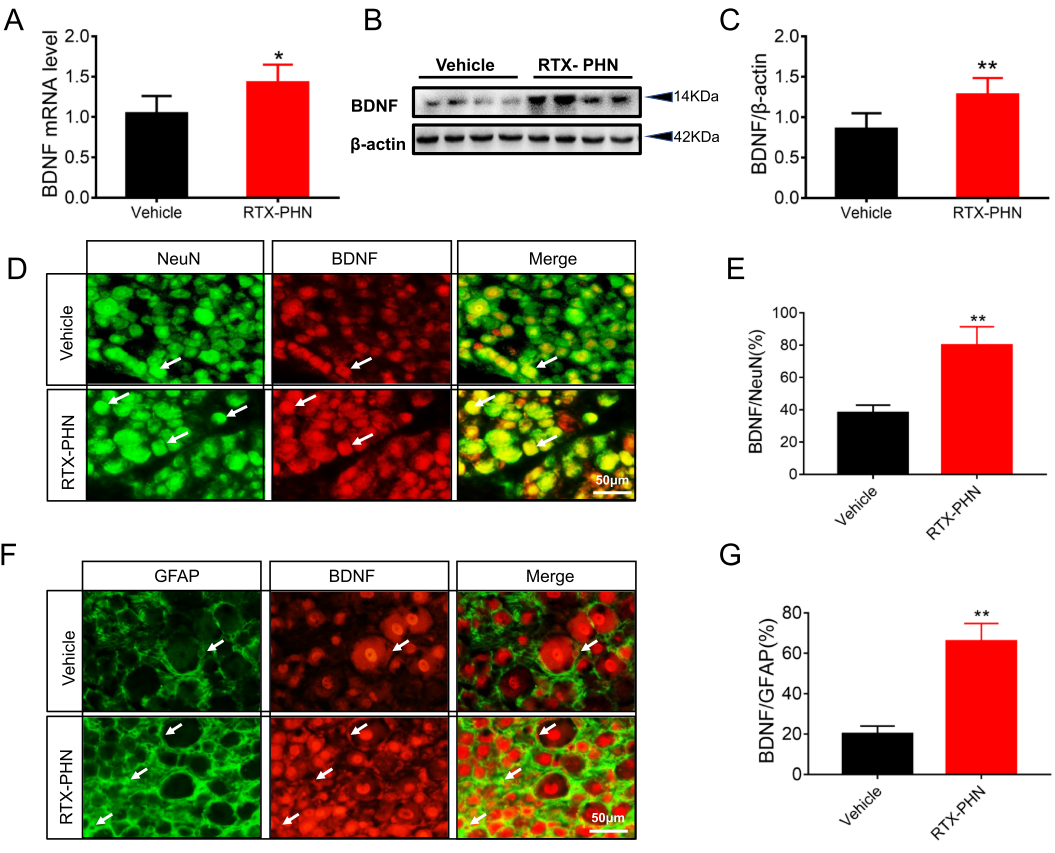
7. Intraperitoneal injection of RTX increases BDNF expression in DRGs.
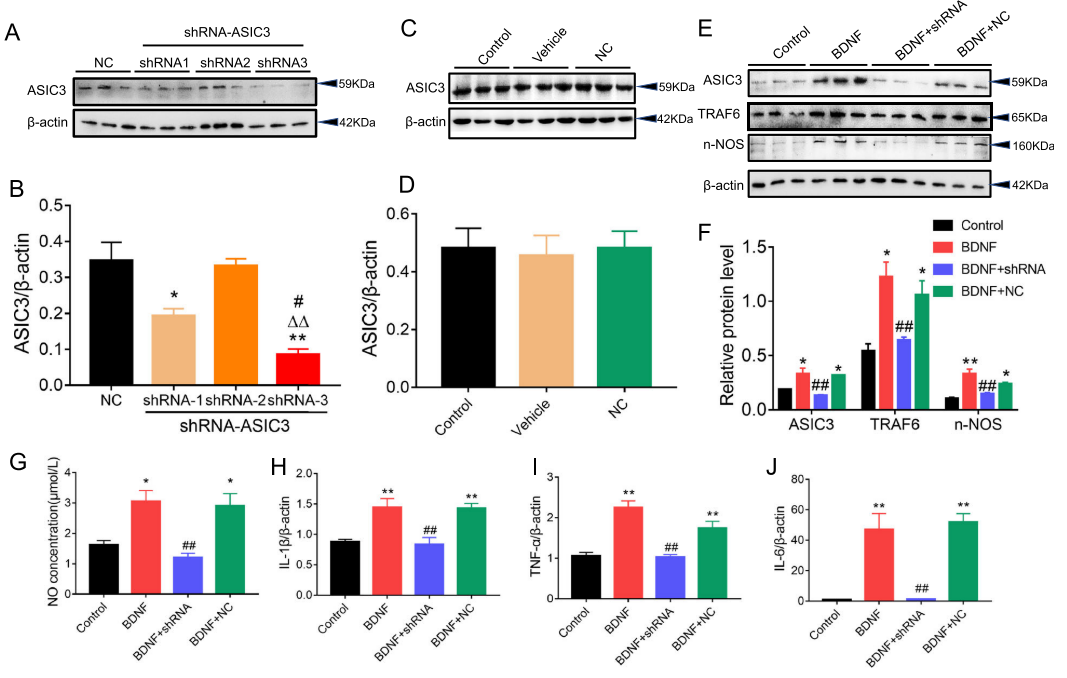
8. Exogenous BDNF enhances PC-12 cell TrkB.T1-ASIC3 signaling.
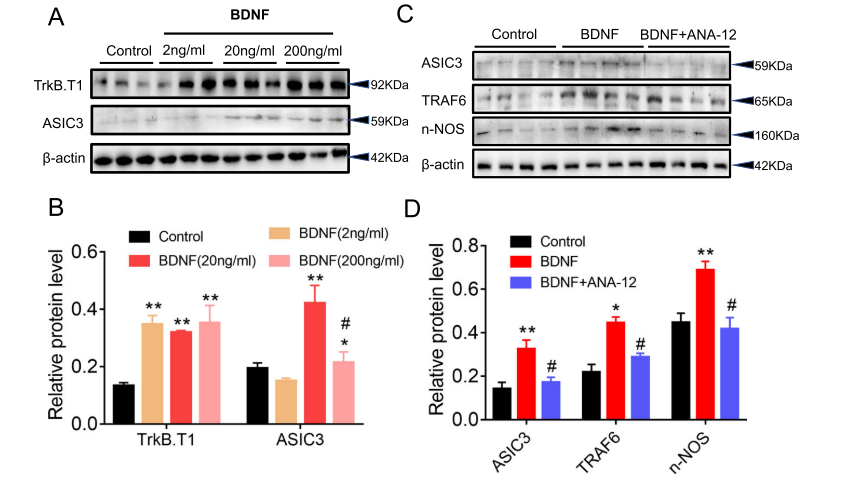
9. ASIC3 knockdown inhibited TRAF6 signaling activation induced by exogenous BDNF in PC-12 cells.
Discussion
Conclusion

This study suggests that inhibiting BDNF/TrkB.T1 can alleviate RTX-induced mechanical allodynia by regulating ASIC3 signaling, reducing inflammatory factor levels, and reversing the hyperexcitability of DRG neurons, providing a potential new therapeutic target for the prevention and treatment of PHN.
END

Zhejiang University First Affiliated Hospital Pain Department
”