IoT Sensor Technology in 2025
How It Will Revolutionize the Smart Industry
In 2025, IoT sensor technology will fundamentally transform the smart industry by enabling real-time data collection and seamless connectivity across machines and processes. These advanced sensors provide critical insights that help businesses optimize operations, reduce downtime, and enhance safety. By integrating with cloud platforms and analytical tools, IoT sensors empower various industries to make data-driven decisions, improve efficiency, and predict maintenance needs before failures occur.This technological revolution is reshaping sectors such as manufacturing, energy, logistics, and healthcare, driving automation and smarter workflows. IoT sensors also support sustainability and regulatory compliance by enabling better resource management and transparency. As more industries adopt these innovative technologies, IoT sensor technology will become a key driver of digital transformation and competitive advantage. This blog explores how IoT sensors are set to transform the smart industry and unlock new growth and innovation opportunities in 2025.
The Role of IoT Sensors in the Smart Industry
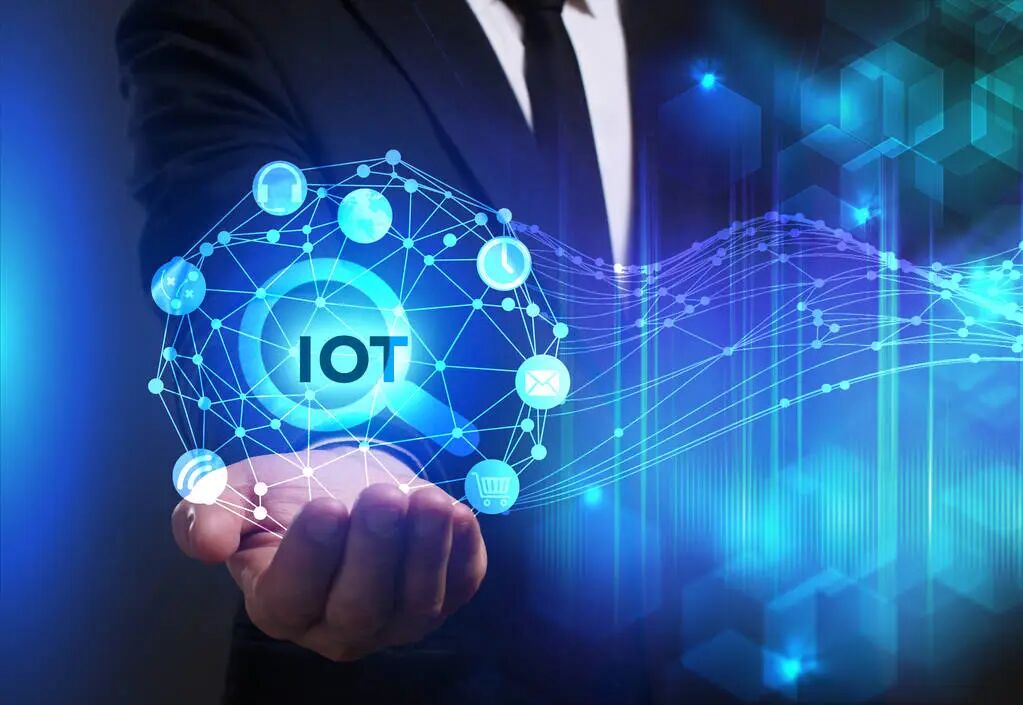
IoT sensors are miniature interconnected devices capable of monitoring physical parameters such as temperature, humidity, pressure, and motion, transmitting this data wirelessly. Their deployment in the smart industry helps businesses gain deep insights into their operations, respond quickly to changes, and make more informed, data-driven decisions.
Advanced Data Collection
Capturing fine data in industrial environments has historically been a challenge. Now, with the integration of IoT sensor technology in 2025, businesses can gain insights into previously opaque processes. From assembly lines to supply chains, every link becomes measurable and traceable. This aids in better predictive maintenance, reducing downtime, and optimizing resource utilization.
Real-Time Monitoring and Automation
One of the main advantages of sensor-driven smart industry is real-time monitoring. Machines and assets equipped with sensors continuously send data to a centralized platform, enabling instant alerts and automated responses to anomalies. Whether adjusting warehouse temperatures or automatically shutting down faulty equipment, automation enhances overall safety and reliability.
Enhanced Predictive Maintenance
IoT sensors can generate actionable insights about equipment health. By analyzing patterns in vibration, temperature, and usage, algorithms can predict when maintenance is needed, minimizing costly unplanned downtime. Predictive maintenance strategies can save time and money, solidifying IoT’s role as a cornerstone of industrial efficiency.
Transforming Key Industries
Manufacturing and Industry 4.0
Interconnected IoT devices are the foundation of the evolution of Industry 4.0. Sensor-based systems provide a comprehensive operational view from raw material procurement to final product delivery. Automation of tasks such as inventory control and energy usage has become routine, creating a leaner and more agile manufacturing environment.
Energy Management
Smart grids heavily rely on advanced IoT sensors to balance supply and demand in real-time. These devices monitor loads, generation, and storage assets, allowing energy providers to flexibly and efficiently shift resources and integrate renewable energy. IoT-based demand response systems also enable consumers and suppliers to collaboratively optimize energy consumption.
Healthcare Innovations
IoT sensor technology is revolutionizing patient care. Wearable health monitors, smart hospital equipment, and remote patient monitoring solutions rely on precise data collected by sensors. Real-time readings of vital signs and environmental parameters are streamlining diagnostic processes, improving patient outcomes, and making personalized medicine a reality.
Logistics and Supply Chain
From interconnected containers to smart warehouses, IoT sensors are enhancing transparency and reliability in logistics. Real-time tracking of assets and environmental conditions ensures that goods are safe and delivered on time. Automated alerts for potential disruptions help logistics companies stay ahead of challenges, improving efficiency and customer satisfaction.
Overcoming Challenges
While IoT sensor technology offers significant advantages, its deployment in the smart industry also faces challenges. Data security and privacy are paramount concerns as sensitive operational data is transmitted and stored over networks. Businesses must implement robust cybersecurity protocols to guard against emerging threats.
Additionally, integrating traditional systems with modern IoT solutions often presents compatibility issues. Careful planning, investment in employee training, and collaboration with technology providers can streamline the adoption process and maximize return on investment.
Looking Ahead: The Future of IoT in Industry
The pace of innovation in IoT sensor technology is accelerating. With the proliferation of 5G and edge computing, the ability to drive automation through real-time data will multiply exponentially.
· AI Integration: AI algorithms leveraging sensor data will automate more complex decision-making, leading to truly adaptive and self-healing industrial systems.
· Sustainability and Green Initiatives: IoT will play a significant role in helping industries monitor environmental impacts and meet sustainability regulatory requirements.
· Enhanced Human-Machine Collaboration: Workers will seamlessly interact with smart industrial environments using augmented reality and wearable IoT devices, boosting productivity and safety.
Conclusion
IoT sensor technology is not just a buzzword; it is the fundamental driving force behind the transformation of smart industries in 2025 and beyond. By providing unparalleled visibility, enabling predictive actions, and facilitating automation, these systems are laying the groundwork for a more efficient, safer, and sustainable industrial future.
Source: Qianjia Network
Disclaimer: Information attributed to other sources is transferred from other platforms for the purpose of disseminating more information and does not represent the views or positions of this public account. If there are any infringements or objections, please contact us for resolution.
Like, share, and check it out, we all love it~