Hello, digital enthusiasts! Today, Lele wants to talk about something hardcore yet fun—do you know how many “super brains” are hidden in the cars that accompany us every day? These ECU systems, which control the engine, transmission, and intelligent driving, are backed by a super cool development toolchain! Let Lele take you on a wonderful journey from model design to real code!When it comes to automotive electronic control system development, the first to appear must be the “Three Musketeers” of modeling—MATLAB/Simulink/Stateflow. These three are like the “LEGO blocks” of automotive software development, allowing engineers to build digital models of complex systems such as fuel injection and autonomous driving. For example, an engineer can easily create an engine control model using Simulink, effortlessly adjusting fuel injection timing and quantity parameters, while Stateflow allows the engine to switch states smoothly under different conditions—this operation is even more exciting than playing a racing game!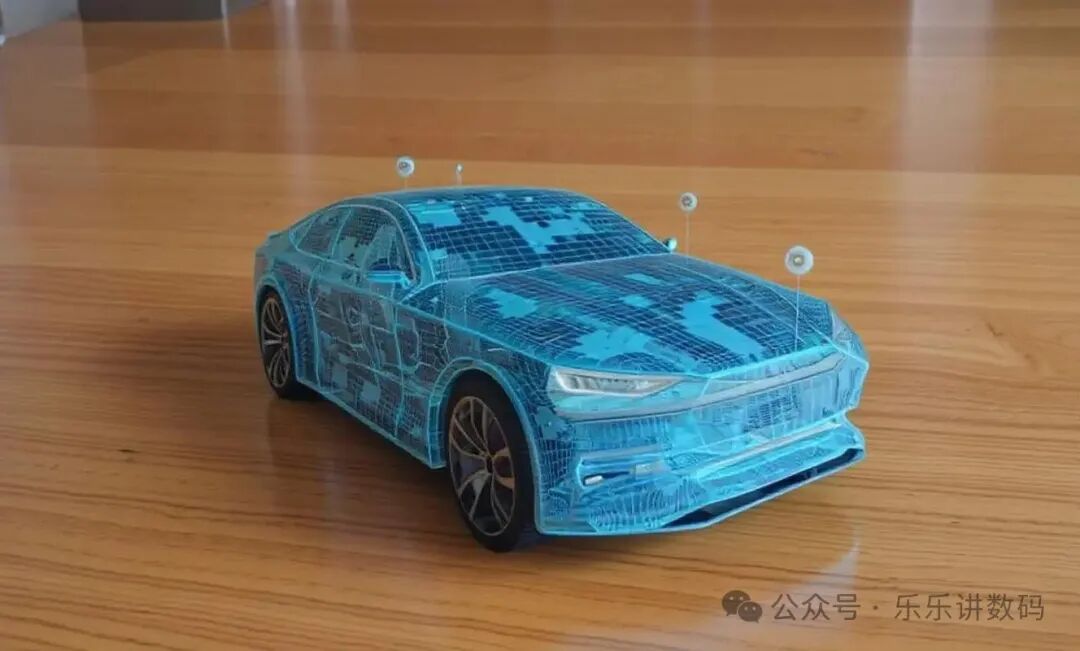 Next up are the code generation tools Embedded Coder and Targetlink, which are like a “magic cooking machine” for programmers. Just throw the validated model in, and it can automatically output standard-compliant embedded code. It is said that a certain brand reduced the development cycle by 30% when developing an automatic parking system using this trick! Now you know why the features of our new cars are updated so quickly, right?When it comes to coding, the programmer’s right-hand men Source Insight and VS Code come into play. Source Insight is like a “microscope” in the coding world, finding bugs in hundreds of thousands of lines of code faster than Lele can find snacks. The plugin market of VS Code is simply a paradise for programmers, with all kinds of professional tools like CAN bus analysis readily available. Let me tell you a secret, many developers at major automotive companies are now using VS Code for “code team building”!As for the “gatekeepers” of code quality, we must award a trophy to QAC and TESSY. QAC has “keen eyes” that can spot various safety hazards hidden in the code, reportedly not letting even a punctuation mark slip by. TESSY is even more powerful; it can simulate various extreme scenarios to test the software, like conducting “stress tests” on automotive software. Last year, a certain new energy vehicle manufacturer relied on it to discover bugs in the battery management system in advance, avoiding millions in recall losses!Finally, the task of “assembling” the code into executable files is entrusted to the golden duo TASKING and GREENHILLS. They are like the “Michelin chefs” of automotive software, capable of optimizing the code to be both small and fast. It is said that some entry-level models have ECUs with only 512KB of memory, and thanks to the “slimming secrets” of these two masters, all functions were crammed in!Of course, we cannot forget the “left and right guardians” of version management, SVN and Git. SVN is like a strict homeroom teacher, recording every line of code modification in a little notebook; Git, on the other hand, is a free-spirited artist who can happily code even without signal on the subway. Once, a research and development team was testing on the Qinghai-Tibet Plateau, and thanks to Git’s offline code version management, this was truly “cloud development”!With so many magical tools interconnected, the journey from design to real code is as smooth as an automotive assembly line. Now you know why our smart cars can OTA upgrade features like autonomous driving and voice interaction, right? This toolchain is like a “Swiss Army knife” for automotive software engineers, ensuring functional safety while keeping up with the pace of the internet era—truly a labor of love!By the way, can you guess what is currently giving automotive engineers the biggest headache? Tell Lele in the comments, and the top three liked comments will win a car phone holder! (Not that I bought too many online or anything.)