Almost everyone is impressed by the Autobots in the animated series “Transformers,” but when we watched the cartoons back then, we never imagined that today’s Autobots would become a reality.
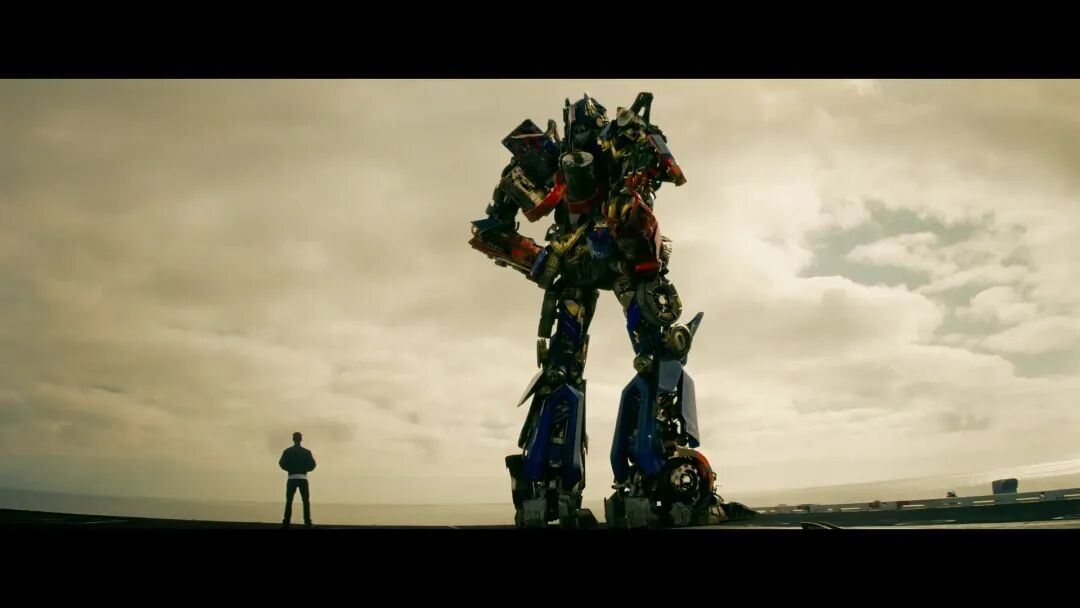
The Autobots are the earliest and most successful visual representation of the combination of cars and intelligent robots, implanting a revolutionary concept in the minds of a whole generation: the car you drive could be a partner with self-awareness, intelligence, and emotions. This cultural enlightenment has greatly lowered the psychological barrier for the public regarding robots and shaped an expectation—that robots should be multifunctional, mobile, and deepening intelligent entities.
In previous reading notes, we outlined a very clear trajectory: starting from Ford’s manufacturing of cars in 1900, after more than 120 years, the global car ownership has reached 1.5 billion vehicles. It is expected that by 2030, the number of cars worldwide will reach 2 billion, with electric vehicles and fuel vehicles each accounting for about half.
Today, let’s talk about a brand new industry that has truly emerged from the automotive manufacturing sector—humanoid robots.
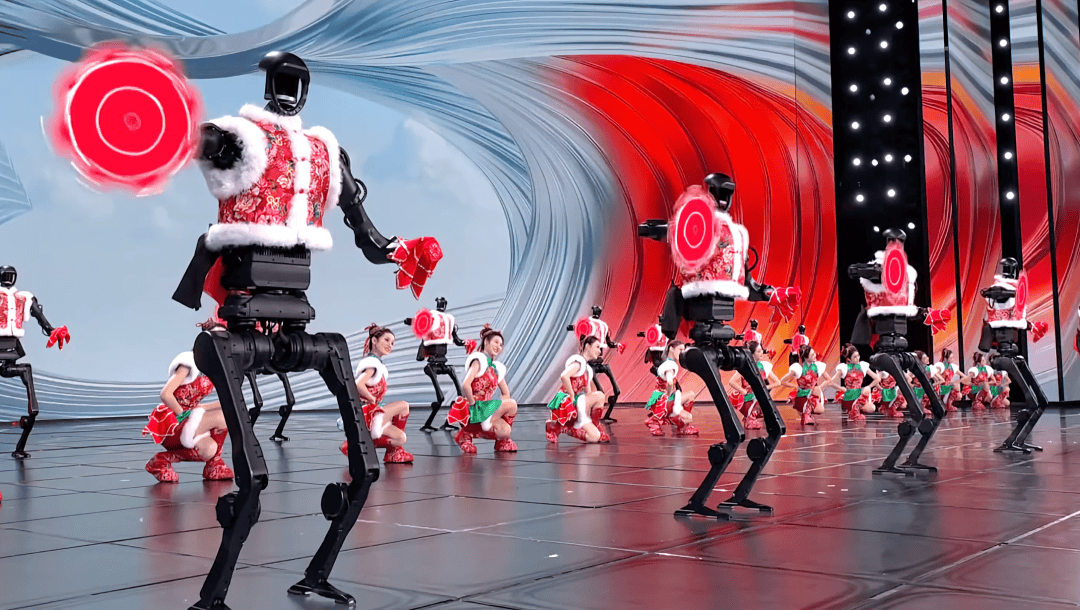
The general public in China widely accepted humanoid robots starting from the performance of the Yushu robot dancing during this year’s Spring Festival Gala.
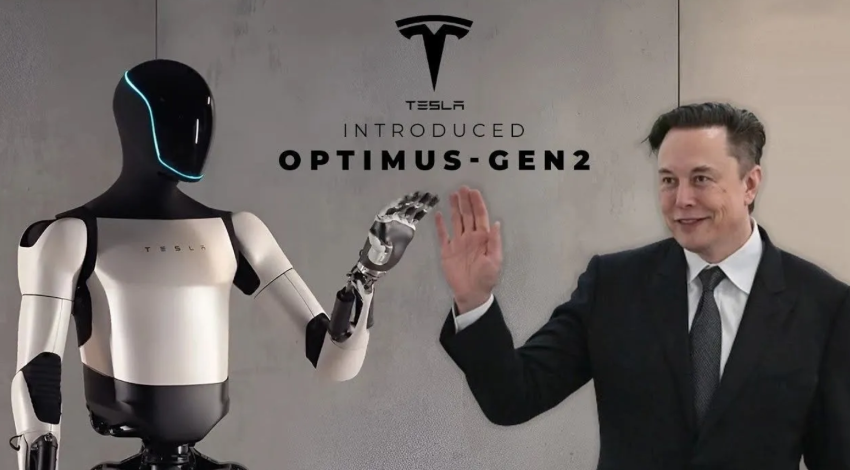
Elon Musk, known as the “Iron Man of Silicon Valley,” initiated the era of electric vehicles. However, he later discovered an even more exciting new project—the Optimus humanoid robot, also known as “Optimus Prime.” Musk positions the Optimus robot as a project more valuable than the automotive business and FSD (Full Self-Driving), predicting that the number of humanoid robots on Earth will reach hundreds of billions, far exceeding the 2 billion cars. This will bring almost unlimited product and service supply capabilities.
Of course, Musk also stated that achieving this vision requires huge capital investment and technological accumulation. Meanwhile, Tesla’s performance is under pressure: net profit in the first quarter of 2024 fell by 70%, and the stock price has also dropped by 50% from its peak. Investors are very dissatisfied with his dual role as “Minister of Government Efficiency,” and the board has even begun to consider finding a successor.
In this context, Musk stated that he would not step down unless he dies. His core goal is to consolidate control over Tesla, ensuring that his technological roadmap, especially the robot project, is not interrupted. He mentioned in an interview that control is crucial to the future of manufacturing millions or even billions of humanoid robots.
Regarding the mass production plan for the Optimus robot, Tesla’s current progress is roughly as follows: thousands of humanoid robots will be produced by 2025, mainly for internal testing and integration in factories. By 2026, production is expected to increase to 50,000 units; by 2030, the plan is to achieve mass production in the millions.
However, similar to Tesla cars, the Optimus robot also needs to overcome the supply chain of about 10,000 unique components. These supply chains are highly dependent on China’s manufacturing capabilities. At the same time, the robot requires specialized chips to achieve human-like operational capabilities. Ultimately, Tesla hopes to effectively control costs, setting a target price of around $20,000.
As for why Musk is so determined to push Tesla’s strategic transformation, there are several reasons.
First, Tesla’s automotive business is facing weak demand, especially against the backdrop of the rapid rise of electric vehicles in China, making it very difficult for Tesla to regain the title of global sales champion. Therefore, the robot project is seen by Musk as Tesla’s second growth curve. He predicts that the popularity of robots will drive a universally high-income era, with product surplus potentially disrupting traditional economic models.
Second, Tesla is building an ecological closed loop. The Optimus robot works in deep synergy with autonomous driving technology (FSD) and supercomputers, achieving a complete loop from perception, decision-making to execution.
Finally, Musk hopes to seize the future labor market. He believes that in the future, human work will shift more towards creative fields, while Optimus can take on dangerous, repetitive, and tedious tasks.
If this vision can be realized, Tesla will transform from a hardware manufacturer to a global labor solution provider. Musk believes that robots are the core carriers of embodied intelligence, accumulating data through interactions in real environments, with the integrated Spark cognitive model supporting voice commands, 3D environment understanding, and action planning, forming human-like cognitive abilities.
At the same time, Tesla will establish a data monopoly barrier. Currently, Tesla has the largest fleet of autonomous vehicles in the world, with the cumulative mileage of FSD exceeding 5.6 billion kilometers. After the production of Optimus, a new dataset of hundreds of billions of robot action data will be added, further consolidating its dominance in the AI training data field.
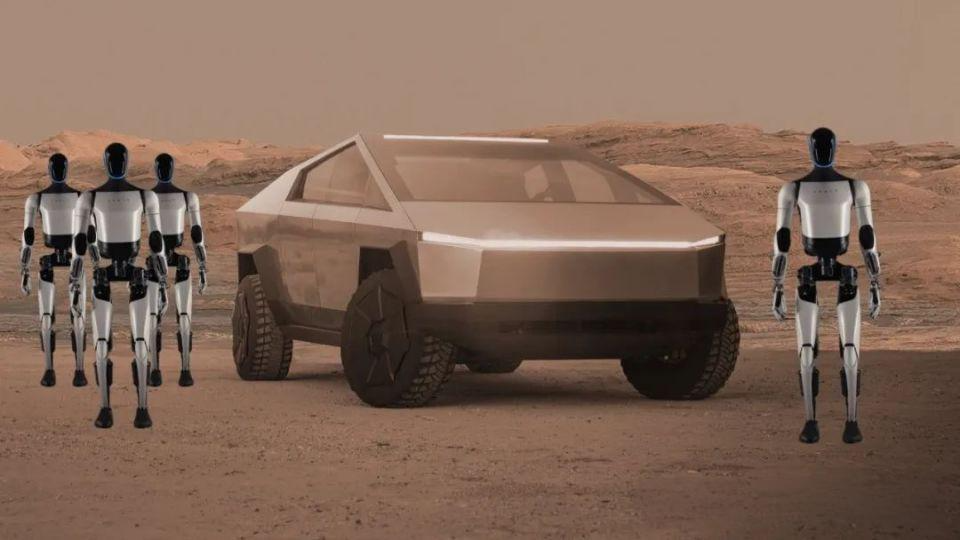
Musk’s ultimate vision is to define the future of human civilization and build the infrastructure for interplanetary survival. He claims that SpaceX will land Optimus on Mars in 2027 to carry out tasks such as base construction and resource extraction, making it the core labor force for interstellar colonization. This is like the scenes we saw in games during our childhood, and Musk is turning it into reality.
In addition, Optimus will serve as a human capability enhancer, allowing humans to focus on creativity and the exploration of meaning by taking on physical labor and basic services. Musk emphasizes that robots should enhance human capabilities, not replace the meaning of human existence.
Each of Musk’s seven companies has a vision that makes people on Earth feel crazy. Nevertheless, he always manages to gain recognition and support from the most well-known investors on Wall Street.
Wall Street’s famous investor “Cathie Wood” highly recognizes this. Her recent research report shows that the market size for humanoid robots is expected to reach $26 trillion, far exceeding the market for autonomous taxis.
Wood believes that Musk’s Optimus robot will reshape the manufacturing, service, and home care sectors, becoming the ultimate solution to the global labor shortage. The popularity of robots will free humans to turn to creative labor and may drive a universally high-income social model. The economic value of labor replacement lies not only in cost savings but also in the emergence of new industrial forms.
According to Wright’s Law, as production doubles, costs will decrease at a fixed rate. The unit cost of Optimus has dropped from $200,000 to $82,000, and it is expected to further decrease to $10,000 to $20,000 in the future. Wood emphasizes that Tesla’s core value lies not in car manufacturing but in its potential as a robot energy storage platform.
Finally, Wood predicts that the commercialization process of Musk’s robots will show exponential growth: producing 50,000 units by 2026 and reaching 1 million units by 2029. This growth logic will reshape the global economic structure.
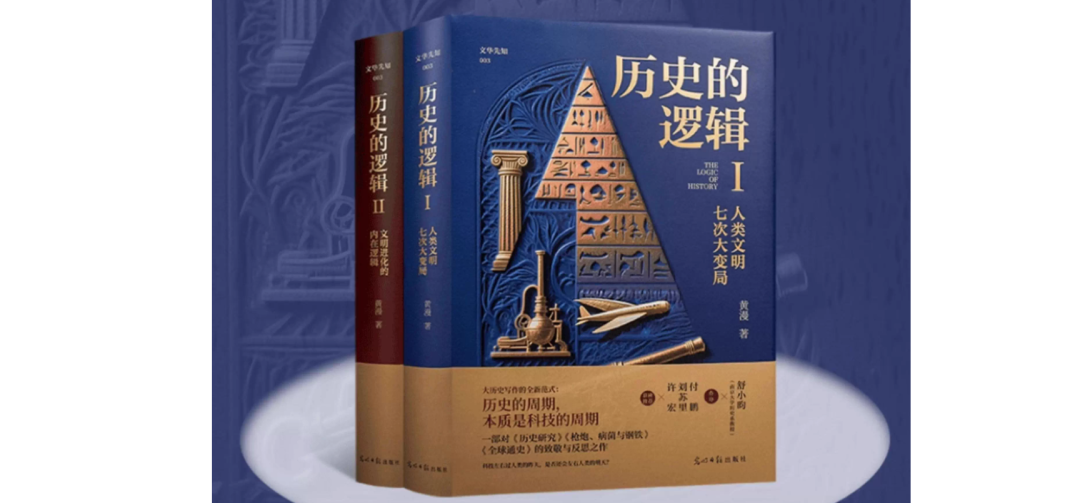
Recently, I am reading a masterpiece— Huang Man’s “The Logic of History”. A graduate student from Nanjing University’s Department of Physics can explain historical issues so thoroughly. In fact, whether it is the T-model car produced by Ford over a hundred years ago, or Musk’s Tesla opening up the second curve of Optimus robots from the electric vehicle field, or the bronze chariots from over 5,000 years ago, they have all become important steps in promoting the progress of human civilization. Moreover, the value of civilization does not depend on the technology itself, but on whether humanity can carry its energy with an open system and tame its destructiveness through institutional innovation.
Therefore, the true answer to the use of all technology lies with humanity itself. Robots like Optimus are merely powerful tools created by humans to address the challenges of their own civilization.
Ultimately, whether we can use this tool to solve the problems facing the Earth still rests in the hands of humanity.
In summary, Musk’s Optimus is a tool aimed at changing human economy and lifestyle, while the Optimus Prime in “Transformers” is an animated legendary hero that tells stories of courage and responsibility. The former is the future we are striving to achieve, while the latter is our eternal sci-fi dream.
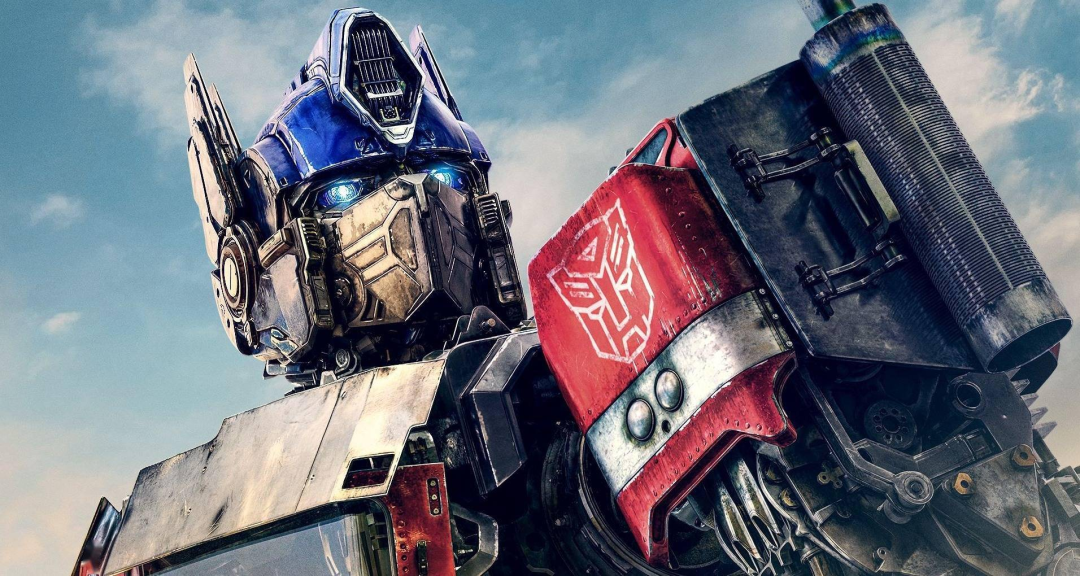
Returning to the animated series “Transformers,” in the end, it was Optimus and his Autobot comrades who saved the Earth.

100 Business Stories of Daily Life No. 71
① BYD (II): The Great Navigation Era of Chinese Electric Vehicles
② BYD (I): “The Soul of Engineers” Reading Notes—Why Did Wang Chuanfu Abandon Oil Cars?
③ Tesla (II): Why Can’t Superman Musk Reach the Top of Global Electric Vehicle Sales?
④ Australian Travel Business Insights (I): Achieving Great Things Requires Timing, Location, and Harmony—The Entrepreneurial Story of Sam and Coles
⑤ Melbourne—Why Should There Be Libraries in the World?