Introduction
The ESP32 is a powerful microcontroller with Wi-Fi and Bluetooth capabilities, widely used in IoT and embedded systems. Within the ESP32 ecosystem, the MJPEG multi-client streaming server is a significant feature that meets the demand for multiple clients to access video streams simultaneously. This article will introduce the ESP32 MJPEG multi-client streaming server based on the latest Espressif drivers.
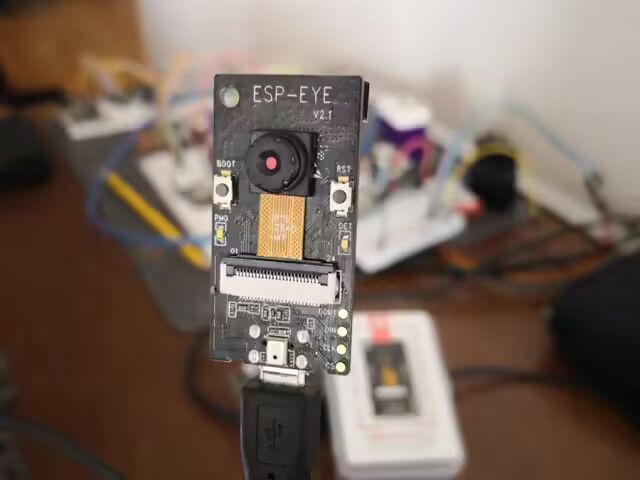
Project Background
As a popular open-source hardware platform, the ESP32 has attracted the attention of many developers. With the increasing demand for video streaming, developers have begun to explore how to implement efficient multi-client video streaming services on the ESP32. In this context, a multi-client streaming server solution based on MJPEG codec technology has emerged.
Project Features
-
• Multi-Client Support: Utilizing MJPEG encoding technology, it allows multiple clients to access video streams simultaneously, suitable for scenarios such as monitoring and live video streaming.
-
• Latest Espressif Drivers: The project uses the latest Espressif drivers, ensuring system stability and compatibility.
-
• Flexibility: It allows customization of video stream output with different resolutions and frame rates according to requirements, meeting the needs of various application scenarios.
-
• Open Source: The project is open-sourced on GitHub, making it easy for developers to learn, customize, and contribute code.
Project Link
The project is hosted on GitHub, and the link is: (https://github.com/arkhipenko/esp32-mjpeg-multiclient-espcam-drivers). Developers can visit this link to obtain the project source code and documentation for more details.
Installation and Configuration
To deploy the multi-client streaming server on the ESP32, follow these steps for installation and configuration:
-
1. Clone or download the project code to your local development environment.
-
2. Configure the ESP32 development environment and dependencies according to the provided documentation.
-
3. Compile and flash the firmware to the ESP32 development board.
-
4. Configure the necessary network parameters and video stream parameters.
-
5. Start the ESP32 to begin using the multi-client streaming server.
Conclusion
The ESP32 MJPEG multi-client streaming server, based on the latest Espressif drivers, provides developers with an efficient and flexible video streaming solution. Through this article, we hope to help developers better understand and utilize this powerful project.
Project Address: https://github.com/arkhipenko/esp32-mjpeg-multiclient-espcam-drivers