Introduction As the Nvidia H20 chip is reported to harbor a “remote shutdown” backdoor, the US demands that Chinese companies pay 15% of their revenue for export licenses, and Huawei’s Ascend 910C chip performance surpasses Nvidia’s H100—this chip war, which concerns national fortunes, is heading towards an ultimate showdown in the summer of 2025. This is not just a technical competition, but a “digital nuclear war” that will determine global discourse for the next decade.
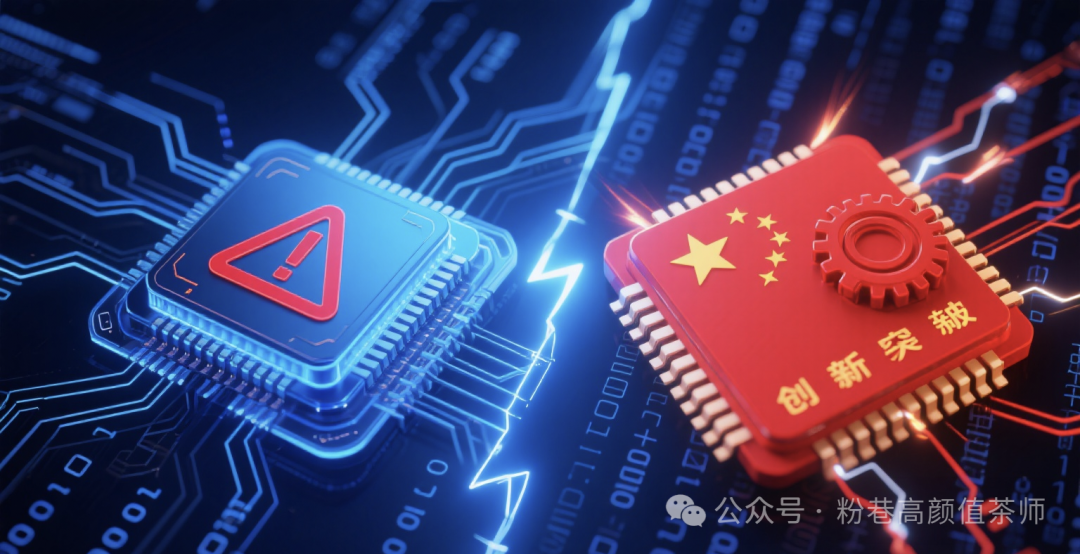
1. The US’s Ruthless Tactics: From Technological Blockades to Economic Coercion 1. A Time Bomb in Chips In July this year, the Chinese Cyberspace Administration suddenly summoned Nvidia, pointing out that its H20 chip exported to China has a “backdoor.” This chip is implanted with an “emergency button,” which could paralyze critical infrastructure from data centers to smart cars at any time. Ironically, Nvidia CEO Jensen Huang denied the existence of the backdoor, only to later “tribute” 15% of its revenue from the Chinese market to the US government in exchange for export licenses.
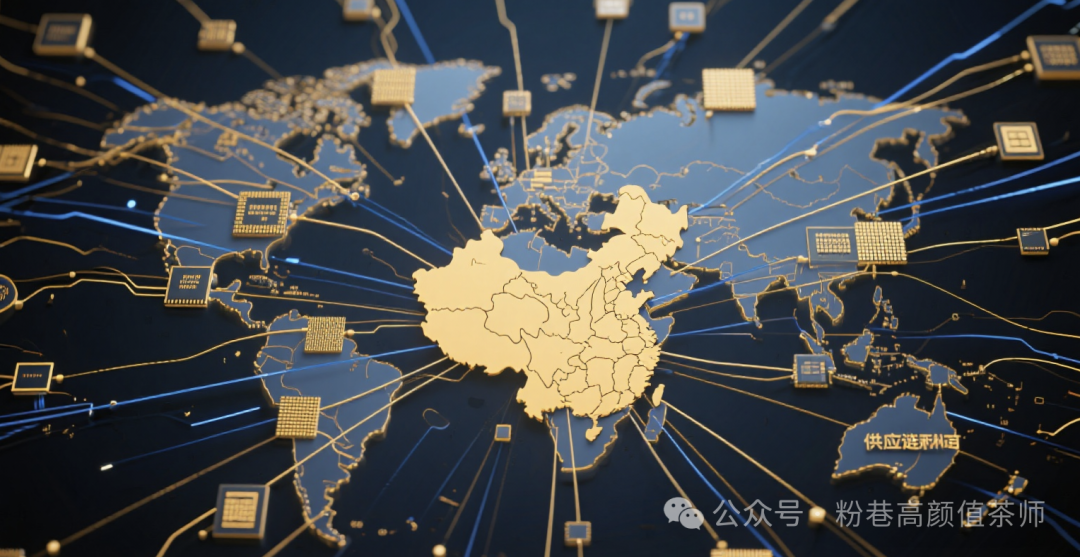
2. The Upgrade from Courtyard Walls to Global Hunting The US’s “Chip Security Act” requires that all chips exported to China must be implanted with monitoring programs, even resorting to the FBI for global arrests—executives from a Chinese chip company were arrested in Italy upon arrival under dubious charges, reminiscent of the Meng Wanzhou incident. Even more ruthless, the US Department of Commerce has placed AI chips with over 30 billion transistors and HBM memory chips on the “entity list,” attempting to cut off the “oxygen” for China’s AI development.
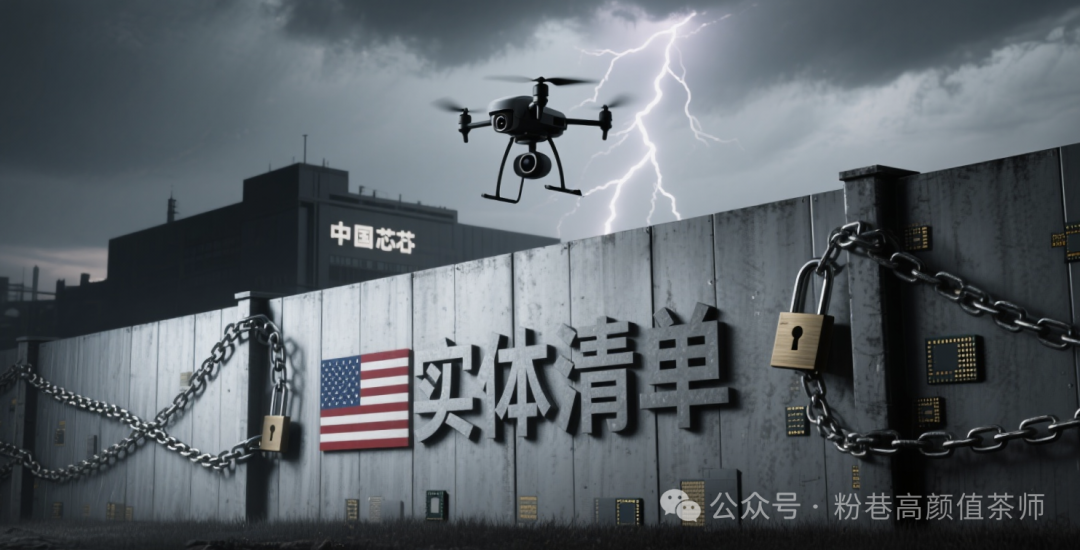
3. Tariff Blows Striking China On August 6, Trump announced a 100% tariff on imported chips, but chips produced in the US would be exempt. This “poisonous scheme” not only raises costs for Chinese companies but also attempts to force foundries like TSMC and Samsung to build factories in the US, completely severing the global chip supply chain.
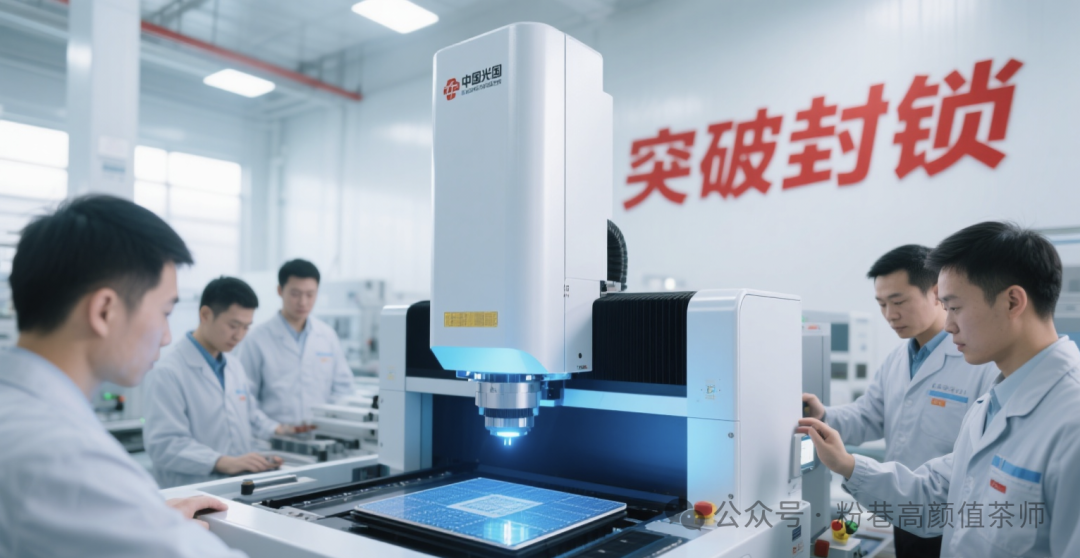
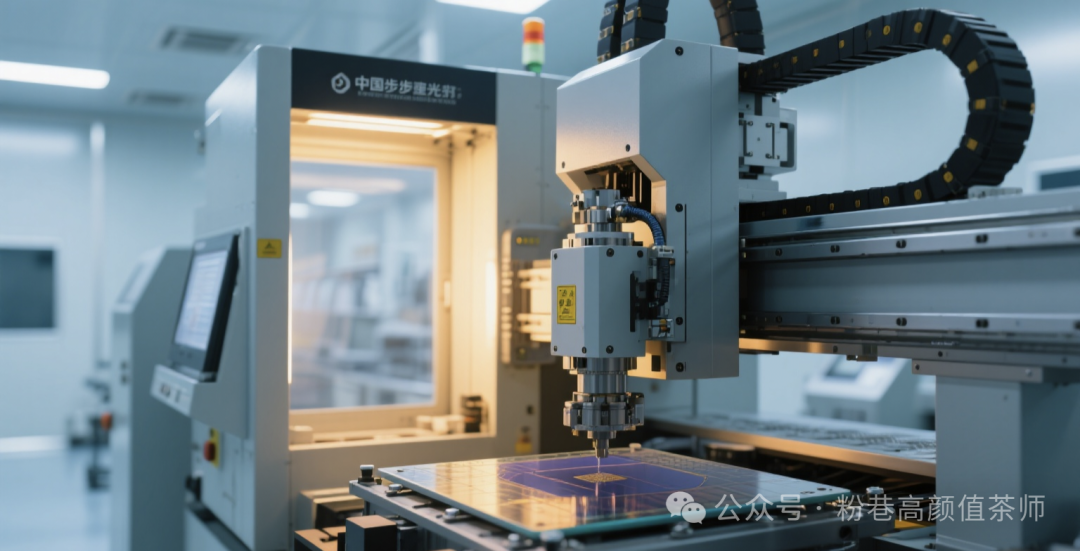
2. China’s Counterattack: From Independent Breakthroughs to Ecological Reconstruction 1. A Counterattack on the Lithography Machine Battlefield Shanghai Chip-on-Micro has delivered its 500th domestically produced stepper lithography machine to Shenghe Jingwei just six months after its establishment, with a global market share soaring to 35%, directly breaking ASML’s monopoly. Even more shocking, Pulin Technology has achieved a breakthrough in 10nm process using nano-imprint lithography, devaluing ASML’s EUV lithography machines.
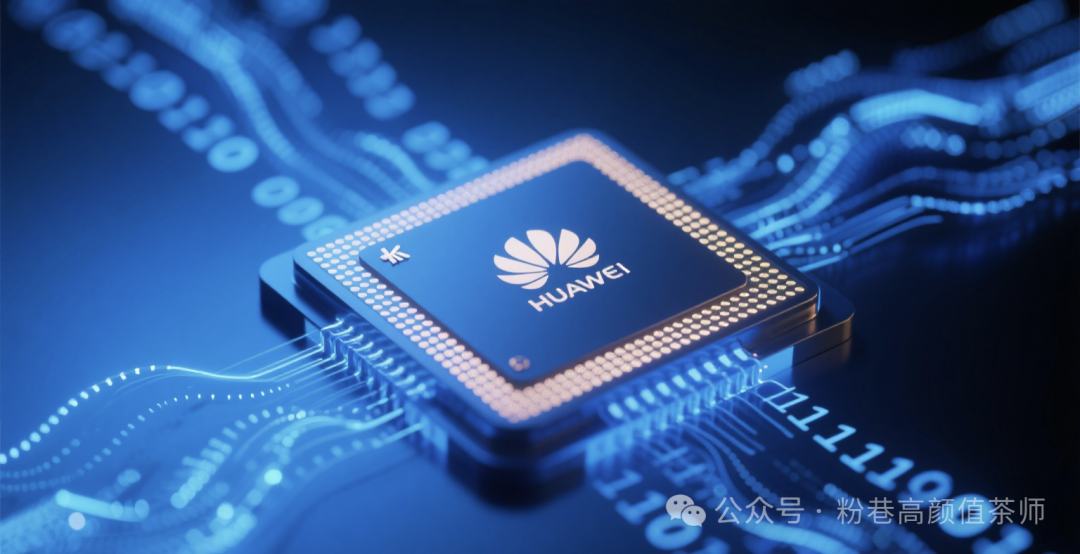
2. The Return of Huawei’s Kirin When the US thought it could suffocate Huawei by blocking 5nm, the Kirin 9020 chip achieved performance surpassing TSMC’s 4nm on a 7nm process, with the Mate70 series smartphones directly crushing Qualcomm’s Snapdragon using domestically produced 5G chips. Even more astonishing, Huawei’s Ascend 910C chip has surpassed Nvidia’s H800 in computational efficiency within the CloudMatrix384 super node, with Mizuho Securities predicting shipments will exceed 700,000 units in 2025.
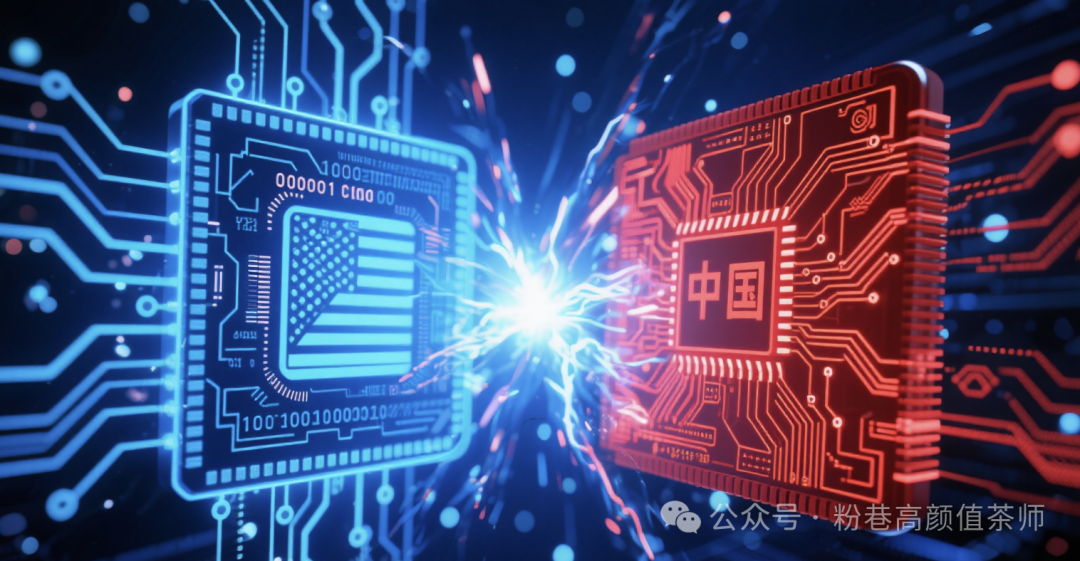
3. The Ultimate Breakthrough of National Power The National Fund for Advanced Semiconductor Technology has invested 164 billion yuan directly into companies like SMIC and Tongfu Microelectronics, promoting the R&D of 3nm processes and the mass production of advanced packaging. SMIC’s Q2 revenue reached $2.2 billion, with 84.1% coming from the Chinese market, and its mature process capacity above 28nm accounts for 39% of the global total, with prices only half that of TSMC.
3. The Endgame: Technological Independence is the Only Way Out 1. The US’s Fatal Wound Nvidia loses over $5 billion in revenue annually due to the loss of the Chinese market; AMD is forced to lay off 10% of its workforce due to the ban. Ironically, the localization rate of China’s analog chips has reached 28%, with companies like Sanken and Naxin Micro replacing TI and ADI’s market share.
 2. China’s Path to Breakthrough
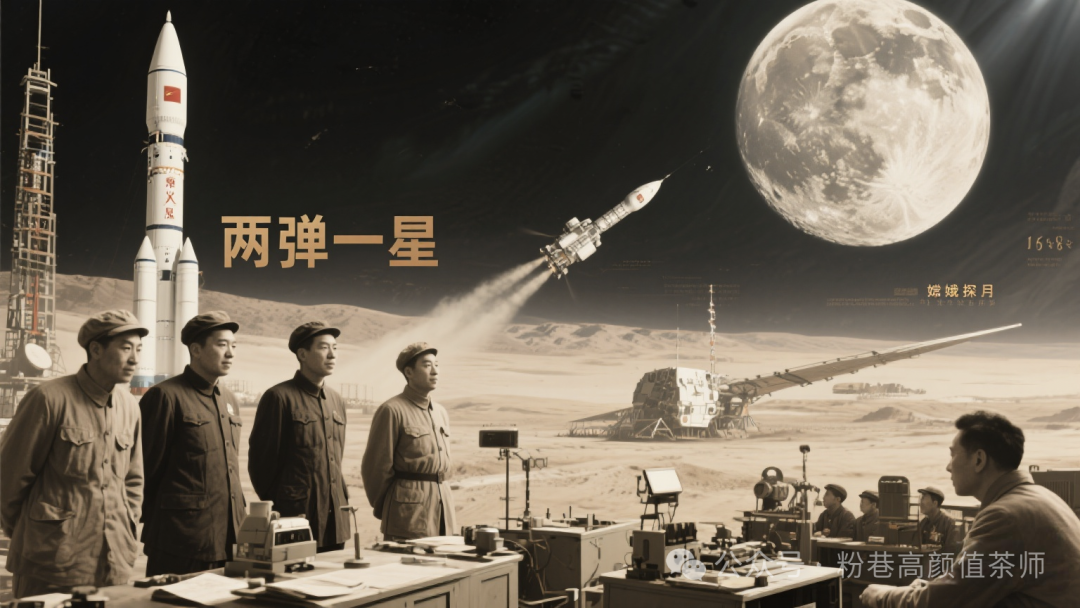
From “Two Bombs and One Satellite” to “Chang’e Moon Exploration,” China has overcome countless “impossibilities” using a national system. Now, domestic lithography machines, EDA software, and large silicon wafers have all made breakthroughs in critical areas, with the semiconductor equipment market expected to reach $121 billion by 2025, with China accounting for over 40%.
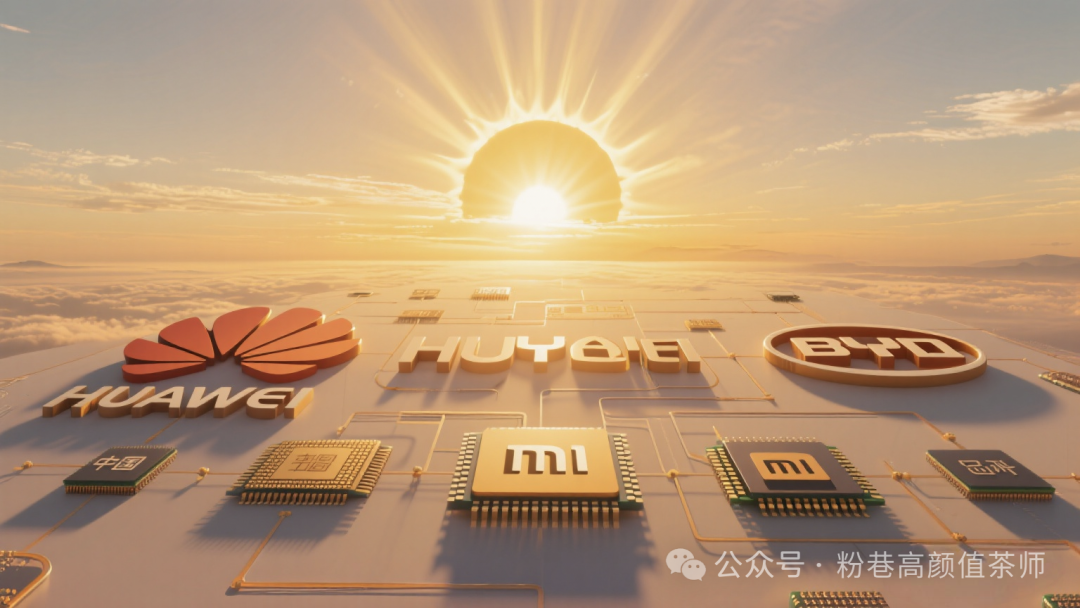
3. The Inevitable Choice of History As Jensen Huang said, “The pace of China’s innovation is unstoppable.” With Huawei’s HarmonyOS installed on over 1 billion devices, Xiaomi’s 3nm chip entering mass production, and BYD’s automotive-grade chips capturing over 15% of the global market share, the outcome of this chip war has long been written on the horizon of the East.
Conclusion This war without gunpowder is essentially the ultimate showdown between two development models. The US attempts to maintain its monopoly through technological hegemony, while China reconstructs the rules through independent innovation. When domestic lithography machines illuminate the wafers, and Kirin chips drive the Internet of Everything, history will ultimately prove that on the road to technological self-reliance, China has always been the final winner.
(Data source: China.com, Sohu.com, Observer.com, Mizuho Securities, and other authoritative media and institutions)