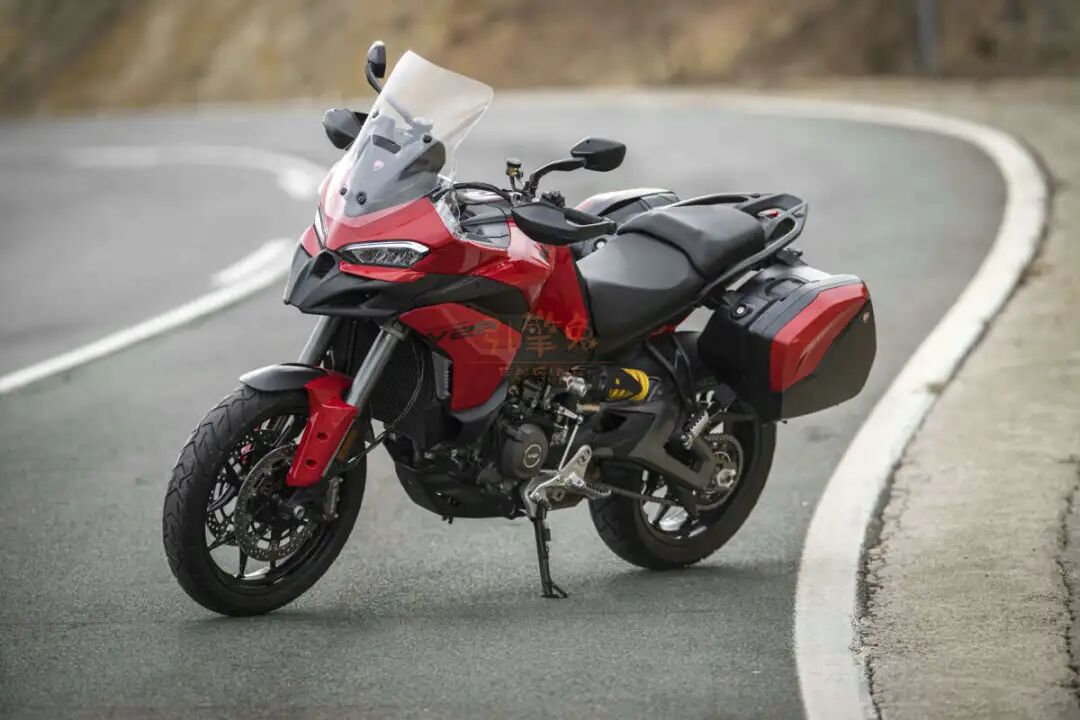
Three years ago, when the Ducati Multistrada V2 first entered the domestic market, few expected this model, positioned as an “entry-level road touring bike,” to remain so quiet in the domestic market. Now, the 2025 model returns to the battlefield with a new “heart.” The starting price of 137,900 seems almost on par with the old model, but considering the comprehensive upgrades from the engine to the frame, this feels more like a sincere game of “more for the same price.” However, in the current competitive mid-weight touring bike market, can this new V2, which is “18 kg lighter,” carve out a niche?
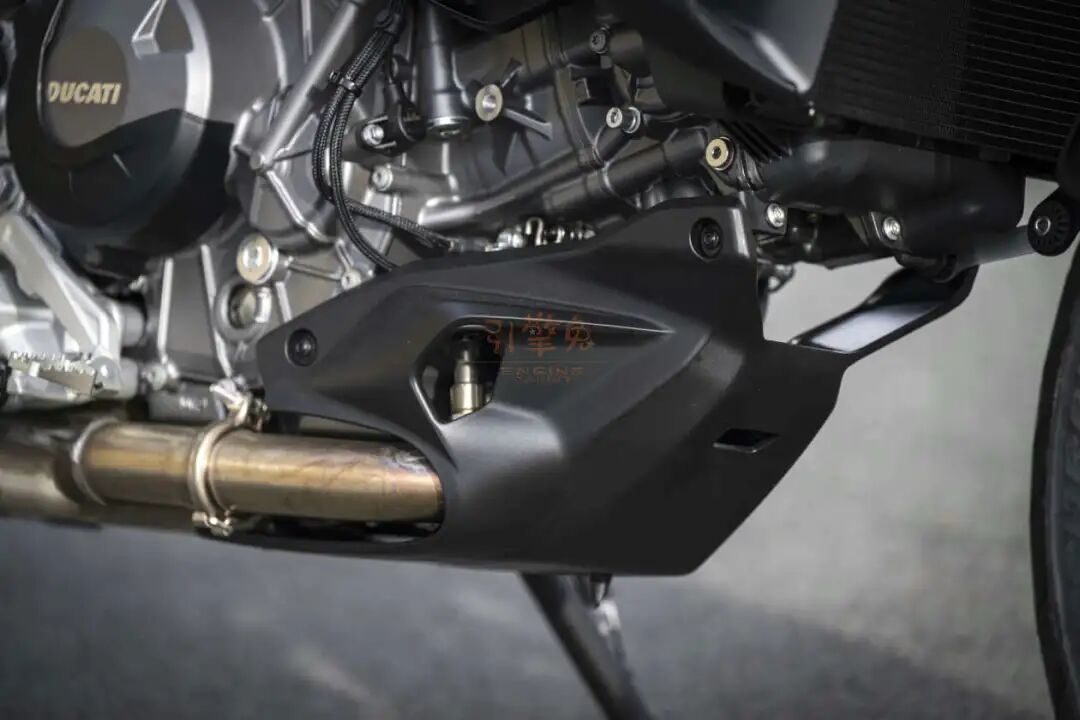
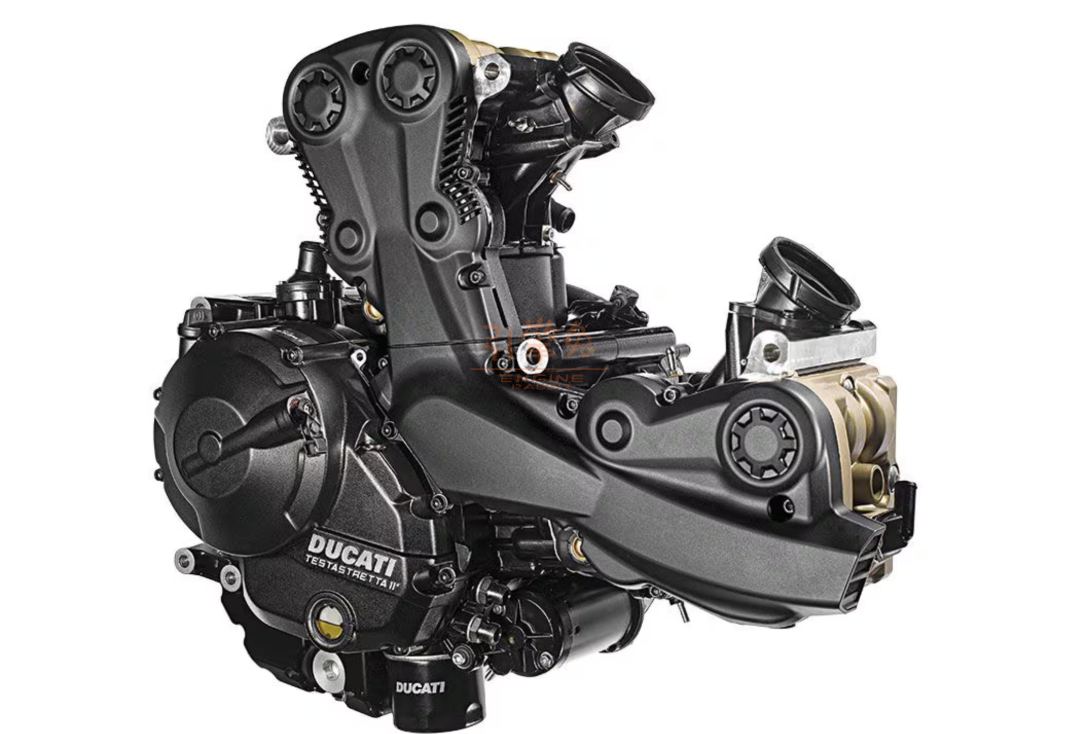
Old L-type twin-cylinder engine
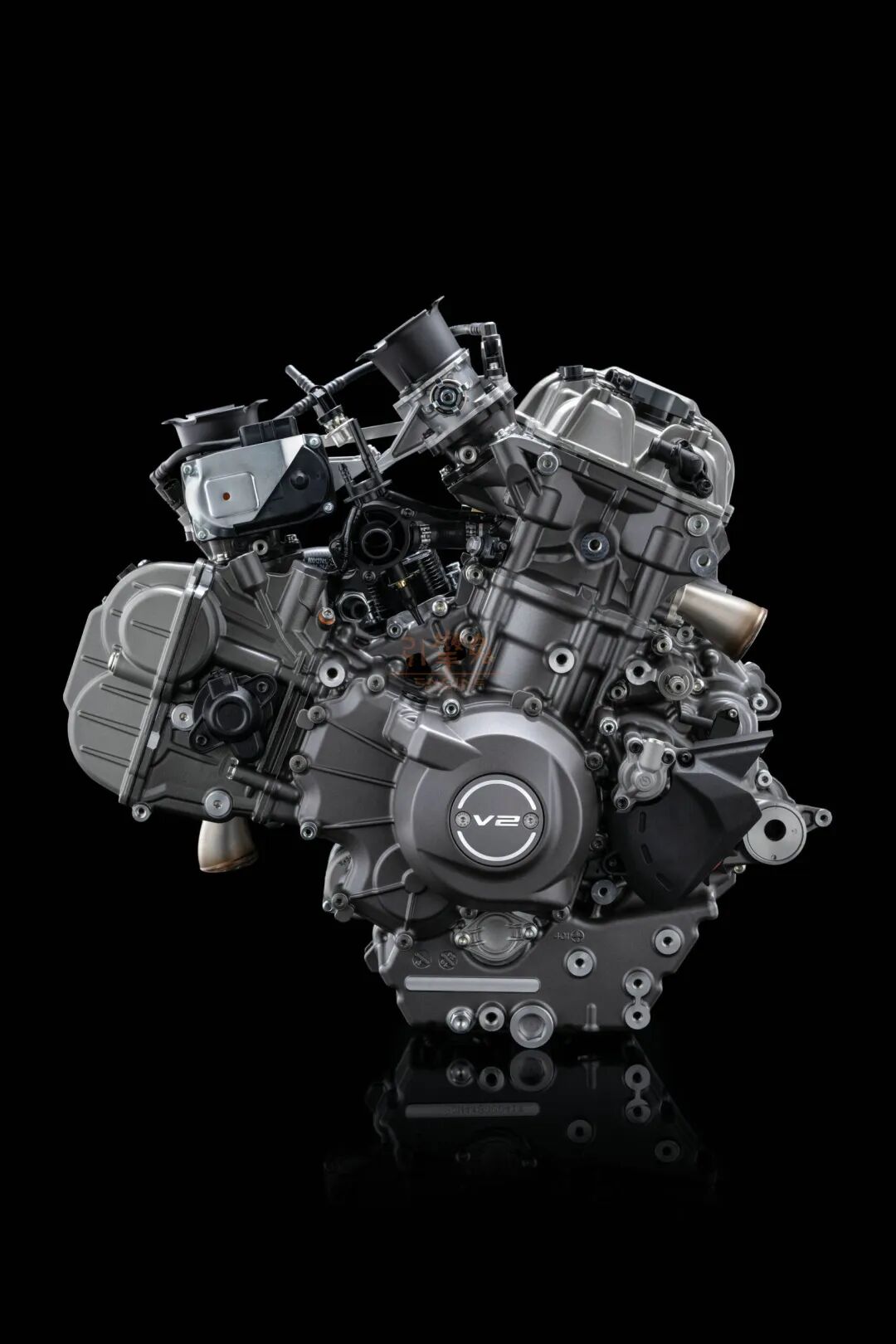
New 90° V2 engine
The most anticipated upgrade for the new Multistrada V2 is undoubtedly the 890cc V-twin engine. Although both are called “V2,” do not be misled by the name, as the old model used an L-type twin-cylinder, while the new model features a true 90° V-cylinder design. The displacement is 47cc less than the old model, but the power has increased to 85kw (115.6 hp) at 10,750 rpm. Although the torque has decreased to 92N.m at 8,250 rpm, Ducati emphasizes that “70% of maximum torque can be unleashed at 3,500 rpm,” and the engine stroke in first and second gears is shorter, equipped with Ducati’s DQS 2.0 quick shifter, which means low-end response will be more suitable for daily commuting and long-distance touring.
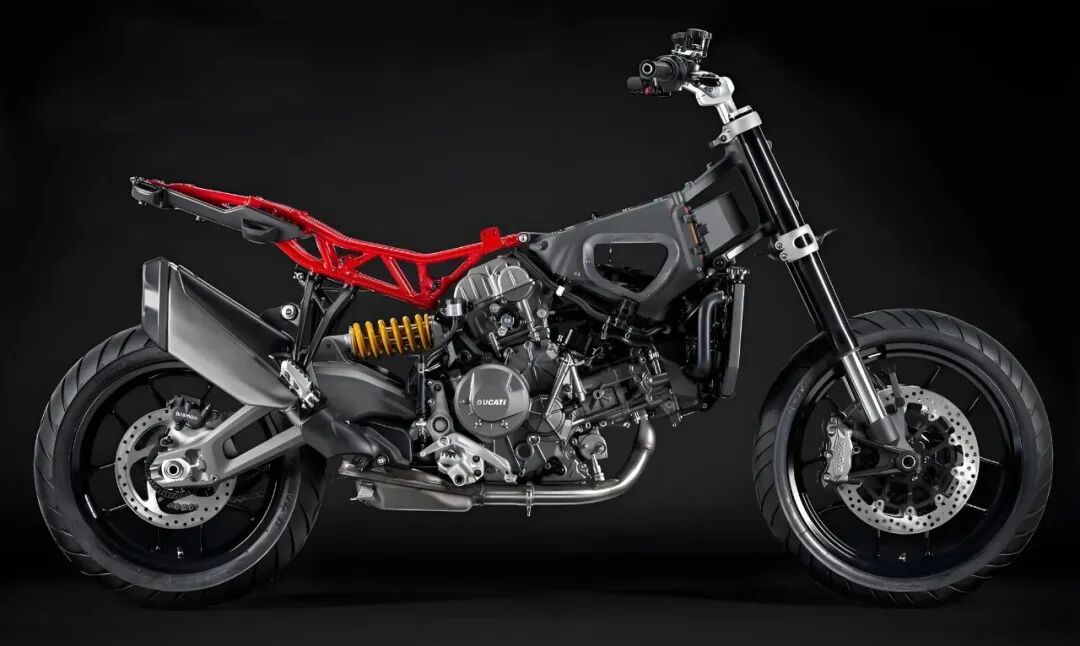
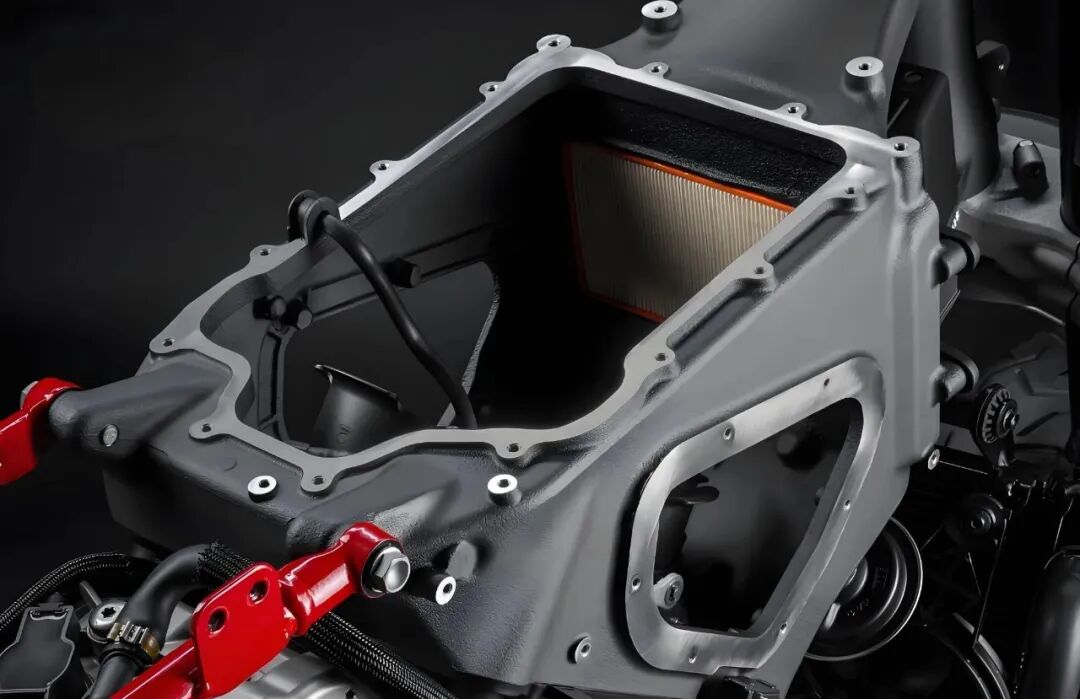
More crucially, the “lightweight” aspect is emphasized, as the new engine adopts a short-stroke design with a larger bore and higher RPM, combined with an aluminum monocoque frame (which directly uses the engine as a load-bearing component), reducing the curb weight to 199 kg (dry weight), which is 18 kg lighter than the old model. The improvement in handling agility will be immediately noticeable, whether maneuvering at low speeds or cornering at high speeds. Even the rear swingarm is designed with a hollow shape, and the main frame has been modified for the new heart (using an aluminum monocoque structure for the main frame and a steel tube subframe, with an airbox hidden inside the main frame), with every design element serving the purpose of “weight reduction.”
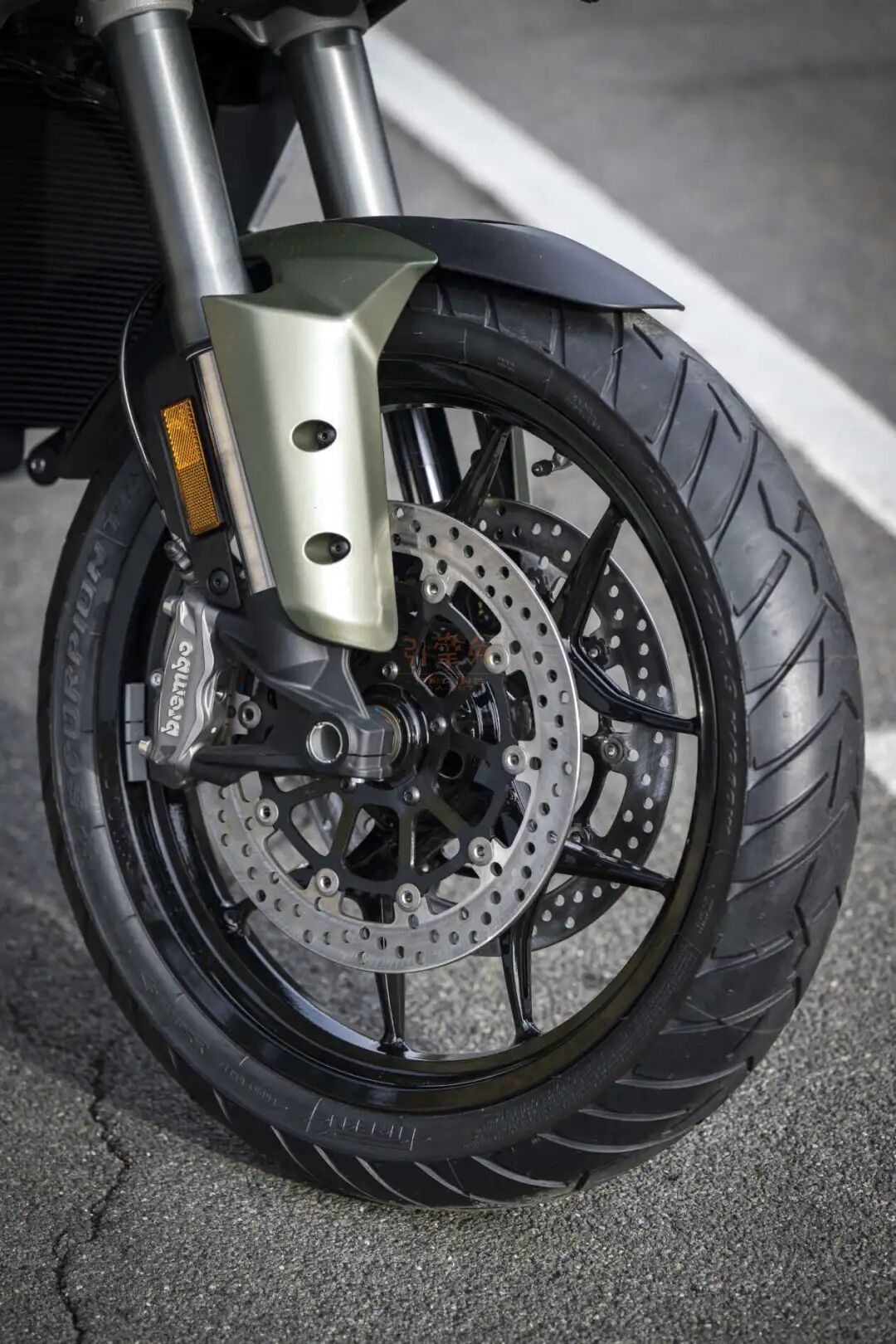
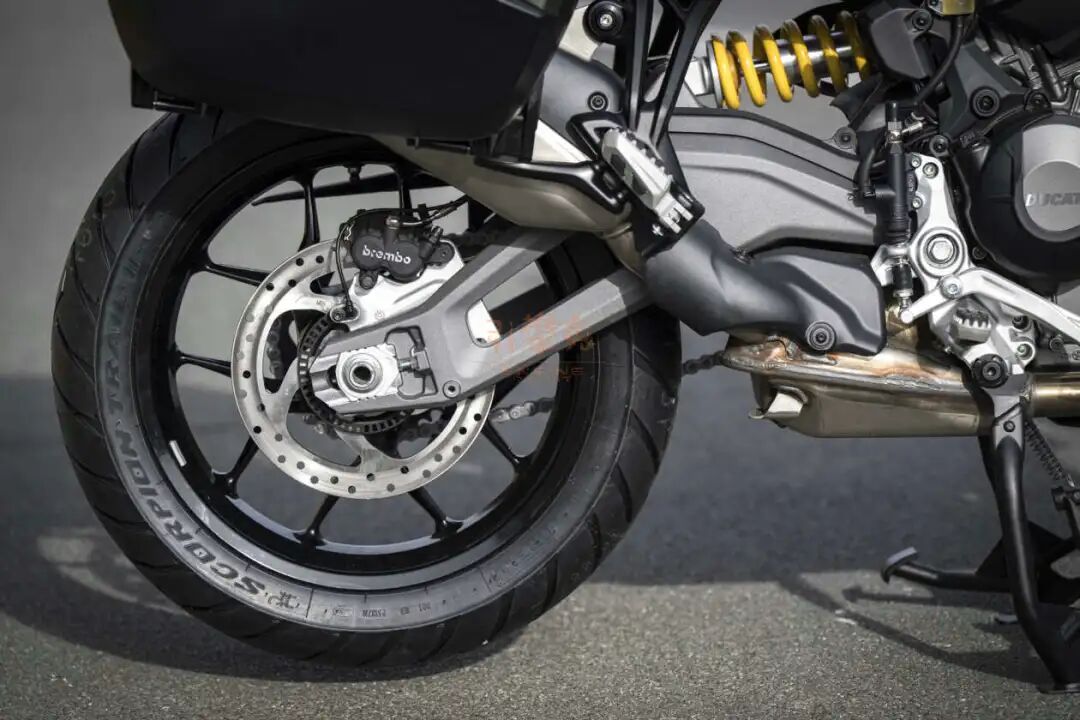
In terms of chassis, it is equipped with Marzocchi’s inverted front forks with 170mm travel and Sachs adjustable rear shock; the S version features a Skyhook semi-active suspension system that can be adjusted independently in riding mode. The braking system consists of dual 320mm front discs with four-piston calipers and a single 260mm rear disc with a floating dual-piston caliper, with calipers provided by Brembo.
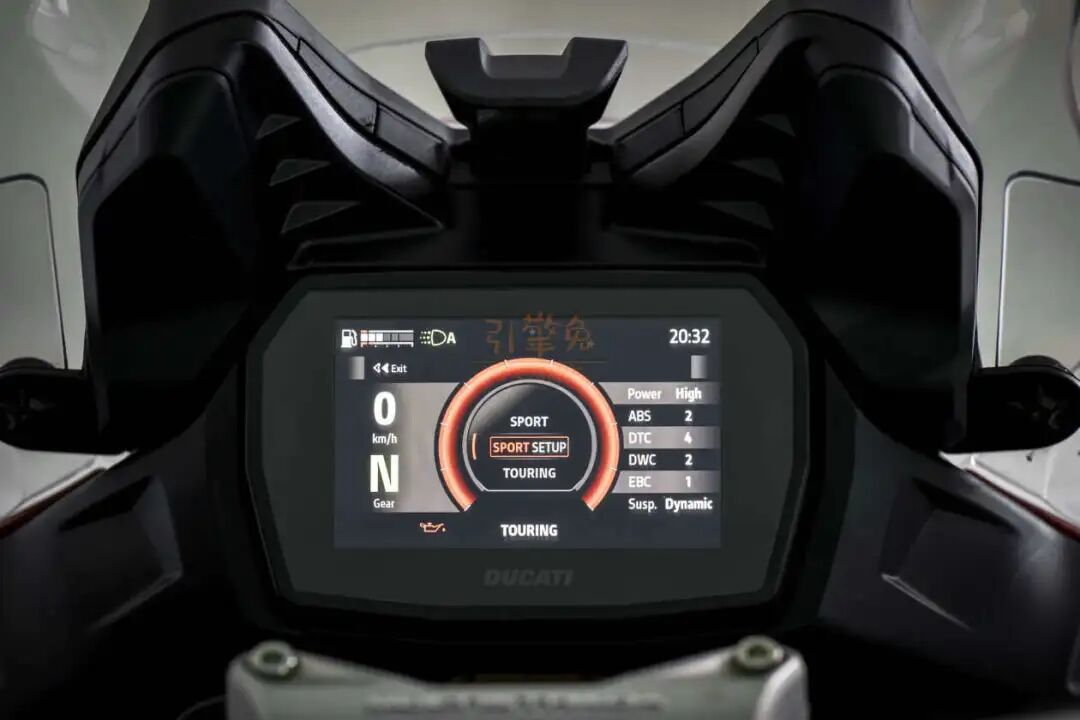
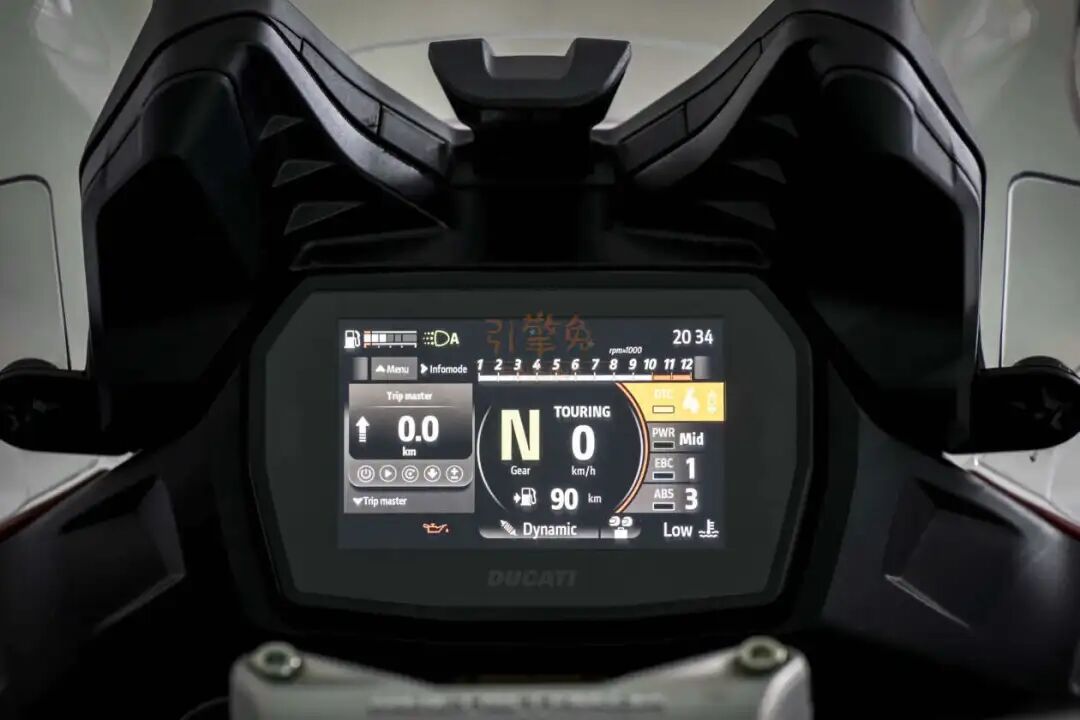
As Ducati’s flagship model, the new V2’s electronic configuration is also impressive. It features five riding modes (Sport/Touring/Urban/Enduro/Wet), four power modes, along with cornering ABS, traction control (DTC), front wheel lift control (DWC), engine braking control (EBC), and adjustable ABS (three levels), all of which help riders quickly get accustomed to the bike. The redesigned 5-inch TFT display, with the S version supporting Ducati’s multimedia system and turn-by-turn navigation, has optimized button logic for easier operation even with gloves on.
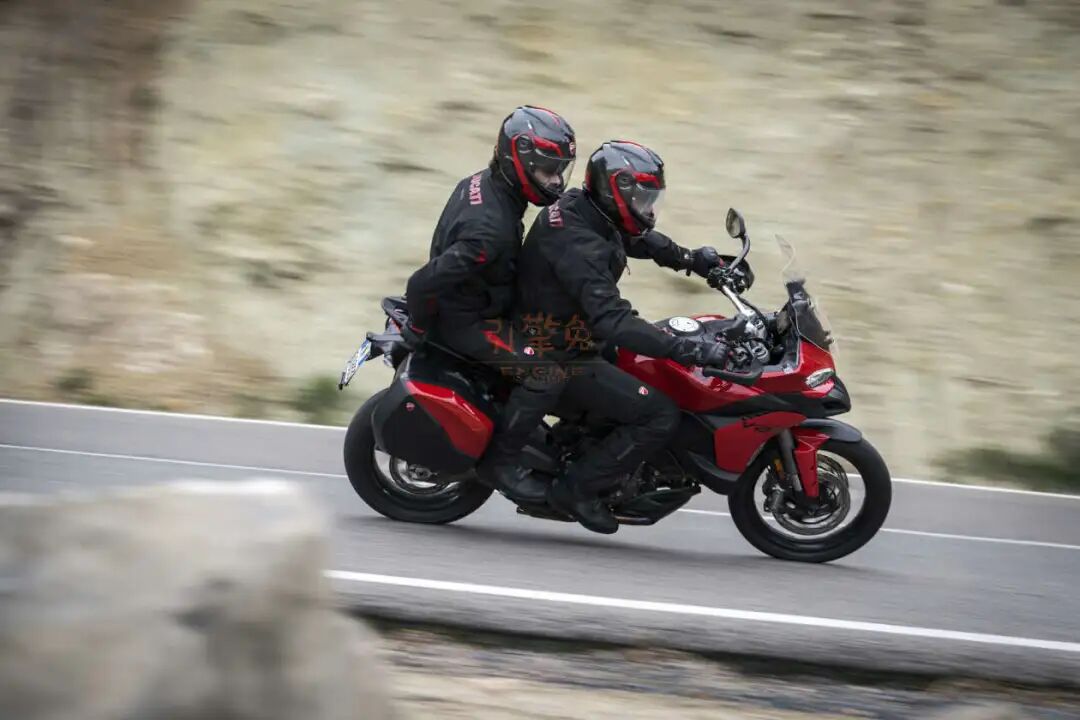
The upgrades in comfort also address user pain points, with a seat height of 830mm and a narrowed midsection, making it easier for shorter riders to reach the ground. The redesigned passenger seat increases legroom, and the fuel tank has a capacity of 19 liters. Heat dissipation has also been optimized—horizontal air deflectors direct fresh air towards the legs, reducing the awkwardness of “burning legs” during long rides.
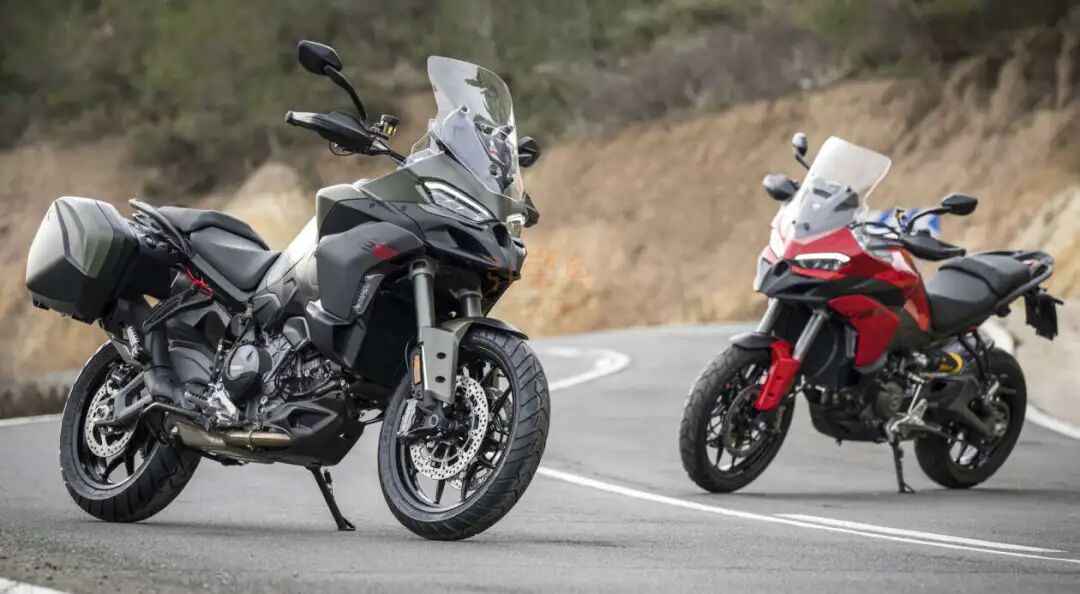
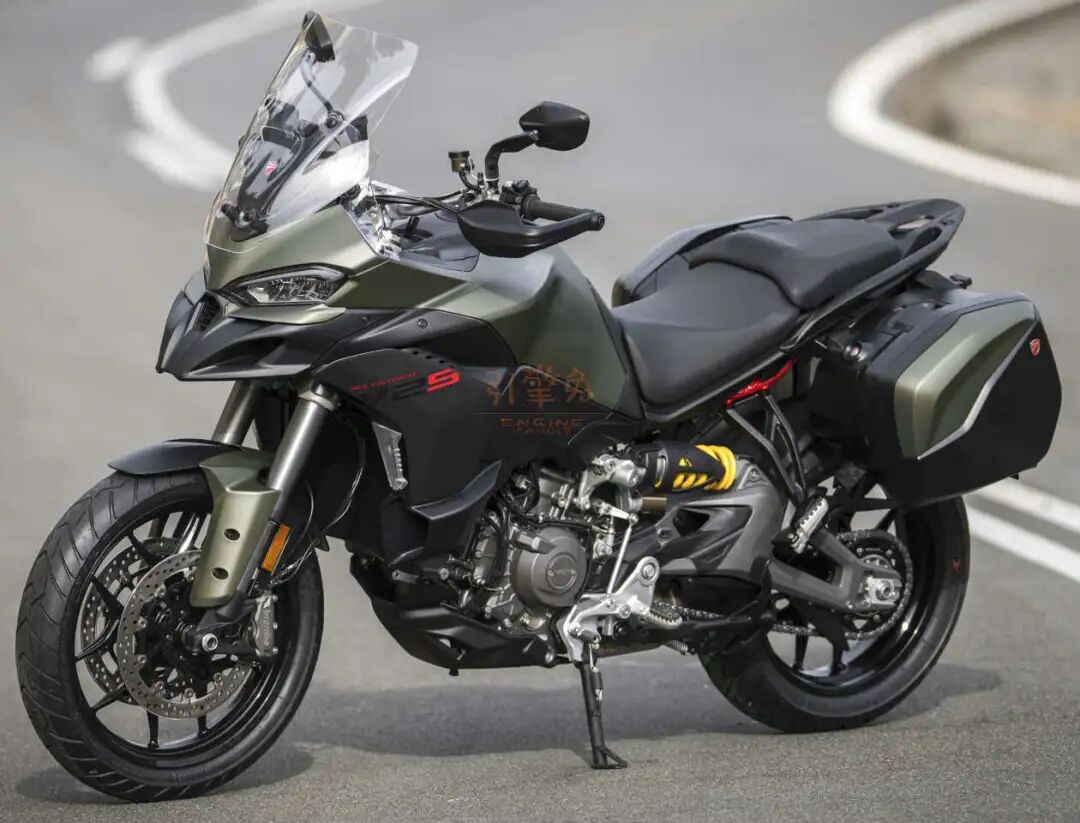
The prices of the three models are quite noteworthy: the red standard version is priced at 137,900, the V2S green version at 157,900, and the V2S red version at 155,900. Compared to the old model’s launch price, it has hardly increased, but don’t forget that the old model was later discounted to below 100,000 to clear inventory. This “return to original price” pricing will face many challenges in the domestic market.
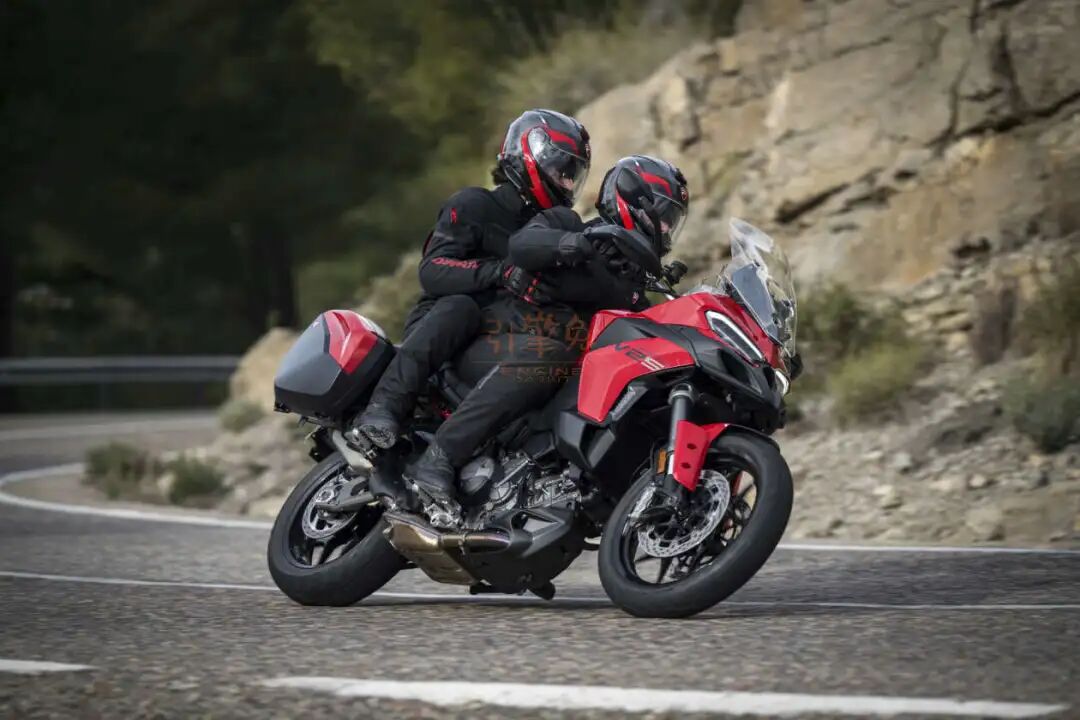
After all, at this price point, one can purchase competitors like the BMW F 900 XR (139,900) or even domestic high-end models like the CFMoto 800MT (around 60,000-80,000), which are also diverting budget-conscious users. Ducati’s brand premium is an advantage, but consumer sensitivity to “cost-effectiveness” is increasing. The core upgrades of the new model are solid enough, with the V-cylinder engine, lightweight frame, and a full suite of electronic controls, all of which are hard to match in the same class, but comparing it to the old model’s price drop is another story.
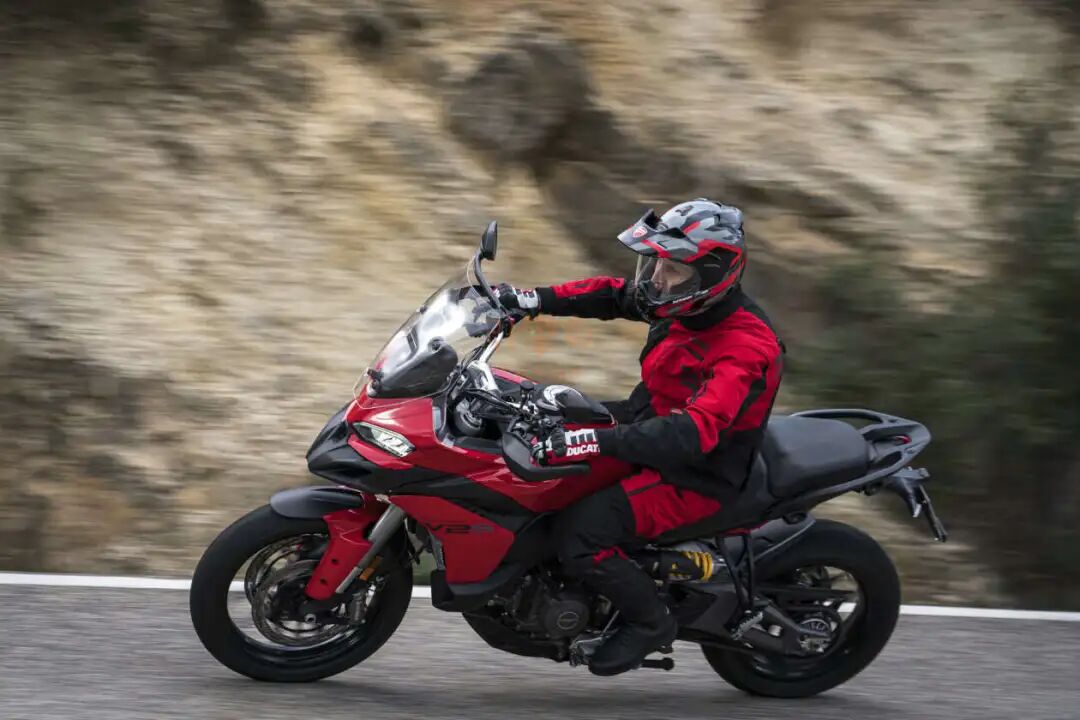
If you are a loyal Ducati fan looking for a versatile bike that can commute, tour, and occasionally carve corners, the new Multistrada V2 is undoubtedly worth considering. It is lighter, faster, and smarter than the old model, yet retains Ducati’s signature aggressive character.
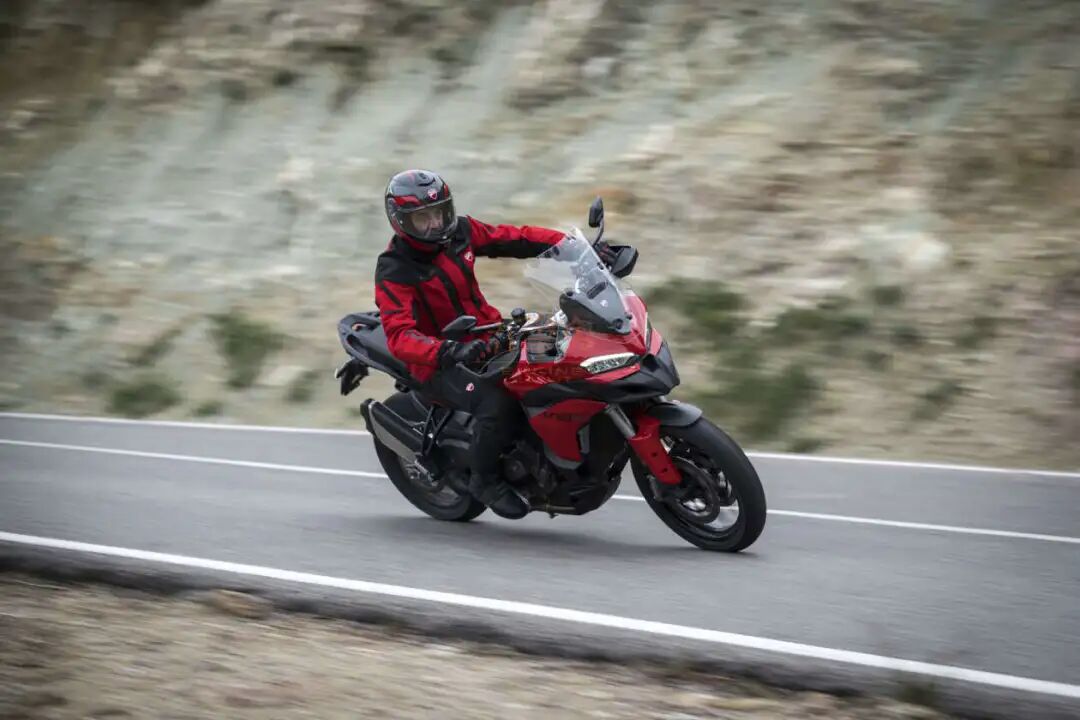
Regardless, the arrival of this new bike adds more excitement to the mid-weight touring market. Moreover, Ducati in 2025 is adopting a more pragmatic approach to appeal to riders who pursue performance while valuing practicality, showing sincerity, but whether it will be accepted remains to be seen in the market.