I recently picked up the top-spec Tanyue 280, what issues might this dry dual-clutch transmission encounter? I’m also considering tuning the ECU to stage one, and I’ve heard it can reduce low-speed jerkiness. Is this reliable, expert?
A –The dry dual-clutch transmission may develop issues like abnormal noises and noticeable jerkiness over time due to design flaws, but these are common problems with dual-clutch systems. Volkswagen’s dual-clutch is considered top-tier in the market, and if theirs has issues, other brands are likely to have even more.
Tuning the ECU does have some effect, but most of the time it primarily boosts power; I haven’t heard of it significantly reducing transmission jerkiness. Generally, the higher the price, the better the effect, as you get what you pay for. Typically, mid-range options offer better cost-performance ratios, with 35hp being more reliable. Additionally, if you tune the ECU, the vehicle’s maintenance intervals may shorten, and fuel consumption may change, so be prepared for that.
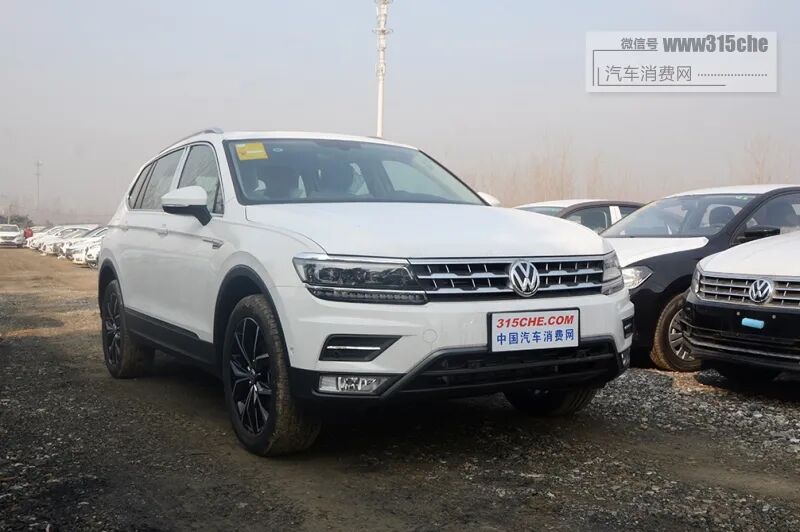
Could you tell me the differences between the 2019 and 2020 Tiguan L? Which one do you recommend?
A –Basically, every car undergoes an annual facelift, which is mainly for marketing purposes and doesn’t usually involve significant changes, just minor adjustments in configurations and slight exterior modifications (like adding some chrome trim).
The 2020 Tiguan L is a prime example of such a facelift, showing almost no changes compared to the 2019 model. If the 2019 model has a larger discount, it’s perfectly fine to choose it; the 330TSI automatic two-wheel drive panoramic comfort or the 330TSI automatic two-wheel drive intelligent luxury offer great value.
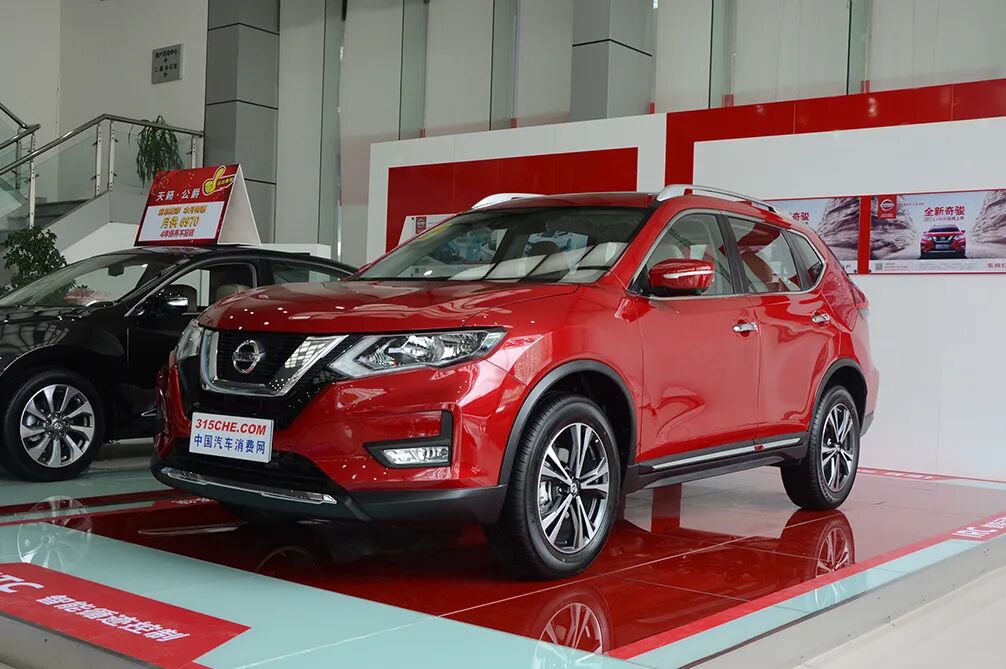
What do you think of French cars, like the Citroën C5 Aircross? Also, the 2021 X-Trail has more features; I’m torn between the X-Trail 2.5L second-highest trim and the C5 flagship. I plan to keep the car for at least six years in a second-tier city. Please give me some advice.
A –Between the two options, if both are high trims, I personally lean towards the Nissan X-Trail. It offers seven seats and four-wheel drive, with a central differential lock, which justifies its price. Additionally, it has lower fuel consumption. However, the four-wheel drive may not be very meaningful for city commuting. As for the C5 Aircross, it has a turbocharged engine, which provides more power, and the 6AT transmission is quite versatile, but the lack of four-wheel drive in a vehicle priced around 200,000 yuan is a drawback. Moreover, it has many shortcomings in terms of configuration, even in the top trim.
Overall, if you insist on buying a high trim, I personally prefer the X-Trail, as long as you’re not in extremely cold northern regions, the CVT cold protection shouldn’t be too bothersome. However, I would still recommend saving money by opting for a lower trim of the C5 or choosing a lower trim from another brand; there are many joint venture SUVs under 200,000 yuan that can meet your needs.
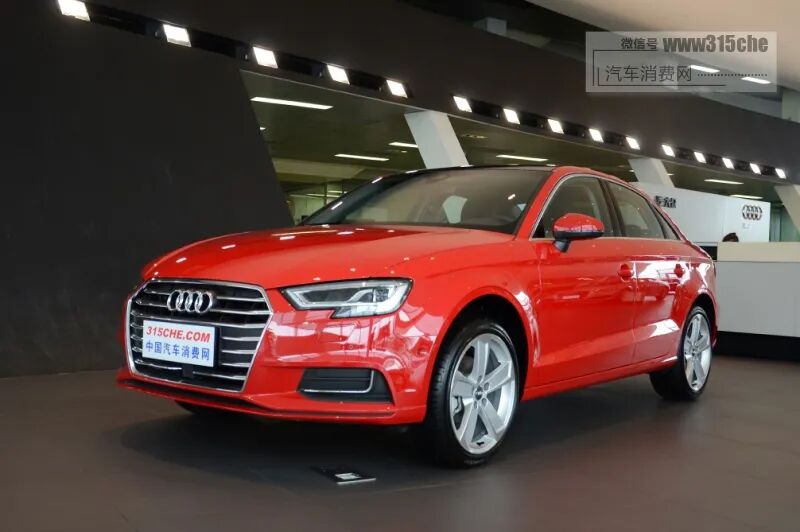
Can you evaluate the Audi A3? A friend just bought the hatchback version, and I’ve been in it a few times; it seems decent, and the trunk space looks okay, mainly because of the big discounts.
A –The Audi A3 is built on the Volkswagen MQB platform, making it compact with limited space. The dynamic tuning is quite user-friendly, and the Volkswagen 1.4T + 7-speed dual-clutch transmission offers good power performance, quick downshifts, and excellent fuel efficiency, making it suitable for daily commuting. If you need more space for family use, I recommend opting for a larger, more spacious mid-size joint venture car. However, if you prioritize brand and personal commuting, the A3 is quite suitable. The new generation A3 is also coming soon, and the current model is heavily discounted, making it a great value choice.
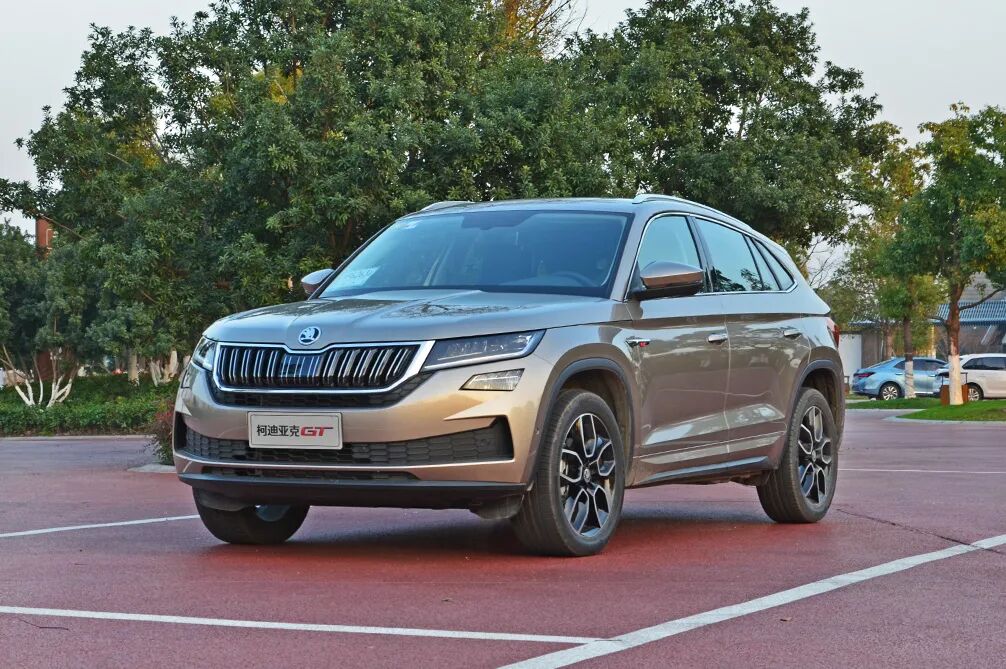
Can you discuss the Volkswagen Tayron and Skoda Kodiaq GT? I’m mainly considering family use, and sufficient power is all I need. Which one is more recommended for long-term use without changing cars frequently?
A –If you’re pursuing cost-performance, the Kodiaq is the better choice. Both have the same powertrain, and the 2.0T low-power version is sufficient for daily commuting, with direct power response and a chassis tuning that reflects Volkswagen’s characteristics, with no major flaws. For long-term use, I recommend driving gently to avoid aggressive driving and frequent shifting, as it is a dual-clutch transmission, and a little care can extend its lifespan.
As for other details, the interior materials are a bit lacking, and the functional configurations cannot compare with domestic cars. This car can already be discounted by over 20,000 yuan, with mid-range configurations available for under 180,000 yuan, while the same configuration for the Tayron would cost at least 200,000 yuan.
Previous Reviews:
Is the DSG jerkiness really that severe?
Is it necessary to install chassis armor?
How to choose between Camry, Avalon, and Accord hybrids?
I’ve heard CVTs are not durable; how should I maintain them daily?
Why is there so much criticism of Korean cars in China? Are they really worse than domestic brands?
How to choose between the GAC GS8 and the Tang fuel version, both seven-seaters?