On the afternoon of July 5, the 2023 Global Digital Economy Conference’s Industrial Internet Innovation Development Forum was successfully held in Beijing. This forum was organized by the Global Digital Economy Conference Organizing Committee, hosted by the Beijing Software and Information Service Industry Association, supported by the Beijing Association for Science and Technology, and co-organized by the Beijing Collaborative Development Service Promotion Association. Academician Wu Hequan of the Chinese Academy of Engineering attended the forum and delivered a keynote speech titled “Strengthening the Foundation of the Industrial Internet.” He pointed out that the personalization of the industrial internet is mainly reflected at the field level, with the focus and difficulty lying in the field-level industrial control systems.
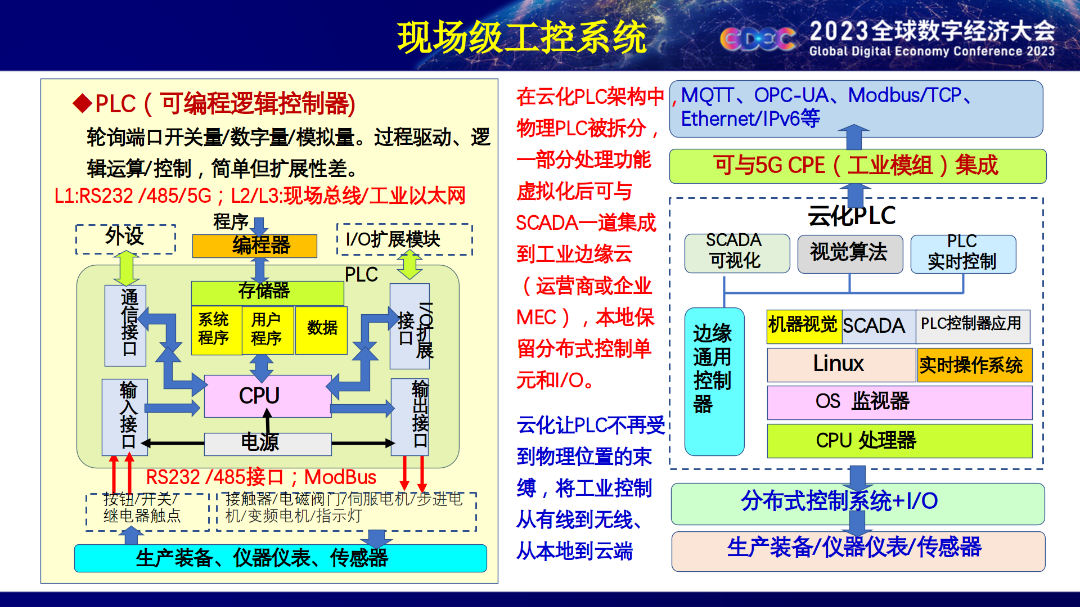
Academician Wu Hequan stated that industrial control systems are the foundation of the industrial internet and are crucial for its development. The field-level industrial control systems of the industrial internet include industrial control units, such as DCS/PLC, which can be transformed into logic controllers, the embedded software supporting the industrial control units, as well as the field operating systems and communication protocols.
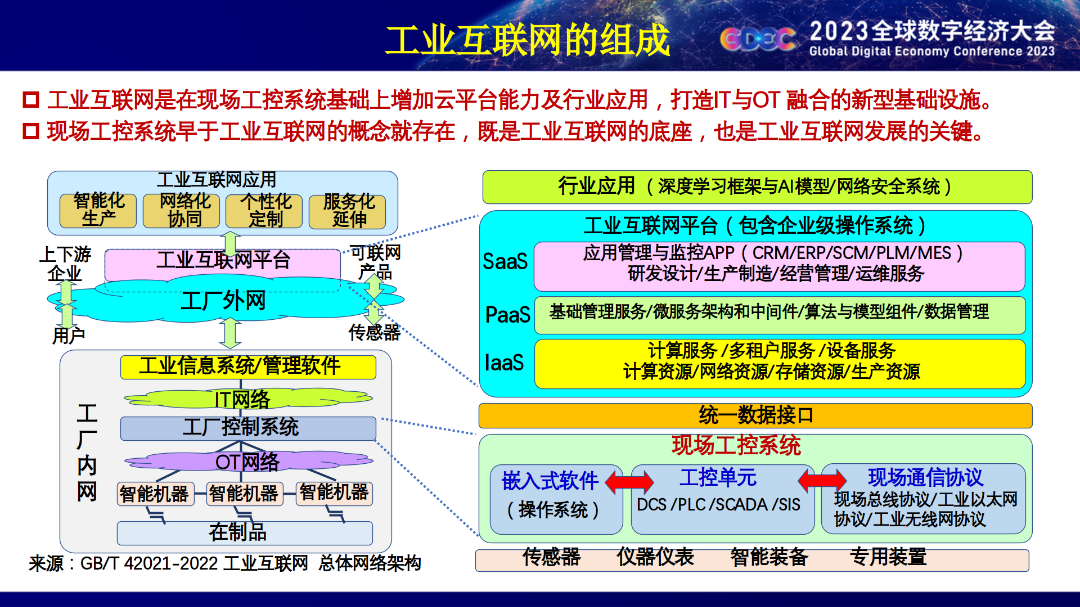
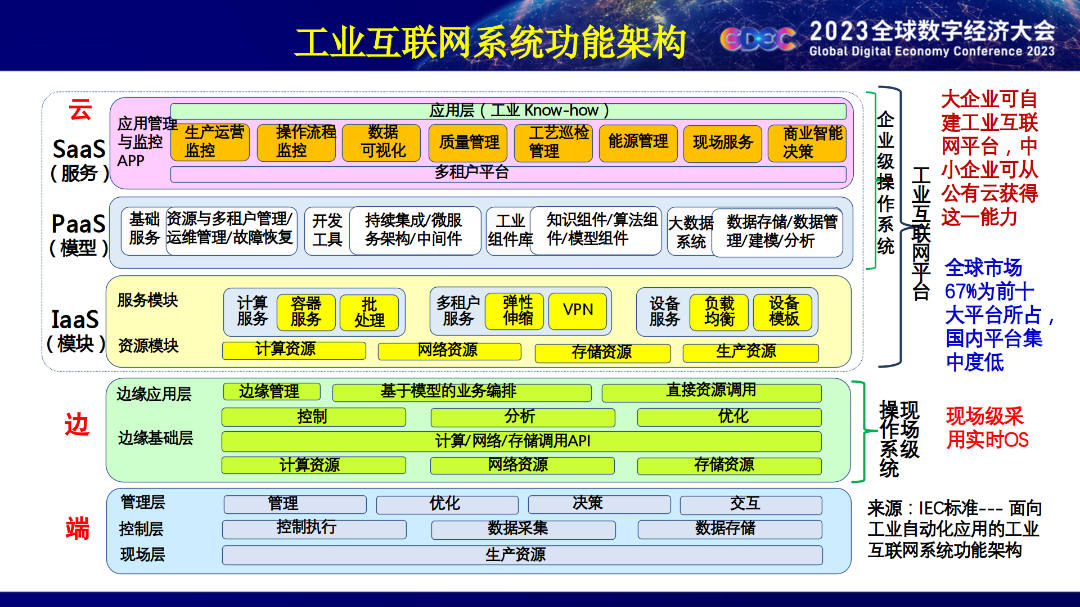
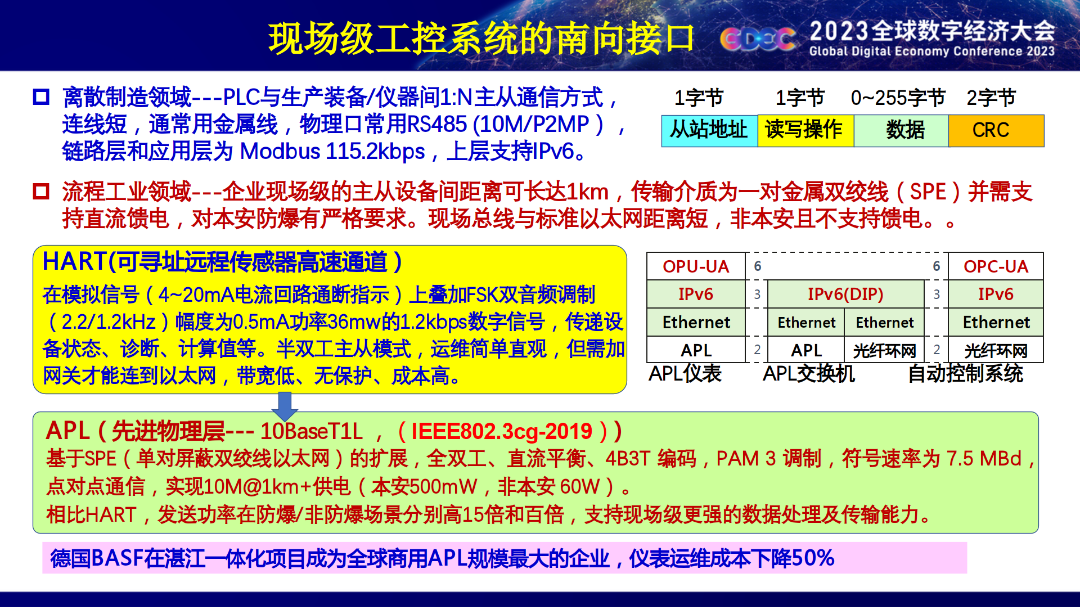
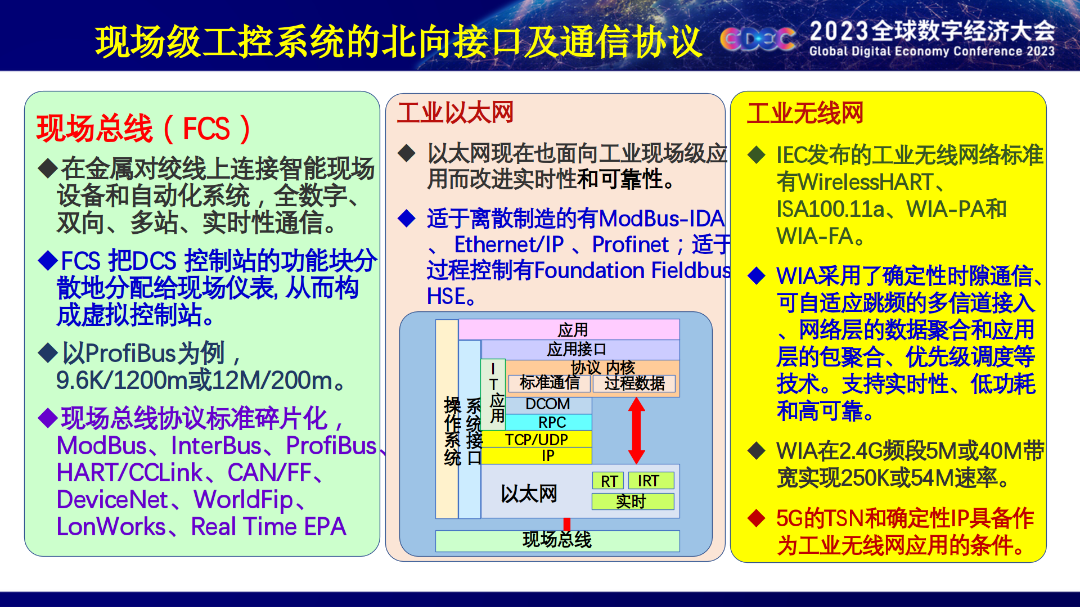
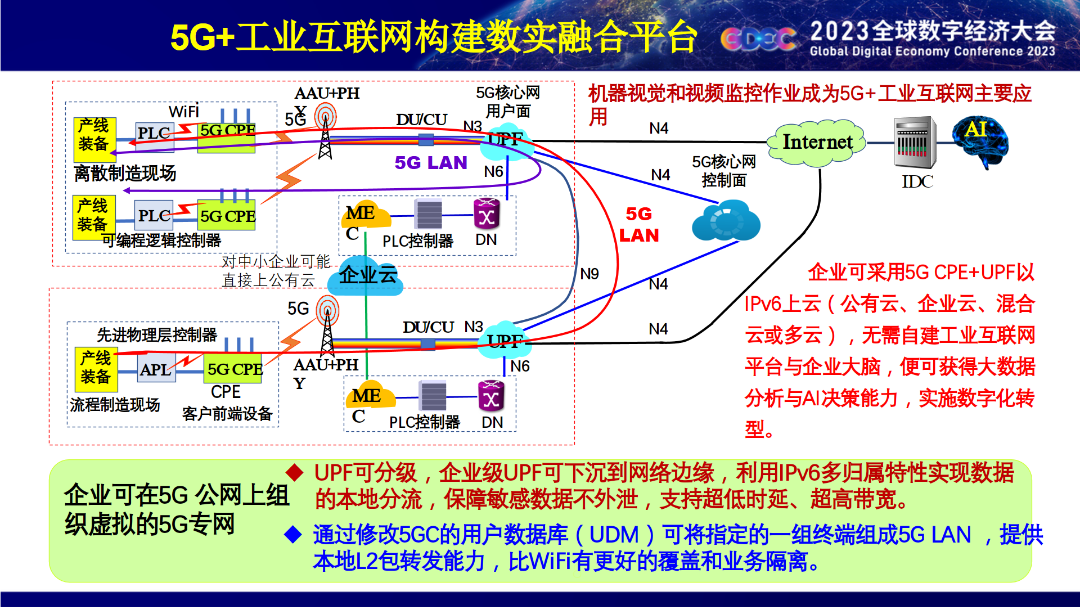
The industrial internet platform is essentially a cloud platform, which includes IaaS, PaaS, and SaaS. Among these, PaaS combined with SaaS forms the industrial internet operating system, which consists of two operating systems: the lower-level field operating system and the upper-level enterprise operating system.
The lower level connects to various production equipment, instruments, and more. The field operating system serves as the edge layer, primarily functioning as a real-time operating system, with a focus on embedded operating systems. The industrial internet platform, in addition to IaaS as a basic module, has SaaS and PaaS supporting models and services, together forming the enterprise-level operating system.
Academician Wu Hequan believes that large enterprises can build their own industrial internet platforms, while most small and medium-sized enterprises can utilize third-party platforms through public clouds. Cloud computing can break physical limitations, extending industrial control from local to cloud, enabling remote maintenance.
According to global market statistics, the top ten industrial internet platforms globally account for 67% of the market share of industrial internet platforms. Academician Wu Hequan revealed that there are currently over 200 well-known industrial internet platforms in China, but the concentration of domestic platforms is relatively low.
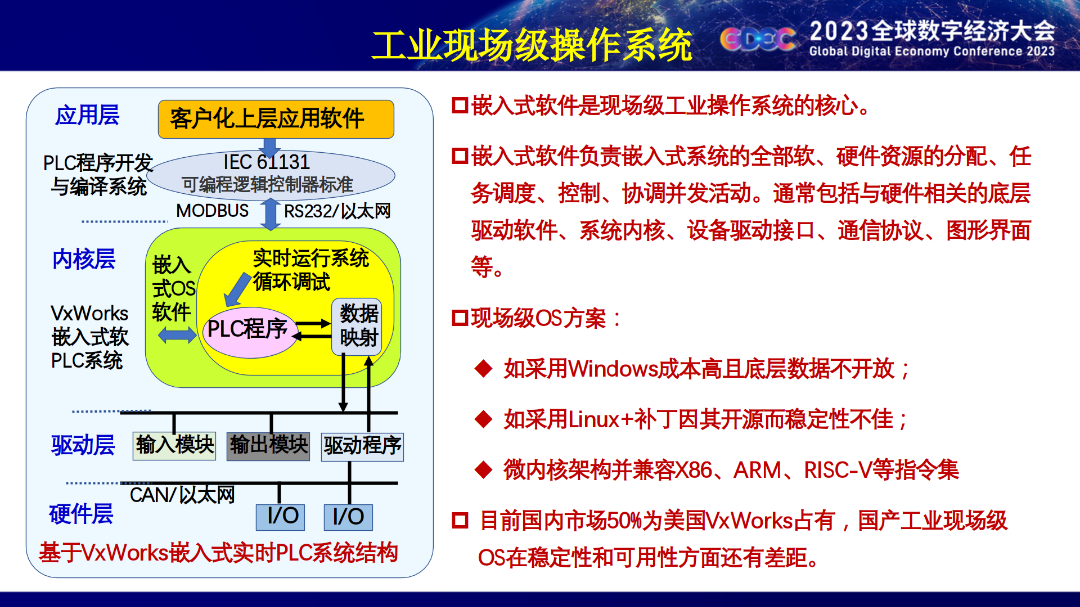
Moreover, the industrial operating system is embedded software, primarily responsible for the allocation of all hardware and software resources of the industrial control system, task scheduling, and control. Currently, more than half of the industrial operating systems used in China are based on the American VxWorks, while domestic field-level industrial operating systems still need to improve in terms of stability and usability.
The development of field-level industrial control systems faces two major challenges
Academician Wu Hequan summarized that the personalization of China’s industrial internet is mainly reflected at the field level, with the focus and difficulty also lying in the field-level operating systems.
In his view, field-level operating systems face two major challenges: they are not a blank slate, with fragmented standards, insufficiently open protocols, and difficulties in integrating IT and OT. These issues existed before the advent of the industrial internet, making it challenging for new internet technologies to penetrate; in the existing field-level industrial operating systems and industrial control systems, there is a lack of independent products.
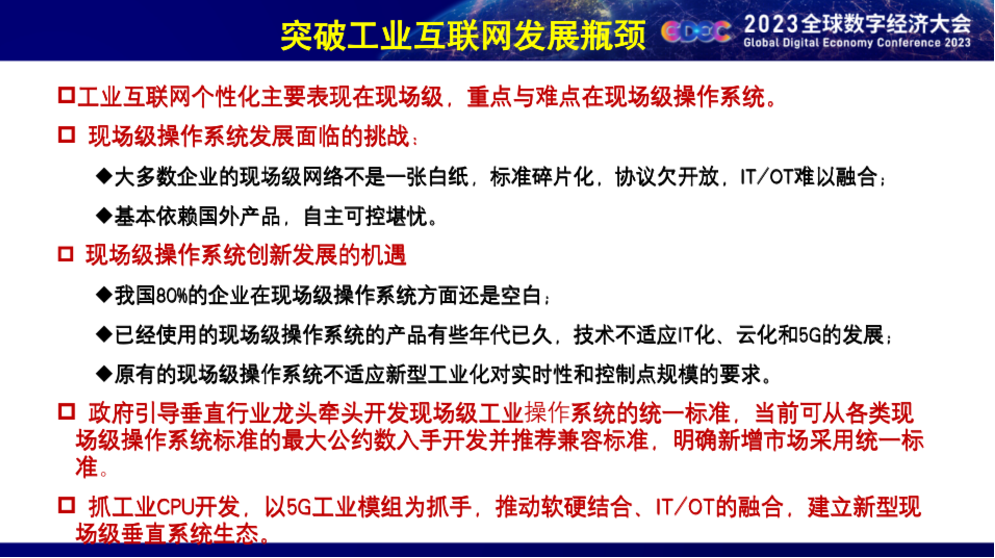
Despite the challenges, China’s industrial internet still faces many opportunities. 80% of enterprises in our country, especially small and medium-sized enterprises, are still blank in terms of field-level operating systems. Some enterprises that have already used field-level operating systems are using outdated technologies that do not adapt to IT, cloud, and 5G developments. Now is the time to update field-level operating systems and industrial control systems.
Academician Wu Hequan suggested that the government guide leading enterprises in vertical industries to take the lead in developing standards for field-level industrial operating systems, and that enterprises in vertical industries should adopt new unified standards for newly added industrial control systems.
Finally, Academician Wu Hequan called for the industrial operating system to be integrated with industrial CPUs in an open manner. Now is the time, leveraging 5G industrial modules, to recommend a combination of software and hardware, integrating IT and OT, and establishing an ecosystem for vertical systems.
Source: Beijing Software Association
PS

近期装备制造大航海的部分成果


1、装备制造业有三个孤岛需要突破

2、PHM在军工、装备行业市场和应用分析—工业茶馆7期
3、装备制造业数字化转型需要关注的12个方向—工业茶馆8期

4、装备制造业数字化转型动机和规划思路分析—工业茶馆9期

5、双良集团:从传统智造到数智服务跃迁—数字化转型故事第3篇

6、对话ChatGPT | 关于装备制造业数字化转型的破局之路,我们谈了这些

7、装备制造数字化转型方向(一):打造WBS-PMRP两级一体化的计划协同平台,探索项目型制造数字化最优解

8、装备制造数字化转型方向(二):订单按期交付率低?高效生产的数字化处方来了

9、装备制造数字化转型方向(三):贯通设计、工艺数据,实现设计、制造、管理一体化

10、装备制造数字化转型方向(四):全局优化保齐套,科学装配稳交付
11、装备制造行业定义、国民经济行业分类及转型有术大航海中行业分类
12、对话ChatGPT | 关于装备制造业数字化转型的破局之路,我们谈了这些
13、中国MES服务云图—装备行业梳理第1期
欢迎大家加入装备行业群进行沟通.需要加入群的请联系colin微信(im2025)。
以下行业可以加入:1.航空装备;2.卫星制造与应用;3.轨道交通设备制造;4.海洋工程装备制造,船舶;5.智能装备制造;6.军事装备;7.重型设备、成套设备;8.工程机械;9.智能设备(机器人、数控机床、自动化成套产线,仪器仪表等);