Editor’s Note
When we decided to present this full research report from Japan’s NRI to Chinese readers, we hesitated—it’s neither stunning nor cutting-edge; it lacks technological breakthroughs and new platform paradigms. It is merely a research institution exploring the old-fashioned topic of whether “AI recommendations and robotic services will change travel decisions” through a questionnaire.
However, precisely because of this, it is worth pausing to take a look.
In Chinese cities, where digital touchpoints are highly prevalent and governance methods are increasingly complex, we are often surrounded by various “innovative elements” but rarely reflect on whether the structure itself is genuinely being disrupted.
This social survey does not provide an “ultimate solution” but offers a replicable way of thinking: How can lightweight means trigger structural changes? How can recommendation mechanisms simultaneously fulfill multiple functions of “behavior regulation, service organization, and trust rebuilding”?
This type of research may be an important starting point for future micro-innovations in systems.
Digital Touchpoints in Japanese Travel Scenarios
Part 1

Survey Background Explanation
The Nomura Research Institute (NRI Japan) conducted an internet questionnaire survey to study the potential of promoting local tourism through digital touchpoints, as well as the feasibility of using self-service or robotic services as alternatives to human services in travel-related services (transportation, experiences, accommodation, dining).
The survey results show that through AI recommendations and incentive measures such as point rewards, about half of the respondents indicated they might adjust their original travel plans; at the same time, even when services are provided by self-service or robots at the destination (as a response to labor shortages), some travel projects may still be accepted due to their service form or price.
These results indicate new possibilities for travel services that break traditional models in the following two aspects:
1. Guiding tourists from overly crowded areas to other cities or regions
2. Providing new service methods at the destination through self-service or robotic services
Note: The data mentioned in the following text comes from the social survey results, and the charts are analyzed and drawn by NRI Japan.
1. There is no significant difference in the usage rates of “map applications” and “route searches” across age groups; however, the usage rate of “booking and payment services” is higher among younger groups.
In the survey question regarding the use of smartphone services for domestic travel in Japan, the usage rate of “map software” exceeds 90% across all age groups, becoming a universal living infrastructure; additionally, the usage rate of “route searches” exceeds 60%. This indicates that services centered on information collection (provision) show no significant differences across different age groups.
On the other hand, for services such as “dining search and booking,” “accommodation booking,” “combined accommodation and transportation booking,” and “activity/experience booking,” the usage rate declines with age. This may be due to the fact that these services, in addition to information collection, also involve booking and payment processes, requiring detailed information input, including credit card numbers, which may pose psychological barriers and operational burdens for older users.
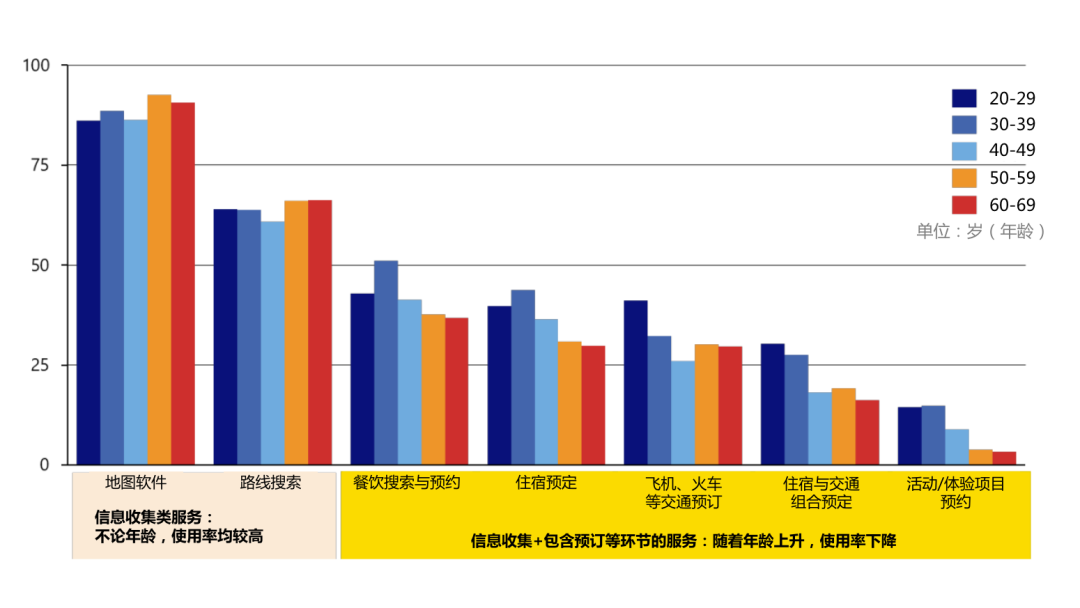
Chart 1: Smartphone Services Currently Used by Individuals
2. Older groups are more likely to use “traditional media,” while younger groups use “social media (SNS)” more.
In terms of information collection before travel (such as destination, itinerary, etc.), among all respondents, the highest usage rates are:
① Search engines
② Travel company official websites
③ Television and radio
Analyzing by age group reveals some significant trends:
As age increases, the usage rates of traditional media such as television and radio, newspapers, and travel company official websites are higher, with the 60+ group having the highest usage rate for “travel company official websites.”
Conversely, the media whose usage rates decline with age are all types of SNS, and this trend is consistent across different platforms. Notably, “Instagram” ranks second among the 20+ group, just after “search engines.”
This indicates that for the younger generation, travel is not merely a result of the traditional “first determine the destination, then make a plan” approach, but rather an extension of daily interests (such as following idols or hobbies). The importance of this thought process is increasingly recognized.
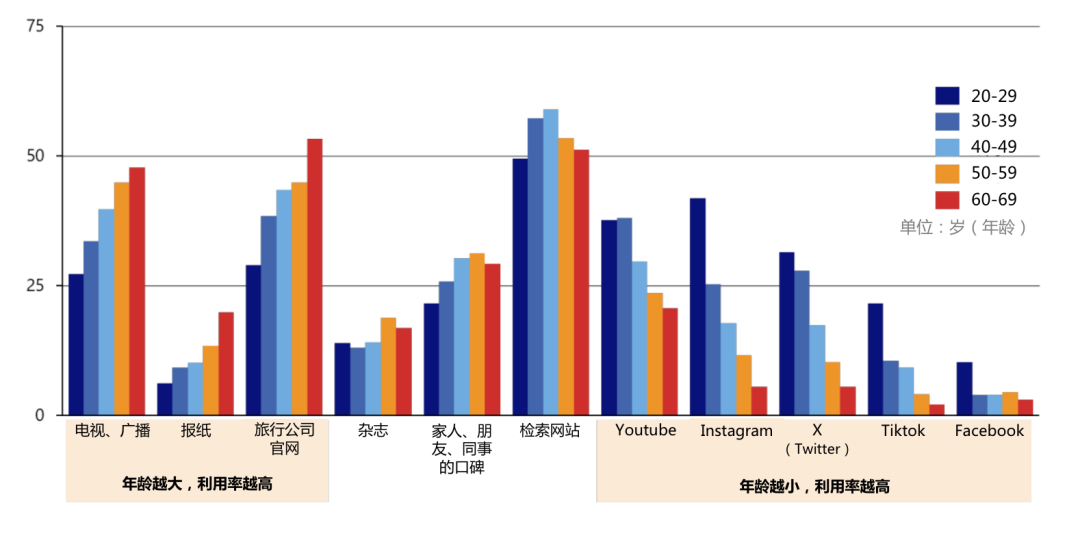
Chart 2: Media Used for Collecting Travel Information (Multiple Choices Allowed)
Acceptance of Recommendations Based on Personal Preferences
Part 2
In this survey, “recommendation” is defined as “the function of automatically presenting travel-related suggestions through AI and other means,” and research is conducted based on this definition.
1. Among the recommended content, “preferences and records of food and beverages” are the most valued; however, at the same time, 30% of respondents believe that “recommendations do not need to be based on personal preferences.”
When asked, “What information would you like the recommendation system to consider when planning domestic travel in Japan?” several trends emerged.
First, among all options, the overall highest demand, and the trend most pronounced across different age groups, is for “dietary preferences and related experiences.” Nearly 40% of respondents hope this information is reflected, and this demand becomes more evident with age.
Conversely, the elements related to daily life, such as “fashion, interior design, and lifestyle preferences,” receive more attention as age decreases, and this trend is consistent among younger groups.
Additionally, among the 30-40 age group, there is a higher demand for items such as “family structure and companions,” “annual income level,” and “past travel experiences,” indicating that they prefer recommendations that provide specific strategies and scenario information related to travel.
Notably, about 30% of respondents also indicated that they do not wish for any personal information to be used for recommendations, showing an overall negative attitude towards recommendations based on personal preferences. Therefore, when designing recommendation functions, it is necessary to consider the feelings and needs of this group.
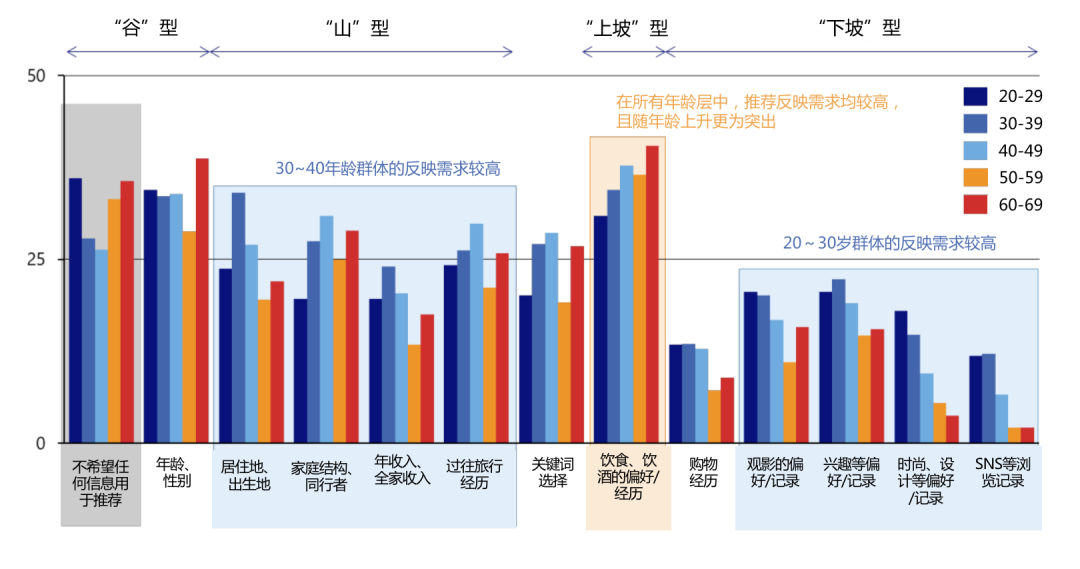
Chart 3: Information Willing to Use for Travel Recommendations (Multiple Choices Allowed)
2. Over 40% of respondents are willing to adjust travel content due to recommendations when receiving incentive measures such as point returns of 10% or less.
When respondents were asked, “In domestic travel in Japan, is it possible to change the original travel plan due to recommendations?” about 25% answered: “If I recognize the recommended content, I would consider trying even travel projects that were not originally planned.”
This question further inquired whether respondents would change travel arrangements with or without incentive measures (such as point returns or discounts). The results showed that under the conditions of “1%-5% discount or point increase” and “5%-10% discount or point increase,” the proportion of respondents willing to change travel content was nearly 50% among the 20 to 40 age group.
This indicates that if the system’s recommended content is convincing, even with relatively small (below 10%) discounts or point returns as incentive measures, it may prompt travelers to adjust their established itineraries.
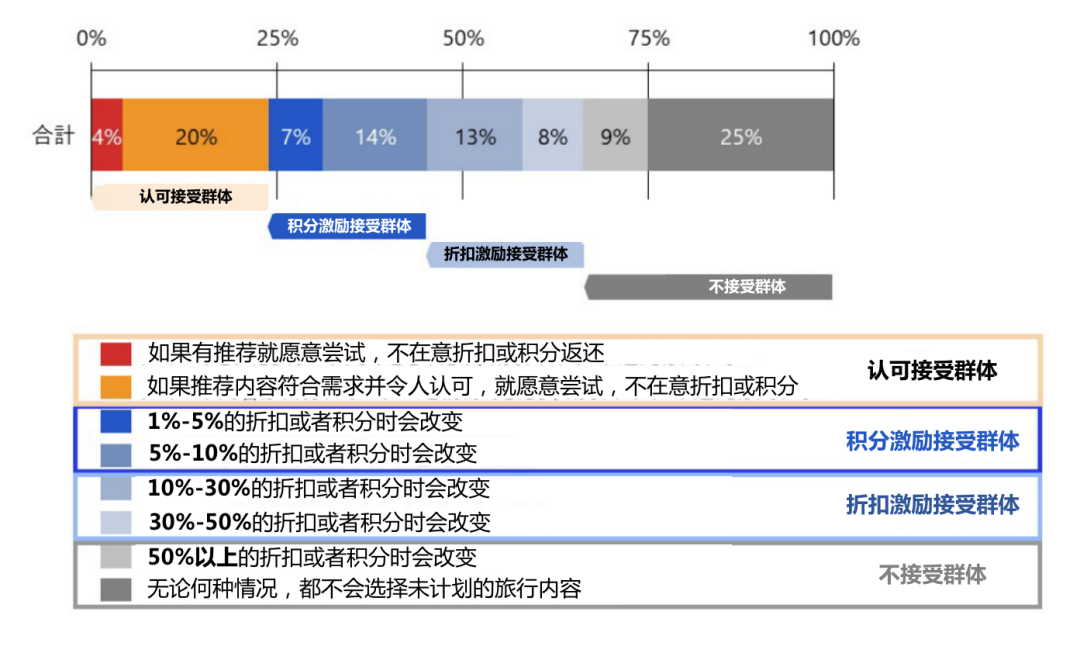
Chart 4: Willingness to Change Original Travel Content Due to Recommendations (Single Choice)
3. The most trusted channel for changing travel content due to recommendations is the official accounts of travel-related institutions.
In this survey, respondents were also asked which channels they feel are safe and trustworthy when booking and paying for recommended domestic travel in Japan. The results showed that the main channels rated as “very safe to use” are the official websites and accounts of travel-related institutions (travel companies, railway companies, airlines, accommodation facilities).
As shown in Chart 2, during the information collection phase, especially among the 20-year-old group, there is a greater tendency to use SNS rather than travel company websites. However, when it comes to booking and payment due to recommendations, even among the 20-year-old group, the official online channels of travel companies remain the most trusted choice.
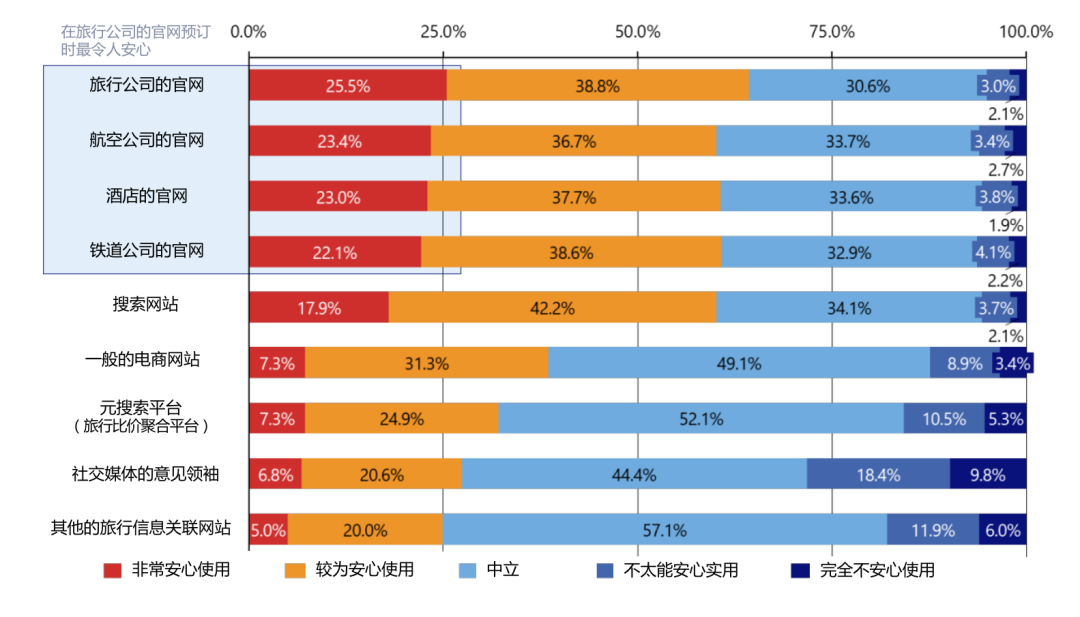
Chart 5: Trust Levels of Different Channels When Booking and Paying for Travel Content Due to Recommendations (Single Choice)
Acceptance of Self-Service and Robotic Services
Part 3
In domestic travel in Japan, the survey confirmed tourists’ acceptance of self-service and robotic services from several aspects:
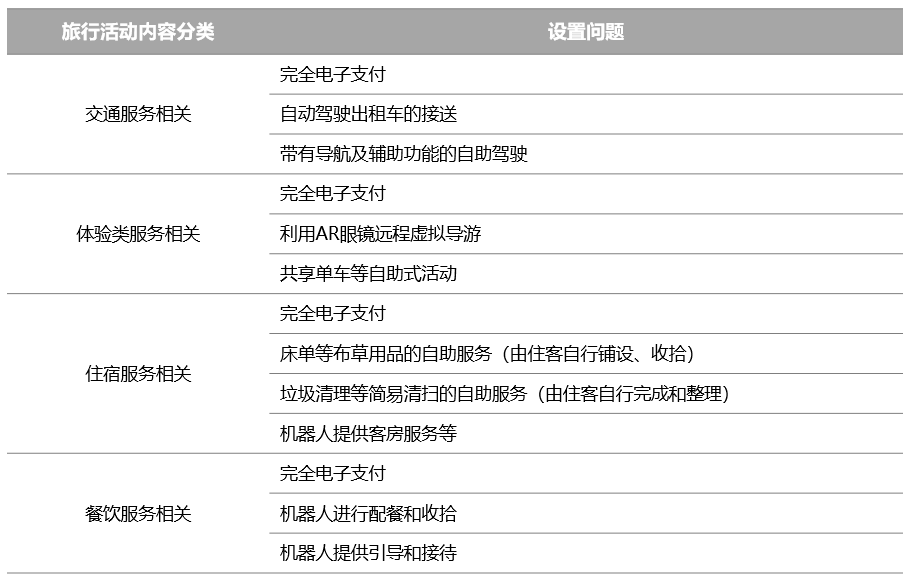
1. Considering “price factors,” over 60% of tourists hope to have self-service or robotic services in the dining and accommodation sectors.
Regarding the acceptance of “fully electronic payments,” regardless of the type of travel activity, about 40% of respondents indicated that they could accept completely cashless payments even without discounts or other benefits. This is related to the widespread use of payment methods such as transportation IC cards, suggesting that tourists have relatively low resistance to “cashlessness.”
From the perspective of different travel activity categories (transportation, experiences, accommodation, dining), some differentiated trends emerge.
Among all survey items, the option “depending on price” had the highest selection rate. In other words, more than 30% of people would accept self-service or robotic services due to price incentives. Particularly in accommodation, the acceptance rate for “self-service changing of bedding and linens” and “self-service simple cleaning” approaches 40%.
This indicates that even services previously considered “naturally provided by hotels” can be accepted by tourists if price options are offered. For service providers (such as accommodation facilities), this may help alleviate labor burdens and address labor shortages.
On the other hand, the group that answered “not very willing to accept” or “completely unwilling to accept” is highest in the transportation sector, followed by experiences, accommodation, and dining. This indicates that tourists are less willing to rely on robots for “transportation methods” (such as driverless taxis), but have relatively lower resistance to “robotic delivery or reception” services.
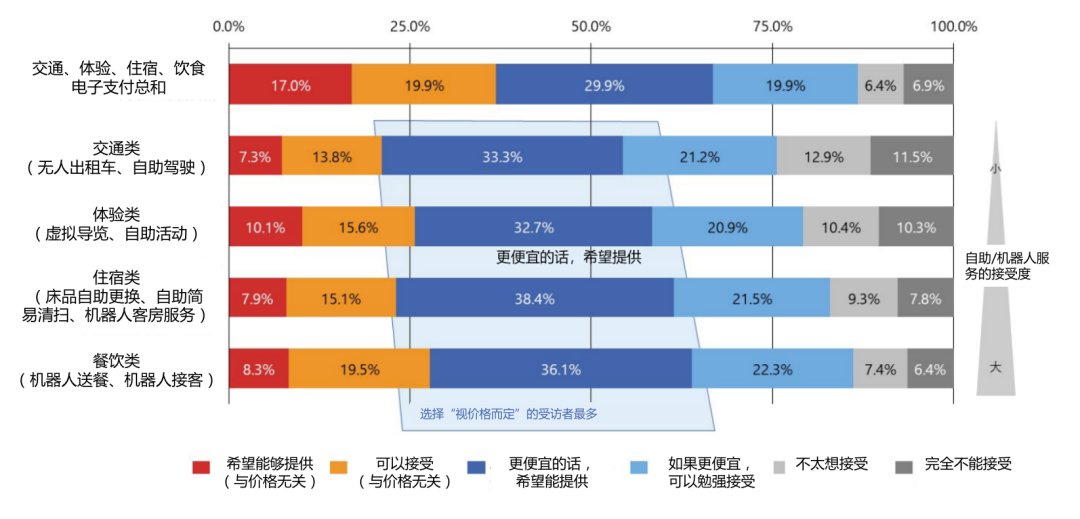
Chart 6: Acceptance of Self-Service and Robotic Services During Travel (Single Choice)
2. Groups willing to accept recommendations due to point rewards also have a higher acceptance of self-service and robotic services.
Further cross-analysis of “Will travel content change due to recommendations?” and “Acceptance of self-service and robotic services” (excluding electronic payments) found that among all travel activity service categories, the “point incentive acceptance group” shows the highest acceptance of self-service/robotic services. The so-called “point incentive acceptance group” refers to respondents who previously indicated that “if they could receive 10% points, they would change travel content due to recommendations.”
For example, in the accommodation service of “self-service changing of bedding,” the “point incentive acceptance group” shows high acceptance even without any price discounts or other incentives; if price factors are considered, over 70% of respondents indicate they can accept this service, while the proportion of those answering “completely unwilling to accept” is only about 2%.
Similarly, the “recognition acceptance group” and “discount incentive acceptance group” shown in Chart 2 also exhibit similar trends—under the influence of price factors, over 60% of respondents indicate they can accept self-service bedding services.
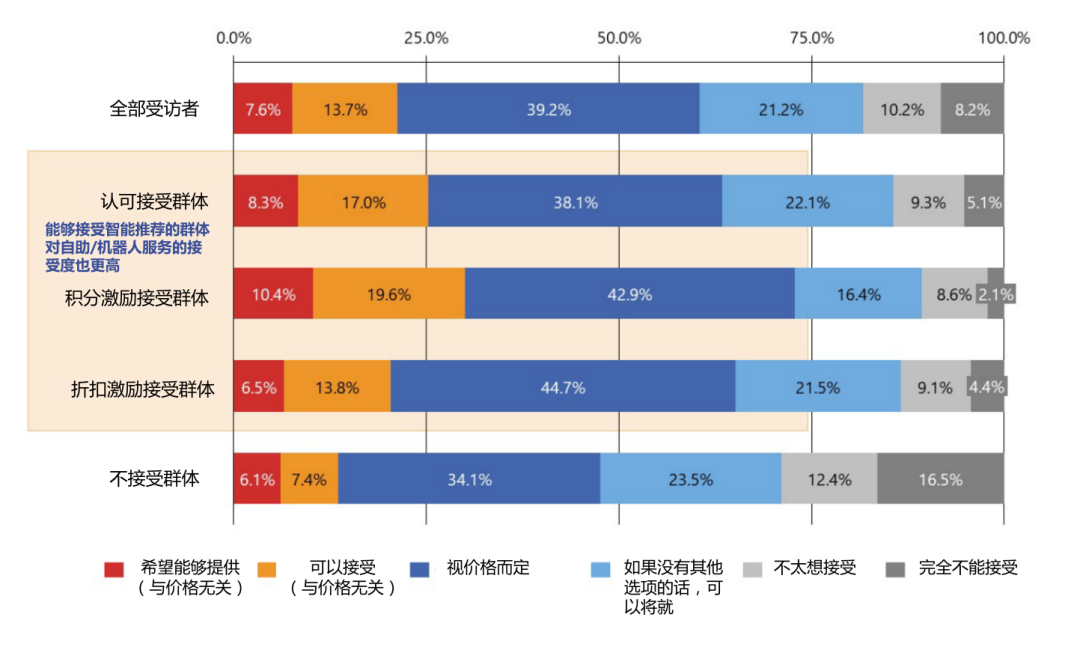
Chart 7: Acceptance of Self-Service/Robotic Services During Travel (Single Choice)
Analysis and Summary of Survey Results
Part 4
Finally, we summarize the potential changes in travel behavior brought about by digital applications.
This survey indicates that in domestic travel in Japan, if information can be appropriately pushed to users through AI recommendations, some groups may change their original travel plans based solely on small point incentives (around 10% or less). This also means that there is potential to guide tourists to other destinations outside of highly concentrated travel demand areas such as Tokyo and Osaka.
At the same time, in the booking and payment stages of travel, regardless of age group, users have high trust in the official channels of travel companies. Therefore, as long as there is a smooth payment experience in these channels, it is very likely to facilitate the actual implementation of this behavioral change.
However, in the travel information collection phase, the younger group’s higher usage rate of SNS indicates that future efforts should focus more on recommending travel content through information entry points like SNS and designing smooth pathways from SNS to booking and payment channels. Of course, it must also be noted that across all age groups, there is always a certain proportion of individuals who do not wish for their information to be used for recommendations, so privacy protection and user trust must be considered in related work.
Regarding the service provision methods at the destination, the survey results also show that the acceptance of self-service and robotic services has expanded to a certain extent, indicating that labor shortages may not necessarily become a limiting factor in attracting tourists to local areas. Especially in dining and accommodation, if “depending on price” is taken into account, over 60% of respondents indicate they can accept this, providing possibilities for diversifying service supply methods. Furthermore, the acceptance of self-service and robotic services at the destination is highly aligned with the acceptance of recommendations, thus utilizing recommendations to guide tourists to accept new service methods that do not adhere to traditional transportation, accommodation, and dining models is highly feasible.
In summary, AI recommendations in digital touchpoints can not only prompt people to change their travel behavior but also indicate a certain degree of acceptability for service methods at the destination to be replaced by robots and other means. However, this digital communication model still faces many challenges, including the proper handling of personal information and preventing so-called “dark patterns” (intentionally guiding users to make choices that are detrimental to themselves but beneficial to the operator in the design of website or application interfaces).
On the other hand, if tourism demand is allowed to concentrate in large cities, it will lead to resource overload, thereby damaging the productivity of large cities and even negatively impacting the overall economic and social development of the country. To reverse this trend and promote local attraction, relevant parties need to engage in diversified collaboration, leveraging digital touchpoints such as smartphones to conduct effective communication through recommendations to achieve the goal of attracting visitors to local areas.
【Reference: Summary of Questionnaire Survey】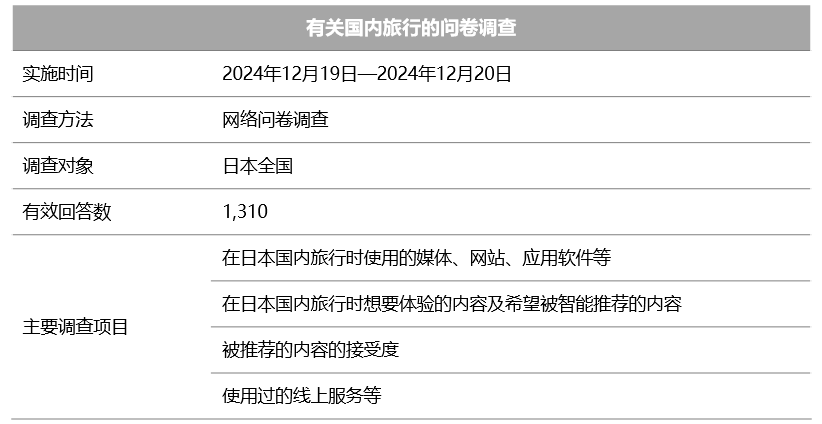
【Editor’s Reflection】
In the rapid digitalization of cities and the highly complex governance practices, we often face a dilemma: there are many tools, but very few truly effective levers. Especially in high-frequency livelihood scenarios such as tourism, travel, and public services, how to achieve optimal adjustments through minimal intervention has always been one of the most challenging issues in the policy toolbox.
From this perspective, this research from Nomura Research Institute Japan, although “simple,” brings us some insights: its value lies not in teaching us “how to make things more complex,” but in pointing out that through small designs, low costs, and soft touches, user behavior can also be leveraged to rebalance service supply.
For first-tier cities like Shanghai, which face pressures in supply-demand tension, flow governance, and labor structure transformation, such insights may be just right for future urban governance concepts: “micro-strategy—light intervention—soft governance”.
This type of research is not an operational guide, but it can inspire us to rethink:
How can we adjust behavioral scenarios at minimal cost?
How can we rebuild trust structures through flexible means?
About Demand Rebalancing
The research shows that only “clear and explainable recommendations + small incentives not exceeding 10%” are sufficient to significantly enhance tourists’ willingness to change destinations. This indicates that even without relying on mandatory scheduling, as long as a credible and reasonable “micro-guidance mechanism” is established, it is possible to create a more flexible flow distribution structure between urban hot zones and long-tail destinations.
For cities facing peak passenger flow during holidays, this is a low-cost, easy-to-deploy governance tool.
About Service Supply Reconstruction
When service methods become “self-service/robot + price options,” user acceptance significantly increases, especially in accommodation and dining scenarios. This indicates that in the context of labor shortages and increasing service pressures, reconfiguring services with a modular approach is a practical strategy.
For small and medium-sized businesses, this is also a realistic path to maintain service flexibility while controlling costs.
About Behavioral Intervention Mechanism Design
By segmenting users into groups—recognition group, point incentive group, discount acceptance group, completely rejecting group—this type of research demonstrates a behavioral response hierarchical model that can be embedded in platform systems.
This inspires us when building recommendation systems or policy touchpoint mechanisms, not to pursue “universally effective” but to construct an operational logic of “targeted outreach + flexible response + layered intervention,” truly achieving “audience segmentation by behavior and strategy adaptation.”
About Institutional Boundary Awareness
No matter how clever the incentive mechanism, it must ultimately be built on user trust. The research points out that it is necessary to simultaneously design institutional mechanisms such as “trustworthy algorithms, transparent notifications, and opt-out options” to avoid digital governance slipping into “invisible coercion.”
For Shanghai, which already has a foundation for exploration, the next key step is: how to embed “reversible” and “optional” elements into the recommendation system, laying the institutional foundation for long-term trust building.
This type of research does not provide answers; it only raises a critical question—if we do not rely on strong scheduling and only use minimal digital means to influence people’s choices, can the mechanism still operate effectively?
If the answer is “possibly,” then it deserves to enter our institutional imagination and strategic reserves.
END
This article is excerpted from the “Nomura Research Institute Future Development Center Research Report”
Published in February 2025
Original Author: Shingo Mochimaru
Nomura Research Institute Future Development Center
Chief Expert of Future Society and Digital Urban Infrastructure Research Room
Editorial Committee:
Expert Guidance: Zhang Yi
Translation: Xu Xiao
Proofreading: Wang Youzhi
Editorial Work: Han Yi
Design: An Bang
Copyright Statement: All rights reserved. No reproduction without written permission from this unit.