Aerospace is considered one of the most cutting-edge and complex fields of high-tech integration in the world today, bringing together top achievements from multiple disciplines. A commercial rocket requires overcoming thousands of technical challenges from design to launch. However, in this thorny field, many private aerospace companies act as brave pioneers, continuously breaking through difficulties with their persistent pursuit of technology and innovative spirit.
Keywords for private enterprises building rockets: Innovation
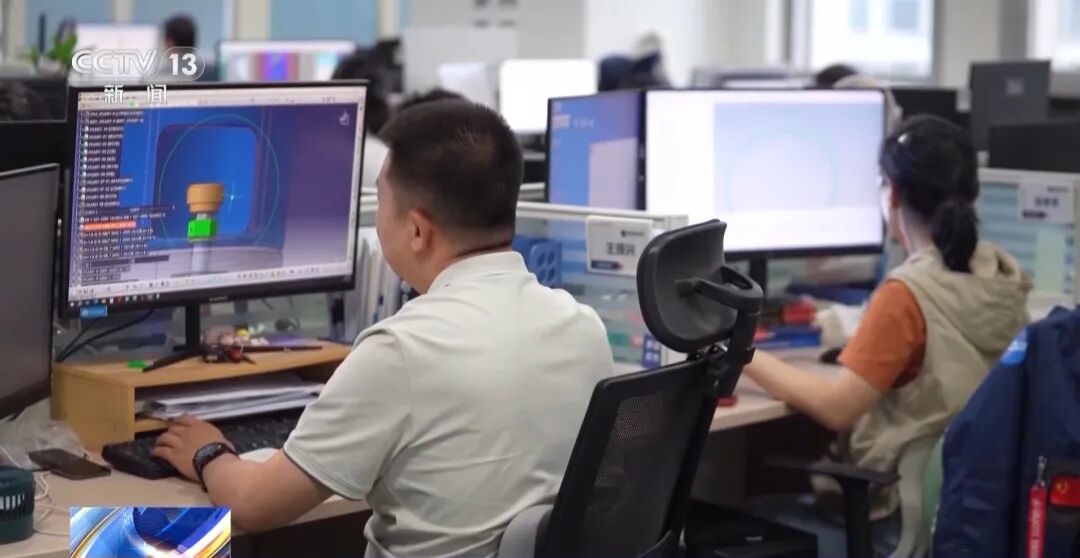
As soon as the reporter entered the headquarters of Xinghe Power in Beijing, they saw a small laboratory filled with rocket electrical equipment, where staff were gathered, intensely discussing the experimental data they had just completed, reviewing and identifying issues. The company leader told the reporter that they are currently working hard on the development of the second launch of the Ceres rocket, scheduled for its first launch at the end of August.
Building rockets as a private enterprise may seem like a “fantasy” to many. However, for the company’s founder, Liu Baiqi, the company has embedded the word “innovation” into its corporate DNA since its inception, striving to explore a low-cost path for commercial rocket launches.
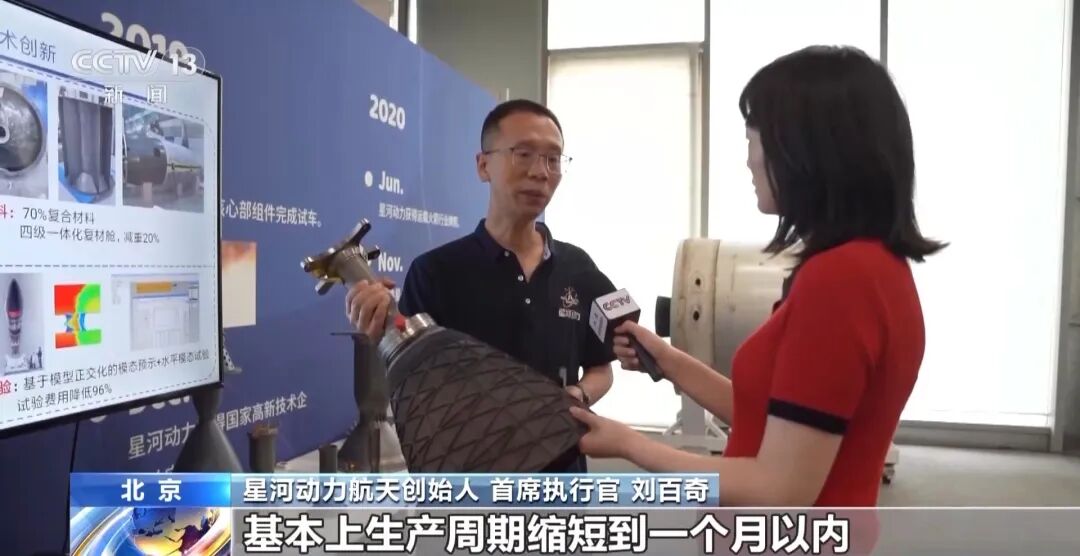
Liu Baiqi explained that the traditional engine manufacturing cycle is long and costly, taking about six months. They now use 3D printing technology to shorten the production cycle to less than a month. The cost is nearly one-tenth of the original, and the weight has been reduced by half.

The engine weighs only a few kilograms, with a metal shell just a few centimeters thick, as the company pushes the material performance to the limit.
However, for private enterprises building rockets, not only must costs be low, but efficiency must also be high. In addition to being “frugal” with materials and manufacturing costs, Xinghe Power has also boldly streamlined the rocket design. The team decisively canceled the four-stage integrated design of the cabin section, a seemingly simple “subtraction” that hides significant intricacies.
Liu Baiqi stated that by eliminating the cabin section structure, the weight was reduced by 75 kilograms. This means it can carry an additional 75 kilograms of satellites. At a cost of 100,000 yuan per kilogram, this could generate an additional 7.5 million yuan in benefits.
At Xinghe Power, extreme innovation extends to the “second life” of the rocket. After the rocket completes its mission of launching satellites, it typically becomes space debris. However, a creative idea from Xinghe Power has given the final stage rocket a new mission, creating additional value.
Liu Baiqi:We modify it by attaching a solar sail, allowing it to have a continuous power supply, and we also add some satellite attitude control and communication components. This part of the rocket transforms into a satellite. It can be used for space environment experimental verification of new devices and components for satellites; secondly, we can perform low-cost removal of space debris.
Thus, Xinghe Power has carved out a path in the commercial rocket sector. With the advantages of lower costs and higher efficiency, Xinghe Power has successfully launched 19 times in its seven years of establishment, launching 81 satellites for 25 clients, becoming the first private rocket company in China to achieve continuous and stable launch success.
Long cycles and high investments: How can commercial aerospace overcome growth thresholds?
Commercial aerospace has long cycles, high investments, and significant risks. During the interview, the reporter learned that even industry leaders have faced considerable funding challenges and industrial dilemmas. How can these private enterprises with dreams of space overcome growth thresholds and establish a foothold in the “space arena”?
Private commercial aerospace companies like Xinghe Power face common challenges, such as where to find the massive funding gap. It seems difficult to solve this solely through the enterprises themselves. With this question in mind, the reporter visited the Beijing Economic Development Zone where the company is located.
In the Beijing Economic Development Zone, the reporter saw a policy list detailing the support policies for various technology innovation enterprises.
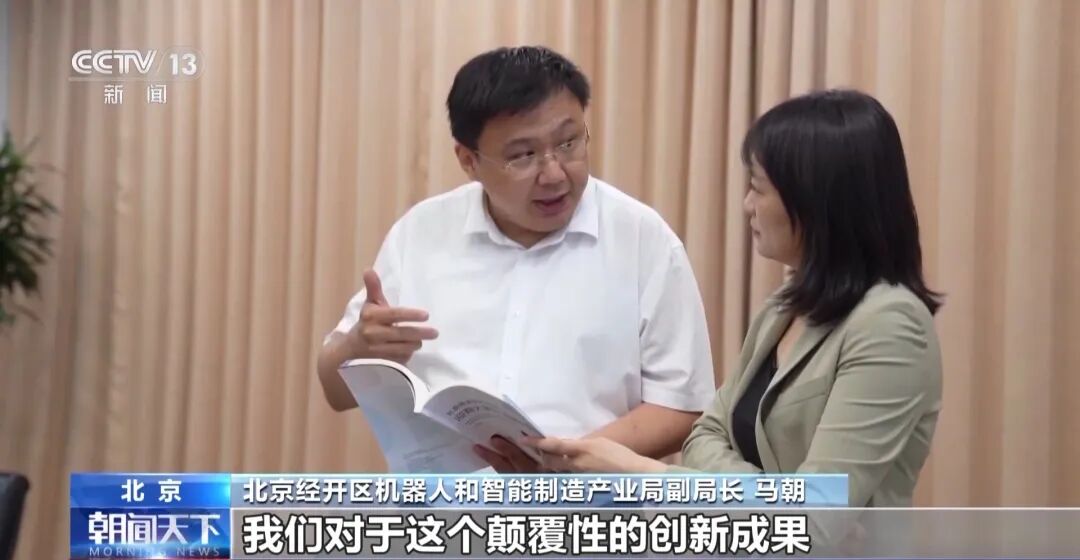
Ma Zhao, Deputy Director of the Robotics and Intelligent Manufacturing Industry Bureau of Beijing Economic Development Zone:We will provide up to 50 million yuan in policy support for disruptive innovation achievements, and we also support enterprises approved for key national and Beijing R&D innovation platforms.
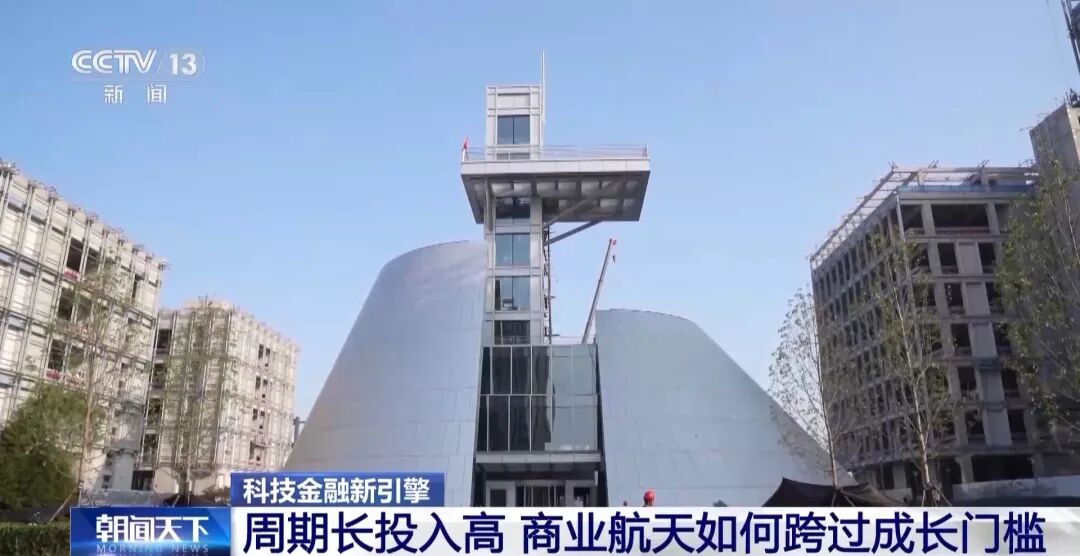
The support from policies does not stop there. Accompanied by staff, the reporter visited the under-construction Rocket Street. Today, the Beijing Economic Development Zone has over 160 aerospace companies, with commercial rocket enterprises accounting for 75% of the national total. With so many aerospace companies facing technical bottlenecks, long experimental schedules, and high costs, each presents significant challenges on the growth path of commercial aerospace enterprises. The government-planned “Rocket Street” precisely targets the “pain points” of enterprises. Here, common technology platforms, high-end manufacturing centers, and innovative R&D centers are all available.
Rockets can also be insured: Co-insurance body alleviates concerns
In the field of commercial aerospace, filled with dreams of stars and the sea, high risks are ever-present. A single launch failure can be a devastating blow to a startup. With the growth of commercial aerospace enterprises, the birth of China’s first commercial aerospace co-insurance body has provided a “peace of mind” for these companies.
Zhu Yansheng, Director of the Beijing Financial Regulatory Bureau:Commercial aerospace carries high risks. Once a loss occurs, the impact on innovative enterprises is significant, and the money may not come back. At this time, having insurance provides protection, allowing them to start over after a failure.
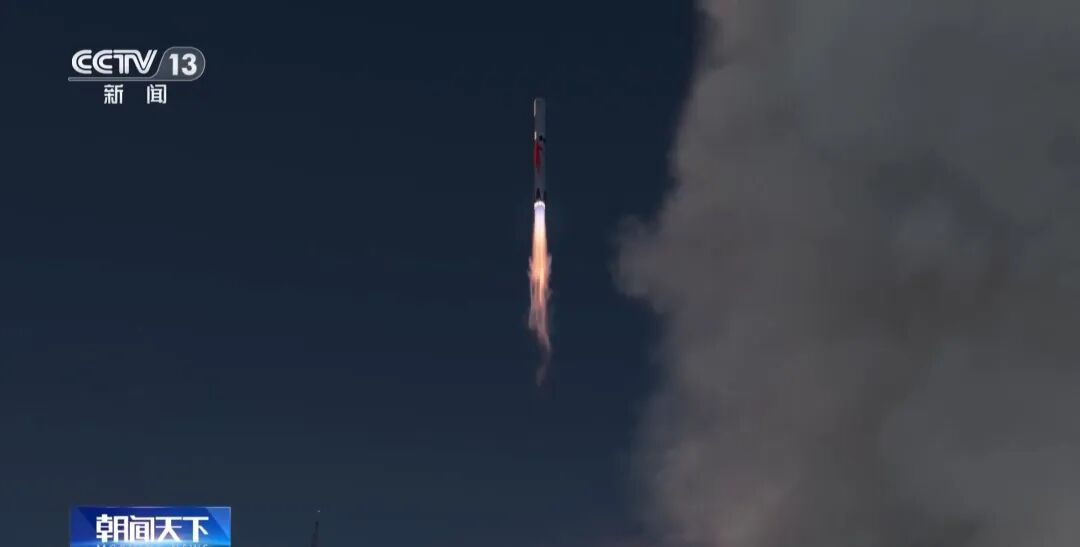
Because the risk of launch is extremely high, the demand for insurance among commercial aerospace enterprises has become particularly urgent.
Currently, there are several types of insurance in China’s commercial aerospace sector:Insurance can cover damages caused by launch failures to personnel and property on the ground; satellite and rocket launch insurance can provide compensation for the satellites and rockets themselves in case of launch failure.

However, after the launch of commercial aerospace insurance, there was an awkward situation where insurance companies were reluctant to underwrite due to high risks. The Beijing Financial Regulatory Bureau is breaking this dilemma. Recently, 20 insurance institutions in Beijing jointly established the country’s first commercial aerospace co-insurance body to meet the insurance needs of commercial aerospace enterprises.
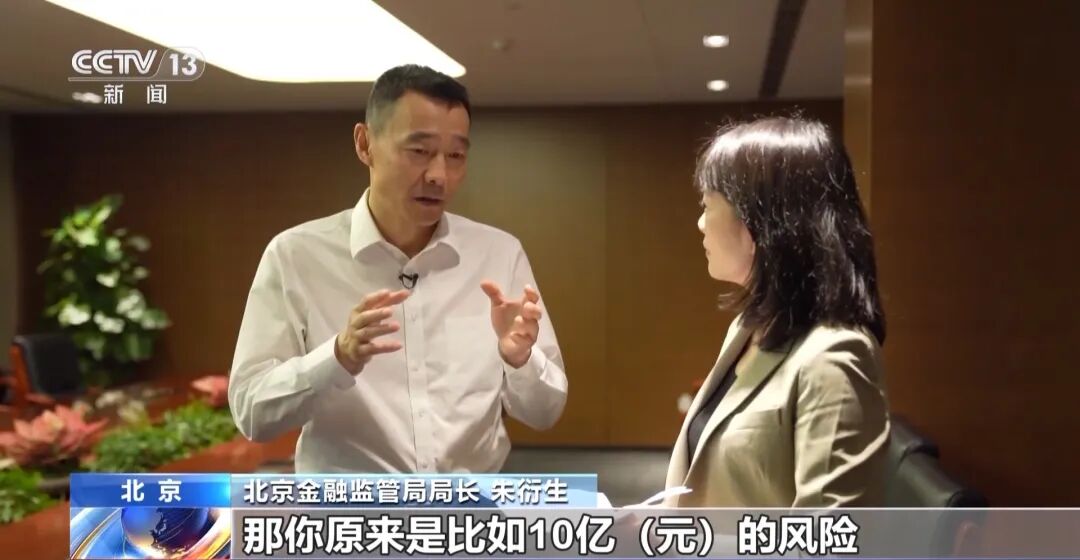
Zhu Yansheng, Director of the Beijing Financial Regulatory Bureau:With the co-insurance body, if you originally had a risk of 1 billion yuan, it can now be shared among ten insurance companies, reducing the risk for each to 100 million yuan. The co-insurance body can solve the problem of insurance institutions being reluctant to underwrite, and on the other hand, due to national restrictions on the amount of single risk coverage by insurance companies, the co-insurance body can also solve the problem of insurance institutions being unable to underwrite.
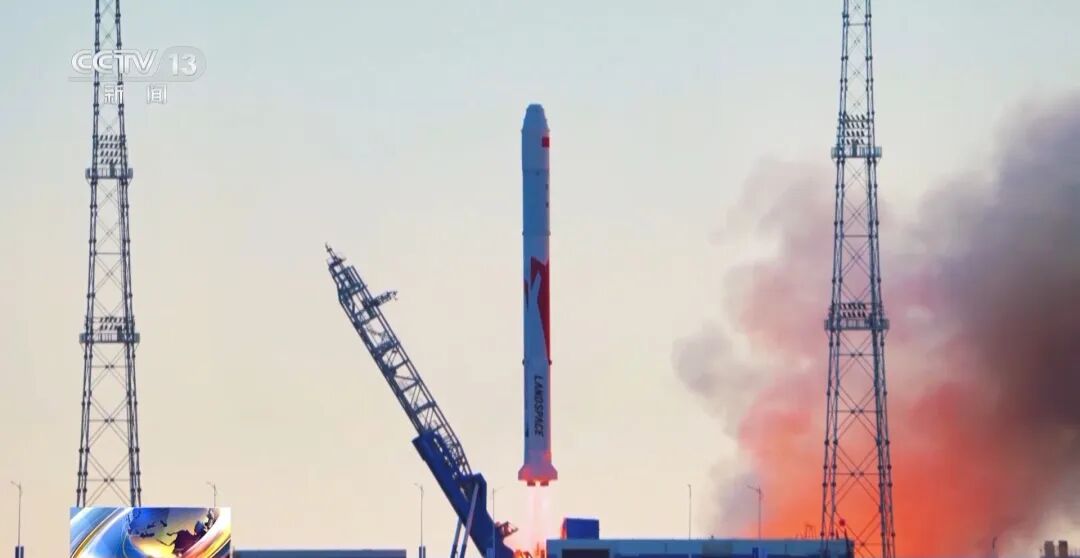
Now, the Beijing commercial aerospace insurance co-insurance body is fully operational, providing comprehensive risk protection for all aspects of commercial aerospace from launch to in-orbit operation and the entire production and operation chain. The reporter learned that to support the development of commercial aerospace, more insurance products covering the entire industry will be launched in the future.
Source: CCTV News Client