Hello everyone~ I am a beginner, and today I would like to share 155 high-frequency C++ interview questions, hoping to help those preparing for interviews. Without further ado, let’s get started!Table of Contents:
C++ Basics (24 questions)
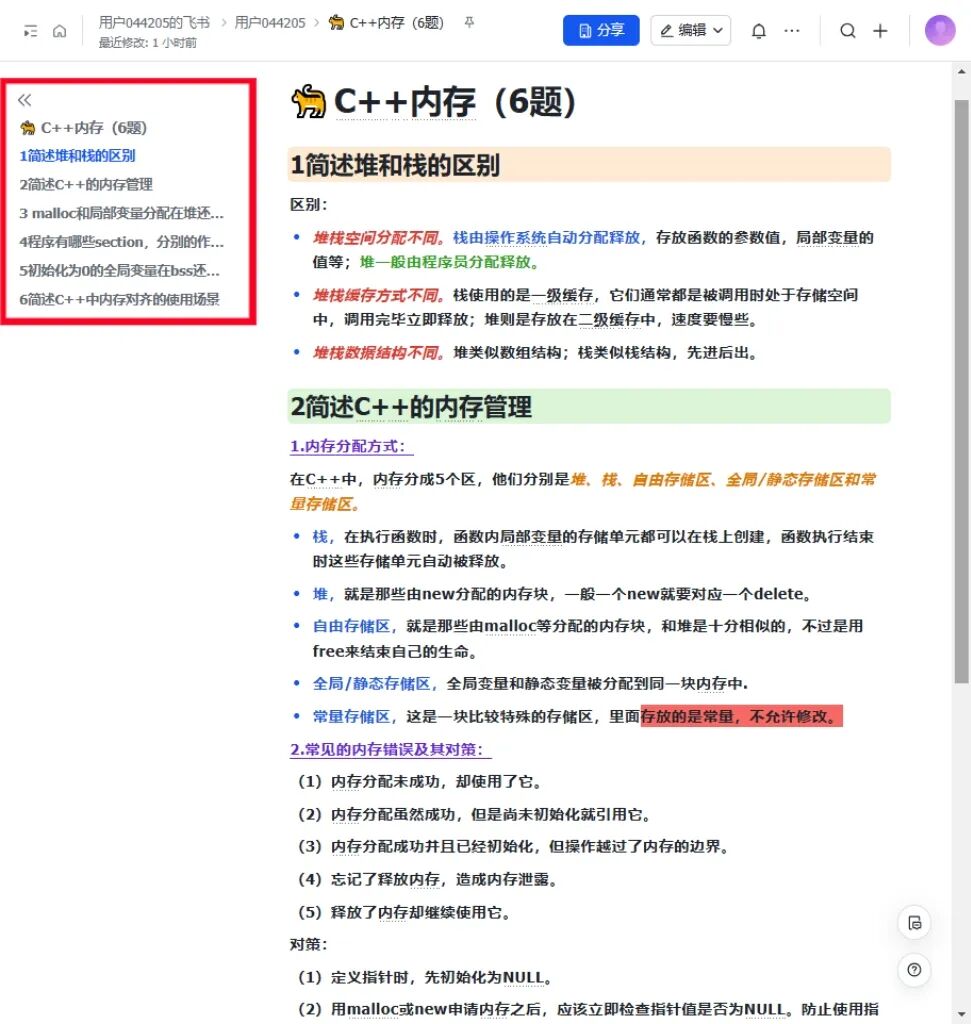
C++ Memory (6 questions)
Object-Oriented Programming (32 questions)
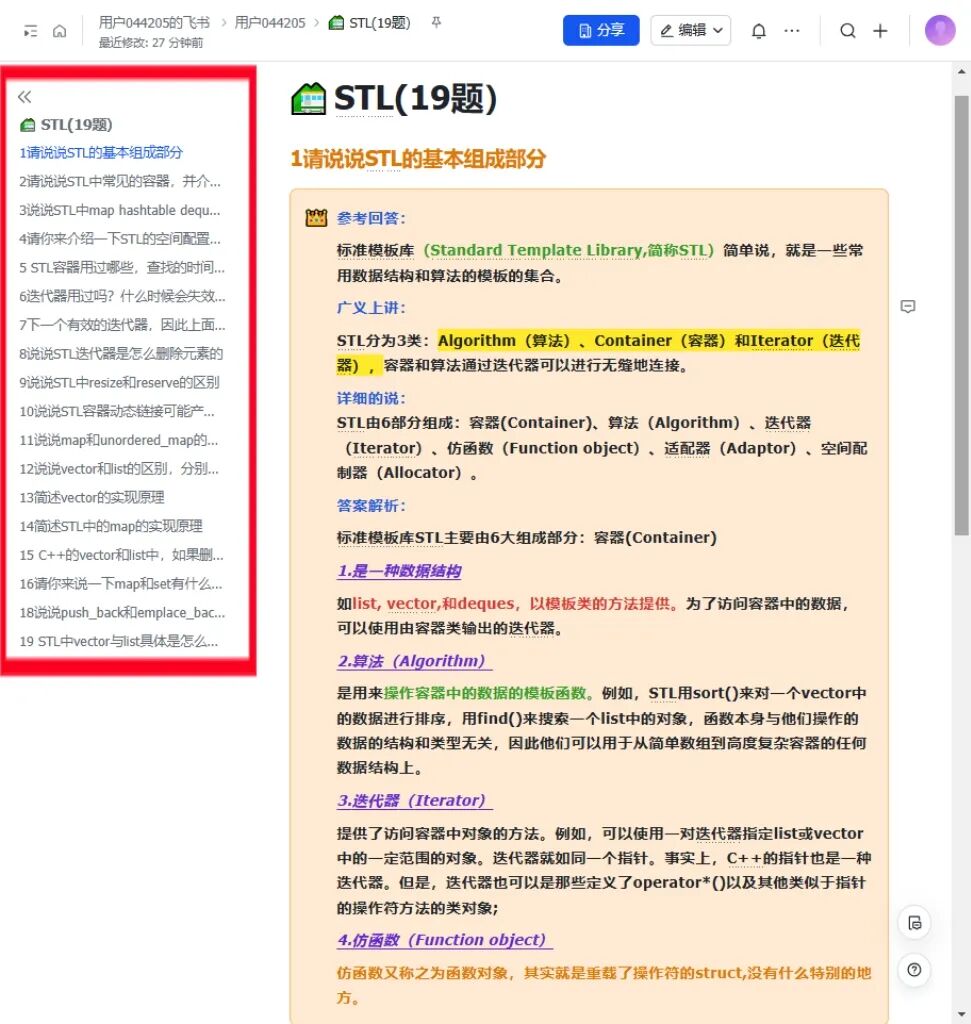
STL (19 questions)
New Features (13 questions)
Operating Systems (61 questions)
Interview Questions:
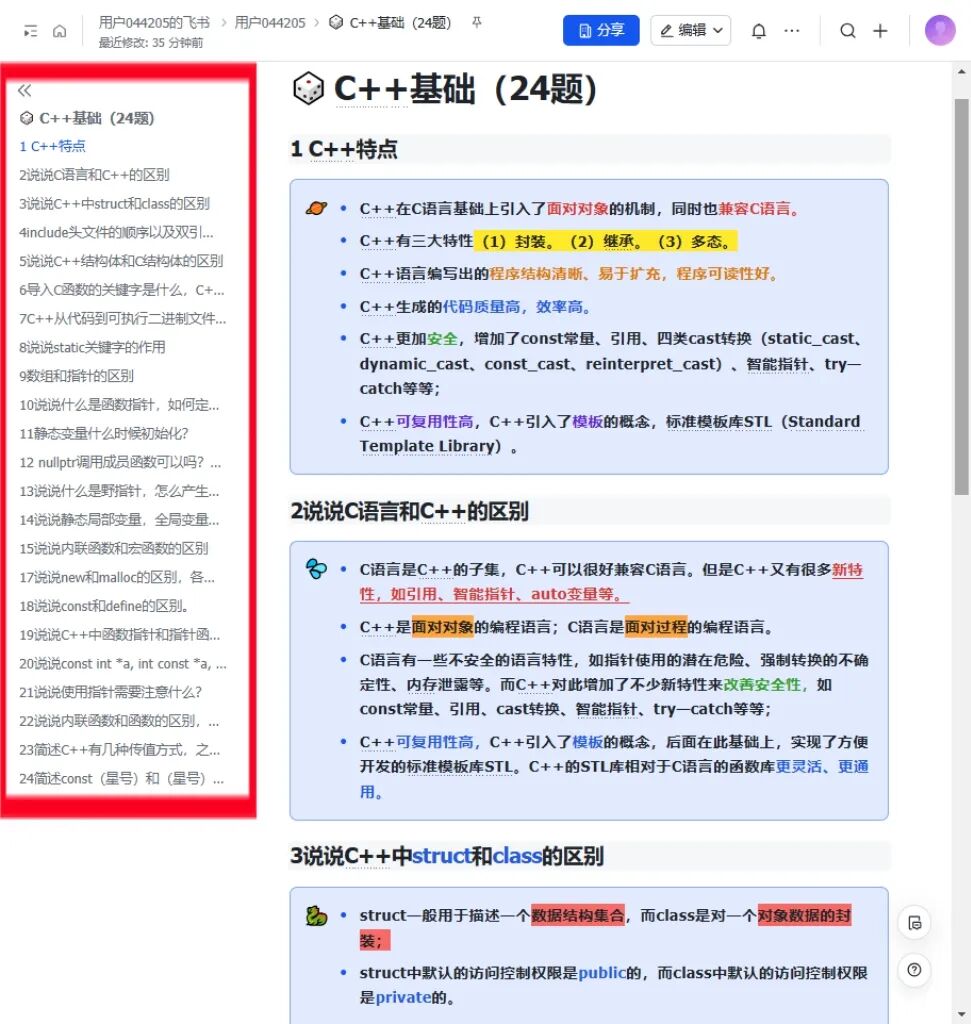
C++ Basics
1 Characteristics of C++
(1) C++ introduces object-oriented mechanisms based on C language while also maintaining compatibility with C.
(2) C++ has three main features: encapsulation, inheritance, and polymorphism;
(3) Programs written in C++ have a clear structure, are easy to extend, and have good readability.
(4) C++ generates high-quality, efficient code.
(5) C++ is safer, introducing const constants, references, four types of casts (static_cast, dynamic_cast, const_cast, reinterpret_cast), smart pointers, try-catch, etc.;
(6) C++ has high reusability, introducing the concept of templates and the Standard Template Library (STL).
2 Discuss the differences between C and C++
(1) C is a subset of C++, and C++ can well maintain compatibility with C. However, C++ has many new features, such as references, smart pointers, auto variables, etc.
(2) C++ is an object-oriented programming language; C is a procedural programming language.
(3) C has some unsafe language features, such as potential dangers of pointer usage, uncertainty of forced conversions, memory leaks, etc. C++ has added many new features to improve safety, such as const constants, references, cast conversions, smart pointers, try-catch, etc.;
(4) C++ has high reusability, introducing the concept of templates, which later led to the development of the convenient Standard Template Library (STL). The STL library in C++ is more flexible and general compared to the function library in C.
3 Discuss the differences between struct and class in C++
(1) struct is generally used to describe a collection of data structures, while class is a encapsulation of object data;
(2) The default access control for struct is public, while for class it is private.
(3) In inheritance relationships, struct defaults to public inheritance, while class defaults to private inheritance;
(4) The class keyword can be used to define template parameters, just like typename, while struct cannot be used to define template parameters.
4 The order of include header files and the difference between double quotes “” and angle brackets <>
(1) Differences:
① Header files in angle brackets <> are system files, while header files in double quotes “” are user-defined files.
② The paths for the compiler to search for header files differ.
(2) Search paths:
① The search path for header files in angle brackets <>: compiler set header file path -> system variables.
② The search path for header files in double quotes “”: current header file directory -> compiler set header file path -> system variables.
5 Discuss the differences between C++ structs and C structs
Differences:
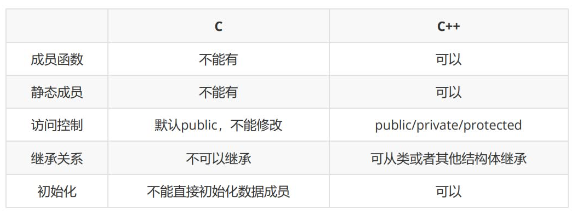
(1) Functions are not allowed in C structs, while C++ allows internal member functions, including virtual functions.
(2) C structs can only have public access to internal member variables, while C++ allows public, protected, and private.
(3) C language structs cannot be inherited, while C++ structs can be inherited.
(4) In C, the struct keyword is required when using structs, while in C++ the struct keyword can be omitted.
Structs in C++ are an extension of structs in C, and their declaration differences are as follows:
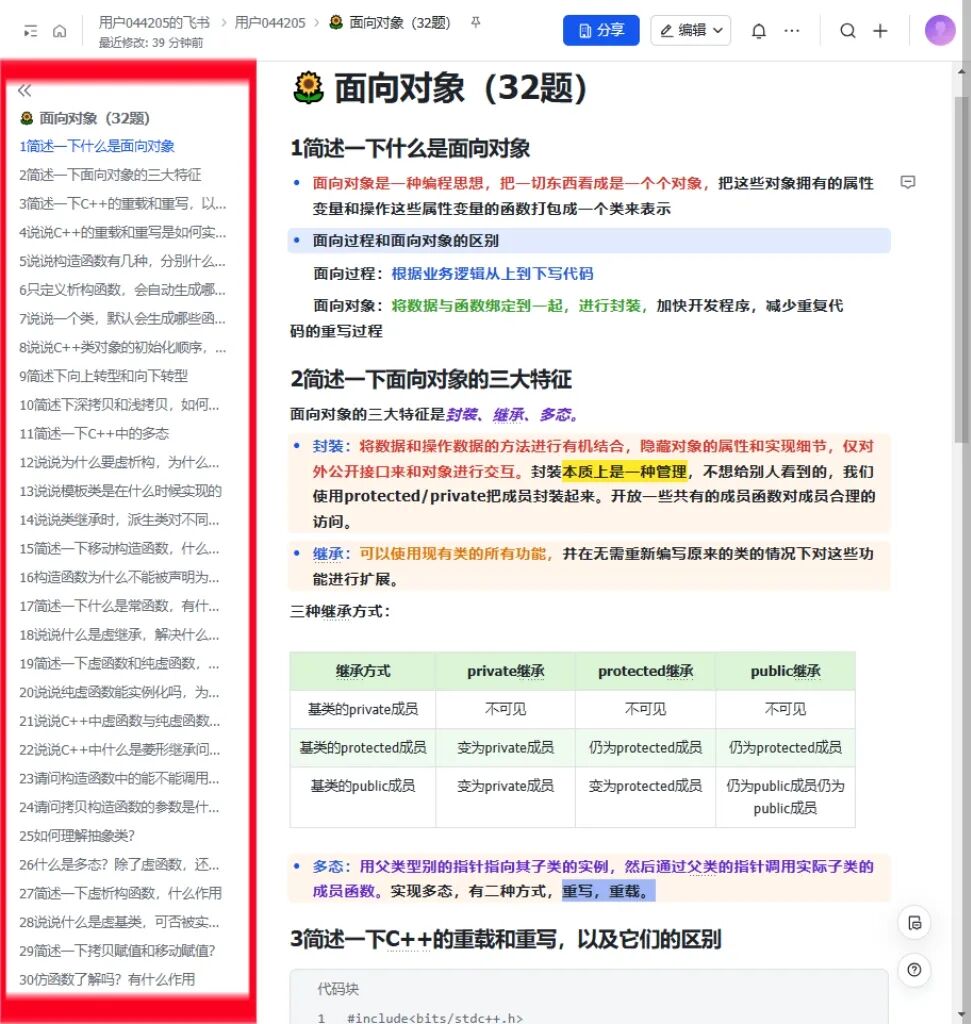
 Object-Oriented Programming
1 Briefly describe what object-oriented programming is
(1) Object-oriented programming is a programming paradigm that views everything as objects, packaging the attributes and functions that operate on these attributes into a class.
(2) Differences between procedural and object-oriented programming
Procedural: Writing code from top to bottom based on business logic
Object-oriented: binding data and functions together, encapsulating them, speeding up program development, and reducing the need to rewrite duplicate code.
2 Briefly describe the three main features of object-oriented programming
The three main features of object-oriented programming are encapsulation, inheritance, and polymorphism.
(1) Encapsulation: organically combines data and methods for manipulating that data, hiding the object’s attributes and implementation details, and only exposing interfaces for interaction with the object. Encapsulation is essentially a form of management; we use protected/private to hide members that we do not want others to see.
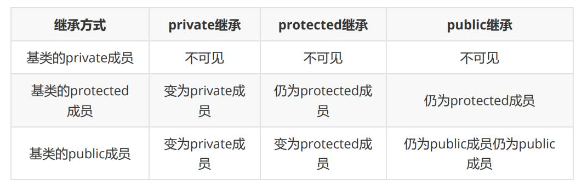
(2) Inheritance: allows the use of all functionalities of existing classes and extends these functionalities without rewriting the original class.
Three types of inheritance:
(3) Polymorphism: using a pointer of the parent type to point to an instance of its subclass, and then calling the actual subclass’s member function through the parent class’s pointer. There are two ways to achieve polymorphism: overriding and overloading.
3 Briefly describe C++ overloading and overriding, and their differences
(1) Overriding
refers to the redefinition of a function in the derived class. The function name, parameter list, and return type must all be consistent with the function being overridden in the base class. Only the function body differs (inside the curly braces). When a derived class object is called, it will invoke the overridden function in the derived class, not the overridden function in the base class. The overridden function in the base class must be marked with virtual.
Example:
#include <bits stdc++.h="">using namespace std;class A {public: virtual void fun() { cout << "A"; }};class B : public A {public: virtual void fun() { cout << "B"; }};int main(void) { A* a = new B(); a->fun(); // Outputs B, the fun in class A is overridden in class B }</bits>(2) Overloading
In our daily coding, we may use several functions that have the same functionality but differ in some details. Function overloading refers to several functions with the same name declared in the same accessible scope but with different parameter lists (different types, numbers, or order of parameters), determining which function to call based on the parameter list. Overloading does not consider the return type of the function.
#include <bits stdc++.h="">using namespace std;class A {public: void fun() {}; void fun(int i) {}; void fun(int i, int j) {}; void fun1(int i, int j) {};};</bits>
 Due to space limitations, not all can be displayed.PDF Access Method:1 Like + View2 Follow the public account and send a private message in the background[Materials]Receive