C++ Exception Handling: The Art of Transitioning from Crashes to Elegant Error Management
C++ Exception Handling: The Art of Transitioning from Crashes to Elegant Error Management

In the past, when writing C code, error handling often involved a series of if-else statements that returned error codes. For more complex business logic, these error codes would be nested, making tracking them quite cumbersome. If you find returning error codes through if-else statements troublesome, you could simply trigger an assertion with assert() and … Read more


Mastering Exception Handling in Python with Ease

Mastering Exception Handling in Python with Ease

When writing Python code, errors (or exceptions) are inevitable. How to gracefully handle errors, ensuring stable program operation while facilitating debugging, is a skill that every Python developer needs to master. 1. Exception Handling in Python Exception handling is one of the important programming concepts in Python. If an exception error occurs in the code, … Read more

C++ Exception Throwing Mechanism

C++ Exception Throwing Mechanism

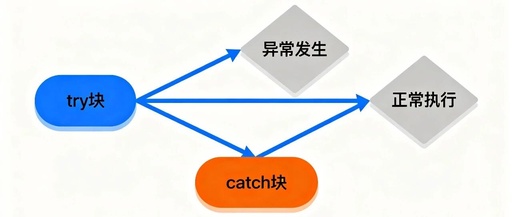
The C++ exception handling mechanism allows a program to transfer control from the point of error to specialized error handling code when a runtime error occurs. The core mechanism is based on three keywords: throw, try, and catch. Key components: 1. throw When an error is detected, an exception object is thrown using throw. Any … Read more

Validation Testing of CAN Chip Logic Response

Validation Testing of CAN Chip Logic Response

During the development phase of CAN chips, various issues related to communication error management need to be validated. The ISO-16845 international standard specifies comprehensive testing standards, such as error frame detection, transmission frame-related detection, and error management logic validation. This article mainly shares effective and convenient methods to complete the testing. Traditionally, to simulate CRC … Read more