In modern industry and technology, sensors play an indispensable role as key devices for perceiving and measuring physical quantities. Among them, the differential pressure sensor, with its unique measurement capabilities and wide range of applications, has become a core component in various fields such as industrial control, environmental monitoring, and medical devices. This article will delve into the working principle, range, applications of differential pressure sensors, and their significant differences from pressure sensors.

Working Principle of Differential Pressure Sensors
A differential pressure sensor is a type of sensor that can measure the pressure difference between two locations. Its working principle is based on the deformation or displacement that occurs when an object is subjected to different pressures. Specifically, a differential pressure sensor typically consists of two interconnected chambers, each connected to a pressure pipeline. When a fluid or gas passes through the sensor, it enters the two chambers and applies pressure. These pressures are transmitted through the interconnected pipes to the sensor’s measurement unit.
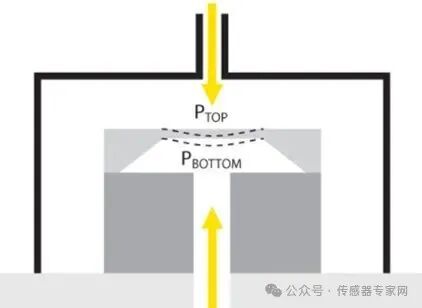
The measurement unit is generally made of sensitive materials such as semiconductors or metal sheets, which produce slight displacements when subjected to pressure, with the magnitude of displacement being proportional to the pressure. Subsequently, external electronic circuits convert these displacements into electrical signals, which are amplified and processed, ultimately outputting a signal corresponding to the pressure difference. This process enables precise measurement of the pressure difference in fluids or gases.
Range of Differential Pressure Sensors
The range of a differential pressure sensor refers to the maximum pressure difference it can measure. Due to the diversity of application scenarios, the range of differential pressure sensors varies from mbar to several tens of MPa, covering various needs from small pressure differences to high pressure differences. It is particularly noteworthy that for applications that may encounter extreme pressure conditions, differential pressure sensors must possess strong overload capabilities, typically requiring a maximum overload capacity of 20 times or even higher than the full scale. This places high demands on the manufacturing process of the product, including the corrosion resistance of the diaphragm, the design of damping buffers, and the optimization of software programs, to ensure that the sensor can operate stably under extreme conditions.
Applications of Differential Pressure Sensors
1. Chemical Industry
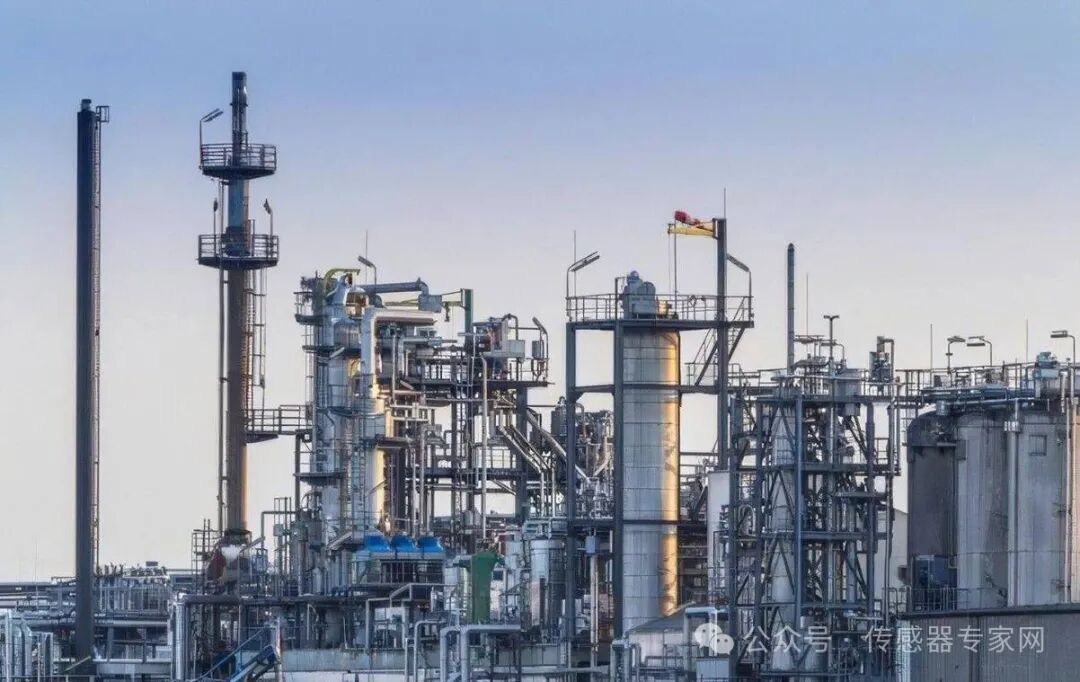
In the chemical industry, differential pressure sensors are widely used for monitoring and controlling pressure differences in pipelines. By measuring the pressure difference between two pipelines, real-time insights into the flow state of fluids can be obtained, enabling precise control of chemical equipment. Additionally, differential pressure sensors are used to monitor filter clogging, pressure changes in reaction vessels, and more, providing important safety guarantees for chemical production.
2. Automotive Industry
In the automotive industry, differential pressure sensors are used to measure the pressure difference of exhaust gases before and after the engine’s diesel particulate filter (DPF). This information is crucial for determining the accumulation of particles in the filter, deciding the timing of the “regeneration” trigger, and the amount of additional fuel injection. By optimizing the “regeneration” process, significant improvements in engine performance and fuel economy can be achieved.
3. Medical Devices
In the field of medical devices, differential pressure sensors are used to monitor pressure changes in ventilators, blood dialysis machines, and more. These applications require differential pressure sensors to have extremely high precision and reliability to ensure patient safety and treatment effectiveness.

4. Meteorological Monitoring
In meteorological monitoring, differential pressure sensors are used to measure atmospheric pressure differences at different heights, thereby inferring meteorological parameters such as wind speed and direction. This is of great significance for weather forecasting and aviation safety.
Differences from Pressure Sensors
Unlike differential pressure sensors, pressure sensors primarily measure the pressure value at a single location, rather than the pressure difference between two locations. Pressure sensors typically have one measurement point and one reference point (such as atmospheric pressure or sealed vacuum pressure) to measure pressure changes relative to the reference point. In contrast, differential pressure sensors detect pressure differences through two measurement points, providing more information about the flow state of fluids or gases.
Structurally, differential pressure sensors usually have two pressure ports for connecting two measurement points, while pressure sensors have only one pressure port. This structural difference determines the differences in measurement principles and application scenarios between the two.
Differential pressure sensors play an important role in modern technology and industry with their unique working principles, wide ranges, and diverse application scenarios. As technology continues to advance and application demands grow, differential pressure sensors will continue to evolve and innovate, providing more precise and reliable measurement solutions for various fields.
Starred content = content you care about, according to the recommendation principles of WeChat public accounts, if you do not set the sensor expert network public account homepage as “starred”, you will not be able to receive the latest information in the sensor industry in a timely manner!
Disclaimer:The reproduction of this article is for the purpose of conveying more information. If there are any errors in source attribution or infringement of your legal rights, please contact us, and we will correct or delete it promptly. Thank you.
If you have submission or interview needs, please send an email to:[email protected].