When undergoing a physical examination at the hospital, doctors often order a blood test for us—erythrocyte sedimentation rate (ESR). What exactly does this test check for?
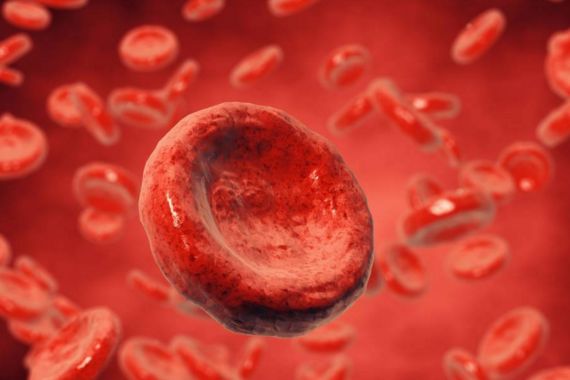
The full name of ESR is the erythrocyte sedimentation rate, which refers to the rate at which red blood cells naturally settle in anticoagulated whole blood. ESR is a traditional and widely used laboratory indicator that has diagnostic significance in distinguishing between the quiescent and active phases of diseases, as well as between stable and relapsing conditions, and benign versus malignant tumors.
Like C-reactive protein (CRP), ESR is also an inflammatory marker, and understanding their physiological significance can help clinicians apply them correctly. For example, fibrinogen (indirectly measured by ESR) has a longer half-life than CRP, making ESR useful for monitoring chronic inflammation, while CRP plays a more significant role in diagnosing and monitoring responses to treatment for acute inflammation, such as acute infections. Many factors can lead to falsely elevated or decreased levels of ESR and CRP, and being aware of these factors is crucial for accurate diagnosis.
Acute inflammation increases ESR due to the rise of acute phase reactants in the blood, while chronic inflammation, such as tuberculosis or rheumatic diseases, also accelerates ESR and can be used to observe changes in the condition and treatment efficacy; an accelerated ESR indicates disease relapse and activity, while improvement in the condition gradually normalizes ESR.
The inflammatory process is associated with changes in the production of acute phase proteins. The serum levels of these proteins either increase or decrease during the inflammatory response. In clinical settings, these proteins are commonly used as inflammatory biomarkers, including fibrinogen and C-reactive protein (CRP), which assist in the erythrocyte sedimentation rate (ESR). ESR and CRP are the two most commonly used laboratory tests by general practitioners and specialists in outpatient and inpatient settings.

Physiological Significance of ESR
The aggregation of red blood cells is influenced by the surface charge of the red blood cells and the dielectric constant of the surrounding plasma, which depends on the concentration and symmetry of plasma proteins. Negatively charged red blood cells tend to repel each other, but the presence of positively charged asymmetric proteins promotes red blood cell aggregation and stacking, causing red blood cell aggregates to settle faster, thus increasing ESR. Fibrinogen is a major acute phase reactant and a highly asymmetric protein that has the greatest impact on ESR.
High concentrations of immunoglobulins can also increase red blood cell aggregation. Immunoglobulin G (IgG) is the most abundantly synthesized and prevalent asymmetric protein, with different classes of immunoglobulins having half-lives ranging from 7 to 21 days. The half-life of fibrinogen is approximately 100 hours. Since fibrinogen and immunoglobulins are the two main proteins affecting ESR and both have relatively long half-lives, ESR may remain elevated for days to weeks after inflammation subsides.
False Results
Non-inflammatory factors can also affect ESR. The shape and size of red blood cells, as well as blood viscosity, can influence red blood cell aggregation. As the hematocrit decreases (i.e., anemia), plasma flow increases, causing red blood cell aggregates to settle faster, thus increasing ESR. In polycythemia, the increase in red blood cells reduces the density of red blood cell aggregates, slowing down ESR. The tendency of sickle cells and irregularly sized red blood cells to form aggregates is reduced. Therefore, ESR may also decrease in these conditions. The presence of high molecular weight proteins promotes red blood cell aggregation, so patients with hypoxia or hypofibrinogenemia, as well as those with hypogammaglobulinemia, may have falsely low ESR results during active inflammation. Intravenous immunoglobulin (IVIg) treatment has anti-inflammatory effects, but typically, as serum IgG increases, ESR also increases, as seen in IVIg treatment for patients with Kawasaki disease.
Physiological Significance of CRP
CRP is synthesized in the liver and is stimulated by cytokines, particularly interleukin (IL)-1β, IL-6, and tumor necrosis factor (TNF). It increases within 4 to 6 hours after the onset of inflammation or injury, doubling every 8 hours, peaking at 36 to 50 hours. Due to its short half-life (4-7 hours), plasma concentration depends solely on the rate of synthesis; CRP levels decrease rapidly after inflammation subsides.
False Results
As CRP is synthesized in the liver, liver failure may affect its production. In a small study by Silvestre et al., despite severe sepsis in patients with fulminant liver failure, CRP levels significantly decreased. The authors suggested that in patients with fulminant liver failure, CRP serves more as a marker of liver dysfunction rather than infection.
Differences Between ESR and CRP
CRP levels decrease faster than ESR; they can return to normal within 3 to 7 days after tissue damage subsides, while ESR may take weeks to normalize. Therefore, CRP is suitable for monitoring “acute” disease activity, such as acute infections (e.g., pneumonia, orbital cellulitis). In contrast, ESR is beneficial for monitoring chronic inflammation, such as systemic lupus erythematosus or inflammatory bowel disease. As mentioned, many factors can influence the increase or decrease of ESR, while CRP is less likely to be affected (except in cases of liver failure). Additionally, ESR requires fresh whole blood specimens, while CRP can be tested using stored serum or plasma samples. CRP shows minimal variation with age, while ESR tends to increase with age, and women generally have higher levels than men.
Clinical Applications of ESR and CRP
Both ESR and CRP lack specificity and sensitivity, and they are not used to diagnose any infectious or inflammatory diseases. However, when used correctly, they can complement a good clinical history and physical examination, playing an important role in clinical practice. Since CRP is reported in mg/L or mg/dL, careful attention must be paid when interpreting CRP results.
Infections
In clinical and laboratory indicators for neonates, typical signs of sepsis (e.g., fever and leukocytosis) may not be present. CRP can be used to determine whether to initiate antibiotic therapy. A common practice in many medical centers is to use high CRP levels as an adjunct to the clinical diagnosis of neonatal sepsis, allowing clinicians to start empirical antibiotic treatment while awaiting culture results. Monitoring trends in CRP levels can also determine treatment response, especially when clinical assessment of treatment efficacy is challenging. A study by Benitz et al. on neonates suggested that CRP levels should be measured twice at least 24 hours apart, and if the values are <10 mg/L between 8 to 48 hours, it is considered unlikely to be a bacterial infection. The authors noted that the sensitivity of normal initial CRP is not high enough to justify stopping antibiotic therapy, thus recommending at least two measurements 24 hours apart. Although the positive predictive value of high CRP is low, in cases of neonatal sepsis, having a high negative predictive value (i.e., a negative result effectively rules out sepsis) is more important than a high positive predictive value. False positive CRP values in neonates make it more acceptable to start empirical antibiotic treatment than to fail to treat a septic infant.
Typically, CRP levels can rise to 150 to 350 mg/L in acute bacterial infections, while acute viral infections are usually associated with lower levels. Notably, infections caused by adenovirus, influenza virus, and cytomegalovirus without complications can also have CRP levels as high as 100 mg/L. Sanders et al. conducted a systematic review in 2008 on the accuracy of CRP in diagnosing severe bacterial infections in infants and children, analyzing six studies, and found that when CRP is used to differentiate severe bacterial infections from benign or non-bacterial infections, the sensitivity is 0.77 and specificity is 0.79. The study concluded that CRP is a moderate and independent predictor of the presence (or absence) of severe bacterial infections in febrile children.
ESR is often used alongside white blood cell counts to diagnose and monitor pediatric osteomyelitis and septic arthritis. Many clinicians reference both ESR and CRP during diagnosis and throughout antibiotic treatment. At diagnosis, both markers tend to be significantly elevated. However, during treatment, CRP decreases faster than ESR, making it a more favorable tool for monitoring treatment response in infectious diseases.
Inflammatory Diseases
ESR and CRP are also widely used to assess and monitor inflammatory and autoimmune diseases. Both markers are almost always elevated in Kawasaki disease, but there are some differences in the degree of elevation. It is recommended to test at the initial presentation of the disease. Within a few days of treatment for Kawasaki disease, CRP levels typically normalize. Persistently elevated CRP levels indicate ongoing inflammation and may require additional treatment. As mentioned, the use of IVIg treatment can lead to elevated ESR, thus CRP is a better marker for monitoring inflammatory activity in patients receiving IVIg treatment.
CRP is the most sensitive marker for diagnosing and monitoring Crohn’s disease, but it has been found to be less sensitive in ulcerative colitis. Persistently elevated CRP levels above 45 mg/L in patients with inflammatory bowel disease indicate uncontrolled inflammation and a risk of colorectal cancer, potentially necessitating colectomy. Some clinicians suggest that in children with ulcerative colitis, once the correlation between ESR and CRP with disease activity is established, it is unnecessary to monitor both markers simultaneously, as monitoring one is sufficient.
ESR can be used to determine the inflammatory activity in rheumatoid arthritis, polymyalgia rheumatica, and temporal arteritis. However, clinical and radiological evidence has shown that CRP has a stronger correlation with rheumatoid arthritis. Polymyalgia rheumatica and temporal arteritis are almost always associated with ESR >50 mm/hr.
ESR correlates better with flares in patients with systemic lupus erythematosus (SLE). CRP levels in SLE patients typically show only mild to moderate elevation unless they have concurrent infections. Some clinicians suggest that referencing both ESR and CRP can help distinguish whether a SLE patient’s condition is worsening (high ESR but only mild elevation in CRP) or if there is an infection (significant elevation in CRP). However, it must be noted that even in the absence of concurrent infections, SLE patients may have elevated CRP levels due to serous effusions or erosive arthritis.
Conclusion
Both ESR and CRP play important roles in clinical practice. In certain diseases, one may be a more favorable tool compared to the other. It is important to note the recommendations for simultaneous testing of both markers and under what circumstances this may be redundant. Most importantly, it must not be forgotten that these markers should only be used as adjuncts to clinical history and physical examination.
【References】
1.Brigden ML. Clinical utility of the erythrocyte sedimentation rate. Am Fam Physician. 1999;60(5):1443–1450.
2.Grzybowski A, Sak JJ. Who discovered the erythrocyte sedimentation rate?J Rheumatol. 2011;38(7):1521–1522; author reply 1523. doi:10.3899/jrheum.101312 .
3.Janson LW, Tischler M. The Big Picture: Medical Biochemistry. New York, NY: McGraw-Hill; 2012.
Batlivala SP. Focus on diagnosis: the erythrocyte sedimentation rate and the C-reactive protein test. Pediatr Rev. 2009;30(2):72–74. doi:10.1542/pir.30-2-72 .
4.Husain TM, Kim DH, C-reactive protein and erythrocyte sedimentation rate in orthopaedics. Univ Pennsylvania Orthop J. 2002;15:13–16.
5.Wilson DA. Immunologic tests. In: Walker HK, Hall WD, Hurst JW, eds. Clinical Methods: The History, Physical, and Laboratory Examinations. 3rd ed. Boston, MA: Butterworth-Heineman; 1990.
Isenman DE, Mandle R, Carroll MC. Complement and immunoglobulin biology. In: Hoffman R, Benz EJ, Silberstein LE, Heslop HE, Weitz JI, Anastasi J, eds. Hematology: Basic Principles and Practice. 6th ed. Philadelphia, PA: Elsevier Saunders; 2013:228–246.e4.
6.Kamath S, Lip GYH. Fibrinogen: biochemistry, epidemiology and determinants. QJM. 2003;96(10):711–729. doi:10.1093/qjmed/hcg129 .
7.Newburger JW, Takahashi M, Gerber MA, et al. ; Committee on Rheumatic Fever, Endocarditis, and Kawasaki Disease, Council on Cardiovascular Disease in the Young, American Heart Association. Diagnosis, treatment, and long-term management of Kawasaki disease: a statement for health professionals from the Committee on Rheumatic Fever, Endocarditis, and Kawasaki Disease, Council on Cardiovascular Disease in the Young, American Heart Association. Pediatrics. 2004;114(6):1708–1733. doi:10.1542/peds.2004-2182.
8.Nimmerjahn F, Ravetch JV. The antiinflammatory activity of IgG: the intravenous IgG paradox. J Exp Med. 2007;204(1):11–15. doi:10.1084/jem.20061788 .
9.Salehzadeh F, Noshin A, Jahangiri S. IVIg effects on erythrocyte sedimentation rate in children. Int J Pediatr. 2014;2014:981465. doi:10.1155/2014/981465.
10.Vermeire S, Van Assche G, Rutgeerts P. C-reactive protein as a marker for inflammatory bowel disease. Inflamm Bowel Dis. 2004;10(5):661–665. doi:10.1097/00054725-200409000-00026.
Nudelman R, Kagan BM. C-reactive protein in pediatrics. Adv Pediatr. 1983;30:517–547.
11.Jaye DL, Waites KB. Clinical applications of C-reactive protein in pediatrics. Pediatr Infect Dis J. 1997;16(8):735–746; quiz 746–747. doi:10.1097/00006454-199708000-00003.
Koenig W. High-sensitivity C-reactive protein and atherosclerotic disease: from improved risk prediction to risk-guided therapy. Int J Cardiol. 2013;168(6):5126–5134. doi:10.1016/j.ijcard.2013.07.113 .
12.Silvestre JP, Coelho LM, Povoa PM. Impact of fulminant hepatic failure in C-reactive protein?J Crit Care. 2010;25(4):657.e7–12. doi:10.1016/j.jcrc.2010.02.004 .
13.Benitz WE, Han MY, Madan A, Ramachandra P. Serial serum C-reactive protein levels in the diagnosis of neonatal infection. Pediatrics. 1998;102(4):e41. doi:10.1542/peds.102.4.e41 .
14.Sanders S, Barnett A, Correa-Velez I, Coulthard M, Doust J, et al. Systematic review of the diagnostic accuracy of C-reactive protein to detect bacterial infection in nonhospitalized infants and children with fever. J Pediatr. 2008;153(4):570–574. doi:10.1016/j.jpeds.2008.04.023.
15.Paakkonen M, Kallio MJ, Kallio PE, Peltola H. Sensitivity of erythrocyte sedimentation rate and C-reactive protein in childhood bone and joint infections. Clin Orthop Relat Res. 2010;468(3):861–866. doi:10.1007/s11999-009-0936-1.
16.Reitzenstein JE, Yamamoto LG, Mavoori H. Similar erythrocyte sedimentation rate and C-reactive protein sensitivities at the onset of septic arthritis, osteomyelitis, acute rheumatic fever. Pediatr Rep. 2010;2(1):e10.
17.Unkila-Kallio L, Kallio MJ, Eskola J, Peltola H. Serum C-reactive protein, erythrocyte sedimentation rate, and white blood cell count in acute hematogenous osteomyelitis of children. Pediatrics. 1994;93(1):59–62.
18.Vermeire S, Van Assche G, Rutgeerts P. Laboratory markers in IBD: useful, magic, or unnecessary toys?Gut. 2006;55(3):426–431. doi:10.1136/gut.2005.069476.
19.Turner D, Mack DR, Hyams J, et al. C-reactive protein (CRP), erythrocyte sedimentation rate (ESR) or both? A systematic evaluation in pediatric ulcerative colitis. J Crohns Colitis. 2011;5(5):423–429. doi:10.1016/j.crohns.2011.05.003.
20.Barland P, Lipstein E. Selection and use of laboratory tests in the rheumatic diseases. Am J Med. 1996;100(2A):16S–23S. doi:10.1016/S0002-9343(97)89542-3.
21.Fernando MM, Isenberg DA. How to monitor SLE in routine clinical practice. Ann Rheum Dis. 2005;64(4):524–527. doi:10.1136/ard.2003.015248.
22.Gaitonde S, Samols D, Kushner I. C-reactive protein and systemic lupus erythematosus. Arthritis Care Res. 2008;59(12):1814–1820. doi:10.1002/art.24316.
23.Pepys MB, Hirschfield GM. C-reactive protein: a critical update. J Clin Invest. 2003;111(12):1805–1812. doi:10.1172/JCI200318921.
This article is a reprint from Yimaitong and Tiantan Testing. If there are any copyright or reprint restrictions, please contact us (or leave a message below), and we will respond promptly and delete it.




If you find the information we publish helpful to you and your friends, please click the upper right corner button to share it with your friends.
For more testing information, please visit the “Medical Instruments and Reagents Official Website” www.mir168.com. We welcome submissions or recommendations for excellent articles to share and communicate with more peers. Submission email: [email protected]